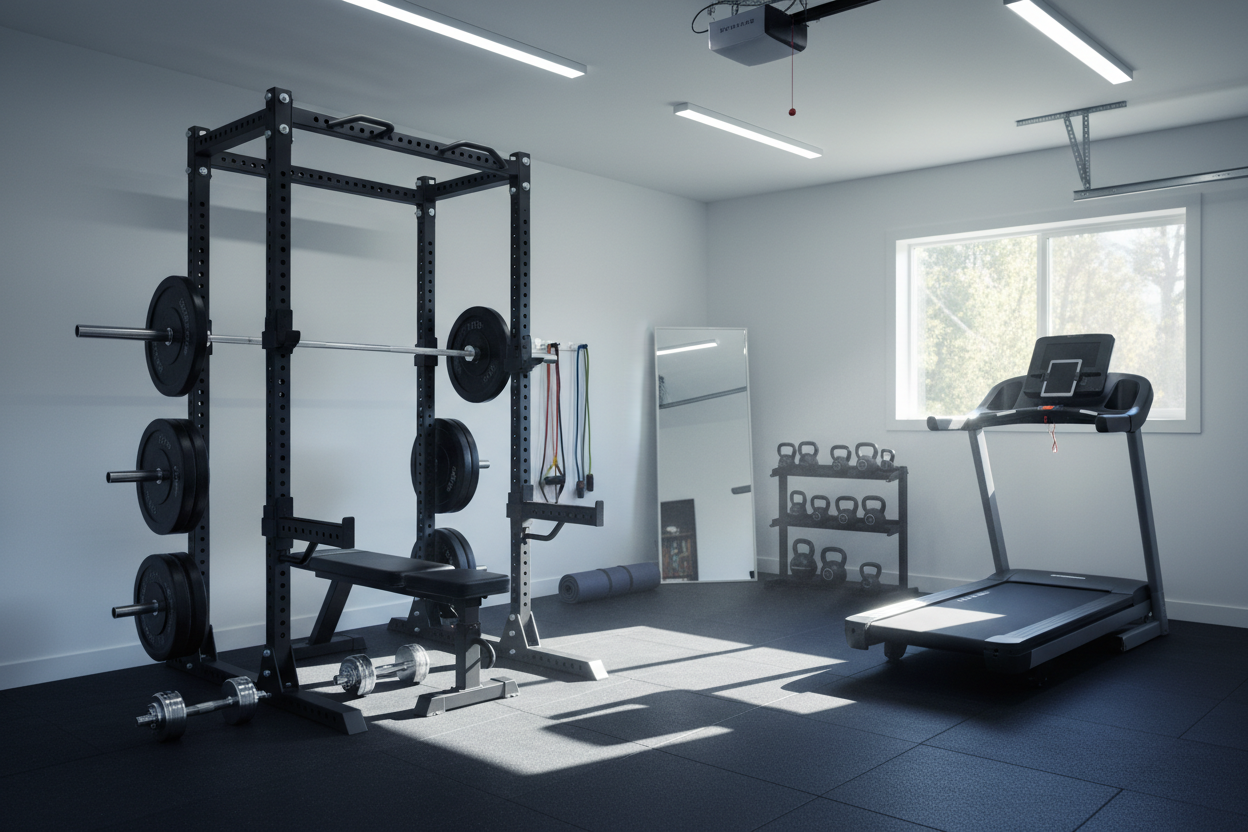
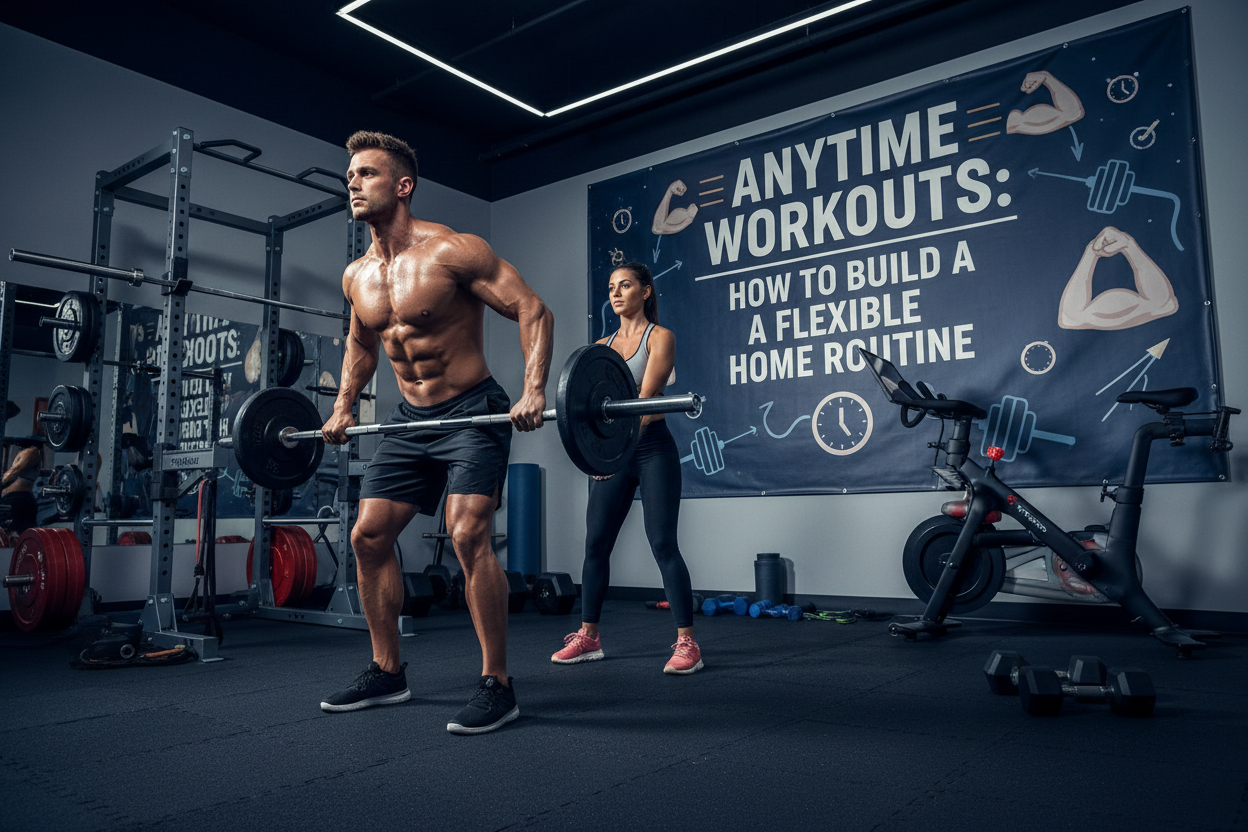
Lifting Weights Sets: The Definitive Home Gym Guide
You finally decided to quit the commercial gym and build your own iron paradise. But when you start looking for lifting weights sets, the options are overwhelming. Cast iron, bumper plates, urethane, standard versus Olympic sizing—it’s enough to make you want to stick to bodyweight squats forever.
Choosing the right equipment isn't just about finding the heaviest plates; it is about safety, longevity, and resale value. Whether you are looking for a compact weight lifting kit or a full rack setup, making the wrong choice now will hurt your wallet and your floorboards later.
Key Takeaways
- Size Matters: Always prioritize Olympic (2-inch) sets over Standard (1-inch) sets for better durability and upgrade potential.
- Material Selection: Choose rubber bumper plates for Olympic lifting or cross-training to protect your floor; stick to cast iron for pure powerlifting.
- Budget Reality: Avoid vinyl-coated cement weights. They are bulky, prone to cracking, and have poor resale value.
- Essential Components: A complete weight lifting set should include a 45lb (20kg) bar, spring or lock-jaw collars, and at least 250lbs of plates.
Defining Your Goal: What Type of Set Do You Need?
Before you pull out your credit card, you need to categorize your training style. A bodybuilder needs a different setup than a functional fitness athlete. This distinction dictates which weight lifting home set is right for you.
The Olympic Weight Training Set
This is the gold standard. These sets feature a barbell with 2-inch rotating sleeves. If you plan on doing compound movements like squats, deadlifts, or cleans, this is non-negotiable. The rotating sleeves reduce torque on your wrists, preventing injury. If you see a weight lifting set for home that uses a 1-inch bar (Standard), skip it unless you are severely space-constrained.
The Adjustable Dumbbell Route
If you lack space for a full rack and barbell, an at home weight lifting set centered around adjustable dumbbells is a solid alternative. While you won't move as much total load, the space-saving aspect is unmatched. However, be warned: mechanism durability varies wildly between brands.
Analyzing Materials: Iron vs. Rubber
When searching for a weight lifting set with weights, the plate material changes the price and the experience.
Cast Iron Plates
These are the classic "clangers." They are thinner than rubber plates, allowing you to load more onto the bar. They are generally the most affordable option for a weight room set. The downside? They are loud and can crack tile or concrete if dropped.
Bumper Plates
Bumper plates are made of high-density rubber. They are designed to be dropped. If you are training in a garage or a spare room upstairs, a home weight lifting set with bumpers is essential to dampen noise and vibration. They are more expensive per pound but save your floor.
The Cost of Iron: Pricing Breakdown
A common question beginners ask is: how much does a weight set cost?
Prices have stabilized since the pandemic spikes. Generally, you should expect to pay between $1.50 to $3.00 per pound for new weights.
- Budget Tier ($200 - $400): Usually includes a generic bar and cast iron plates. Often labeled as cheap lifting weights, these get the job done but may have loose tolerances (a 45lb plate might actually weigh 42lbs).
- Mid-Range ($500 - $900): This gets you a decent needle-bearing bar and basic bumper plates. This is the sweet spot for most home gyms.
- High-End ($1,000+): Urethane-coated plates and competition-spec bars.
Common Mistakes When Buying Weight Lifting Sets for Home
Don't get tricked by the "300lb set" marketing. Many retailers include the weight of the bar (45lbs) in that total, which is fine, but some cheaper sets include a lightweight hollow bar that can only handle 150lbs before bending. Always check the tensile strength (PSI) of the barbell included in your weight lifting kit.
Another trap is buying vinyl-filled cement weights. These are often the cheapest weights for lifting at home. They are incredibly bulky on the bar, making it hard to get into proper position, and if you drop them once, the plastic casing splits, leaking sand or cement everywhere.
My Training Log: Real Talk
I want to share a specific detail about buying my first home setup that product descriptions rarely mention: the "factory grease" situation.
When I bought my first mid-range cast iron set, I was so excited to bench press that I set it up immediately. I didn't realize the plates and bar were coated in a protective, oily shipping lacquer to prevent rust during sea transit. After my first set, my hands were black, my t-shirt was ruined with oil stains, and the bar was slipping out of my grip.
Another thing I learned the hard way with cheap lifting weights is the "rattle." I bought a budget bar where the sleeves had terrible tolerances. Even with collars on tight, the plates shifted and clanked during deadlifts. That subtle shift throws off your balance when you are pulling heavy. Now, I always tell people: spend the extra $100 on the barbell, even if you have to buy cheaper plates. You feel the bar; you just lift the plates.
Conclusion
Building a home gym is an investment in your health. Don't just look for the cheapest price tag. Look for a complete weight lifting set that includes an Olympic bar and durable plates that fit your flooring situation. Whether you choose iron or bumpers, the best set is the one that removes the friction between you and your workout.
Frequently Asked Questions
What constitutes a complete weight lifting set for beginners?
A complete set typically includes a 7-foot Olympic barbell (45lbs/20kg), a pair of collars to secure the weights, and a mix of weight plates totaling between 160lbs to 300lbs. This usually consists of pairs of 45s, 35s, 25s, 10s, 5s, and 2.5lb change plates.
Are cheap lifting weights safe to use?
It depends on the material. Cheap cast iron plates are generally safe, though they may not be accurate in weight. However, cheap barbells are a safety risk. Avoid bars with a low weight capacity (under 500lbs static rating) or those held together by hex bolts rather than snap rings, as the sleeves can detach during lifts.
How much space do I need for a weight lifting home set?
You need a 7-foot by 7-foot area minimum. The bar itself is 7 feet long, and you need clearance on either side to load plates without hitting walls. If you are lifting on a platform, aim for an 8x8 foot space to ensure safety during movement.