Lifestyle Treadmill Reality Check: What to Know Before You Buy
If you are tired of treating your cardio routine as an inescapable chore, you are not alone. The shift toward home-based work and living has made squeezing in 10,000 steps harder than ever. Enter the lifestyle treadmill—a category of cardio equipment designed to integrate seamlessly into your living room or home office rather than dominating a dedicated garage gym.
But is this sleek, low-profile machine actually right for your daily fitness goals? In this guide, we will break down exactly what makes these compact machines tick, how to fit them into your home, and whether they are truly worth the investment.
Key Takeaways
- They prioritize compact footprints and aesthetics over high-speed sprinting capabilities.
- Ideal for walking, light jogging, and active workstation setups.
- Motors typically range from 1.5 to 2.5 CHP, requiring regular lubrication for longevity.
- Not a replacement for heavy-duty running treadmills, but perfect for consistent, daily movement.
What Separates a Lifestyle Model from the Rest?
Form Meets Function
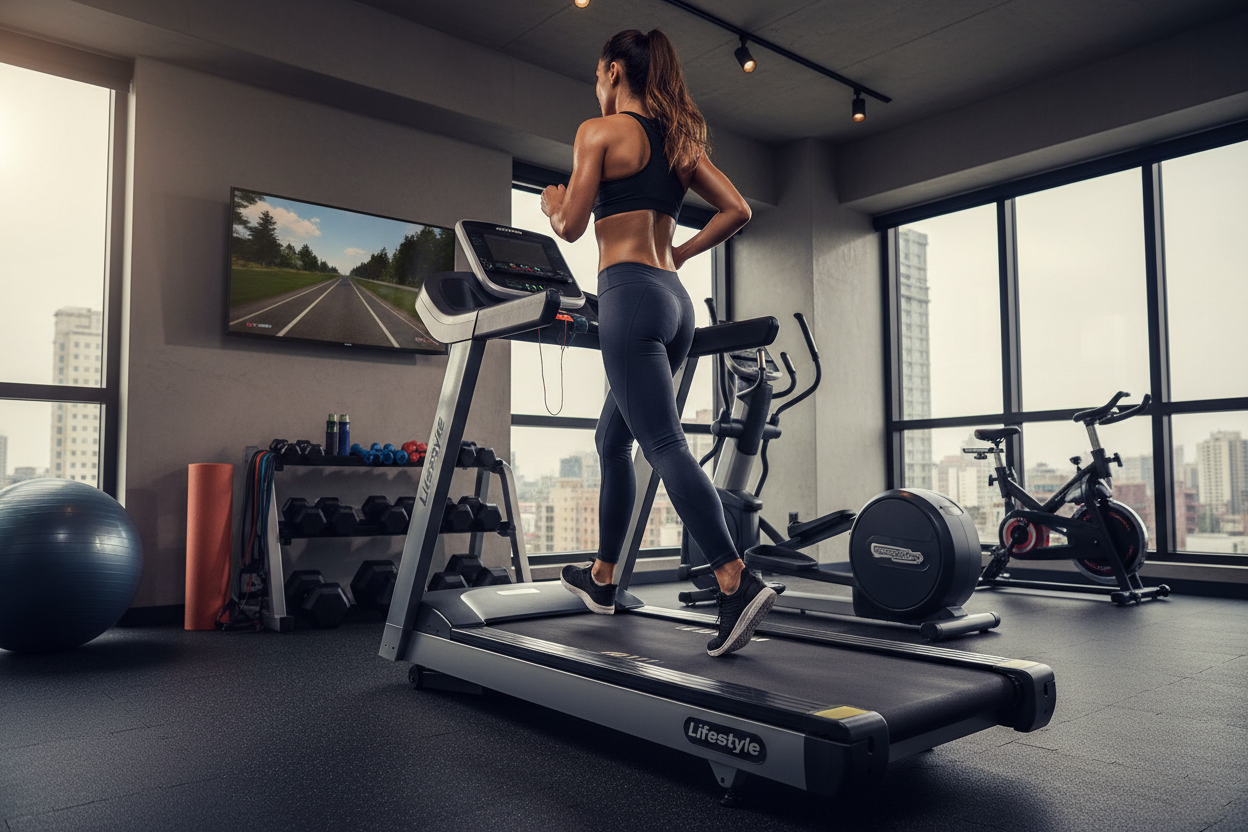
Unlike a massive commercial unit, a true lifestyle fitness treadmill is built with your home aesthetic in mind. These units often feature folding handrails, slim profiles, and minimalist consoles. The goal is to provide a piece of equipment that you do not have to hide when guests come over, blending cleanly into your daily living space.
Motor Capacity and Speed Limits
Most lifefit treadmill designs cap out around 4 to 8 mph. Because they are engineered for walking and steady-state movement rather than aggressive interval training, the motors are smaller. This keeps the machine lightweight and quiet, though it means serious runners should look toward heavier-duty options.
Space Planning for Modern Homes
Clearance and Storage
Whether you have a sprawling basement or a cozy apartment, footprint matters. When measuring your space, look for models with a deck height of under 6 inches if you plan to slide it under a standing desk or bed. Always leave at least 24 inches of clearance on either side and 48 inches behind the belt for safety.
From Our Gym: Honest Take
We have tested dozens of cardio machines, and transitioning to a lifecycle treadmill setup for daily office work was an eye-opener. At 6'1', I initially worried about the stride length on these compact decks. Surprisingly, the 45-inch belt was plenty for a brisk 3.5 mph walking pace while answering emails. However, here is the honest caveat: the noise level. While the motor itself is whisper-quiet, the footfall resonance on a hardwood floor is noticeable. You absolutely need a high-density equipment mat underneath to dampen the sound if you live in a second-story apartment.
Frequently Asked Questions
Can you run on a lifestyle treadmill?
While some models support light jogging, they are primarily designed for walking and steady-state movement. If you are training for a marathon or doing heavy interval sprints, you will want a dedicated running treadmill with a 3.0+ CHP motor.
How much maintenance do these compact treadmills need?
Because the motors are smaller and work hard at lower speeds, belt friction can be an issue. We recommend checking the belt tension and applying 100% silicone lubricant every 40 hours of use to prevent motor burnout.
Are they worth the investment for a home gym?
Absolutely, provided your goal is increasing daily non-exercise activity thermogenesis (NEAT) rather than high-performance athletic training. They offer an unbeatable convenience factor for staying active during meetings or while watching TV.