Leg Day Redefined: How to Build Power and Shape with a Quad and Glute Focus
Most people treat leg day as a necessary evil, rushing through a few sets of leg presses before heading home. But if you want a lower body that performs as well as it looks, you need to stop going through the motions. A truly effective leg session relies on the synergy between knee extension and hip extension. By prioritizing a specialized quad and glute focused workout, you aren't just building size; you are developing the functional strength that carries over to running, jumping, and virtually every athletic movement.
The secret lies in selecting compound movements that force these two massive muscle groups to work together while using isolation exercises to finish them off. You don't need endless variety. You need intensity, proper biomechanics, and a plan that targets the anterior chain (quads) and the posterior chain (glutes) with equal ferocity.
The Reality of Training Legs: My Turning Point
I spent the first two years of my lifting journey making a classic mistake. I thought running on a treadmill and doing a few light sets of leg extensions was enough. My upper body was growing, but my legs looked like they belonged to someone else. I plateaued hard on my deadlift, and my knees constantly ached. The change only happened when I stripped the weight off the bar and relearned how to move.
I shifted my focus entirely to depth and tension. Instead of ego-lifting, I started pausing at the bottom of my squats and really driving through my heels on lunges. The soreness was unlike anything I had felt before—walking down stairs became a genuine safety hazard for about three days a week. But within four months of sticking to a heavy glutes and quads gym workout, my jeans fit differently, my knee pain vanished, and my squat numbers skyrocketed. That experience taught me that leg development demands humility and a tolerance for discomfort that other body parts simply don't require.
Anatomy of the Perfect Split
Understanding the mechanics helps you lift smarter. Your quadriceps are responsible for straightening your knee. Your glutes are the primary drivers for extending your hips. While it is possible to isolate them, they naturally want to work together. Think about a squat: you bend at the knees (loading the quads) and the hips (loading the glutes). The goal of this routine is to manipulate your body position to shift the bias back and forth between these two areas.
The Compound Lifts
Your workout should always begin with the heaviest, most demanding movements. Fatigue sets in quickly on leg day, so you want your nervous system fresh for the lifts that require the most stability.
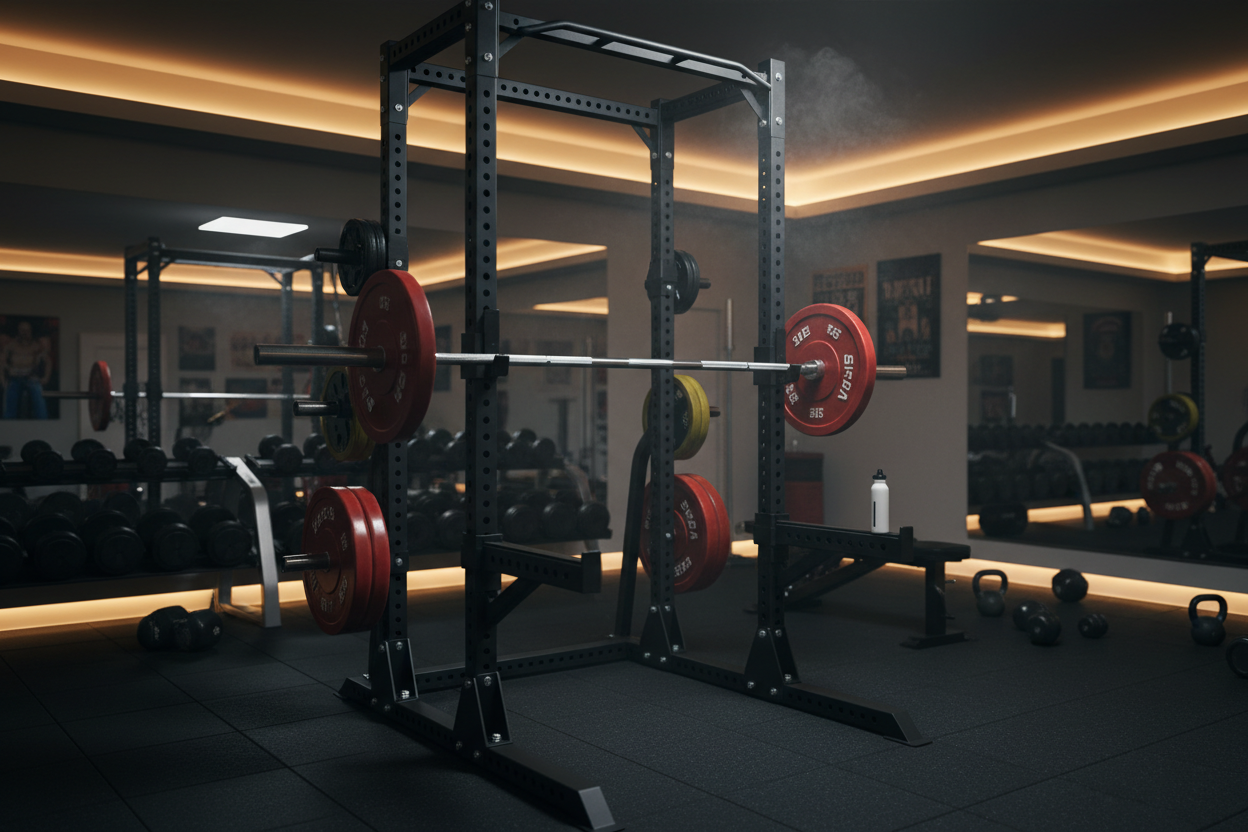
The High-Bar Back Squat is the cornerstone here. By placing the bar higher on your traps, you force your torso to stay more upright. This increases the degree of knee flexion, placing a massive demand on the quads. However, because you are still moving a heavy load through a full range of motion, your glutes must fire aggressively to help you stand back up out of the hole. Aim for depth over weight; if your hip crease doesn't drop below your knee, you are robbing your glutes of their potential growth.
For those who struggle with back squats due to lower back issues, the Leg Press is an invaluable tool for a glutes and quads gym workout. Foot placement is everything here. Placing your feet lower on the platform emphasizes the quads, while a higher, wider stance recruits more glute fibers. To hit both, aim for a standard shoulder-width stance in the middle of the platform, but focus on controlling the negative. Don't let the sled drop; fight it all the way down.
Unilateral Training: The Game Changer
If you want to expose weaknesses and fix imbalances, you have to train one leg at a time. Bilateral movements allow your dominant side to take over, but unilateral work forces each leg to carry its own weight.
Bulgarian Split Squats are notoriously painful but incredibly effective. They stretch the quads under load while demanding extreme glute stability. To make this part of a quad and glute focused workout, pay attention to your torso angle. Leaning your torso slightly forward while keeping a neutral spine will stretch the glute more. Keeping your torso perfectly upright will torch the quads. I recommend a slight forward lean to get the best of both worlds.
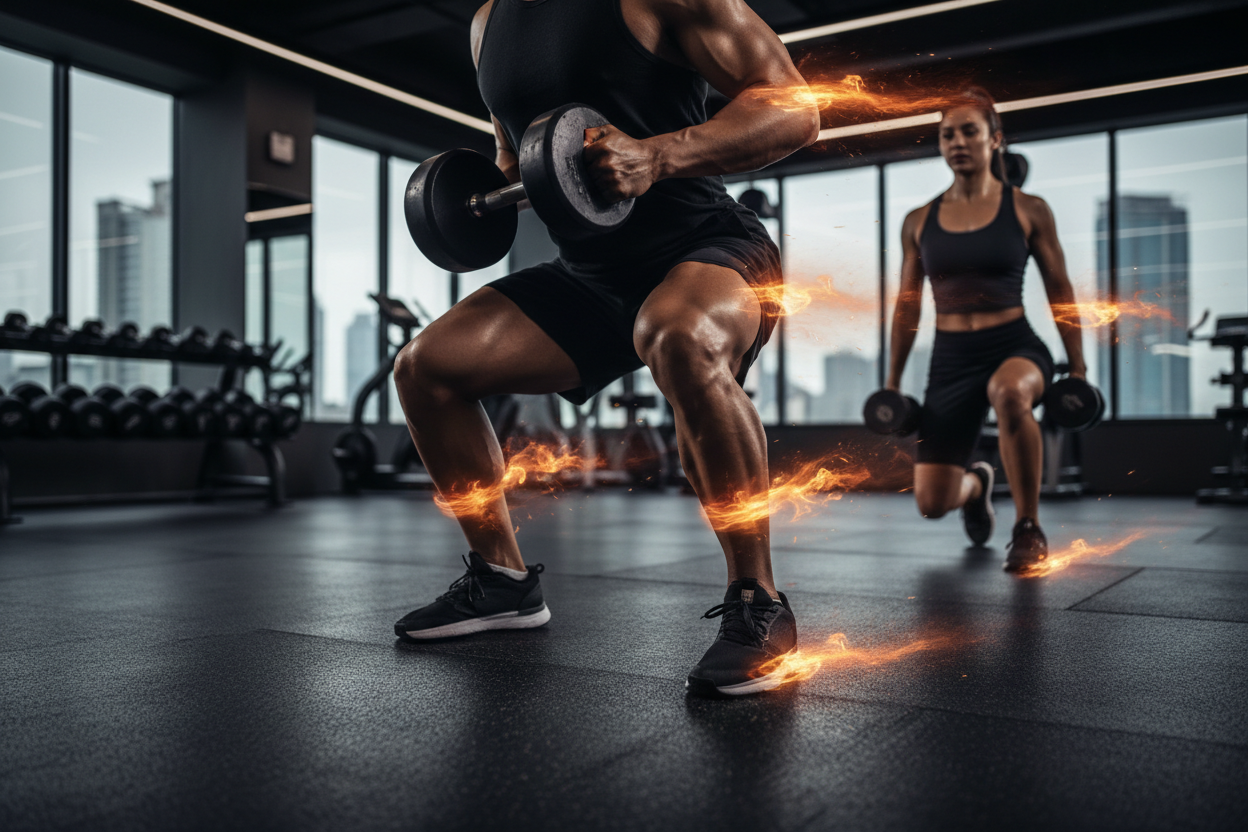
Walking Lunges serve as a dynamic finisher. Unlike the static nature of a split squat, the lunge requires you to decelerate your body weight and then explode forward. This dynamic movement pattern fries the glutes as they work to stabilize the pelvis, while the quads burn out from the repeated knee flexion.
The Isolation Finishers
Once the heavy compounds have exhausted your energy stores, it is time to isolate the muscles to ensure total fatigue. This is where you chase the pump without worrying about stabilizing a heavy barbell.
Leg Extensions are pure quad isolation. To get the most out of these, do not swing the weight. Squeeze at the top for a full second. You want to feel the muscle contracting right above the knee. This is often the missing link for people who have size but lack definition.
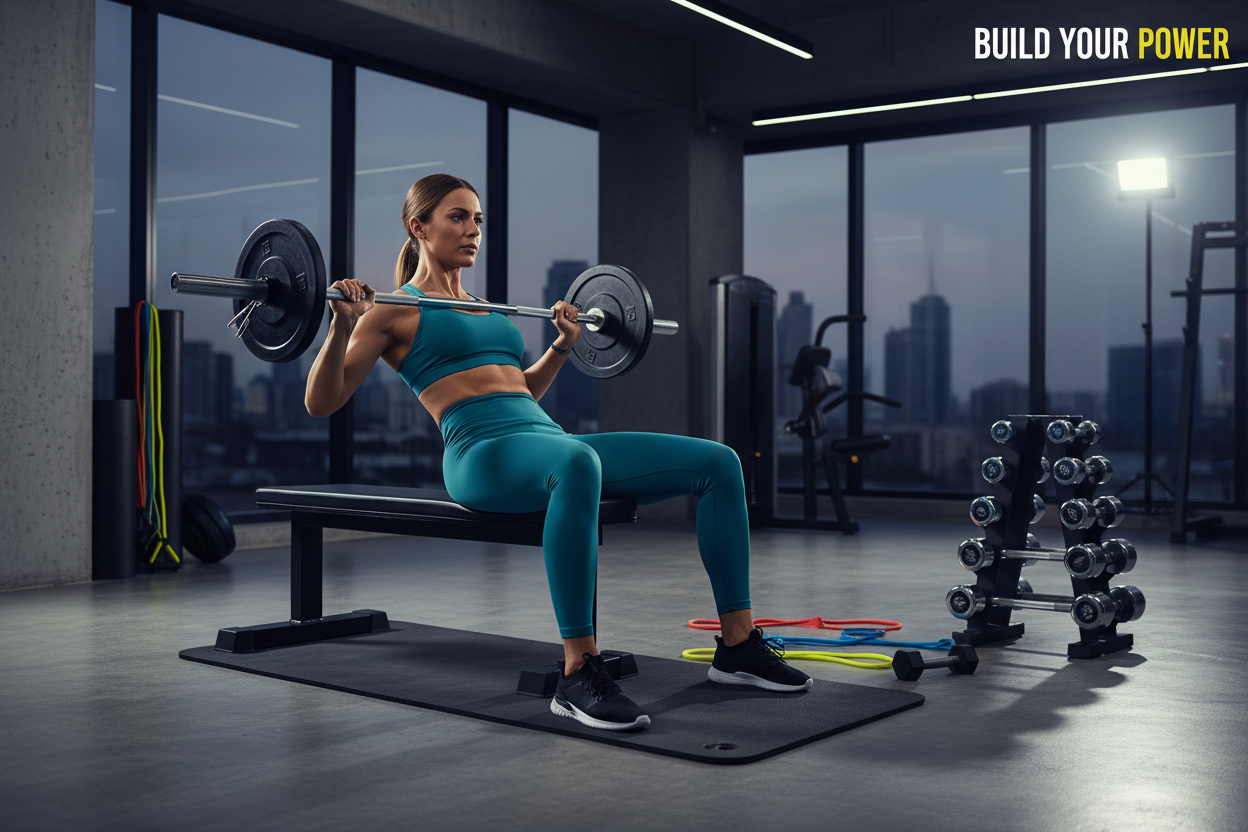
For the posterior, the Glute Bridge or Hip Thrust is non-negotiable. While squats and lunges hit the glutes in the lengthened position (at the bottom), hip thrusts load the glutes in the shortened position (at the top). This creates a peak contraction that squats simply cannot replicate. Use a barbell or a dedicated machine, keep your chin tucked, and drive your hips toward the ceiling.
Sample Routine Structure
This session is designed to be high-intensity. Rest times should be 2-3 minutes for compound lifts and 60-90 seconds for isolation movements.
- Barbell Back Squat: 3 sets of 6-8 reps (Focus: Overall Mass)
- Leg Press (Mid-stance): 3 sets of 10-12 reps (Focus: Volume)
- Bulgarian Split Squats: 3 sets of 8-10 reps per leg (Focus: Stability and Imbalance Correction)
- Barbell Hip Thrusts: 4 sets of 10-12 reps (Focus: Glute Contraction)
- Leg Extensions: 3 sets of 15 reps (Focus: Metabolic Stress/Pump)
Recovery and Frequency
You cannot train legs with this level of intensity every day. The muscle fibers in your lower body are large and require significant resources to repair. Most lifters see the best results hitting this specific quad and glute focused workout twice a week, or once every five days depending on recovery capacity. If you are still hobbling around three days later, you might need to dial back the volume or look at your nutrition.
Sleep and food are anabolic. If you aren't eating enough protein or sleeping at least seven hours a night, all that effort in the squat rack is wasted energy. Your legs grow when you are resting, not when you are lifting.
Frequently Asked Questions
How often should I perform this workout?
For most intermediate lifters, performing this routine twice a week is optimal for hypertrophy. Ensure you have at least two days of rest or upper-body training between sessions to allow the central nervous system and muscle fibers to recover fully.
Why do I feel squats only in my quads and not my glutes?
This is usually a depth or stance issue. If you stop short of parallel, your quads do most of the braking work; hitting full depth engages the glutes to help drive you out of the hole. widening your stance slightly and pointing your toes out can also increase glute activation.
Can I do this workout at home with dumbbells?
Yes, almost all these movements can be modified. Goblet squats can replace barbell squats, and dumbbell lunges are just as effective as walking lunges. The main limitation will be progressive overload, so you may need to increase reps or decrease rest times as the weights become too light.