It's Time We Finally Killed Off Dedicated Shoulder Day Workouts
I remember spending two hours every Thursday afternoon trying to turn my delts into cannonballs. I’d run through five variations of lateral raises, three different presses, and enough face pulls to make my eyes water. I’d walk out of the garage with a massive pump, but by Monday, my bench press would stall and my AC joints felt like they had been chewed on by a lawnmower. If you are still grinding through high-volume shoulder day workouts every week, you are likely just spinning your wheels and inviting a labrum tear to the party.
Quick Takeaways
- Most dedicated shoulder days consist of 50% junk volume that doesn't trigger growth.
- High-frequency, low-volume stimulation beats once-a-week annihilation for small muscle groups.
- Shoulder health is dictated by scapular stability, not how many dumbbells you can shrug.
- Integrating delt work into Push/Pull splits allows for better recovery and heavier loading.
The Problem With the Traditional 'Bro Split' Delt Session
The average 'bro split' asks you to dedicate an entire hour to a muscle group roughly the size of a grapefruit. After your first two heavy pressing movements, your central nervous system is already redlining. Everything you do after that—the fourth variation of a front raise or that weird machine press—is just 'junk volume.' You aren't getting bigger; you're just getting tired and increasing your injury risk.
When you hammer your delts in isolation, you are often ruining your bulk by draining systemic recovery. Your shoulders are involved in every single upper-body movement. If they are constantly fried from a dedicated session, your bench, rows, and pull-ups will all suffer. You lose the ability to move heavy weight on the movements that actually build the most mass across your entire frame.
What Good Shoulder Day Workouts Actually Look Like
If you aren't going to scrap the day entirely, you need to redefine what good shoulder day workouts actually entail. It isn't about chasing a pump until your skin feels tight. It’s about high-intensity, high-quality contractions on the movements that matter. I’ve found that focusing on one heavy overhead movement followed by two targeted isolation exercises is more than enough to spark growth without the fatigue hangover.
A smart session prioritizes the lateral and posterior heads, which are often neglected in favor of the anterior (front) delts that already get smashed during chest day. Stop doing front raises. Seriously. Your front delts are fine. Focus on the 'width' muscles and the 'stability' muscles if you want that 3D look without the chronic impingement.
Prioritizing Joint Prep and Floor Work First
Before you even look at a barbell, you need to wake up your serratus and rotator cuff. I see guys jump straight into 135-lb overhead presses with cold joints and then wonder why their shoulders click like a Geiger counter. I’ve made it a rule in my gym: five minutes of floor work is the price of admission for pressing.
I usually roll out a 6x8ft exercise mat and run through prone Y-raises, T-raises, and dead bugs. This isn't 'yoga'—it's active maintenance. Using a dense mat gives you the stability to actually feel those small stabilizer muscles firing. If you can't control your shoulder blades against the floor, you have no business trying to stabilize 200 lbs over your head.
Restructuring Your Shoulder Workout Routines for Frequency
The most effective shoulder workout routines I’ve ever run didn't actually have a 'shoulder day.' Instead, I moved my overhead pressing to my 'Push' day and my lateral raises to the end of my 'Pull' day. This allows you to hit the delts 2-3 times a week with 3-5 sets each time, rather than hitting them once a week with 20 sets. The total volume is the same, but the quality of every single rep is significantly higher.
When I finally treated my shoulder strength workout like leg day, focusing on heavy, low-rep overhead presses as a primary lift, my overhead strength exploded. You can't move heavy weight for 5 reps if you've already done 12 sets of isolation work. Treat the press like a main event, not an afterthought, and your shoulders will actually have a reason to grow.
A Smarter Programming Approach for Home Gym Lifters
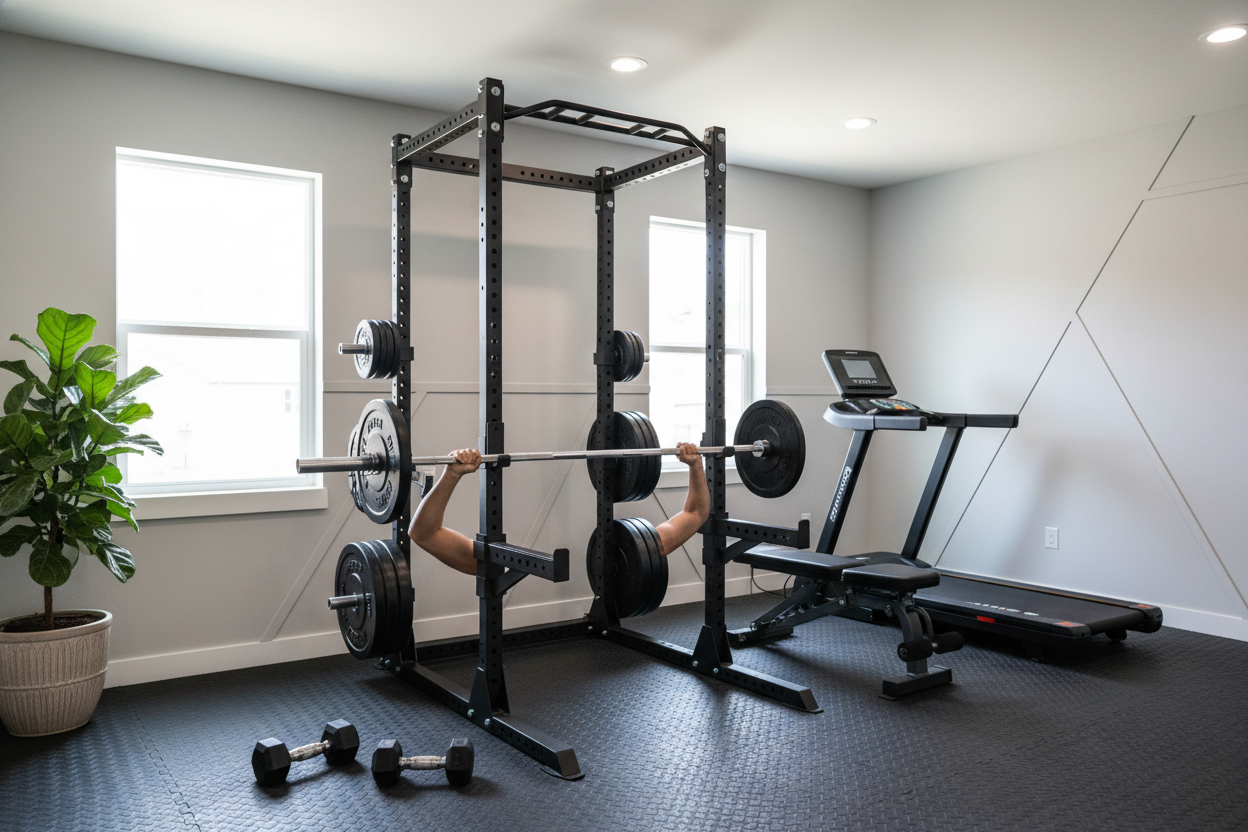
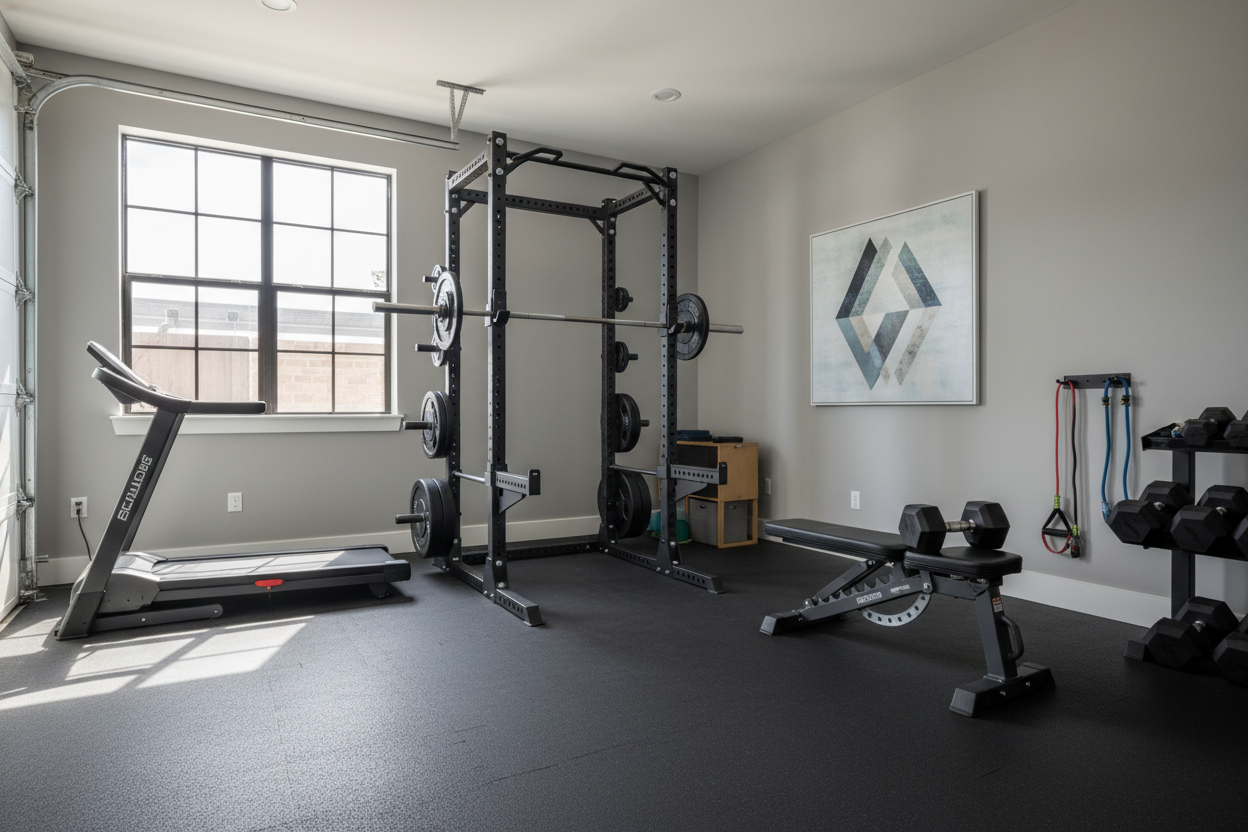
For those of us training in a garage or basement, we have to be efficient. You don't need a 10-machine circuit. A solid weekly template might look like this: Monday is heavy overhead press (5x5), Wednesday is high-rep lateral raises (3x15) after your back work, and Friday is face pulls and rear delt flies. This keeps the joints greased and the muscles stimulated without ever reaching that point of diminishing returns.
If you're looking for a way to slot this into your current schedule, check out our Workout Hub for templates that balance frequency and recovery. The goal is to be the guy who can still press a 100-lb dumbbell when he’s 50, not the guy who has to stop lifting because his shoulders are 'shot' from too many junk-volume sessions in his 20s.
Personal Experience: The Day My Labrum Had Enough
I learned this the hard way. Back in 2018, I was obsessed with 'boulder shoulders.' I was doing a dedicated shoulder day with 25 sets of volume. One afternoon, during my 18th set of the day—a behind-the-neck press I had no business doing—I felt a sharp 'zip' in my right shoulder. I couldn't bench for six months. That injury happened because I was chasing a pump and fatigue rather than actual strength and structural integrity. Now, I do six sets of delts twice a week, and they've never been bigger or healthier.
FAQ
Do I really need to train front delts?
Probably not. If you are doing any kind of flat or incline bench pressing, your front delts are already getting plenty of work. Most lifters are actually overdeveloped in the front, which pulls the shoulders forward and ruins posture.
How many sets per week do I need for shoulder growth?
Most people thrive on 10-15 high-quality sets per week. If you're doing more than that in a single session, the quality of your later sets is likely too low to trigger a growth response.
Is the overhead press better than the dumbbell press?
The barbell overhead press is the king for overall strength and systemic load, but dumbbells allow for a more natural path of motion which can be easier on the joints. I rotate them every 8 weeks to get the best of both worlds.