Is Your Home Gym a Safety Hazard? Here’s How I Finally Organized My Chaos
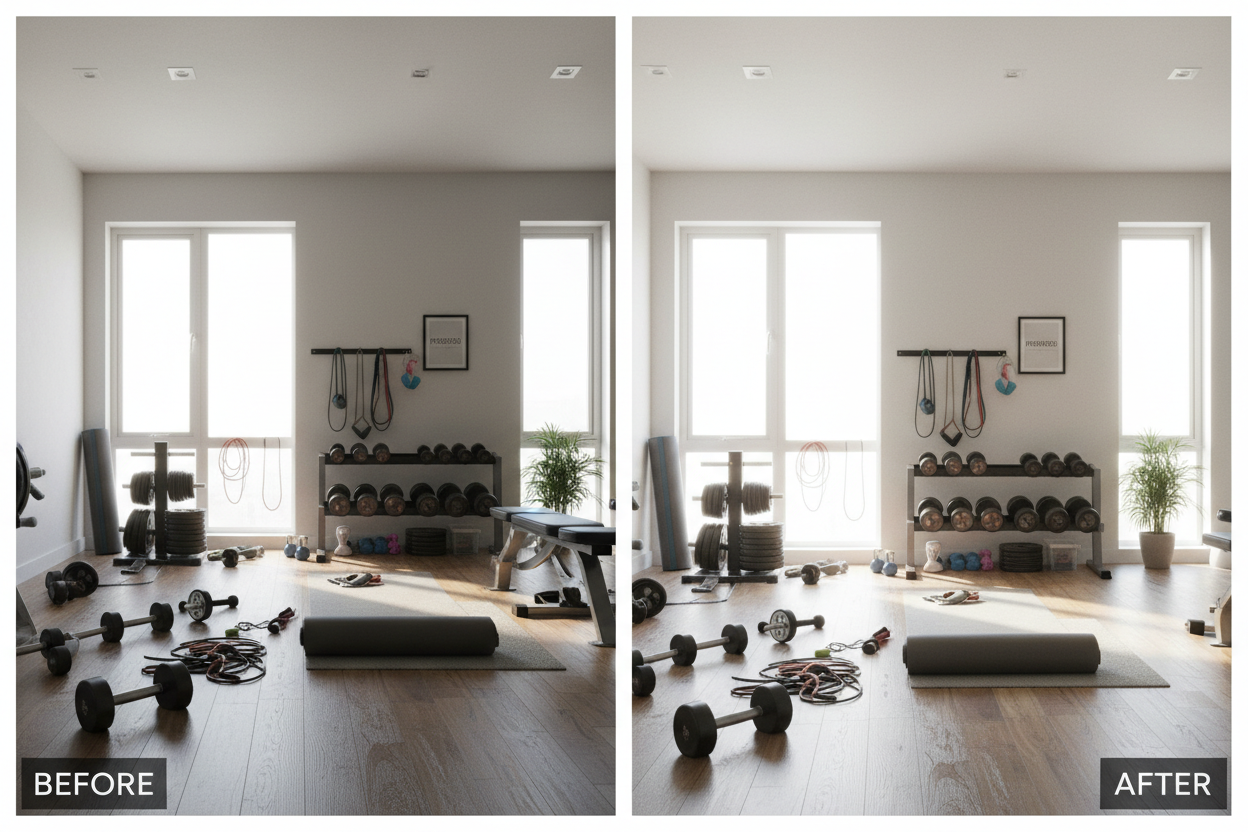
You finish a heavy set of goblet squats, your legs are burning, and all you want to do is drop the weight and catch your breath. But instead of a smooth transition to your rest period, you find yourself awkwardly navigating a minefield of cast iron scattered across the garage floor. If this sounds familiar, your home gym isn't just disorganized; it is actively hindering your progress and potentially endangering your safety. A chaotic workout space kills momentum, but the solution is often as simple as proper vertical storage.
Many fitness enthusiasts underestimate the psychological and physical impact of a cluttered training environment. We spend hundreds or thousands of dollars on barbells, benches, and bumper plates, yet we often treat storage as an afterthought. The reality is that having a dedicated place for every piece of equipment changes the entire dynamic of a workout. It shifts the atmosphere from a cluttered storage room to a professional training facility, allowing you to focus entirely on the lift rather than where you’re going to step next.
The Real Cost of a Messy Gym Floor
Leaving weights on the floor seems harmless until you are mid-workout and tripping over a stray kettlebell. Beyond the obvious tripping hazard, improper storage damages your equipment. Dumbbells sitting on concrete absorb moisture, leading to rust on the knurling, while rubber hex heads can degrade faster when constantly kicked or shuffled around. More importantly, it wastes time. Searching for a matching dumbbell or clearing a space to perform a burpee eats into your training time and lowers your heart rate when you want to keep the intensity high.
I learned this lesson the hard way. For the first two years of training at home, I stacked my plates against the wall and left my dumbbells in a pile. One morning, groggy and pre-coffee, I went to grab a 45-pound plate. It slipped, crashed into my shin, and then rolled onto my foot. I was out of commission for a week, not because of a training injury, but because of bad housekeeping. That was the moment I realized I needed a serious storage solution, specifically something that could handle the variety of gear I had accumulated.
Finding the Right Storage Solution
The challenge with home gyms is that we rarely stick to just one type of weight. We usually have a mix of standard plates, Olympic plates, kettlebells, and dumbbells. Buying a separate rack for each is expensive and takes up valuable square footage. This is where a versatile unit like the Marcy combo weights storage rack becomes essential. It is designed to consolidate different types of equipment into a single, compact footprint.
Versatility is the primary factor you should look for. A standard dumbbell rack is fine if that is all you own, but most of us need a combo weight rack that offers shelves for kettlebells and posts for plates. By verticalizing your storage, you essentially reclaim half your gym floor. This added space allows for more dynamic movements, like lunges or jump rope, without the fear of collision.
Why Multipurpose Racks Win
I eventually settled on a combo weight storage rack design because it addressed the specific "salad bowl" of equipment I owned. The top shelf usually accommodates dumbbells, while the lower areas are perfect for heavier items. Having a designated spot for everything creates a visual cue that the workout is finished only when the rack is full and the floor is empty. It instills a discipline that carries over into the training itself.
Furthermore, the structural integrity of your storage matters immensely. You are effectively stacking hundreds of pounds of steel in one spot. Flimsy aluminum or plastic connectors are a recipe for disaster. A Marcy premium rack typically features heavy-duty steel tubing and a powder-coated finish. This construction ensures that the rack doesn't wobble when you re-rack a heavy dumbbell after a set to failure. Stability equals safety.
Installation and Workflow Optimization
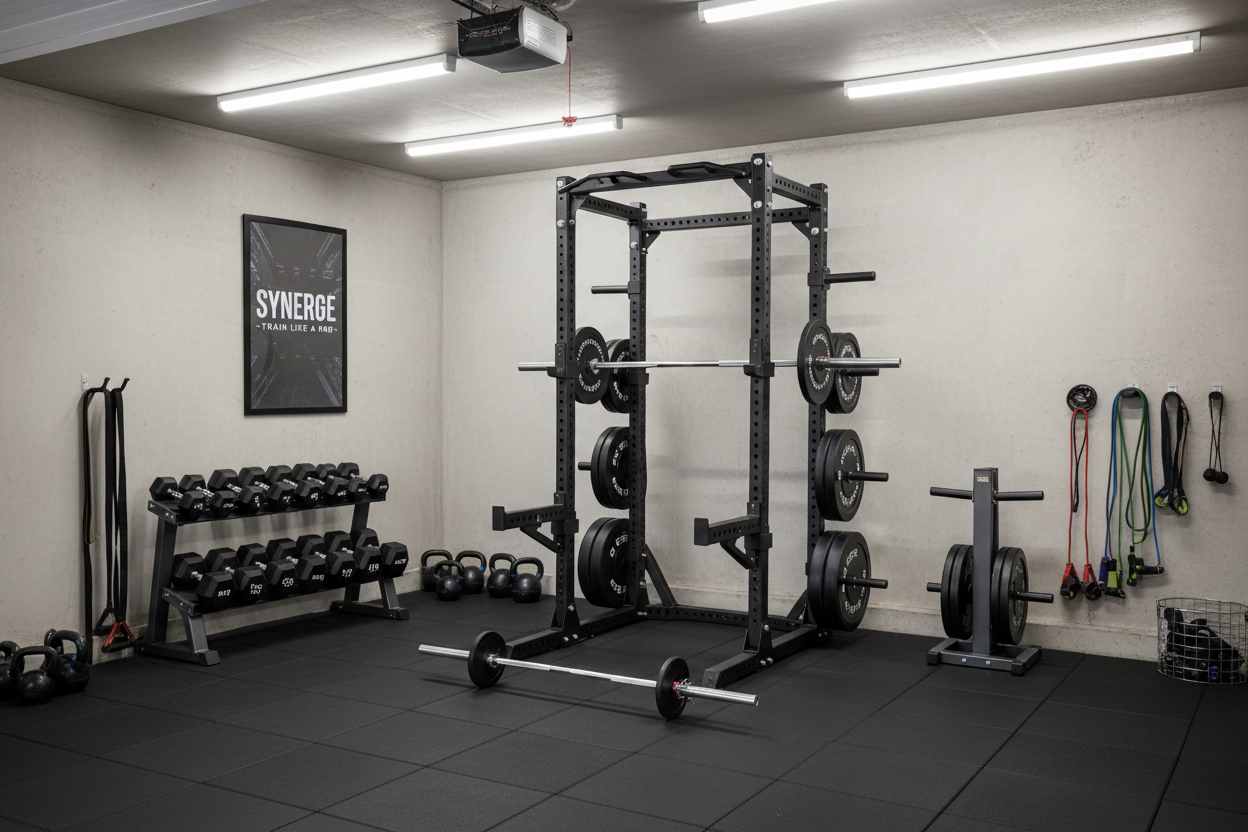
Once you have a rack installed, organize it by weight and frequency of use. Keep your heaviest plates on the lower posts to lower the center of gravity of the unit, ensuring maximum stability. Place your most frequently used dumbbells at waist height to save your lower back from unnecessary strain during setup. This ergonomic approach to organization might seem minor, but over years of lifting, it saves a tremendous amount of energy.
The Marcy combo storage rack design usually accounts for this ergonomic need, providing angled shelves that make picking up and putting down weights feel natural. There is a specific satisfaction in hearing the metallic clank of a weight returning to its home. It signals the successful completion of effort. When your environment is orderly, your mind is clearer. You aren't distracted by the mess; you are locked in on the next rep.
Protecting Your Investment
Fitness equipment holds its value remarkably well, but only if it is maintained. A rusty barbell or a chipped dumbbell loses resale value and functional lifespan. By getting your gear off the ground and onto a Marcy premium rack, you isolate it from dust, dirt, and ground moisture. It also prevents the accidental kicking and scuffing that happens when gear is floor-bound.
Think of storage not as an accessory, but as a piece of safety equipment. Just as you wouldn't bench press without collars or squat without safety spotter arms, you shouldn't run a gym without proper organization. It protects you, your family, and the equipment itself.
Transforming a garage or spare room into a gym is a journey. It starts with a few weights and evolves into a lifestyle. Don't let the clutter overtake the passion. Investing in a solid storage infrastructure is the best way to ensure your home gym remains a sanctuary for self-improvement rather than a storage unit for heavy metal.
Frequently Asked Questions
Can I store kettlebells on a standard dumbbell rack?
It depends on the rack's design. Traditional dumbbell racks with individual cradles won't hold kettlebells safely, but a rack with flat tray shelves is perfect for kettlebells, medicine balls, and odd-shaped weights.
How much weight can a typical home gym rack hold?
Most high-quality home gym racks are rated for anywhere between 600 to 1,000 pounds. Always check the manufacturer's maximum weight capacity specifications before loading up all your plates and dumbbells to avoid structural failure.
Do I need to bolt my weight rack to the floor?
Generally, no, as the weight of the equipment itself anchors the rack firmly to the ground. However, if you have uneven floors or children who might climb on the equipment, securing it to the floor or wall is a wise safety precaution.