Is the 5x5 the Best Beginner Powerlifting Program?
I remember the first time I loaded a bar in my drafty garage. It was a cheap, chrome-plated piece of junk from a big-box store, and I had no clue what I was doing. I just knew I wanted to be strong, so I Googled beginner powerlifting program and fell down the 5x5 rabbit hole like everyone else.
The appeal is obvious. You see the spreadsheets, the simple math, and the promise of adding five pounds to the bar every single session. It feels like a cheat code for life. But after years of testing racks, bending bars, and coaching lifters, I've realized that the internet's favorite protocol is often a double-edged sword.
- 5x5 is excellent for building foundational movement patterns in the first 12 weeks.
- Linear progression eventually hits a wall that requires smarter fatigue management.
- Neglecting accessory work can lead to muscle imbalances and joint pain.
- Your gym floor matters more than you think when the weights get heavy.
Why the Internet Is Obsessed With 5x5 Routines
The 5x5 model, popularized by programs like Starting Strength and StrongLifts, is the default powerlifting basic program for a reason: it's simple. When you're a novice, your central nervous system is a blank slate. You don't need a complex periodization scheme or RPE-based spreadsheets. You just need to squat, bench, and pull.
Linear progression—adding a fixed amount of weight every workout—provides instant gratification. It turns the gym into a video game where you level up every Monday, Wednesday, and Friday. This simplicity is the ultimate hook for anyone looking for a simple powerlifting program. It removes the guesswork, which is often the biggest barrier to entry for new lifters who feel intimidated by the barbell.
Where the Standard 5x5 Model Fails New Lifters
The honeymoon phase of a 5x5 usually lasts about three months. Then, the wheels start to wobble. The biggest flaw in a typical powerlifting workout plan for beginners is the sheer volume of heavy squatting. Squatting 5x5 at your limit three times a week is a recipe for tendonitis and burnout. It’s a lot of stress on the low back and knees without much variation.
Furthermore, these programs often leave your posterior chain under-developed. While you’re getting good at moving the weight, you might be missing the targeted hamstring and glute work needed for a massive deadlift. I’ve found that a dedicated leg workout for powerlifting is eventually necessary to fill the gaps that a squat-only approach leaves behind. You can't just squat your way to a world-class pull; you need to build the engine from the back.
The Non-Negotiable Lifts You Actually Have to Master
If you're hunting for a powerlifting training program for beginners, ignore the fluff. You need to live and die by the Big Three: the squat, bench press, and deadlift. These are the core powerlifting exercises for beginners because they offer the highest return on investment for total body strength.
However, mastery is about more than just moving the bar from point A to point B. I see too many novices rushing to add plates while their heels are lifting off the floor or their backs are rounding like a frightened cat. Technique is your armor. In the first few months, your goal isn't just a heavy single; it's making every rep look identical. If you can't control the weight, you don't own the weight.
Why Your Training Environment Dictates Your Form
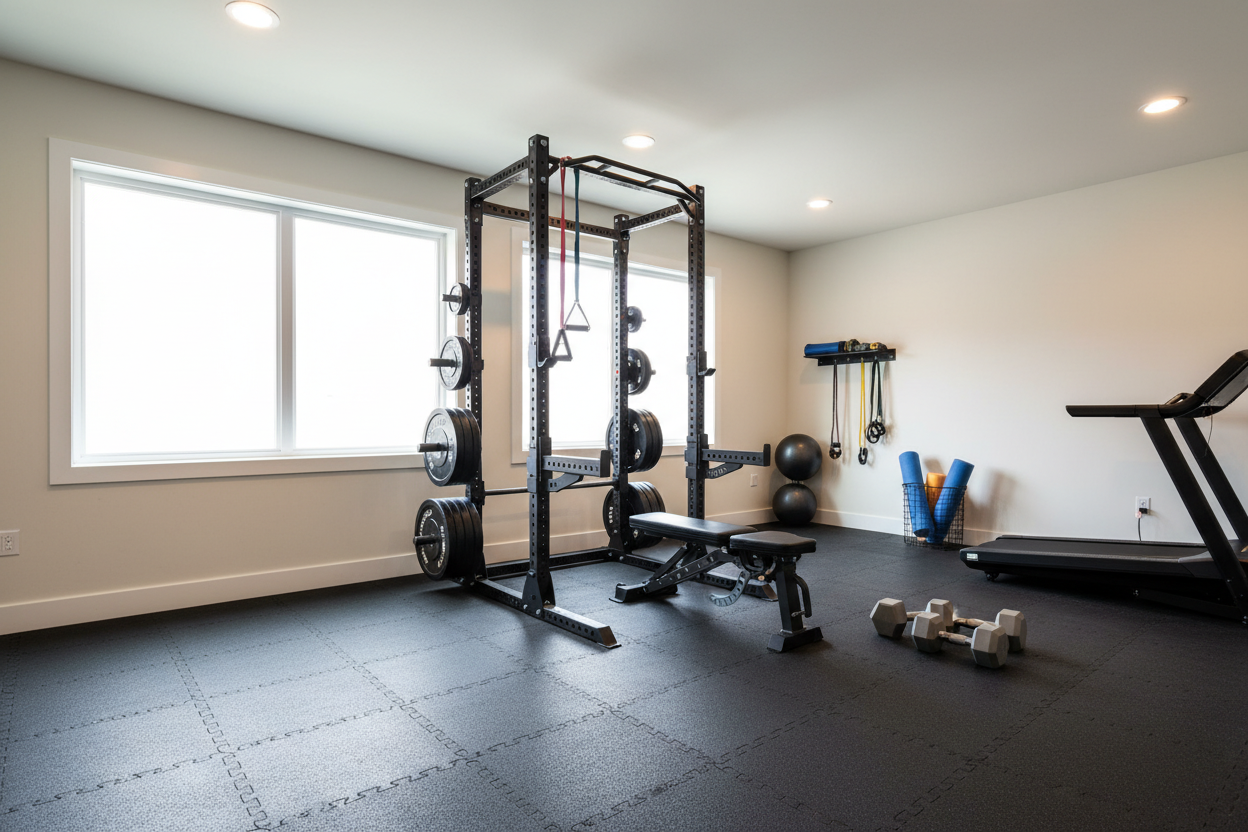
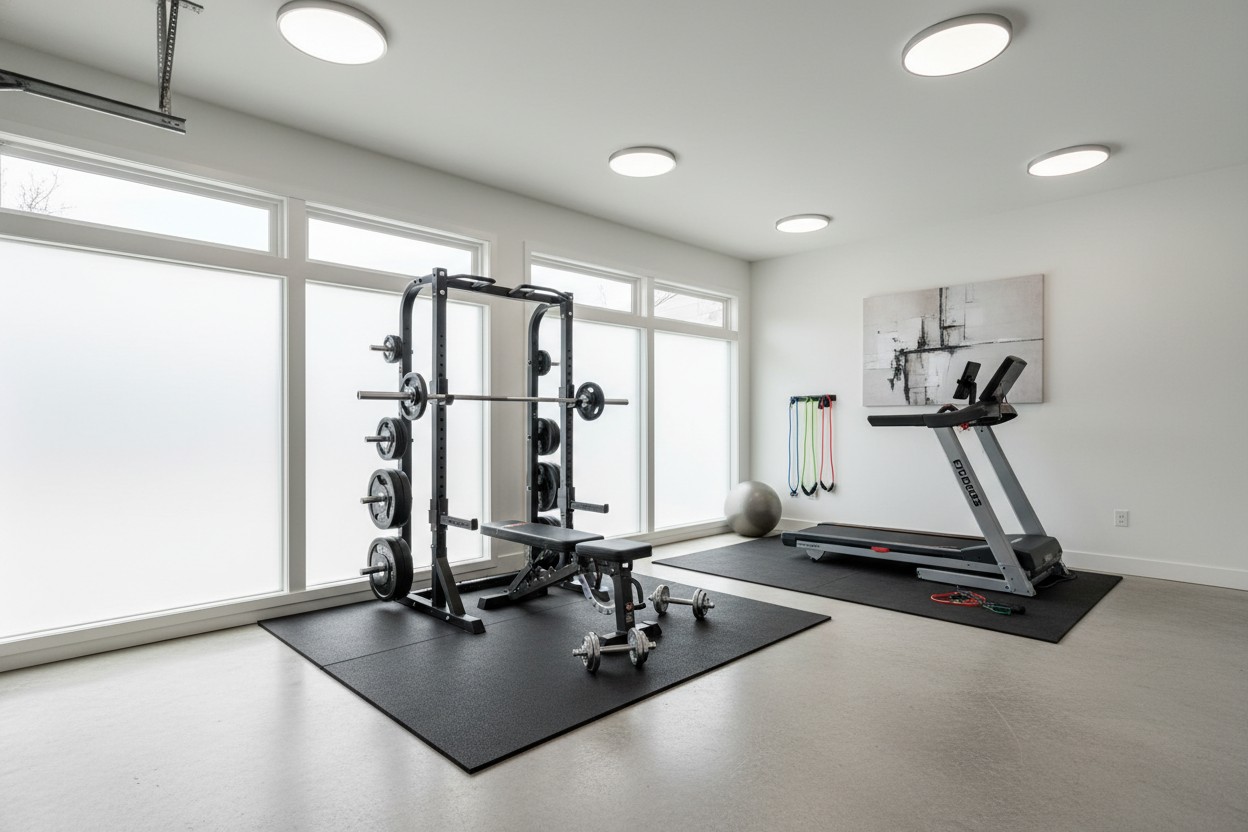
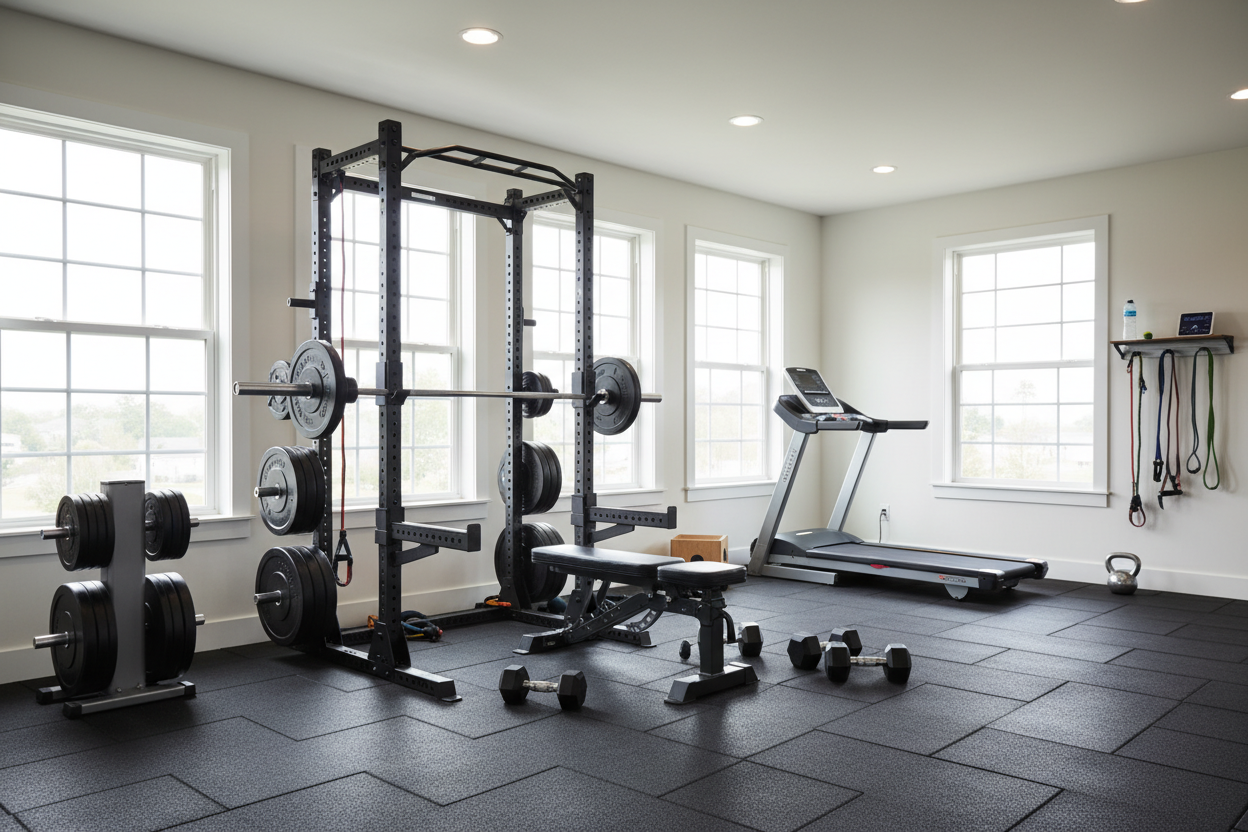
I’ve lifted in high-end commercial gyms and literal dungeons. The one thing that kills a heavy set faster than bad form is a bad floor. If you're training in a garage or spare room, slipping during a max-effort squat isn't just annoying—it’s dangerous. You need to be able to 'root' your feet into the ground to create torque.
This is why I always tell people that a large exercise mat for home gym is a foundational piece of gear. You need a high-traction surface that won't slide around when you're trying to drive your traps into the bench or spread the floor during a sumo deadlift. Concrete is for cars; high-density rubber is for PRs.
Using Machines to Fix Your Weak Points
Purists will tell you that machines are for bodybuilders. Those purists usually have nagging injuries. As you progress, powerlifting routines for beginners should incorporate accessory volume that doesn't fry your nervous system. Barbell lifts are taxing; machine lifts are surgical.
If your quads are the weak link in your squat, hitting a leg press or hack squat allows you to hammer those muscles without the systemic fatigue of another barbell session. Integrating a machine only workout program for beginners for your accessory work is a pro move. It lets you build the necessary muscle mass to support your heavy lifts while keeping your spine fresh for the next heavy session.
How to Structure Your First 12 Weeks on the Bar
To build the best beginner powerlifting program, you need to blend the 5x5's strength gains with sustainability. Start your first four weeks focusing entirely on form with a powerlifting routine beginner phase. Don't even worry about the weight; worry about the bar path. Use a 3x5 or 5x5 rep scheme, but keep two reps in the tank.
In weeks five through eight, start pushing the weight. This is where the linear progression kicks in. In the final four weeks, start tapering the barbell volume and introducing more machine-based hypertrophy work. This 12-week arc ensures you build a base of strength without hitting a wall of fatigue that leaves you sidelined with a tweaked back.
My Personal Experience: The Ego Trap
Years ago, I was obsessed with hitting a 405-lb squat. I ran a standard 5x5 and refused to take a deload week. I ignored the clicking in my hip and the fact that my garage floor was uneven. One Tuesday, my foot slipped about an inch on the smooth concrete during a heavy set. I didn't drop the bar, but I strained my QL so badly I couldn't tie my shoes for a week. That’s when I learned that gear and recovery aren't optional—they are part of the program.
Frequently Asked Questions
How long should a beginner stay on a 5x5 program?
Most lifters can milk a 5x5 for 3 to 6 months. Once you fail to add weight for three consecutive sessions, it's time to move to an intermediate program with more varied intensity.
Can I add cardio to a powerlifting routine?
Yes, but keep it low-impact. Walking or light cycling is fine. Avoid high-intensity sprints on the same days you squat, as it will eat into your recovery capacity.
What if I don't have a power rack?
If you're training at home without a rack, you cannot safely perform heavy squats or bench presses to failure. Invest in a rack or find a gym that has one before starting any serious powerlifting program.