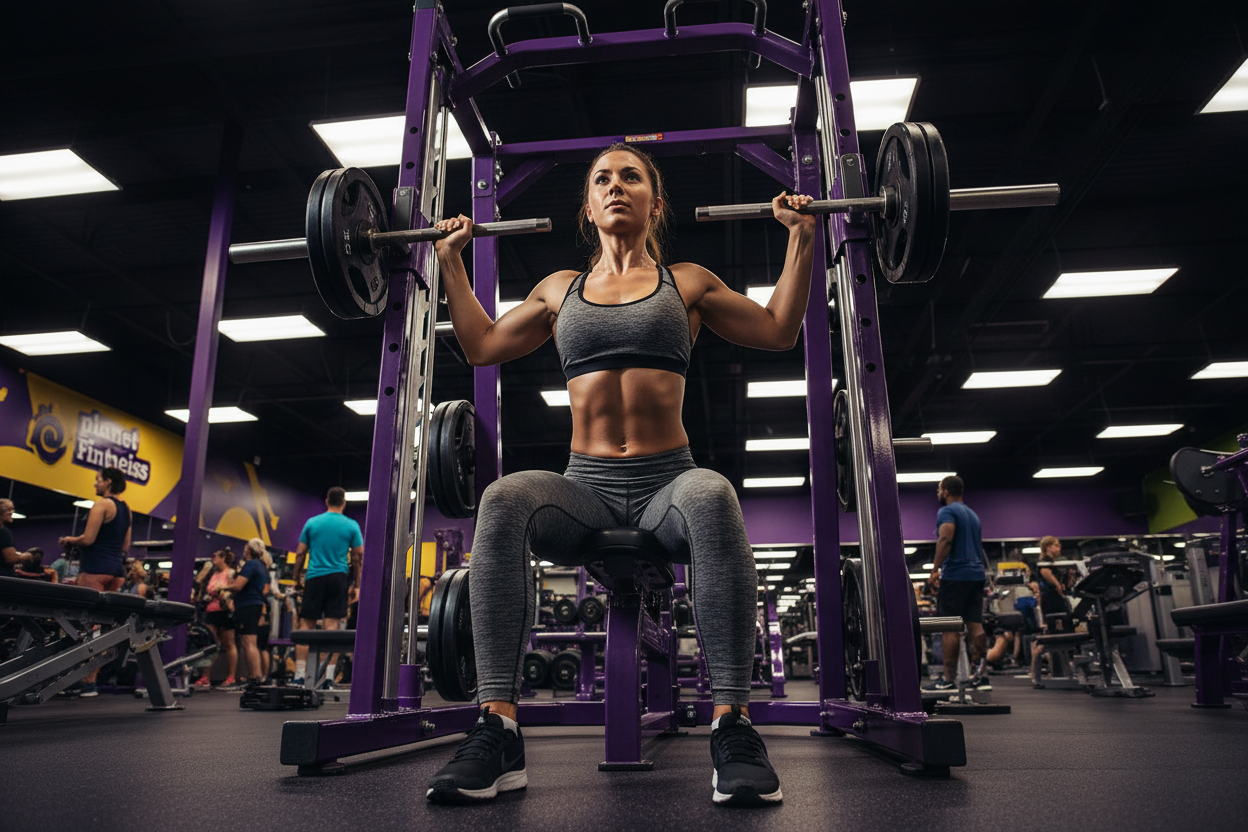
Leg Workout for Powerlifting: The Blueprint for Raw Strength
Most gym-goers think a leg day is successful if they can't walk down the stairs afterward. But in our sport, crippling soreness isn't the goal; moving maximum weight is. A proper leg workout for powerlifting requires a shift in mindset from destroying muscle tissue to training the nervous system and refining mechanics.
If you treat your squat sessions like a bodybuilding pump day, you will stall. You might get bigger, but you won't get stronger. Let's look at how to structure your training to build a total that actually commands respect on the platform.
Key Takeaways
- Specificity is King: The competition squat and deadlift must be the foundation of your routine.
- Accessory Selection: Choose powerlifting exercises for legs that target specific weak points (e.g., weak lockout or hole collapse), not just general fatigue.
- Volume Management: Powerlifters need lower rep ranges (1-5) for main lifts, saving higher reps (8-12) for accessories.
- Frequency: Squatting twice a week usually yields better strength gains than a single "annihilation" day.
The Philosophy of Powerlifting Legs
Bodybuilders want separation and definition. We want density and drive. Power lifter legs look different because they are built for function. The size is a byproduct of the strength, not the primary objective.
Your training must prioritize "Specificity." This means your legs need to get good at exerting maximal force against a barbell, specifically in the squat and deadlift patterns. Leg extensions have their place, but they won't teach your nervous system how to brace under 500 pounds.
Structuring the Main Lifts
Your powerlifting leg workout starts the moment you step into the rack. Everything revolves around the Competition Squat.
The Competition Squat
This is your primary metric of progress. For powerlifting, you must hit depth (hip crease below the top of the knee). Training high creates a false sense of strength that will get you red-lighted in a meet.
Focus on the low-bar position if your shoulder mobility allows it. It engages more of the posterior chain (glutes and hamstrings), allowing you to move more weight than a high-bar stance.
The Deadlift Variation
While often considered a back exercise, the deadlift is a massive leg developer. Depending on your program, you might perform a variation (like a Deficit Deadlift or Pause Deadlift) on your primary leg day to build starting strength without frying your CNS completely.
Choosing the Right Accessories
Once the heavy work is done, we move to powerlifting leg exercises designed to fix specific mechanical breakdowns. This is where you build the muscle that supports the joint.
For Weak Quads (The "Good Morning" Squat Fix)
If your hips shoot up first coming out of the hole, your quads are the weak link. You need to force them to work.
- Safety Bar Squats: The camber of the bar forces you upright, torching the quads and upper back.
- Belt Squats: These remove spinal loading, allowing you to add volume to the legs without straining your lower back.
For Weak Hamstrings and Glutes
If you fail halfway up or can't lock out, you need posterior chain work.
- Romanian Deadlifts (RDLs): The king of hamstring hypertrophy for strength athletes.
- Glute Ham Raises (GHR): Excellent for knee flexion strength, which aids in stability.
Programming Your Powerlifting Leg Day
Don't just go into the gym and "wing it." A powerlifting leg day needs calculated intensity.
The Heavy Day:
- Competition Squat: 3-5 sets of 3-5 reps @ 75-85% 1RM.
- Pause Squats: 3 sets of 4 reps (focus on explosion).
- Accessories: 2-3 movements for 3 sets of 10.
The Volume/Dynamic Day:
- Speed Squats: 8 sets of 2 reps @ 50-60% (focus on bar speed).
- Unilateral Work: Split squats or lunges to fix imbalances.
My Personal Experience with leg workout for powerlifting
I remember prepping for my second regional meet. I was obsessed with the "more is better" mentality. I was hammering leg presses and extensions until I couldn't walk, thinking that soreness equaled gains. But my squat was stuck at 405 lbs for months.
The turning point wasn't a new supplement; it was the Belt Squat machine. I started using it after my main heavy sets. I distinctly remember the feeling of the belt digging into my hips—that specific, uncomfortable pinch on the hip flexors that leaves a bruise the next day. It wasn't pleasant, and the pump was so painful in my vastus medialis (the teardrop muscle) that I had to sit on the platform for five minutes before I could strip the weights.
But that specific isolation, without the spinal fatigue of a barbell, changed everything. The next time I went for a PR, I didn't get that terrifying "forward fold" sensation. My quads actually held the position. I hit 425 lbs that cycle. It taught me that in powerlifting, you don't train legs to look pretty in shorts; you train them to handle the mechanical torque of a max-effort grind.
Conclusion
Building a massive squat requires patience and precision. Stop chasing the pump and start chasing the progression. Focus on your competition lifts, identify where your form breaks down, and use your accessories to patch those holes. That is how you build a total.
Frequently Asked Questions
How often should powerlifters train legs?
Most powerlifters benefit from squatting 2 times per week. One session is typically heavy intensity (high weight, low reps), and the second is volume or technique focused. This frequency reinforces the motor pattern without exceeding recovery capacity.
Can I do cardio with a powerlifting leg routine?
Yes, but keep it low impact. High-impact cardio like sprinting on concrete can hamper recovery for your squats. Sled drags or the incline treadmill are superior choices because they increase blood flow to the legs without the eccentric pounding.
Should I train to failure on leg accessories?
Generally, no. In powerlifting exercises for legs, you should leave 1-2 reps in the tank (RPE 8 or 9). Taking every accessory set to absolute failure creates systemic fatigue that will negatively impact your next heavy squat session.