Is That 'Killer Leg Workout for Females' Wrecking Your Knees?
I spent last Tuesday scrolling through social media reels and honestly, my knees started aching just watching. Every killer leg workout for females I saw involved enough jumping to launch a SpaceX rocket. It is the same old story: if you are not gasping for air and drenched in sweat, the algorithm tells you it is not working. But after years of testing racks and loading plates, I have learned that 'exhaustion' is a terrible metric for 'growth.'
Quick Takeaways
- Sweat is a cooling mechanism, not a sign of muscle hypertrophy.
- High-impact plyometrics often prioritize systemic fatigue over targeted muscle tension.
- Joint pain is usually a sign of poor programming or inadequate flooring, not 'getting old.'
- Progressive overload—adding weight or reps over time—is the only way to see real change.
Why We Confuse 'Exhausting' With 'Effective'
There is a psychological trap in modern fitness culture. We have been conditioned to believe a killer lower body workout has to be a near-death experience. If you are not crawling out of your home gym, did you even train? This 'more is more' mentality leads women to chase high-intensity intervals that do more to spike cortisol than they do to build a backside.
When you are gasping for air, your form is the first thing to go. You start rounding your back on deadlifts or caving your knees on squats just to keep the heart rate up. That is not training; that is just surviving. Real strength training requires focus and recovery between sets, not a non-stop suffer-fest.
The Plyometric Trap: Why Jump Squats Aren't Building Your Glutes
Jump squats and burpees have their place in an athletic program, but they are often the centerpiece of a killer leg workout female routines for the wrong reasons. They are easy to film and they make you feel 'productive' because they are hard. However, jumping doesn't provide the mechanical tension needed for muscle growth like a heavy barbell or dumbbell does.
Doing 100 jump lunges is essentially a HIIT cardio total body sculpt. It is great for your heart, but it is brutal on your patellar tendons. If your goal is to actually shape your legs, you need to stop bouncing and start loading. Your muscles respond to the weight they have to move, not how high you can hop while holding a 5-lb pink dumbbell.
The Anatomy of a Joint-Friendly Lower Body Protocol
A sustainable killer leg workout female lifters can actually recover from focuses on the eccentric—the lowering phase of the lift. Instead of jumping, try a 3-second descent on a goblet squat. Instead of 'pulse' reps that skip the hardest part of the movement, go for a full range of motion on a Bulgarian split squat. This builds the connective tissue strength that protects your knees.
If you want a workout that actually sculpts glutes, you have to prioritize the big movers: Romanian deadlifts, hip thrusts, and step-ups. These movements allow you to use enough weight to actually challenge the muscle fibers. You can find more of these structured, low-impact routines in our comprehensive Workout Hub, where we prioritize lifting over leaping.
Stop Blaming Your Age, Start Blaming Your Floor
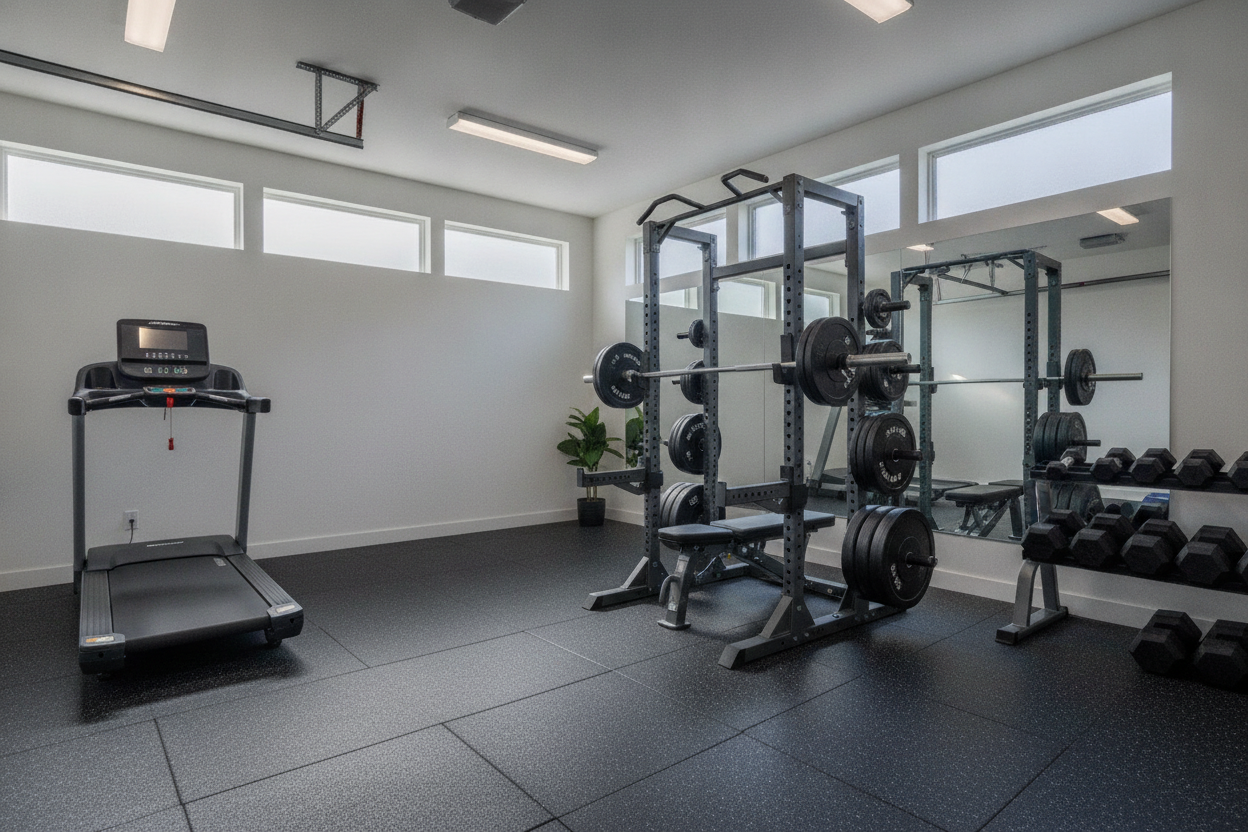
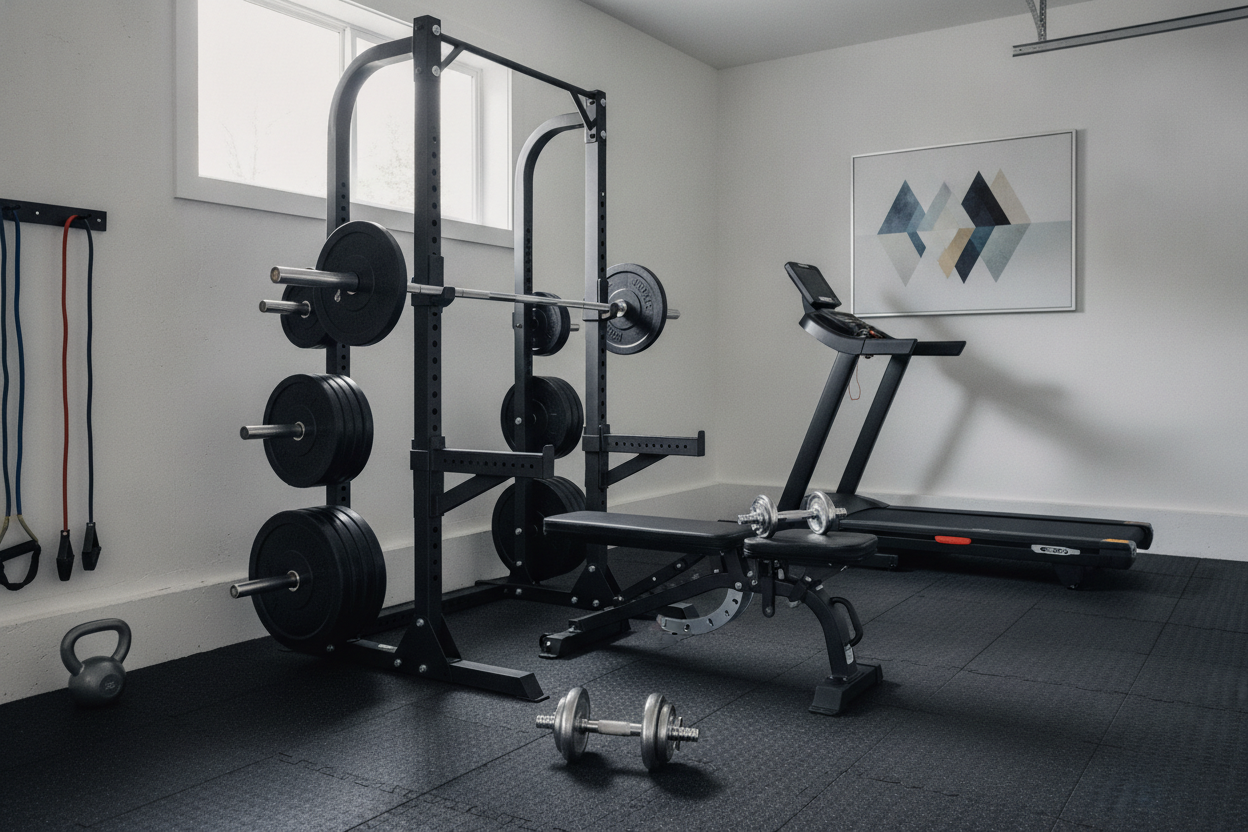
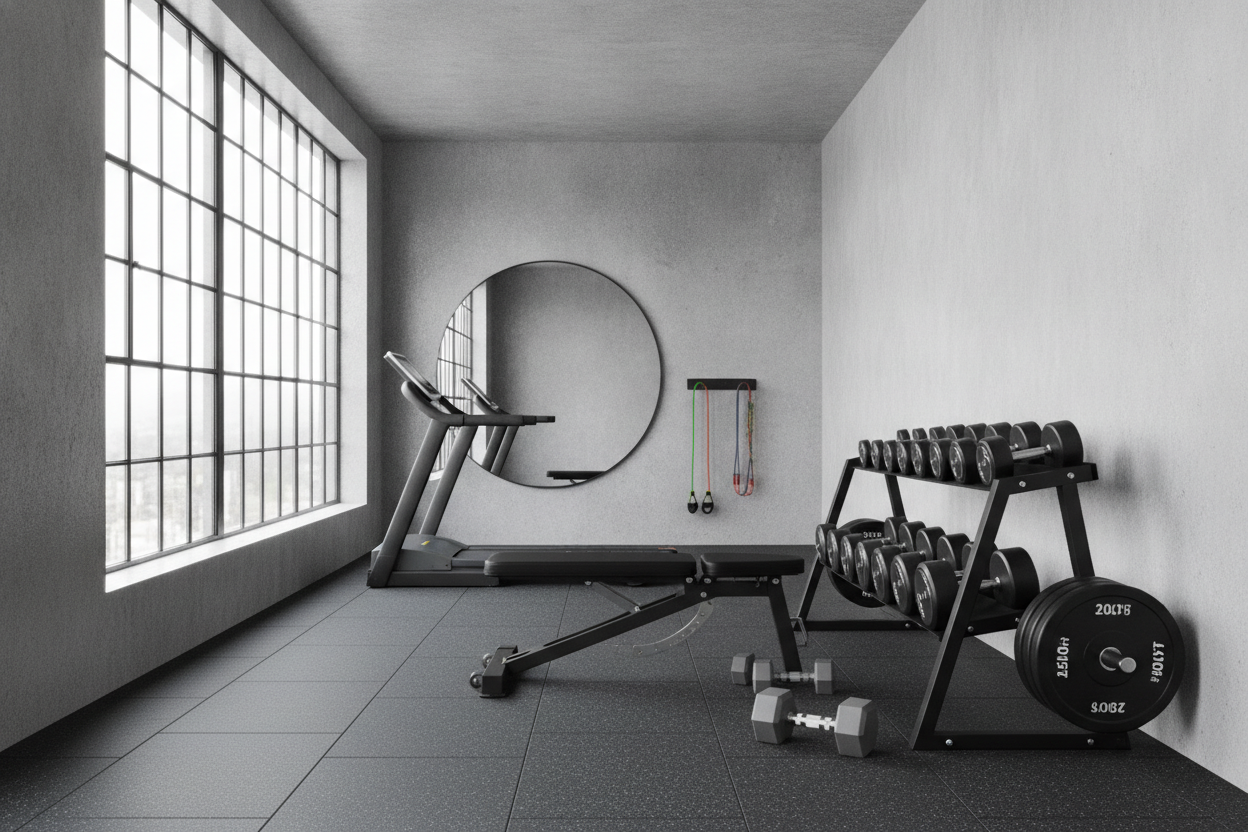
I see it all the time in home gym setups: someone trying to execute a killer leg workout for women on bare garage concrete or those cheap, 1/2-inch foam puzzle mats. Those mats are fine for a playroom, but they bottom out the second you add a 35-lb kettlebell or try to land a lunge. That shock goes straight into your ankles, knees, and hips.
If you are serious about training at home, you need thick gym flooring for home workouts. A dense, 7mm or 8mm rubber mat acts as a shock absorber for your body. It is the difference between your joints feeling 'crunchy' the next morning and feeling ready for another session. Don't let bad equipment disguise itself as a 'bad knee' problem.
How to Actually Measure Your Leg Day Progress
Success in a killer leg workout women-focused program isn't measured by how many calories your watch says you burned. It is measured by the logbook. Did you use 5 lbs more than last week? Did you perform 10 reps with the same weight you could only do for 8 last month? That is progressive overload.
Stop chasing the 'burn' and start chasing the weight. When you focus on getting stronger in the 8-12 rep range, the 'killer' results you have been looking for—the muscle definition and the metabolic boost—happen as a side effect of being capable, not just being tired.
My Personal Experience
I learned this the hard way. About three years ago, I fell into the trap of doing 'metabolic finishers' after every leg day. I was doing 50 box jumps at the end of heavy squat sessions. Within a month, I couldn't even sit in a chair without my right knee throbbing. I had to take six weeks off just to let the inflammation die down. I swapped the jumps for slow, heavy sled pushes and my knees have never felt better. More intensity isn't always better; better intensity is better.
FAQ
Is it okay to do legs every day?
No. Your muscles grow while you rest, not while you work. Stick to 2-3 heavy lower body sessions a week to allow for tissue repair.
Why do my knees hurt when I lunge?
It is often a combination of 'quad dominance' (not using your glutes) and poor footwear or flooring. Try leaning your torso slightly forward to engage the hips more.
Can I build legs without a squat rack?
Absolutely. Heavy lunges, Bulgarian split squats, and Romanian deadlifts with dumbbells or kettlebells are incredibly effective for building lower body strength.