Is That Bar 45 Pounds? Here’s How to Know Exactly What You’re Lifting
Walking into a new gym can feel like stepping onto a different planet. The plates look different, the lighting is strange, and the barbells often lack clear markings. You load up your usual warm-up weight, unrack it, and suddenly it feels significantly heavier—or suspiciously lighter—than what you lift at your home gym. This inconsistency usually boils down to one variable: the bar itself. While the fitness industry has standards, not every piece of metal in the weight room adheres to them. If you want to track your progress accurately, understanding how to identify the equipment is non-negotiable.
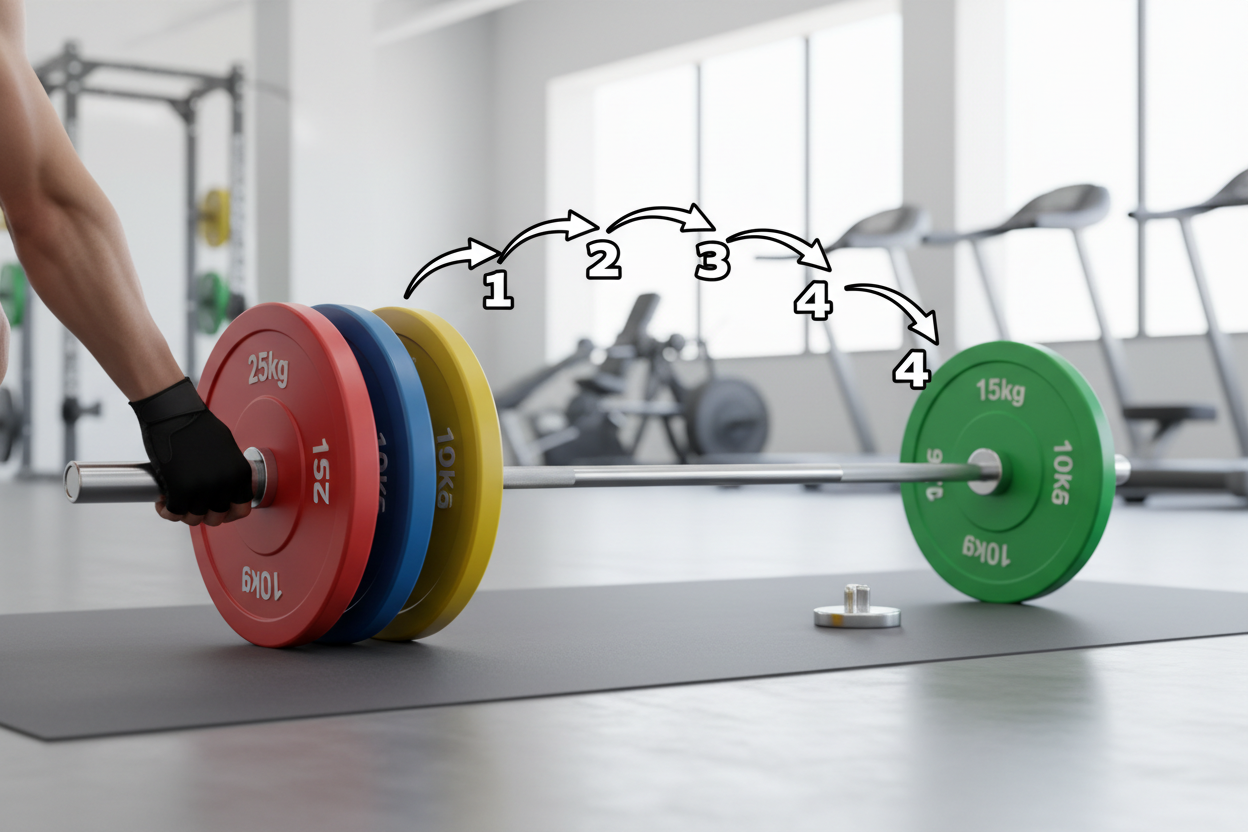
To answer the most pressing question immediately: a standard Olympic barbell found in most commercial gyms weighs 20 kilograms, which translates to roughly 44.1 pounds (usually rounded up to 45 lbs). This is the gold standard for men's bars. Women's Olympic bars typically weigh 15 kilograms (33 lbs) and are slightly thinner. However, assuming every bar follows this rule can mess up your programming. Variations in thickness, material, and purpose can swing the weight from as low as 25 pounds to upwards of 65 pounds.
Identifying the Standard Olympic Bar
If you are training in a commercial gym chain or a CrossFit box, 90% of the bars you encounter will be Olympic bars. These are roughly 7.2 feet long (2.2 meters) and feature rotating sleeves where you slide the weights on. The rotation is key; it prevents the rotational inertia of the plates from jerking your wrists during lifts like the snatch or the clean and jerk.
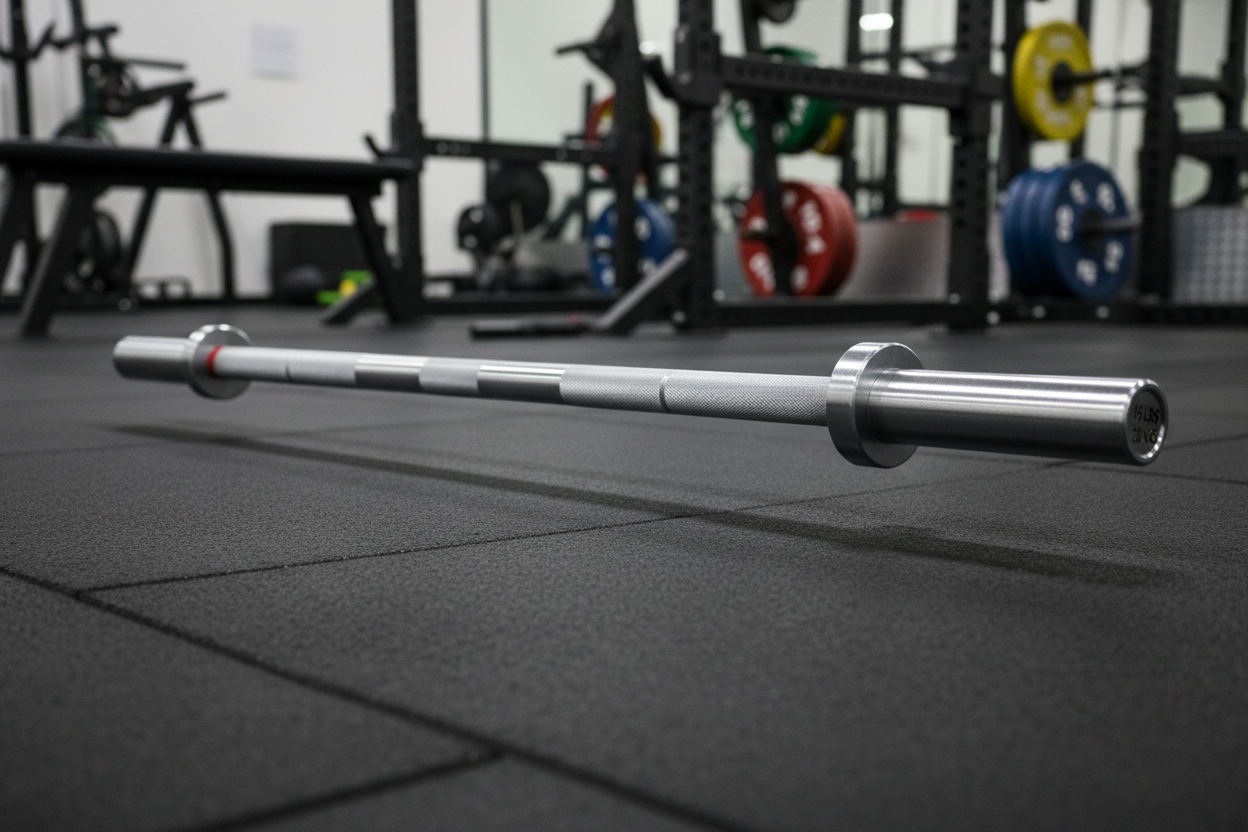
When trying to figure out how to tell how much a barbell weighs, look at the end cap. High-quality manufacturers like Rogue, Eleiko, or Ivanko usually place a sticker or cap on the end of the sleeve stating the weight. If that cap is missing or worn off, check the shaft diameter. A standard men's bar is usually 28mm to 29mm thick. If the bar feels slightly thinner in your hands—specifically 25mm—and is a bit shorter, you are likely holding a women's bar, which is 15kg (33-35 lbs).
Another telltale sign is the knurling (the rough, cross-hatch pattern on the bar). A standard 45lb bar usually has a center knurl or specific ring markings spaced for powerlifting or Olympic lifting standards. If the bar looks standard but feels incredibly light, it might be an aluminum technique bar, often used for teaching form to beginners. These can weigh as little as 15 pounds.
My Experience with the "Mystery Bar"
I learned the hard way that assuming weight is a recipe for disaster. A few years ago, I was traveling and dropped into a hotel gym that looked surprisingly well-equipped. I loaded up what I thought was 225 lbs for a bench press. As I lowered the bar, the stability felt off, and the weight moved with terrifying speed. It turned out the bar wasn't a solid steel Olympic bar but a cheap, hollow chrome bar meant for casual use. It probably weighed 25 pounds at most, but it had thick sleeves that mimicked the real thing. Not only did I mess up my workout percentages that day, but the lack of tensile strength in that hollow bar made it dangerous for heavier loads. Since then, I always do a quick "pick-up test" or look for end caps before loading heavy plates.
The Trap Bar and Specialty Bars
Confusion really sets in when you move away from the straight bar. The hexagonal trap bar (or hex bar) is fantastic for deadlifts, but there is zero standardization here. How to tell how much a bar weighs when it's shaped like a hexagon? You generally have to check the manufacturer specs or weigh it yourself.
A standard Gerard-style trap bar often weighs 45 lbs, just like a straight bar. However, many modern gyms use heavy-duty distinct variations that have raised handles and thicker frames. These often weigh 60 lbs or even 75 lbs. Conversely, cheaper, tubular trap bars found in home gyms might only be 30 lbs. If the frame looks exceptionally thick and rugged, assume it is heavier than 45 lbs until proven otherwise.
Safety Squat Bars (SSB) are another heavy hitter. These bars have a padded yoke that sits around your neck and handles that protrude forward. Because of the extra material and the camber (the bend in the bar), these are rarely 45 lbs. Most high-quality SSBs weigh between 60 and 65 pounds. If you are calculating your max, forgetting to account for that extra 15-20 pounds of steel can lead to a crushed ego or a failed lift.
The Deceptive Smith Machine
The Smith machine is the source of the most confusion regarding weight on barbell calculations. You might see a standard-looking bar attached to the rails, but you cannot count it as 45 lbs. The Smith machine operates on a pulley system with counterweights. These counterweights are designed to make the bar easier to move so that the user is only lifting the plates added.
In many machines, the bar effectively weighs anywhere from 15 to 25 pounds. Some older models without counterweights might have a bar that weighs 40 to 50 pounds due to the added friction and hook mechanisms. If there is no sticker on the machine indicating the starting resistance, do not assume it is 45 lbs. It is almost certainly lighter.
Standard vs. Olympic: The Diameter Difference
If you are working out in a basement gym or looking at used equipment, you might encounter "Standard" bars. In fitness terminology, "Standard" actually refers to the older style of equipment with 1-inch diameter sleeves, whereas "Olympic" sleeves are 2 inches (50mm). This is the easiest way regarding how to tell the weight of a barbell visually.
If the hole in the center of your weight plates is only an inch wide (about the size of a quarter), you are using a Standard bar. These are almost never 45 pounds. A 5-foot standard bar usually weighs around 12-15 lbs, and a 6-foot bar might weigh 18-20 lbs. They are much lighter and have a lower weight capacity than Olympic bars. If you are trying to figure out how to tell how heavy a barbell is and the ends are skinny, you are likely dealing with sub-20lb equipment.
Color Coding and End Caps
In competitive lifting environments, color coding helps solve the mystery. If you see a colored band or cap on the end of the bar, it often corresponds to international weight standards:
- Blue: 20kg (44.1 lbs) – Men's Standard
- Yellow: 15kg (33 lbs) – Women's Standard
- Red: 25kg (55 lbs) – Usually heavy powerlifting bars (squat bars)
This system isn't universal for generic gym brands, but for equipment from major suppliers, it is a reliable metric for how to tell barbell weight quickly.
The Bathroom Scale Method
Sometimes, visual cues fail. The bar is rusty, the sticker is gone, and you don't have a reference point. The most accurate method for how to tell weight of barbell equipment is the bathroom scale method. It is crude but effective.
Step on a digital scale and note your body weight. Step off, pick up the bar (hold it vertically if space is tight), and step back on the scale. Subtract your original weight from the total. This removes all guesswork. If you are training at a gym where you can't drag a scale onto the floor, ask the staff. They likely purchased the equipment and have the spec sheet filed away. Knowing the exact numbers ensures your progressive overload is real, not just a mathematical error.
Frequently Asked Questions
Does the weight of the collars count toward the total weight?
Yes, if you want to be precise. Standard spring collars usually weigh about 0.5 lbs per pair, which is negligible for most people. However, heavy competition collars can weigh 2.5 kg (5.5 lbs) per pair. In a competitive setting or when hitting a PR, you should absolutely count the collar weight.
How much does an EZ Curl bar weigh?
There is no strict standard for EZ curl bars, but they are generally lighter than straight bars. A standard Olympic EZ curl bar typically weighs between 18 and 25 pounds. Because they are shorter than full-length bars, they rarely hit the 45lb mark.
Why are some barbells thicker than others?
Thickness usually correlates to the bar's purpose. A 28mm bar is standard for Olympic lifting to allow for a better hook grip, while a 29mm bar is stiffer and better for powerlifting (squats and bench). Thicker bars, often called "fat bars" or axles, can be 2 inches thick throughout and are designed specifically to challenge your grip strength.