Ultimate Chest Combination Workout for Strength and Definition
Building a strong, defined chest requires more than simply repeating the same exercise over and over. A chest combination workout blends different movement patterns, rep ranges, and equipment to stimulate the muscles from multiple angles. This approach not only improves muscle size and shape but also helps with strength, endurance, and stability.
Why Combination Workouts Work for the Chest
The chest is made up primarily of the pectoralis major and minor, and each responds differently depending on the angle and type of resistance applied. By incorporating pressing, fly, and bodyweight movements in a single routine, you recruit more fibers and encourage balanced growth. This variety ensures that both the upper, middle, and lower portions of the chest get adequate attention.
Core Components of a Chest Combo Workout
A chest combination workout typically includes a mix of compound and isolation exercises, as well as varied equipment like barbells, dumbbells, cables, and your own bodyweight. Below is a sample structure you can follow:
1. Barbell Bench Press
This classic powerhouse exercise builds foundational strength and targets the central chest muscles. Use a moderate to heavy load with proper form—feet planted, back slightly arched, and elbows not flaring too far out.
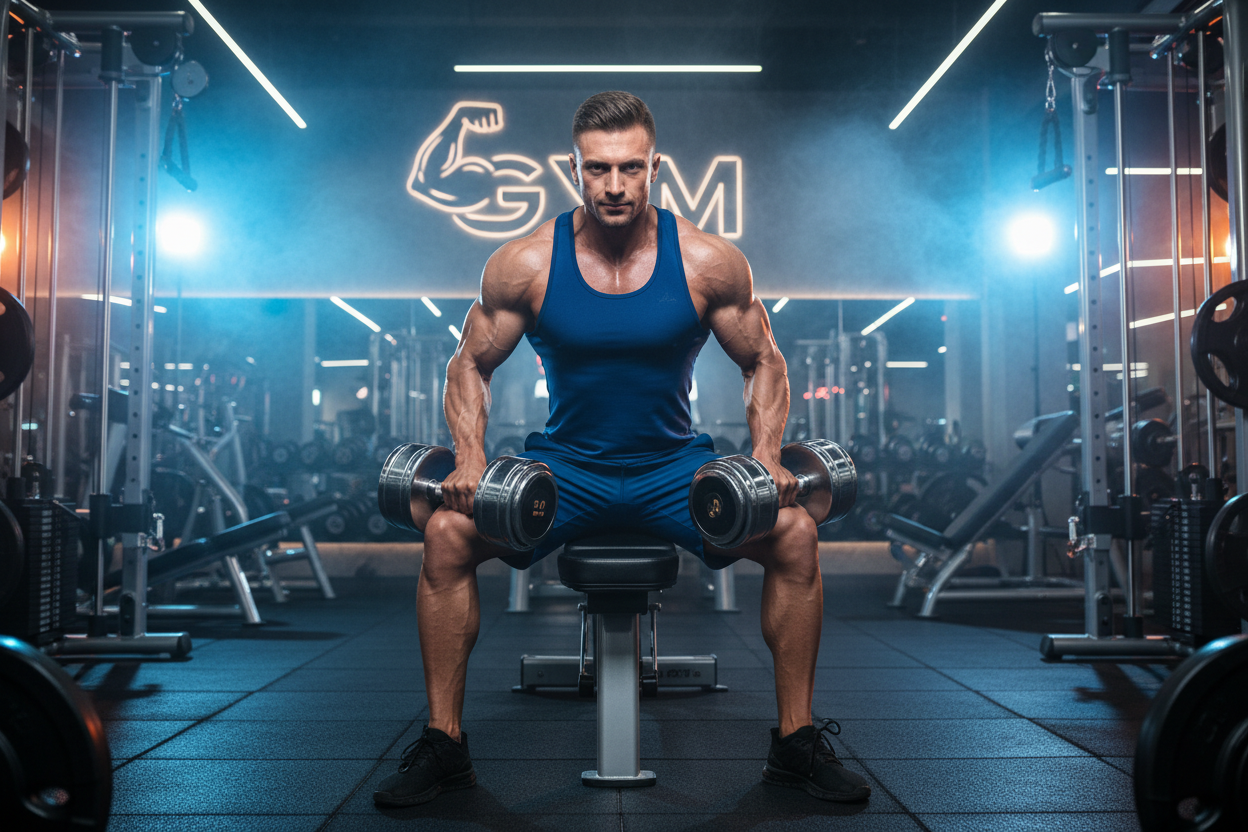
2. Incline Dumbbell Press
Adjusting the bench to a 30–45 degree incline shifts the emphasis to the upper chest. Dumbbells allow a greater range of motion, helping stretch and contract the muscle fully.
3. Cable Fly
Cables provide constant tension through the entire range of motion, making them ideal for sculpting. Keep a slight bend in your elbows and feel the stretch at the start of each rep.
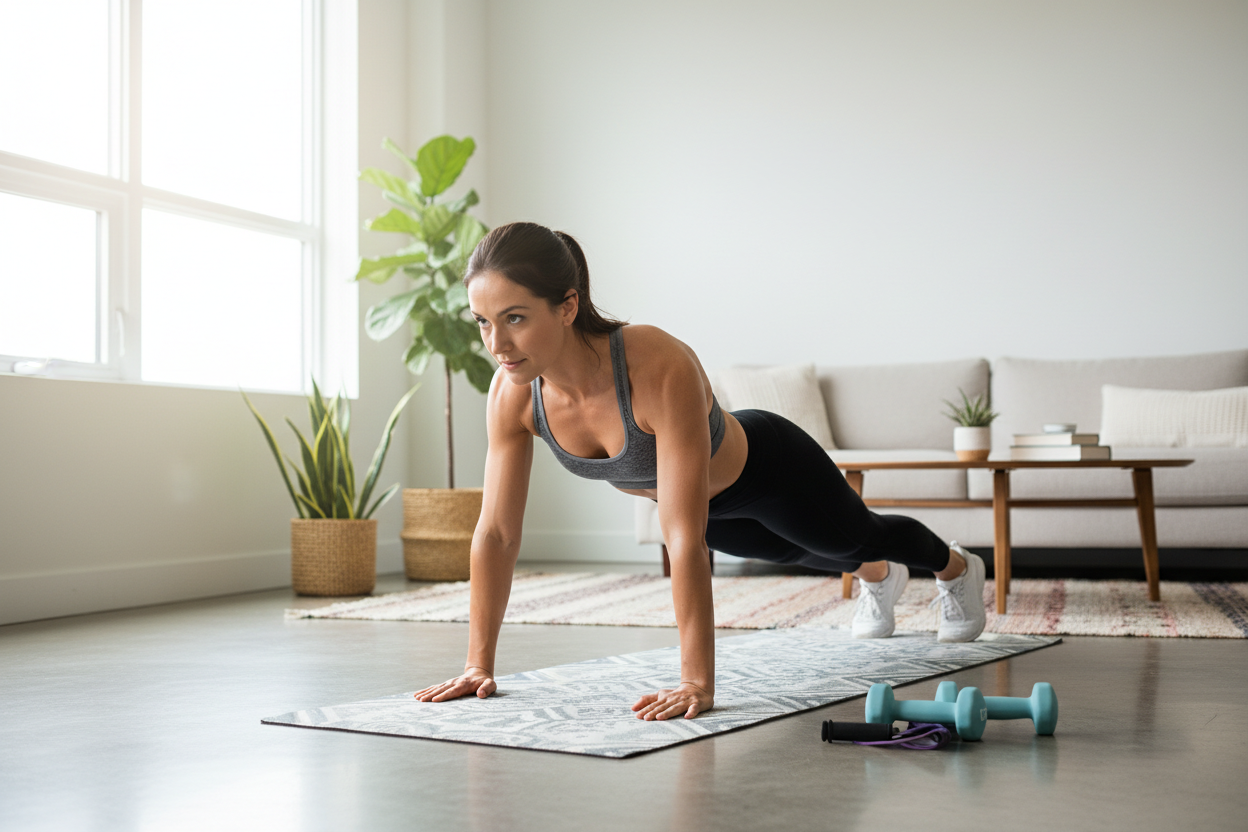
4. Push-Ups
This bodyweight staple builds endurance while enhancing muscle activation. Vary your hand position—wide, narrow, or staggered—to change the emphasis on different chest areas.
5. Dips (Chest Focus)
Leaning slightly forward while performing dips shifts more load to the chest instead of the triceps. This movement also engages the lower pecs for fuller development.
Structuring Your Training
For optimal results, pick 4–5 exercises from the list above and arrange them into a circuit or superset format. Limit rest between moves to 60–90 seconds to maintain intensity. You can perform 3–4 sets of each exercise with a rep range from 8–12 for hypertrophy. Mixing in a few higher-rep burnout sets can help push past plateaus.
Tips for Success
- Warm up thoroughly before lifting, especially shoulders and elbows.
- Focus on controlled movement and proper breathing rather than rushing reps.
- Gradually increase resistance over time to ensure progressive overload.
My Personal Experience with Chest Combination Workouts
When I first started training, my chest progress stalled after months of only doing bench presses. Once I introduced a combination workout—adding incline presses, cable flies, and bodyweight moves—my strength and shape improved noticeably within a few months. The variety challenged my muscles differently, made sessions more enjoyable, and kept me motivated.
Recovery and Nutrition
Chest muscles need time to recover and grow. Schedule chest-focused sessions 2 times a week with at least 48 hours between them. Prioritize protein intake and adequate sleep to support muscle repair.
Final Thoughts
A chest combo workout is more than a string of random exercises—it is a strategic way to train for balanced growth, improve endurance, and keep you engaged in your fitness journey. Whether you are a beginner or advanced lifter, combining different angles, loads, and levels of resistance can help you sculpt a stronger, more defined chest over time.