Is Strength Training Over 40 Supposed to Hurt This Much?
I woke up Tuesday morning and my elbows felt like they had been worked over with a ball-peen hammer. I didn’t even go heavy on my session the day before—just some standard volume work. This is the reality of strength training over 40: your enthusiasm stays at 25, but your connective tissue starts acting like a cranky landlord. If you are feeling more 'snap, crackle, pop' than 'pump,' it is time to stop training like you are still trying to impress a high school scout.
Quick Takeaways
- Prioritize mechanical tension over moving the heaviest possible object from A to B.
- Stability is your new best friend; wobbly equipment is a recipe for a torn rotator cuff.
- Recovery now takes 48-72 hours, not 12. Adjust your split accordingly.
- Machines are not 'cheating'—they are tools to hit muscle failure without frying your nervous system.
The Morning After: Why Everything Suddenly Aches
In my 20s, I could survive on four hours of sleep and a pre-workout drink that was probably 90% caffeine. Now, if I sleep on my shoulder wrong, I can’t overhead press for a week. Strength training in your 40s requires a hard pivot from 'how much can I lift' to 'how well can I stimulate the muscle.' The inflammation you feel isn't just muscle soreness; it is often your tendons screaming because you are still trying to redline your central nervous system every single session.
You have to accept that your recovery capacity has a ceiling. When you were younger, you could bounce back from a grueling leg day in 24 hours. Now, that same session might leave your lower back feeling like a stack of dry kindling. Success in over 40 weight training is about consistency over intensity. If a workout leaves you so wrecked you can't train for four days, you didn't win—you just stalled your progress.
Drop the Ego, Keep the Muscle
The fastest way to the orthopedic surgeon is trying to hit a one-rep max on the bench press every Monday. I stopped chasing 1RMs years ago. Instead, I focus on slow eccentrics and paused reps. You get the same hypertrophy benefits with about 30% less weight on the bar, which means 30% less stress on your aging joints. It’s about making 100 pounds feel like 200 pounds through better technique.
I’ve also started relying heavily on strength training accessories to bridge the gap. Using things like wrist wraps or thick grips can take the strain off your smaller joints, allowing the target muscle to actually do the work. If your elbows are constantly flaring up after curls or rows, stop being a martyr and use the tools available to change the resistance profile. Your tendons will thank you, and you’ll actually be able to finish your set without that sharp, stabbing pain.
Machines vs. Free Weights: The Middle-Aged Compromise
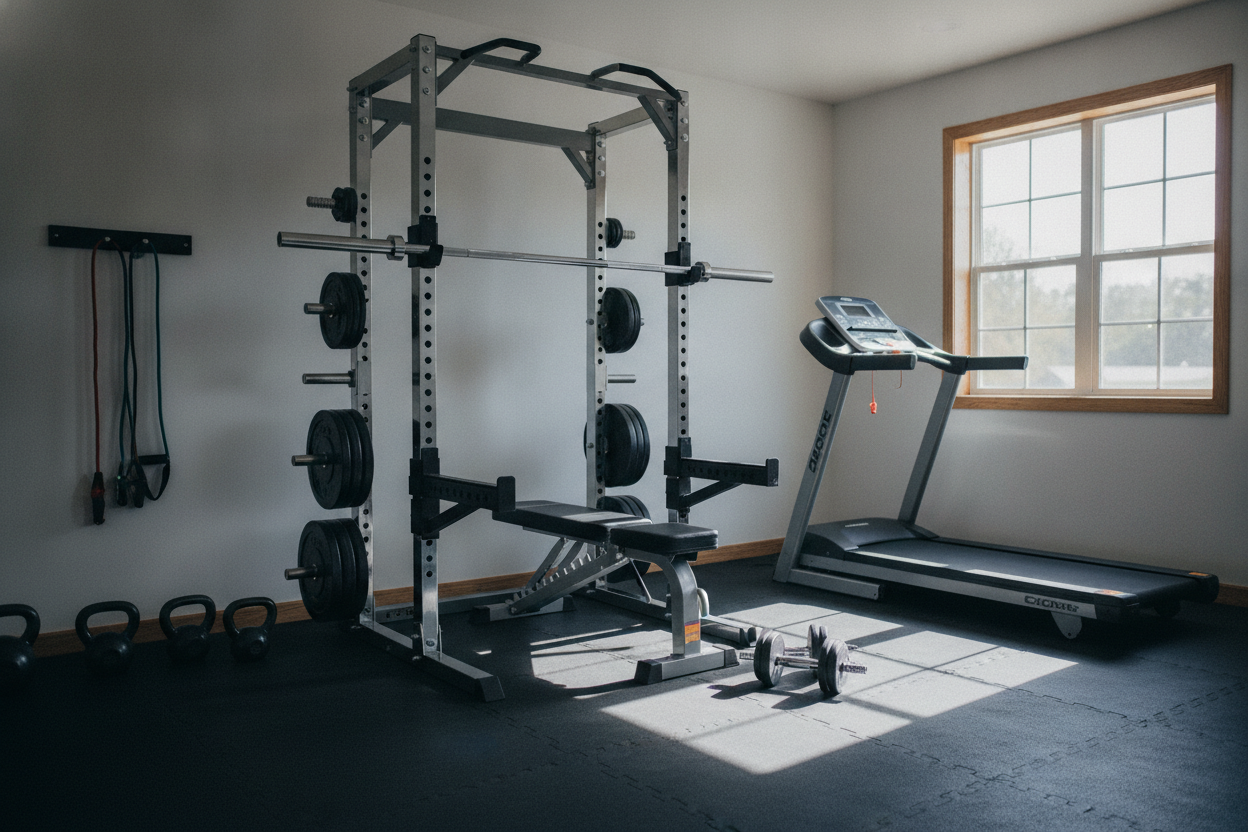
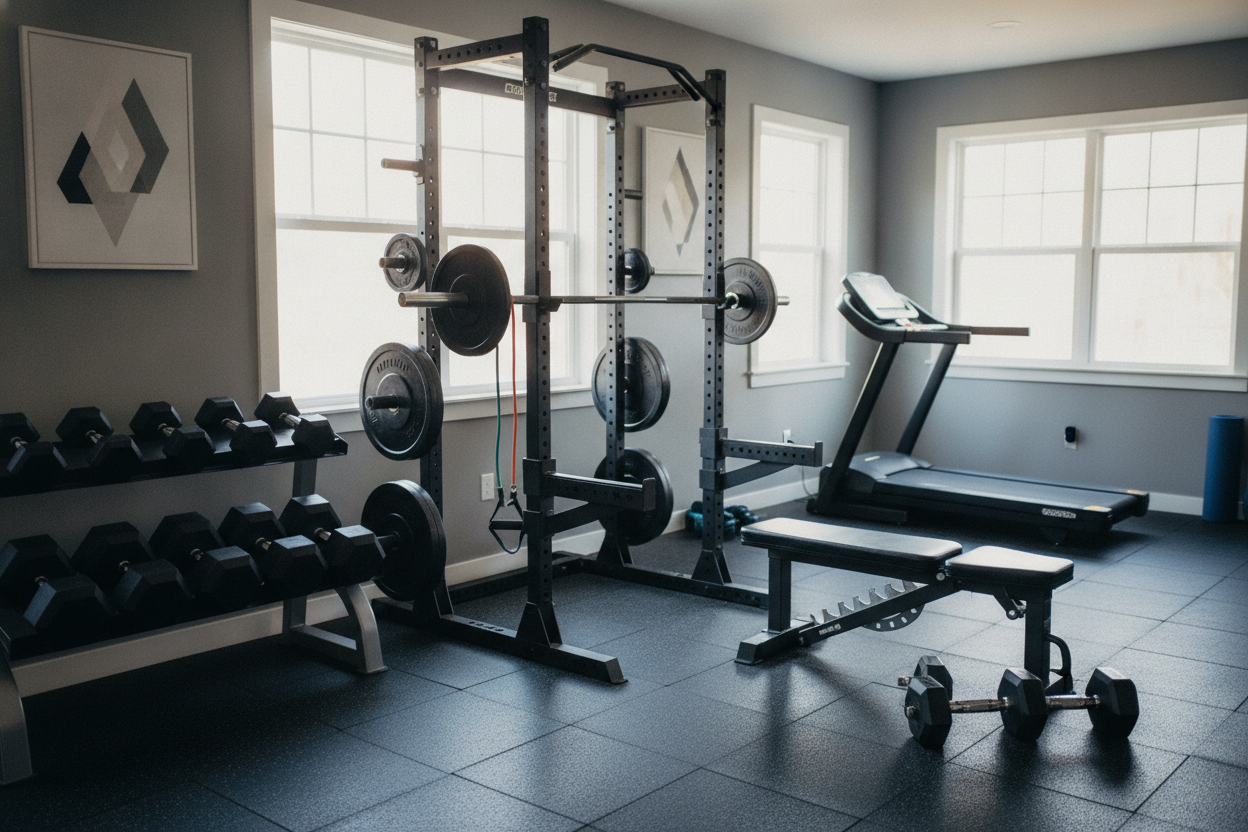
There is a weird stigma in the home gym community that if you aren't using a barbell for everything, you aren't 'hardcore.' That is nonsense. I love my power rack, but as I’ve gotten older, I’ve realized that weight lifting machines are essential for safe volume. When my lower back is fried from a long week of work, trying to stabilize a heavy barbell for rows is just asking for a disc issue. A chest-supported row machine lets me hammer my lats without my spinal erectors giving out first.
Before you go out and buy the first shiny rack you see, spend some time choosing the best strength and weight training equipment for your goals. If your goal is longevity and joint health, you might find that a high-quality functional trainer or a leg press is a better investment than a specialized powerlifting bar. I spent years thinking I needed a competition-spec setup, only to realize my body responded much better to controlled, isolated movements that didn't require me to brace for dear life every set.
Your Foundation Dictates Your Longevity
Stability is the most underrated aspect of training as you age. When you are 22, you can press off a rickety wooden bench and your body will compensate for the wobble. At 45, that micro-instability is what causes a shoulder impingement. I learned this the hard way when I tried to save $50 on a budget bench that had a 2-inch gap in the hinge. Every time I pressed, the bench shifted slightly to the left. After a month, my left AC joint was on fire.
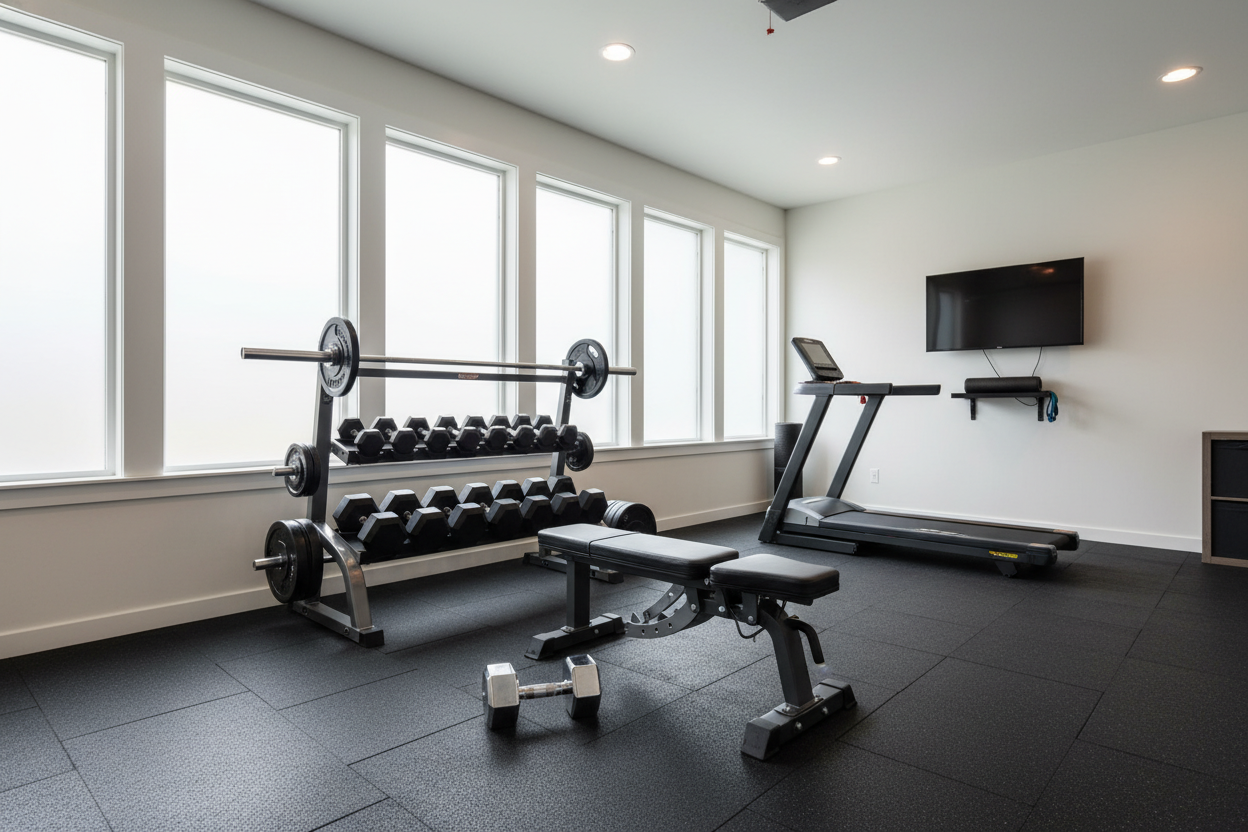
Now, I don’t mess around with 'good enough' foundations. Something like the Gxmmat Adjustable Weight Bench is a perfect example of what you need—rock-solid steel, no side-to-side play, and a footprint that stays planted. When you are lying down to press 80-pound dumbbells, the last thing you want to worry about is whether the bench is going to tip. A stable surface allows you to actually drive through your feet and maintain a proper arch without fear of a mechanical failure becoming a medical bill.
Personal Experience: The Day I Quit the Ego
Three years ago, I tried to pull 405 for reps because some kid half my age was doing it in the next rack. I felt a 'zip' in my lower back on the third rep. I wasn't paralyzed, but I couldn't tie my own shoes for two weeks. It was a wake-up call. I realized that my 'identity' as a heavy lifter was hurting my actual goal of being a fit, capable father and business owner. I sold my old, thin-padded bench, upgraded my flooring to high-density rubber, and started tracking my 'pain-free' volume instead of my max weight. My physique actually improved because I was finally able to train consistently without taking 'injury breaks' every two months.
FAQ
Is it too late to start lifting at 45?
Absolutely not. In fact, it is arguably the most important time to start. Sarcopenia (muscle loss) kicks into high gear in your 40s. You aren't just lifting to look good; you are lifting to keep your metabolic rate up and your bones dense. Just start slow and focus on form over the numbers on the plates.
How often should I train?
For most guys over 40, a 3-day or 4-day split is the sweet spot. You need those recovery days. If you try to hit the gym 6 days a week like a pro bodybuilder on 'supplements,' your joints will likely give out before your muscles grow.
Should I stop doing squats and deadlifts?
Not necessarily, but you might want to switch to variations. Trap bar deadlifts are generally much friendlier on the lower back than conventional pulls. Goblet squats or split squats can give you a massive leg pump without the spinal compression of a heavy back squat.