Is Madewell Strength Equipment Actually Built for Home Gyms?
I remember the first time I racked a 405-lb squat on a budget-tier rack I bought during a late-night impulse session. The uprights groaned, the bolts creaked, and for a split second, I genuinely thought I was going to end up as a cautionary YouTube video. That is the exact moment most of us stop looking for the cheapest option and start looking for madewell strength equipment.
The jump from 'standard' home gear to collegiate-grade steel is a massive one. You aren't just buying a place to hang your barbell; you are buying a piece of infrastructure. But before you clear out the lawnmower and the holiday decorations to make room for madewell strength equipment, you need to know if this stuff is actually functional in a residential setting or if it is just a massive ego purchase that will make your garage feel like a cramped locker room.
Quick Takeaways
- Built like a tank with 3x3 11-gauge steel that will outlive your house.
- Requires a significant footprint; this is not 'space-saving' gear.
- Professional-grade knurling and tolerances that exceed typical residential standards.
- High upfront cost and freight shipping make it a long-term investment.
The Allure of Collegiate-Grade Steel
Most garage gym owners start with 2x2 or 2x3 steel tubes. It works fine for a while, but once you start pulling heavy or doing pull-ups on a rack that wobbles, the 'overbuilt' aesthetic of commercial gear starts to look real good. Brands like Madewell are targeting the lifter who is tired of equipment that feels like a toy. They use 11-gauge steel, which is the industry standard for high-end strength facilities.
Why does this matter for you? Stability. When you are re-racking a heavy bench press, you want zero movement. Commercial-style gear is designed to take a beating from 300-lb linemen all day long. In a home setting, that translates to a level of safety and rigidity that you just can't get from a box store. It is the difference between driving a commuter sedan and a heavy-duty pickup truck.
Sizing Up the Madewell Footprint
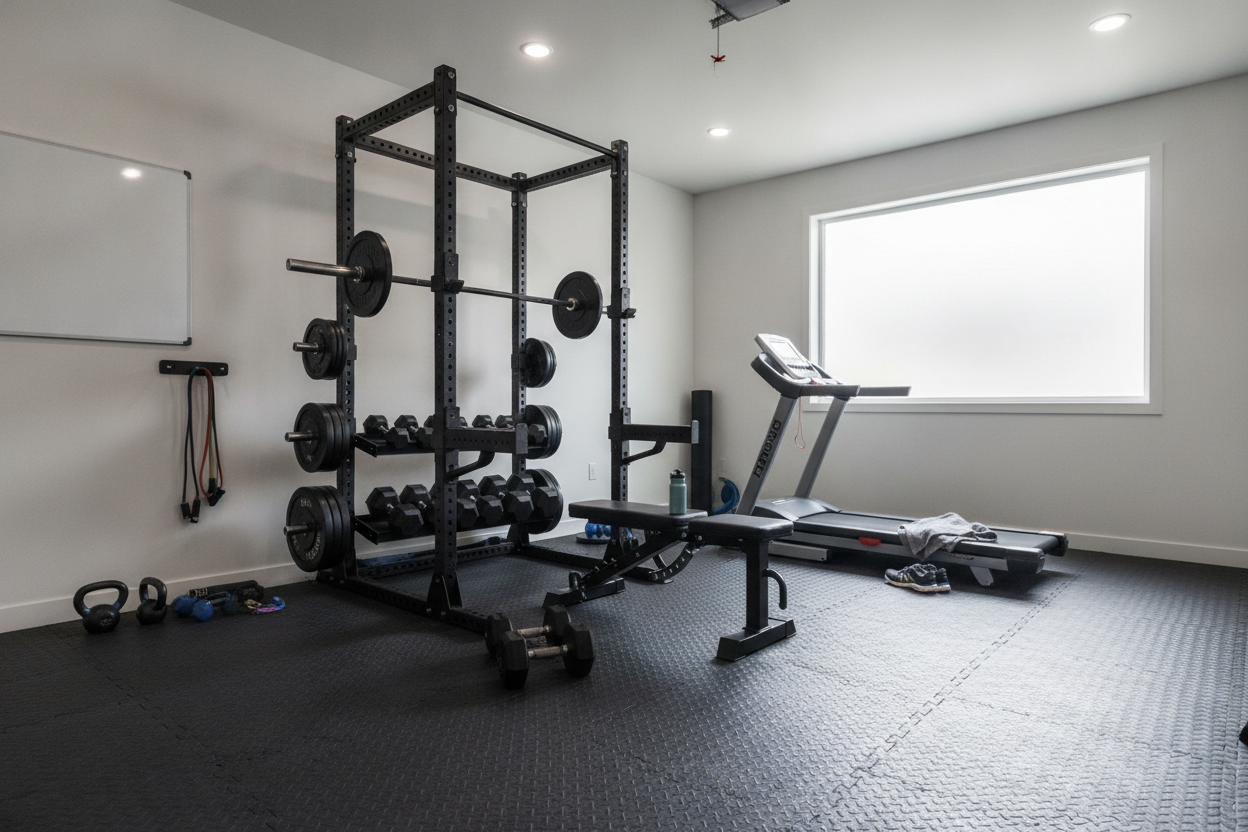
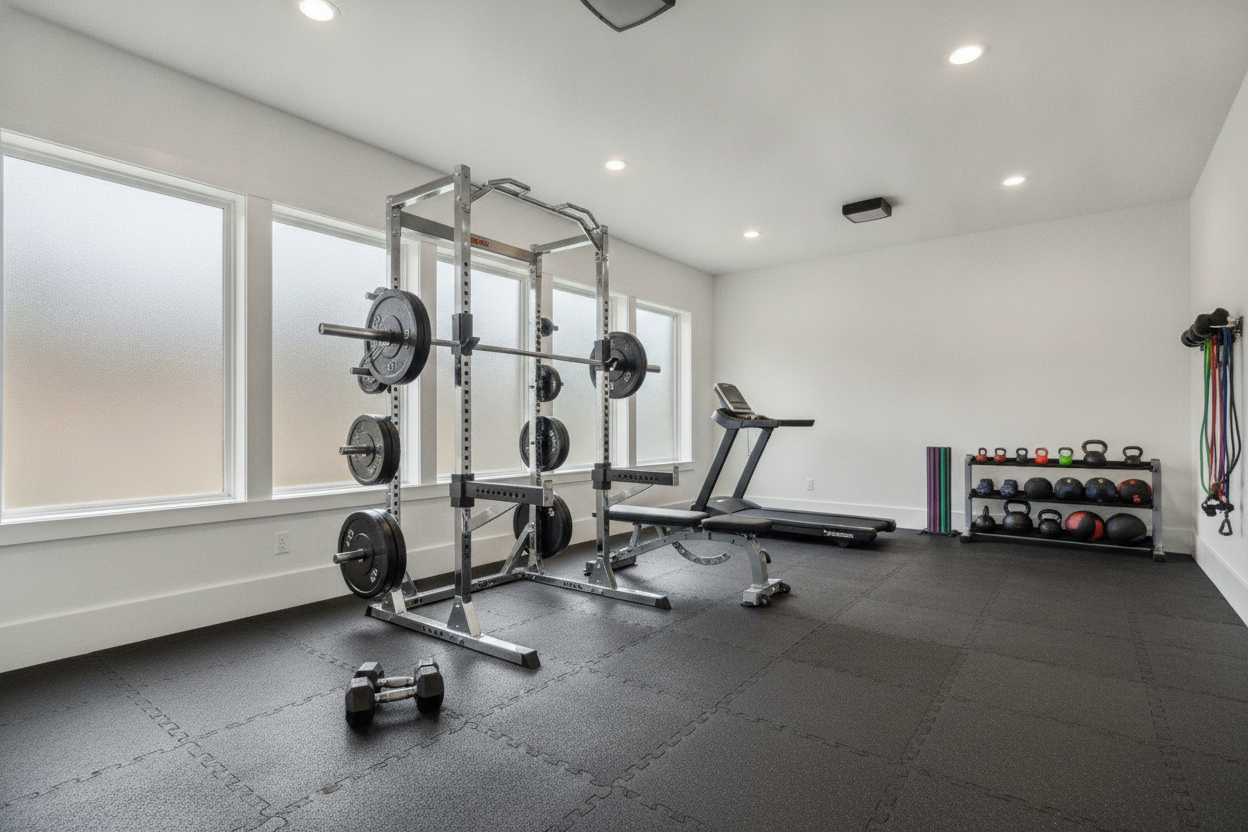
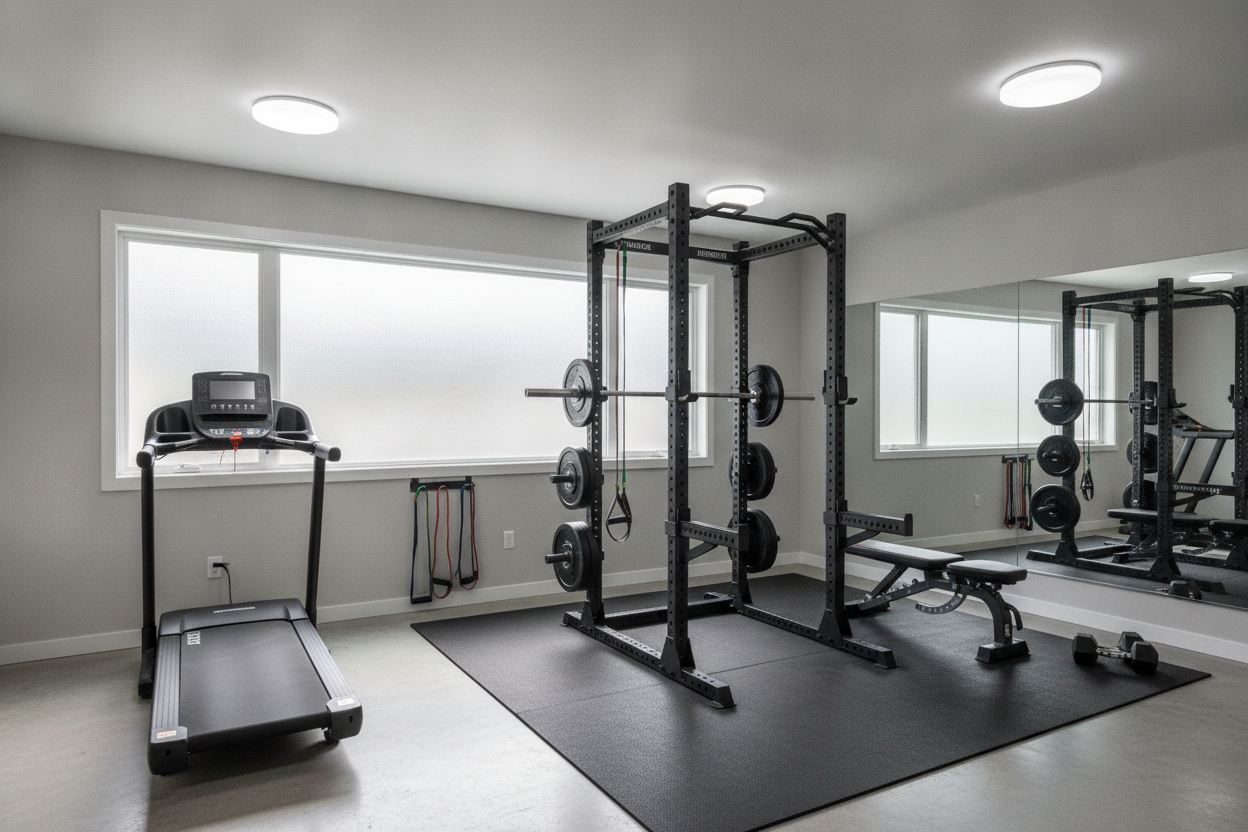
Here is the reality check: this gear is huge. While many manufacturers try to slim down their designs to fit into spare bedrooms, Madewell keeps things at a scale meant for athletes. We are talking about racks that often stand 90 inches or taller and benches that have a footprint wide enough to prevent any lateral tipping. If you are comparing this to the top home gym equipment for strength training from last year, you will notice that commercial-grade racks often require an extra 12 to 18 inches of depth just for the base stabilizers.
Before you buy, measure your ceiling height twice. I have seen guys buy these massive four-post racks only to realize they can't actually perform a pull-up because their head would hit the rafters. The hole spacing is usually 2-inch centers, which is standard for collegiate racks, though some lifters prefer the tighter 1-inch Westside spacing in the bench zone. If you have a standard two-car garage, one of these racks will effectively claim one entire 'stall' once you account for plate storage and barbell sleeve clearance.
The Price vs. Performance Reality Check
Quality isn't cheap, and shipping heavy steel is even worse. When you buy from a commercial-facing brand, you aren't just paying for the metal; you are paying for the freight. Most 'consumer' brands hide shipping costs in the price or offer free shipping because their gear is lighter. With Madewell, you are likely looking at a pallet delivery. This is a 'buy once, cry once' scenario.
If you are on a tight budget, you might be tempted to wait for the usual home gym equipment deals that pop up during Black Friday from direct-to-consumer brands. Those sales can save you 15-20%, but the steel gauge won't be the same. You have to decide if you want a rack that is 'good enough' or a rack that you can pass down to your kids. For me, the extra $400 in shipping and materials was worth it the first time I dropped a loaded bar on the safety straps and the rack didn't even flinch.
Who Actually Needs This Level of Durability?
Let's be honest: if you are just doing casual circuit training or light dumbbells, this is overkill. You don't need 11-gauge 3x3 steel to hang a TRX trainer. This level of construction is for the powerlifter, the weightlifter, or the person who is moving serious poundage and wants the security of a cage that can't be tipped over. It is for the person who treats their garage like a sanctuary, not just a place to burn twenty minutes on a treadmill.
I see a lot of people buying this gear for 'Instagram points'—it looks cool to have a custom-colored, beefy rack in your photos. But the real value is in the tolerances. The J-cups fit tighter, the pull-up bar doesn't have that annoying slick powder coat, and the whole system feels anchored to the earth. If you are training for a meet or pushing for a 500-lb deadlift, you need gear that matches your intensity.
Final Verdict: Does It Belong in Your Garage?
If you have the floor space and the budget, Madewell is a massive upgrade over anything you will find at a local sporting goods store. It turns a garage into a legitimate training facility. However, if you are working in a cramped 10x10 shed or a basement with 7-foot ceilings, this gear will likely be more of a headache than a help. You have to respect the footprint.
For those who decide the collegiate scale is too much, I recommend checking out a practical equipment guide to see how to maximize a smaller layout without sacrificing too much stability. But if you have the room and you want to feel like you are training in a D1 weight room every morning, pull the trigger. Just make sure you have a buddy nearby to help you move the boxes when the freight truck arrives.
FAQ
Does Madewell Strength equipment require bolting to the floor?
For their full power racks, it is highly recommended. While the weight of the rack itself provides some stability, any 3x3 rack should be anchored if you plan on using plate storage pegs or performing kipping movements.
What is the difference between 11-gauge and 14-gauge steel?
11-gauge is thicker (about 0.120 inches) and much stronger than 14-gauge (about 0.075 inches). 11-gauge is the standard for commercial gyms, while 14-gauge is typically found in budget 'box store' equipment.
Can I use accessories from other brands on a Madewell rack?
Generally, yes, as long as the accessory is designed for 3x3 uprights with the same pin diameter (usually 5/8 inch or 1 inch). Always double-check the hole sizing before buying third-party attachments.