Is Heavy Weights Training Safe When You Lift Alone?
There is a specific kind of silence that only exists in a garage gym at 6:00 AM when you are staring at a barbell loaded with more weight than you have ever moved before. It is just you, the iron, and the nagging thought: 'If I miss this rep, am I going to end up as a viral video for all the wrong reasons?'
For most of us, heavy weights training is the fastest path to building a physique that actually looks like it belongs in a gym. But when your only spotter is a pile of laundry in the corner, the stakes feel higher. You want to lift heavier weights, but you also want to keep your ribcage intact. I have spent a decade testing racks, failing squats, and learning exactly where the line is between brave and stupid.
Quick Takeaways
- Mastering the 'safe fail' is more important than your actual max lift.
- Safety pins or spotter arms are non-negotiable for solo heavy lifting.
- Heavy is defined by your personal RPE (Rate of Perceived Exertion), not the guy on Instagram.
- Budget equipment is fine for accessories, but never for the gear holding the weight above your face.
The Fear of Getting Pinned Under the Bar
The psychological barrier of lifting heavy iron alone is real. I remember the first time I tried to max out my bench press in my basement. My heart was hammering, not because of the weight, but because I realized I had no exit strategy. If you want to lift heavier without a partner, the first skill you master isn't the lift—it is the fail.
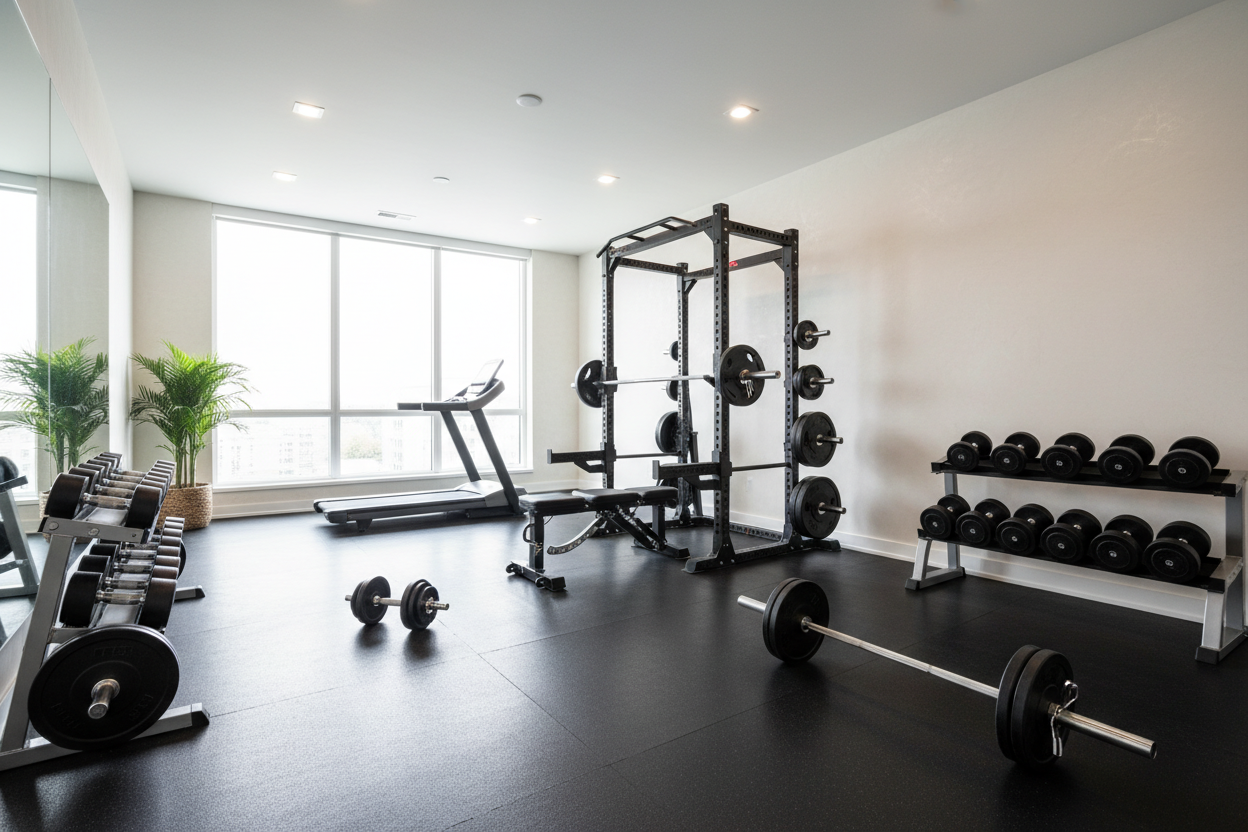
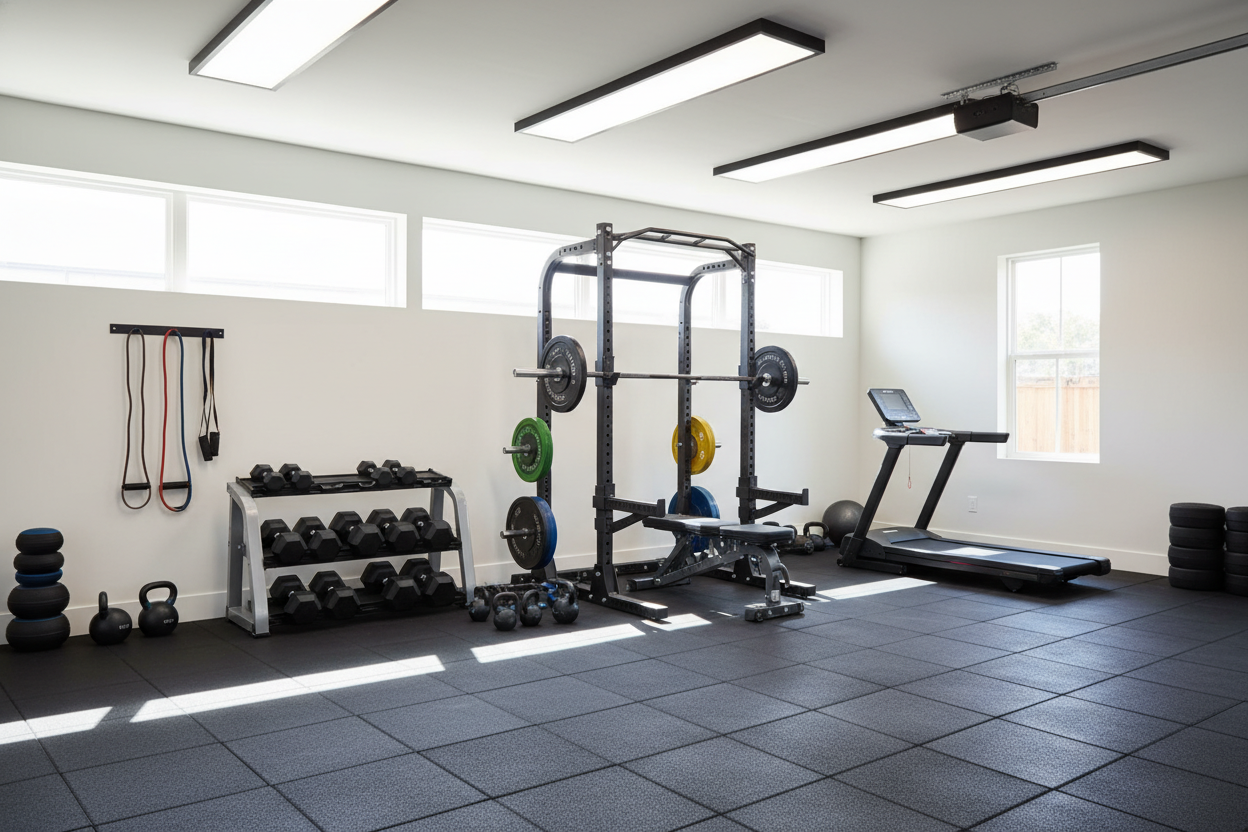
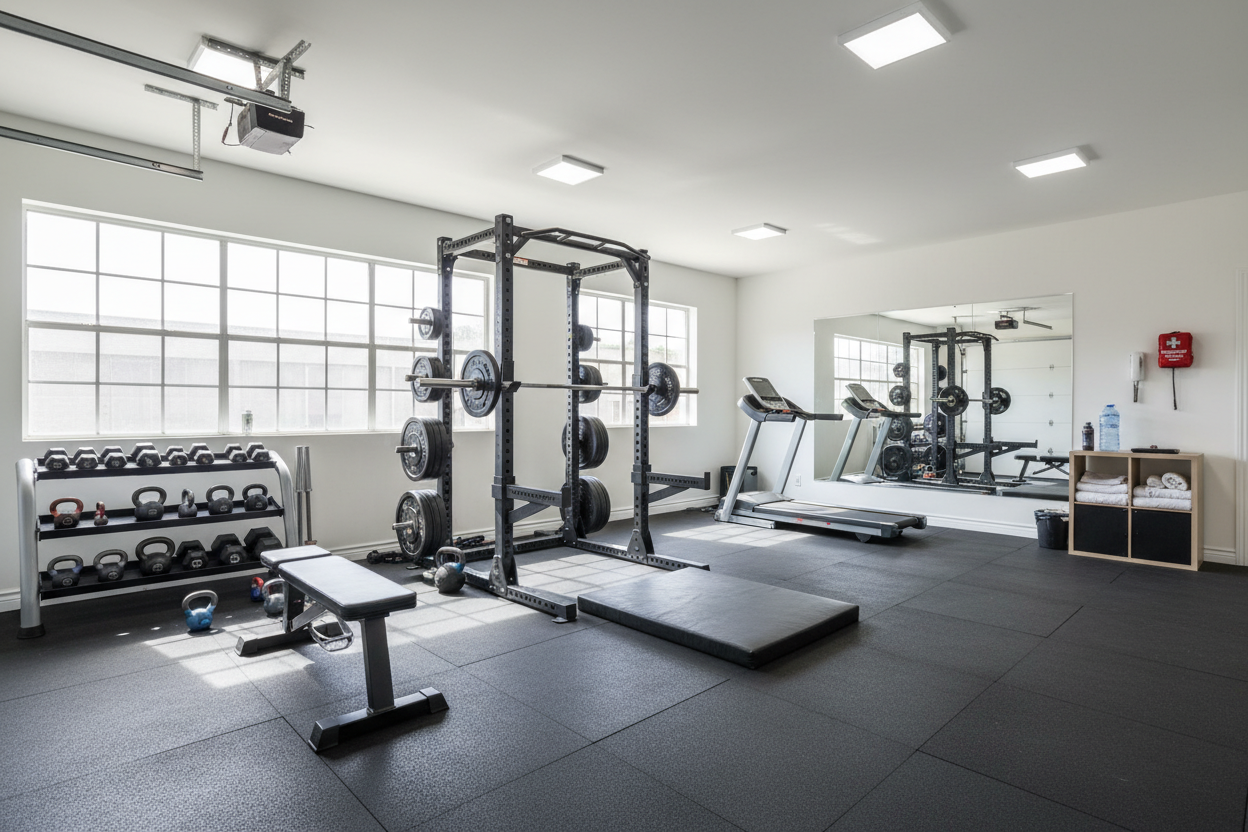
You need to practice failing a rep on purpose with light weight. Set your safety arms so they are just an inch below your chest or the bottom of your squat. If you are using something like the Gxmmat X6 Power Rack Weight Bench Package, you have solid steel between you and a trip to the ER. Once you trust your gear to catch the bar, the mental weight lifts, and you can actually focus on the effort.
What Actually Constitutes 'Heavy' Anyway?
Heavy is a moving target. To a powerlifter, heavy might mean 95% of their one-rep max (1RM) for a single. For someone focused on general strength, it might mean anything in the 1-5 rep range where you have maybe one rep left in the tank (RPE 9). If you can do 12 reps and talk about your weekend, that is not heavy strength training.
Training heavy means you are recruiting the high-threshold motor units that high-rep sets often miss. It is about intensity, not just effort. You are teaching your brain to fire every muscle fiber at once. When you lift heavy weights, you aren't just building muscle; you are upgrading your internal software.
The Real Benefits of Lifting Heavy (Beyond Ego)
The advantages of lifting heavy weights go far beyond just being the strongest person in the room. You get a specific kind of 'muscle maturity'—that dense, hard look—that high-volume pump work just doesn't deliver. Heavy weight training benefits your central nervous system (CNS), making every other movement in your life feel lighter.
I have found that when I focus on low-rep, high-load work, my recovery is actually better than when I do 20-set bodybuilding marathons. I even wrote about how I Stopped Heavy Bodybuilding Weight Lifting and Finally Grew because the constant high-volume fatigue was masking my real strength gains. Heavy lifting is efficient. It gets the job done and lets you get on with your day.
Equipment That Won't Fail When You Need It Most
This is where I get blunt: do not trust your life to a $99 rack made of thin-walled tubing. I have seen budget welds pop under 300 pounds, and it isn't pretty. If you are wondering Is Weight Lifting Walmart Gear Actually Safe for Heavy Sets?, the answer is usually 'no' once you start moving real weight. You need 11-gauge or 14-gauge steel and a footprint that doesn't wobble when you rack the bar.
The same applies to your bench. A flimsy bench will shift just enough to put your shoulder in a bad spot during a heavy press. Upgrading to a Gxmmat Adjustable Weight Bench gives you a rock-solid base that won't slide across the floor while you are trying to drive your heels down. If the equipment feels sketchy with 135 pounds, it will be dangerous with 225.
Machines vs. Free Weights for Pushing Max Load
While the barbell is king, there is a time and place for Weight Lifting Machines. If your lower back is fried from heavy squats but you still want to punish your legs, a plate-loaded leg press or hack squat is a godsend. It allows you to chase those heavy weight gym benefits without the risk of your form collapsing under a barbell.
Machines provide a fixed path of motion, which is basically a built-in spotter. When I am training for pure hypertrophy but want to stay in the heavy 5-8 rep range, I often swap the barbell for a machine toward the end of the session. It lets me go to absolute failure without worrying about being crushed.
My Personal Lesson in Hubris
A few years back, I thought I was too 'experienced' for safety pins. I was benching 275 in my garage, alone, with no safeties. On the third rep, my right pec tweaked, and the bar came down lopsided. I had to do the 'roll of shame'—rolling a jagged, knurled bar down my stomach and thighs to get out. I had bruises for three weeks and a very bruised ego. I haven't lifted without safeties since. Don't be me.
FAQ
Is lifting heavy weights good for you as you get older?
Absolutely. It is the best way to maintain bone density and fight off sarcopenia (muscle loss). Just be smarter about your warm-ups and joint health.
How often should I do heavy strength training?
For most people, 2-3 times a week is plenty. Your muscles might recover in 48 hours, but your CNS often needs longer to bounce back from true max-effort work.
What does lifting heavy weights do to your metabolism?
It turns it up. Because muscle is metabolically expensive to maintain, and the recovery process from heavy lifting burns calories long after you have left the gym, it is a fat-loss weapon.