Is Cardio Bad for Fat Loss? What You Need to Know
When fitness enthusiasts hit a plateau, a provocative question often emerges: is cardio bad for fat loss? For decades, conventional wisdom held that endless jogging or stationary cycling was the single best route toward a leaner physique. Yet many people find that logging hours on a treadmill produces frustrating results, leading them to wonder whether cardio bad for fat loss is an accurate description of their struggle.
Aerobic work burns calories during a session, but relying exclusively on it can create unintended obstacles. Without a foundation of resistance training, pure aerobic exercise may not produce the toned look or long-term metabolic stability most people seek. Understanding why cardio bad for fat loss has become such a widely discussed topic can help you redesign your workout week to support genuine body composition changes.
Why Is Cardio Bad for Fat Loss When Done Excessively?
Excessive endurance work can become counterproductive because high training volumes without proper strength training may encourage the breakdown of muscle mass. When you perform long bouts of steady-state cardio week after week while running an aggressive calorie deficit, the body seeks ways to conserve energy. Preserving lean muscle requires substantial fuel, so the body may shed metabolically demanding tissue to adapt to ongoing endurance demands.
As lean muscle decreases, resting metabolic rate can decline as well. This shifts total energy expenditure downward, meaning you burn fewer calories at rest throughout the day. Trainees often think cardio does not burn fat because their scale weight stalls despite hours of sweat. In reality, the body simply adapts by becoming highly efficient at aerobic exercise, which blunts the overall calorie burn you expect from each session.
Another common hurdle is compensatory eating driven by a sharp appetite increase. Prolonged endurance sessions often stimulate hunger signals far more aggressively than short, controlled sessions. When an unmanaged appetite increase leads to mindless snacking, it easily offsets the deficit created during the workout. This scenario reinforces the belief that cardio bad for fat loss is a reality for everyday exercisers.
Can Cardio Stall Weight Loss Progress?
Yes, cardio can stall progress when it causes chronic fatigue, poor recovery, and unaddressed overtraining. When fatigue accumulates, non-exercise activity thermogenesis—the small subconscious movements like pacing, fidgeting, and walking—often drops significantly. You might complete a strenuous hour of steady-state cardio only to spend the rest of the day completely sedentary on the couch.
This drop in spontaneous movement lowers total daily energy expenditure, neutralizing the workout itself. Searchers exploring why cardio doesn't burn fat often overlook this fatigue compensation. When trainees observe that their scale refuses to budge, they often conclude that cardio does not burn fat, when in truth their lifestyle movement has simply slowed to a crawl outside the gym.
Furthermore, overtraining without adequate rest elevates stress hormones that promote fluid retention. This water weight masks true fat loss on the scale, convincing frustrated lifters that cardio bad for weight loss narratives are fully justified. To understand how intensity plays into this dynamic, reviewing a detailed cardio versus fat burn guide can help you strike a sensible balance between pacing and recovery.
Cardio Bad for Weight Loss Mistakes to Avoid
One major error that makes cardio bad for weight loss programs is treating conditioning workouts as a punishment for dietary choices. Exercising solely to burn off yesterday's meals fosters an unhealthy relationship with training and usually leads to excessive mileage. Over time, high mileage amplifies joint impact, especially when running or jumping on unforgiving concrete or thin rugs.
Neglecting resistance training is another frequent pitfall. Lifting weights signals the nervous system to retain muscle mass, ensuring that weight loss comes predominantly from stored body fat rather than functional tissue. When individuals eliminate resistance training and perform only aerobic exercise, their body composition often ends up soft rather than defined, perpetuating the myth that cardio bad for weight loss is an inevitable outcome.
Finally, failing to monitor joint stress creates recurring injuries that interrupt consistency. Continuous joint impact on the ankles, knees, and hips forces extended breaks from exercise. If you struggle to organize your weekly schedule, checking a fat loss cardio and lifting schedule can clarify how to pair aerobic exercise alongside structured lifting without wearing down your joints.
How to Balance Cardio and Resistance Work at Home
Balancing both modalities requires prioritizing strength training as your primary driver for body composition while treating cardio as an accessory for heart health and work capacity. Aim to perform full-body resistance training sessions two to four times per week using basic implements like dumbbells, barbells, or bodyweight progressions. Building lean muscle supports your metabolic rate and gives your frame structural support.
Once your lifting schedule is established, layer in modest amounts of conditioning workouts. You might include one or two sessions of steady-state cardio at an easy conversational pace to build an aerobic base without creating excessive fatigue. Alternatively, you can incorporate brief intervals using high-intensity interval training on non-lifting days. For practical workout ideas, exploring a metabolic cardio conditioning session provides an efficient framework that protects lean muscle while promoting conditioning.
Remember that why cardio doesn't burn fat efficiently in isolation comes down to stimulus. Muscle mass demands energy around the clock, whereas an isolated cardio session only elevates calorie burn temporarily. Pairing dumbbells with purposeful conditioning creates the ideal environment for sustainable fat loss.
What Gym Flooring Setup Is Best for Hybrid Cardio and Weight Routines?
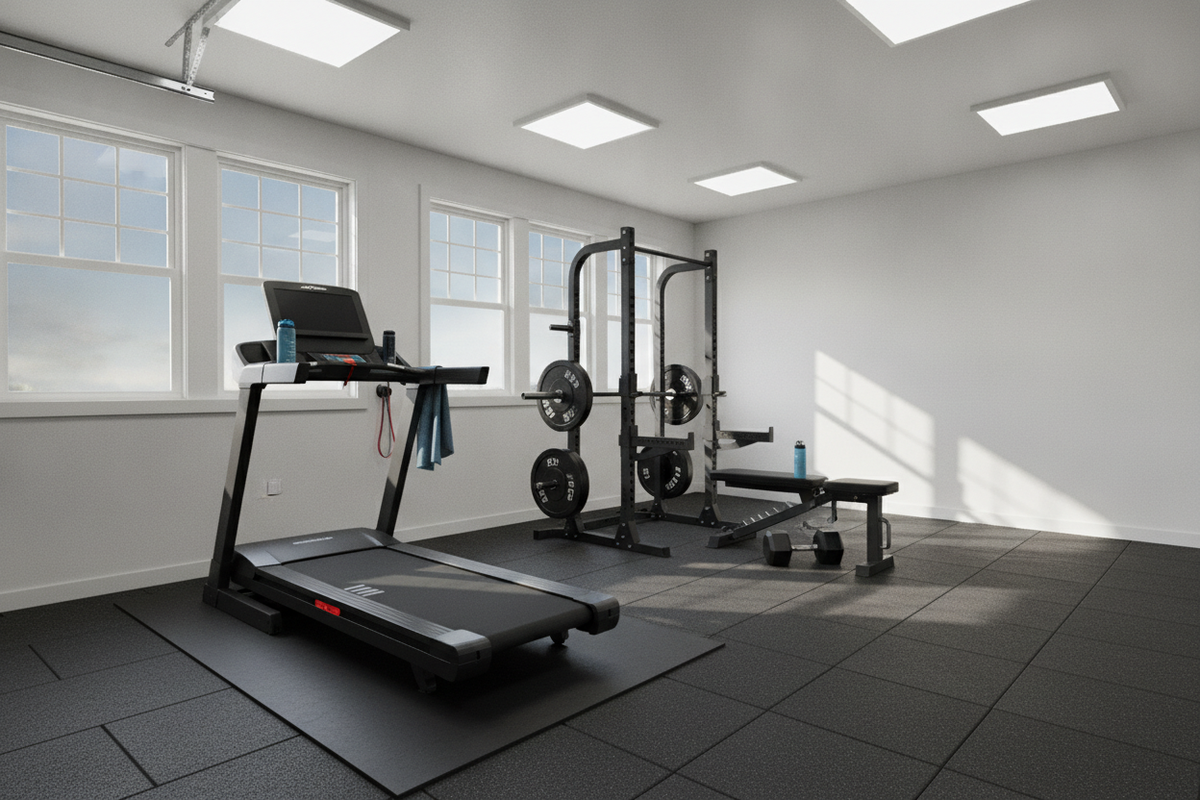
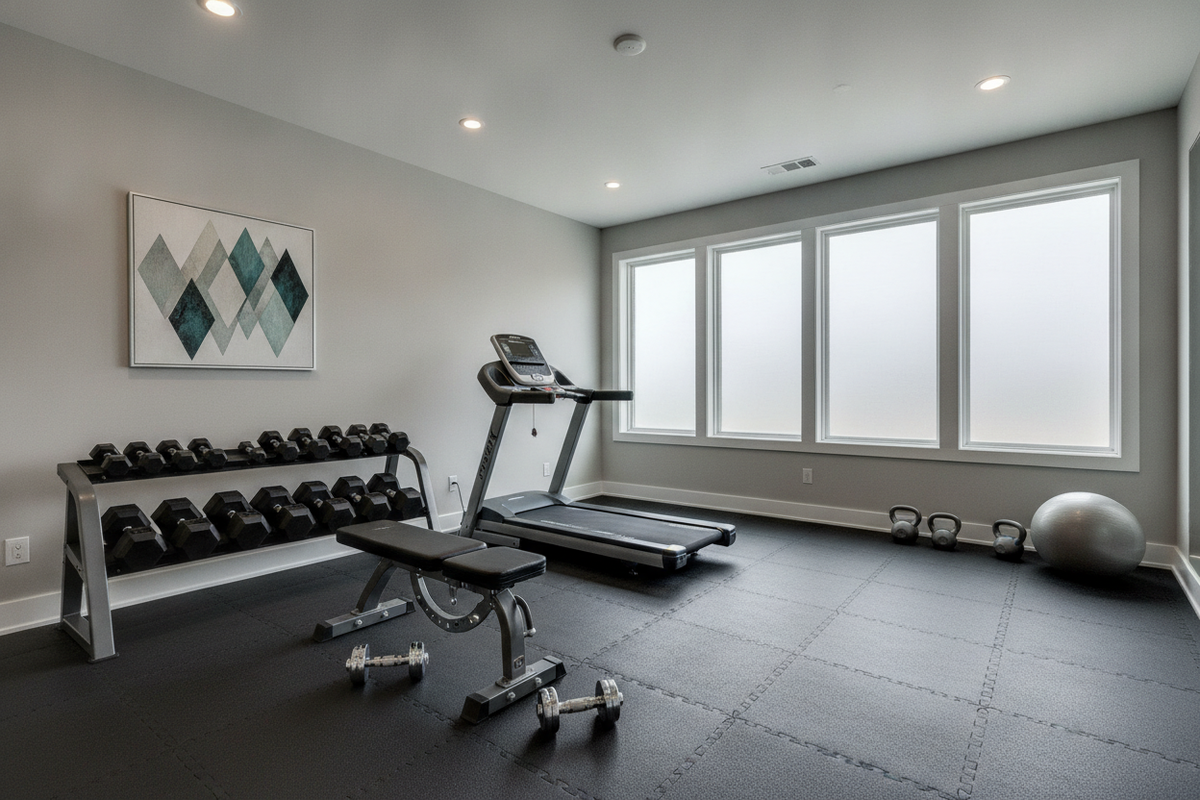
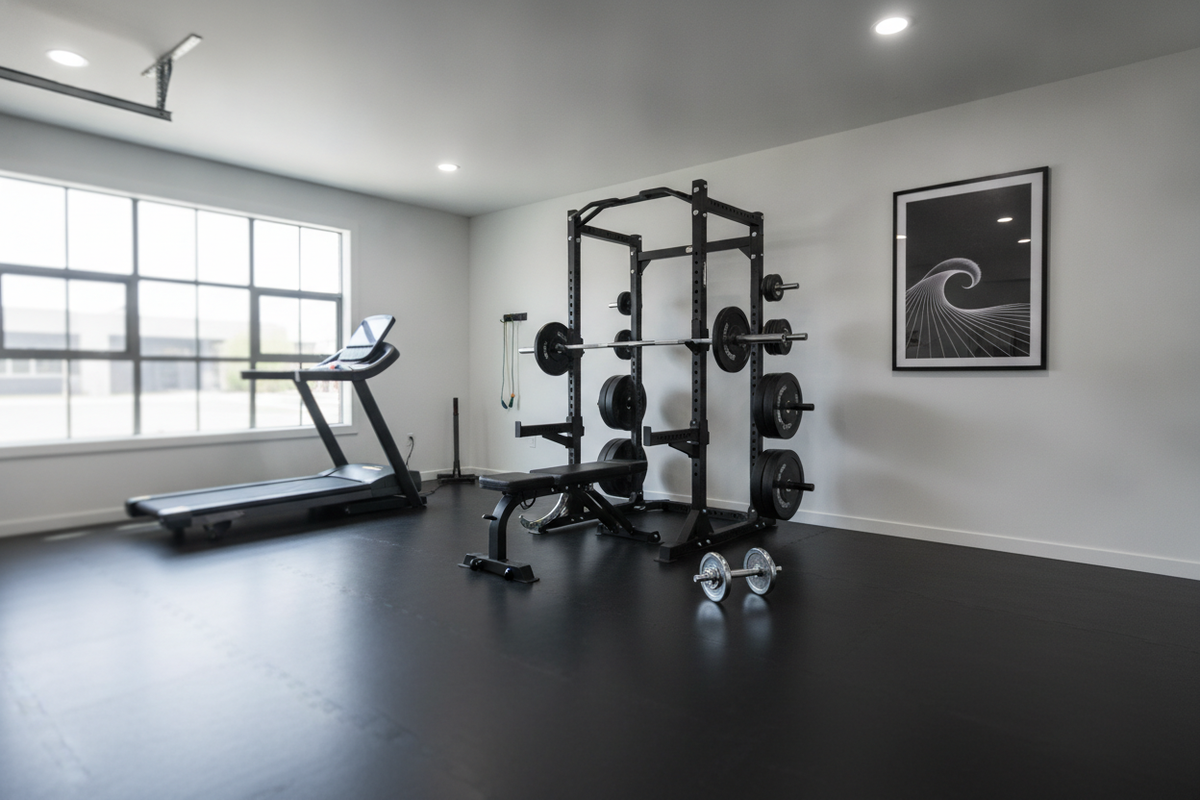
The best setup for hybrid training relies on dense, shock-absorbing gym flooring that cushions joint impact while maintaining a stable platform for lifting dumbbells. When transitioning between bodyweight jumps, high-intensity interval training, and loaded squats, standard domestic carpets or bare concrete surfaces present distinct hazards. Concrete offers zero shock absorption, transmitting stress directly into knees and lower back, while soft carpets slip under lateral movement.
Investing in a high-density exercise mat creates a dedicated training zone that provides dependable floor protection. A quality exercise mat dampens vibrations, absorbs repeated foot strikes, and prevents heavy dumbbells from gouging hardwood or cracking basement tiles. Unlike thin yoga pads, heavy-duty gym flooring stays firmly anchored during rapid footwork, allowing you to move confidently through aerobic exercise circuits.
When planning your home gym setup, ensure your gym flooring covers sufficient floor area for both dynamic movement and equipment storage. Sweat buildup during intense sessions can make substandard surfaces dangerously slick, so choose an exercise mat with textured traction that is easy to wipe clean after workouts. Proper floor protection not only preserves your residence but also transforms your home gym setup into an inviting, durable space for long-term consistency.
Practical Tips for Sustainable Fat Loss
Achieving lasting fat loss requires viewing aerobic work as a supportive tool rather than the cornerstone of your fitness strategy. Here are fundamental rules to keep your progress moving in the right direction:
- Prioritize resistance training with dumbbells or free weights to preserve muscle mass and keep your metabolic rate resilient.
- Keep steady-state cardio at moderate durations to avoid chronic fatigue, joint impact, and uncontrolled appetite increase.
- Maintain non-exercise activity throughout the day rather than relying solely on morning calorie burn.
- Set up your home gym setup with supportive gym flooring and a durable exercise mat to minimize joint strain.
- Recognize that while cardio does not burn fat automatically without nutritional control, conditioning remains vital for cardiovascular health.
- Avoid overtraining by scheduling dedicated rest days where low-impact walking replaces demanding workouts.
Ultimately, the notion that cardio bad for fat loss holds true only when aerobic volume is pushed to extremes at the expense of strength training and recovery. By combining smart lifting, measured conditioning, and resilient floor protection, you create a sustainable routine that delivers lasting body composition improvements.