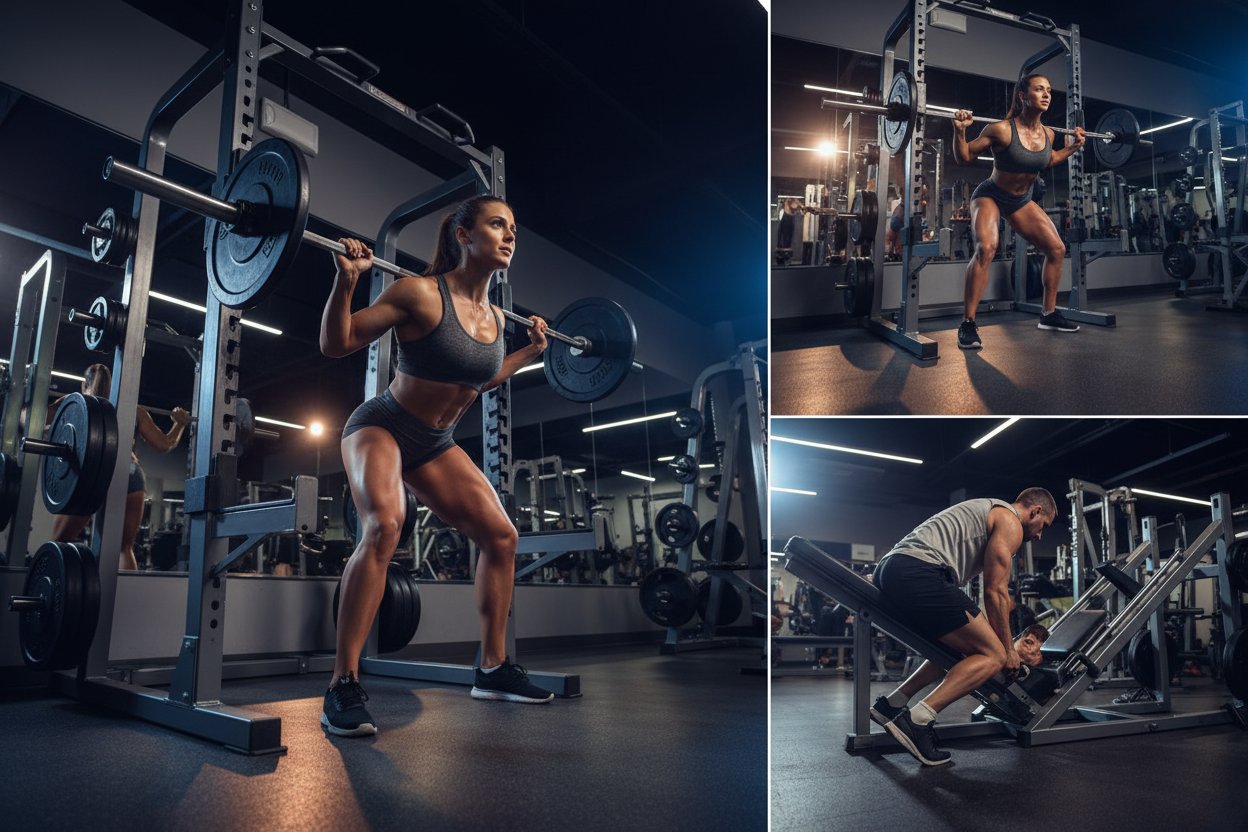
Is an All In One Gym Machine Actually Worth It? The Honest Truth
You know the feeling. You walk into the commercial gym at 6:00 PM, ready to crush a chest workout, but every bench is taken. You spend more time hovering near the squat rack than actually lifting. It’s frustrating, and it’s the primary reason people start looking for an alternative.
Enter the all in one gym machine. It promises the world: a full commercial gym experience packed into the corner of your garage. But does it actually deliver on that promise, or is it just an expensive coat rack in the making? Let's strip away the marketing hype and look at the biomechanics, the economics, and the reality of owning one.
Quick Summary: Key Takeaways
- Space Efficiency: These units require a specific footprint (usually 10x10ft) to allow for barbell clearance and cable extension, not just the machine's dimensions.
- Cost vs. Value: While the upfront cost is high ($2k-$5k+), it typically breaks even with a dual-membership household within 2-3 years.
- Versatility: The best units combine a power rack, Smith machine, and functional trainer, covering 95% of hypertrophy needs.
- The Trade-off: Transition times between exercises are slower than in a commercial gym due to setup changes.
The Engineering Behind the "Jack of All Trades"
The skepticism is natural. In most areas of life, if you try to do everything, you do nothing well. However, modern gym engineering has shifted this narrative.
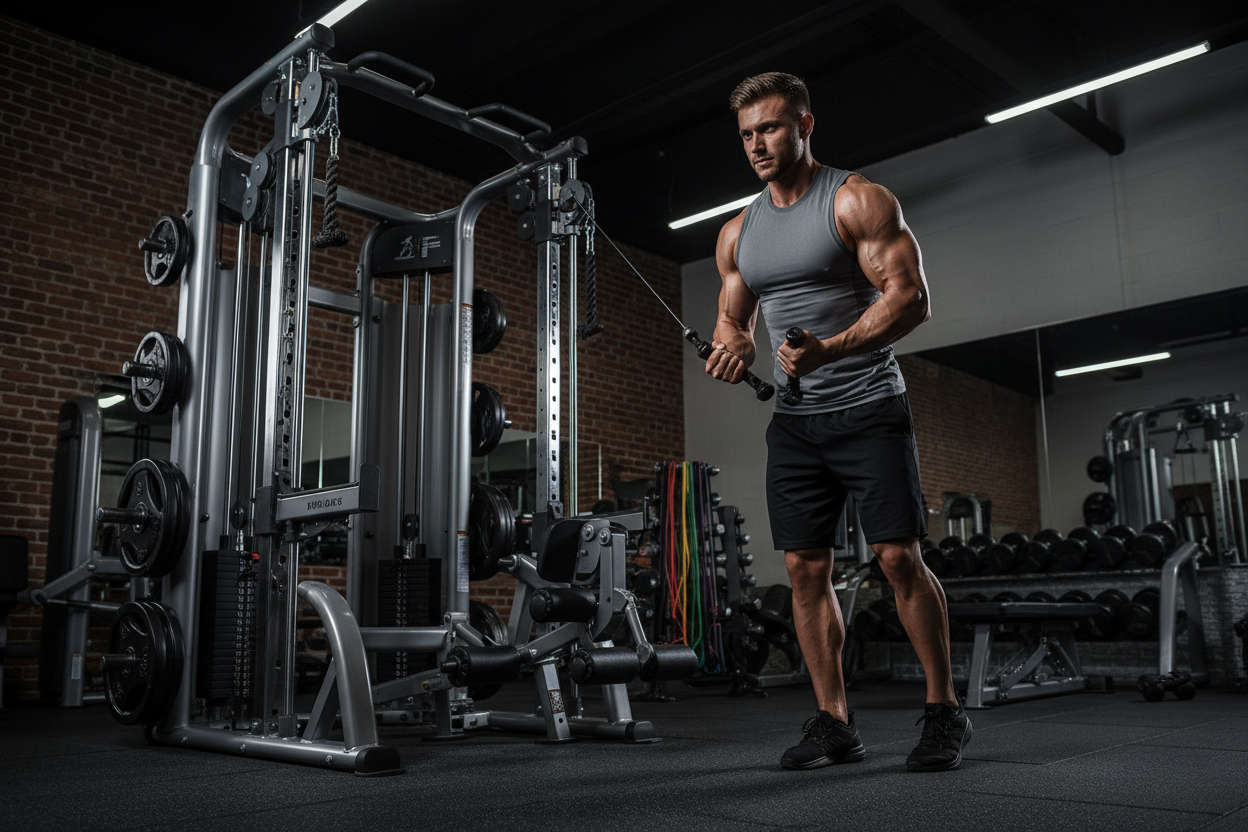
A high-quality all in one gym machine isn't just welded metal; it's a study in maximizing vector angles. The core component is usually the Functional Trainer (cable system). Unlike free weights, which only provide resistance against gravity (vertical), cables allow you to load muscles horizontally and diagonally. This provides constant tension throughout the range of motion, which is critical for metabolic stress and muscle growth.
The Smith Machine Debate
Many purists hate the Smith machine component found in these units. They argue it removes the need for stabilization. This is true, but it's also a feature, not a bug. By removing the stability requirement, you can safely push muscles to absolute failure without a spotter. For a solo home lifter, this safety mechanism is non-negotiable.
Analyzing the "All-In-One Home Gym" Economics
When you look at the price tag of a premium all-in-one home gym, the sticker shock is real. However, you have to run the math against the "Cost of Use."
If you buy separate pieces—a power rack, a lat pulldown machine, a dip station, and a cable crossover—you are likely spending 30% more and occupying 200% more floor space. The value here isn't just in the dollar amount; it is in the square footage saved. In real estate terms, reclaiming half your garage is a financial win.
My Training Log: Real Talk
I want to step away from the specs and tell you what using these machines is actually like, based on my Tuesday pull session.
Here is the gritty detail the product pages won't tell you: The carabiner frustration.
I was supersetting lat pulldowns with face pulls. On a commercial machine, you just walk to the next station. On my all-in-one, I had to unclip the lat bar, find the rope attachment (which I kicked under the bench), and re-clip it with sweaty hands. It took about 45 seconds. It doesn't sound like much, but it breaks your flow.
Also, let's talk about the "guide rod drag." If you don't use silicone spray on the weight stack rods every few weeks, you will feel a slight, scratchy friction on the eccentric (lowering) part of the movement. It’s not a dealbreaker, but you can feel the vibration in your hands. It’s a reminder that unlike a commercial gym where maintenance is someone else's problem, here, you are the maintenance crew.
Conclusion
Is an all in one gym machine perfect? No. It requires maintenance, and the setup time between exercises takes getting used to. However, if you are limited on space and want to train safely alone, it is the single most efficient tool available. It eliminates the commute and the wait times, giving you the one asset money can't buy: your time back.
Frequently Asked Questions
How much ceiling height do I really need?
While machine specs might say 84 inches, you realistically need at least 90 to 96 inches. This accounts for pull-up movements where your head goes above the frame, and allows clearance for assembly tools during the build process.
Can I build serious muscle with just this machine?
Absolutely. Your muscles do not know if resistance comes from a rusty iron plate or a cable stack. As long as you apply progressive overload—increasing weight or volume over time—an all-in-one machine provides enough load for advanced bodybuilding.
What is the maintenance like?
It is minimal but necessary. You should wipe down the guide rods with a lint-free cloth and apply 100% silicone lubricant (not WD-40) once a month. You also need to periodically check the cable tension and tighten the bolts on the main frame, as vibration can loosen them over time.