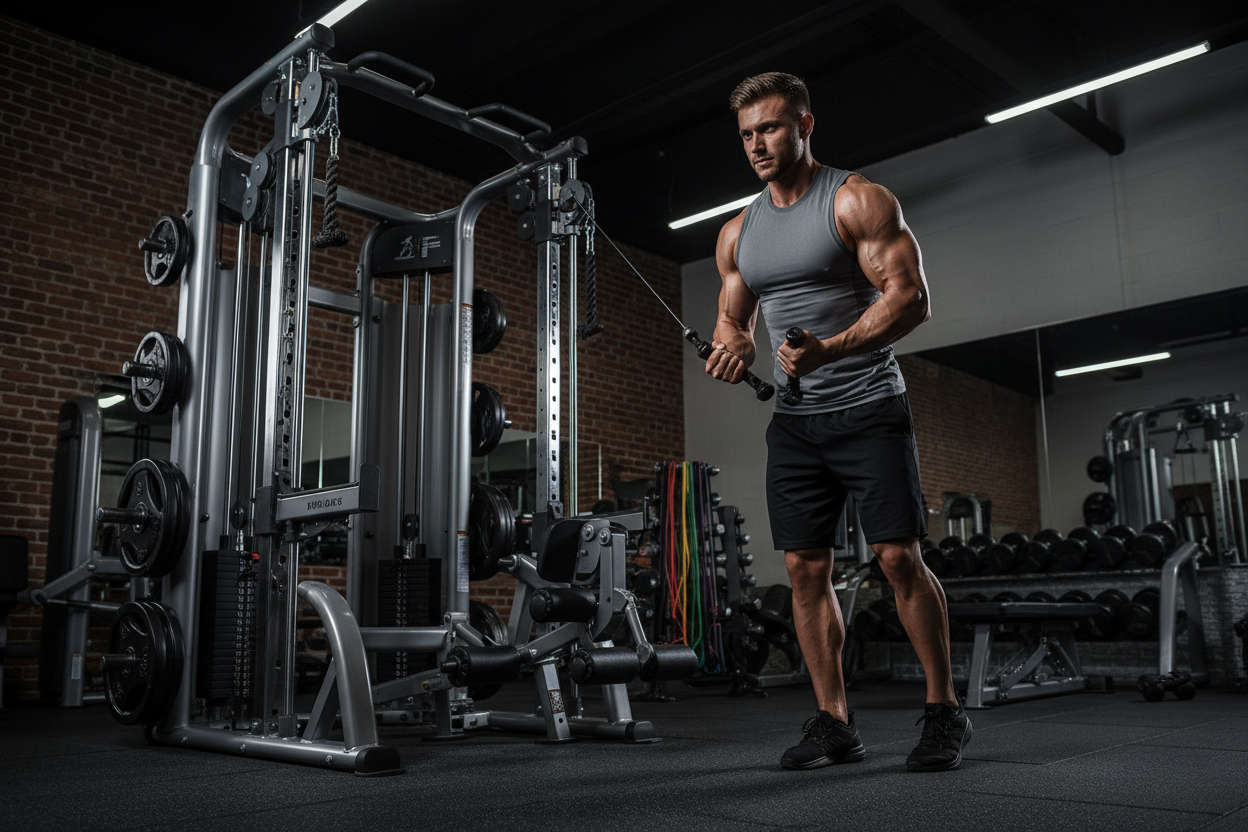
Beginner Gym Machine Workout: The Blueprint for Safe Gains
Walking into a commercial gym for the first time feels less like a fitness journey and more like entering a hostile alien landscape. You see racks of iron, complex pulley systems, and regulars grunting in the corner. It’s intimidating. That is exactly why a structured beginner gym machine workout is the smartest starting point for your fitness career.
Machines dictate your path of motion. They stabilize the load for you. This allows you to focus entirely on squeezing the muscle rather than worrying about dropping a barbell on your chest. Below, we break down exactly how to navigate the machines to build a foundation of strength safely.
Key Takeaways: Quick Summary
- Safety First: Machines have built-in safety mechanisms, making them ideal for solo training without a spotter.
- Stability is Key: Fixed paths of motion help you learn proper movement patterns before graduating to free weights.
- The "Big 5" Routine: Focus on the Chest Press, Seated Row, Leg Press, Shoulder Press, and Lat Pulldown for a full-body session.
- Progressive Overload: You must increase the weight or reps every week to see changes in physique.
- Adjust the Fit: Never start a set without adjusting the seat height and handles to your body dimensions.
Why Start With Machines?
There is a stigma in some lifting circles that machines are "inferior" to free weights. Ignore that noise. For a novice, the machine workout for beginners is superior for one specific reason: Motor Learning.
When you squat with a barbell, your brain is processing a dozen variables: balance, foot pressure, back angle, and knee tracking. When you use a leg press, your brain only has to process one thing: pushing the weight. This isolation allows you to build mind-muscle connection faster than you would struggling to balance a bar.
The Full-Body Machine Workout Plan for Beginners
This routine hits every major muscle group. Perform this gym machine workout routine for beginners 3 times a week (e.g., Monday, Wednesday, Friday).
1. The Leg Press (Quads and Glutes)
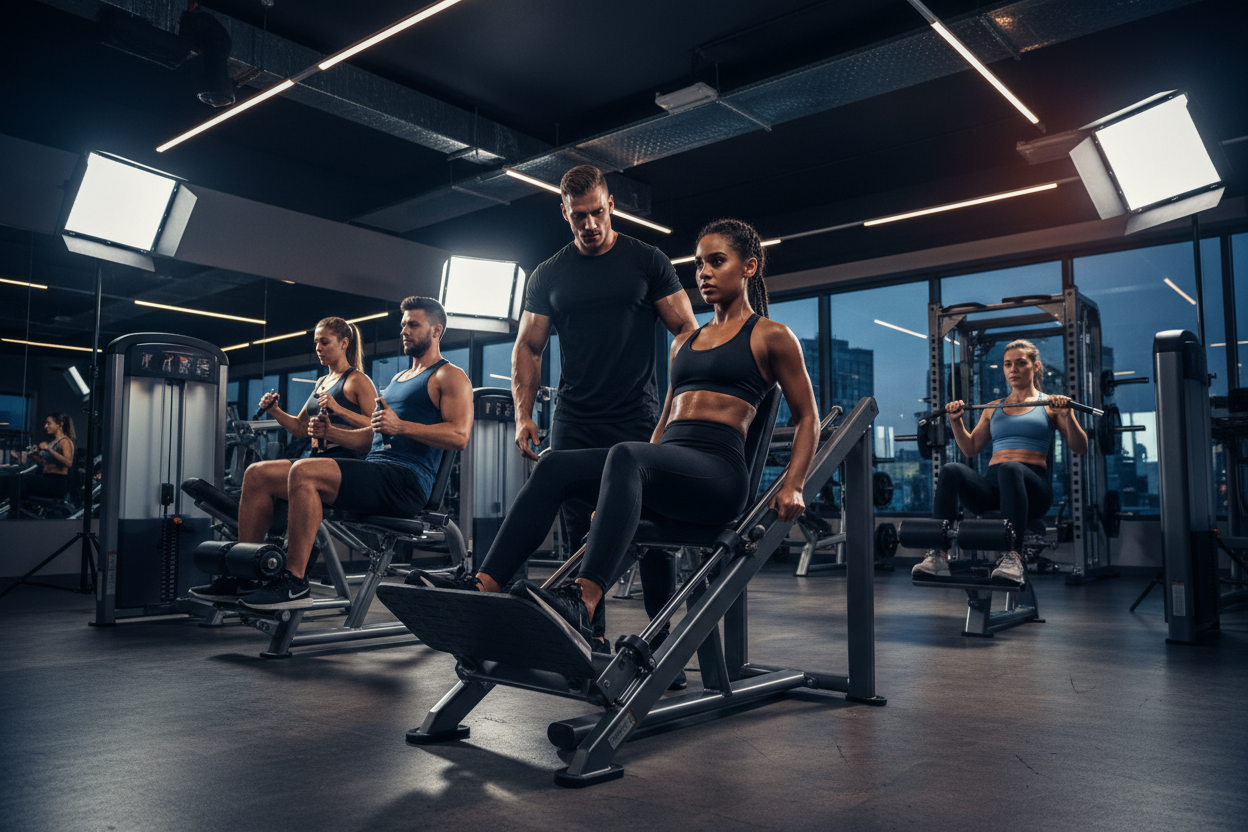
This is the king of machine exercises. It mimics the squat but protects your lower back.
The Form: Place your feet shoulder-width apart in the center of the platform. Lower the sled until your knees form a 90-degree angle. Do not let your heels lift off the platform. Push through your heels to return to the start, but stop just short of locking your knees out to keep tension on the muscles.
2. Chest Press Machine (Pectorals and Triceps)
This targets the pushing muscles of the upper body. It’s safer than the bench press because you can't get trapped under the weight.
The Form: Adjust the seat so the handles align with the middle of your chest (nipple line), not your shoulders. If your hands are too high, you risk shoulder impingement. Keep your elbows slightly tucked, not flared out at 90 degrees.
3. Lat Pulldown (Back and Biceps)
A staple in any beginner weight machine routine. This helps build the "V-taper" look and strengthens the muscles responsible for posture.
The Form: Grip the bar slightly wider than shoulder-width. Sit down and secure your knees under the pads. Lean back very slightly and pull the bar down to your upper chest—not your belly button. Focus on driving your elbows down towards your pockets.
4. Seated Cable Row (Mid-Back)
While the pulldown builds width, the row builds thickness. This is crucial for counteracting the "hunched over a desk" posture.
The Form: Keep a slight bend in your knees. Keep your torso upright; do not swing back and forth to use momentum. Pull the handle toward your lower stomach, squeezing your shoulder blades together like you are trying to crack a walnut between them.
5. Seated Shoulder Press (Deltoids)
This rounds out the beginner machine workout plan by targeting the shoulders.
The Form: Set the handles so they start at ear level. Press straight up overhead. Control the descent. Do not let the weight stack crash down between reps.
Sets and Reps: The Science of Growth
For this weight machine workout for beginners, we aren't training for a powerlifting meet. We are training for hypertrophy (muscle growth) and endurance.
Stick to a standard protocol: 3 sets of 10–12 repetitions.
If you can easily do 15 reps, the weight is too light. If you can't get to 8 reps, it's too heavy. The last 2 reps should feel difficult, but your form should not break down.
Common Mistakes in Machine Weight Training for Beginners
Ignoring the Adjustment Knobs
Machines are built for the "average" human. If you are 5'2" or 6'4", the default setting will not fit you. Using a machine that isn't adjusted to your limb length can cause injury. Before you sit, look for the bright yellow or red adjustment handles. Align the machine's pivot point with your joint's pivot point.
Resting Too Long (or Too Little)
Your phone is the enemy of intensity. In a machine exercises for beginners circuit, aim for 60 to 90 seconds of rest between sets. This allows ATP (energy) to replenish without letting your muscles get completely cold.
My Training Log: Real Talk
Let me be honest about my first month using a beginner weight training machines circuit. The hardest part wasn't the lifting; it was the social anxiety of adjusting the seats.
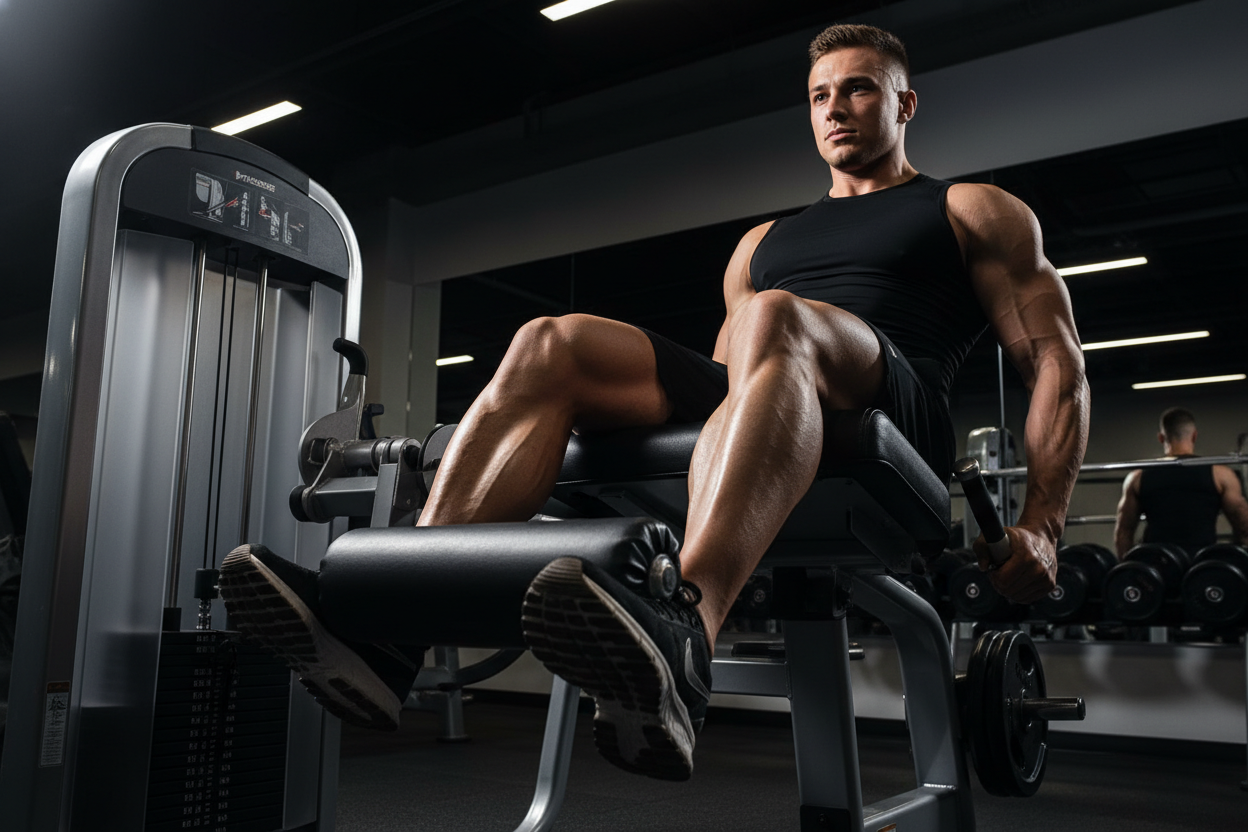
I distinctly remember using the Seated Leg Curl. I sat down, hooked my ankles over the pad, and tried to pull. It wouldn't budge. I thought I was just incredibly weak. I started sweating, feeling eyes on me. Turns out, the previous user was 6'5", and the shin pad was set so far out that I was basically trying to lever a telephone pole with my ankles.
I had to awkwardly get up, pull the yellow pin—which was stuck and required a solid yank—and slide the pad in. It made a loud metallic CLANK that echoed through the gym. I flinched. But you know what? No one looked. No one cared. That specific sound of the pin clicking into the weight stack eventually became a comfort sound for me. It meant I was set up, safe, and ready to work. Don't fear the adjustment knobs; they are the only way to make the machine actually work for you.
Conclusion
A gym machine workout for beginners is not a "lesser" workout. It is a tactical approach to building a base level of strength. By utilizing these tools, you ensure that you are stimulating the muscle effectively while minimizing the risk of injury. Master these five movements, stay consistent for 8 weeks, and you will see a transformation in both your physique and your confidence.
Frequently Asked Questions
How often should I do this beginner machine workout?
For most people, 3 days a week is the sweet spot (e.g., Mon/Wed/Fri). This allows for a full day of recovery between sessions, which is when muscle growth actually occurs.
When should I switch from machines to free weights?
There is no strict rule, but generally, after 8 to 12 weeks of consistent machine training, your connective tissue and muscles will be ready for the instability of free weights. You can slowly swap one machine exercise for a dumbbell equivalent over time.
Can I lose weight with just machine exercises?
Yes. Resistance training burns calories and builds muscle tissue. Muscle tissue is metabolically active, meaning the more muscle you have, the more calories your body burns at rest. Combine this routine with a calorie deficit for fat loss.