Ignore the Influencers: A Real-World Guide to Weight Lifting
I remember staring at a $3,000 power rack online at 2 AM, convinced that if I didn't have 11-gauge steel and a multi-grip pull-up bar, my progress would stall. I was wrong. Most of what you see on social media is designed to sell you supplements or subscriptions, not to actually make you strong. This is a no-BS guide to weight lifting for people who value their time, their budget, and their joints.
- Master the big four movements before adding variety.
- Stop changing your routine every week; stick to the basics for 12 weeks.
- Buy a high-quality barbell and bench before anything else.
- Consistency in the basics beats intensity in the gimmicks every time.
Why Most Modern Lifting Advice is Complete Garbage
Social media has ruined the guide to lifting. Influencers love "optimization" because it sounds scientific and, more importantly, it's complicated. Complicated sells. They’ll tell you that if your pinky isn’t at a 45-degree angle during a lateral raise, you’re wasting your time. That’s garbage. Most of these people are on gear or have elite genetics, and they’re distracting you from the basics that actually work for a normal human being.
Analysis paralysis is the primary reason people quit before they see results. They read ten different lifting guides and get so worried about overtraining or junk volume that they never actually pick up a heavy rock. I’ve seen guys spend three months researching the "perfect" periodization model while their 20kg barbell gathers dust in the corner. Don't be that person. Real progress comes from basic movements done with high intensity and a simple progression, not from a 14-exercise circuit you found on TikTok.
The Only 4 Movements You Actually Need to Learn
Stop trying to learn 50 different exercises. If you want a guide to lifting weights that actually produces results, you only need to master four patterns: the squat, the hinge, the push, and the pull. Everything else is just a variation of these four things. If you can move a heavy load in these patterns, you will get bigger and stronger. Period. I don't care if it's a barbell, a dumbbell, or a heavy sandbag—the pattern is what builds the muscle.
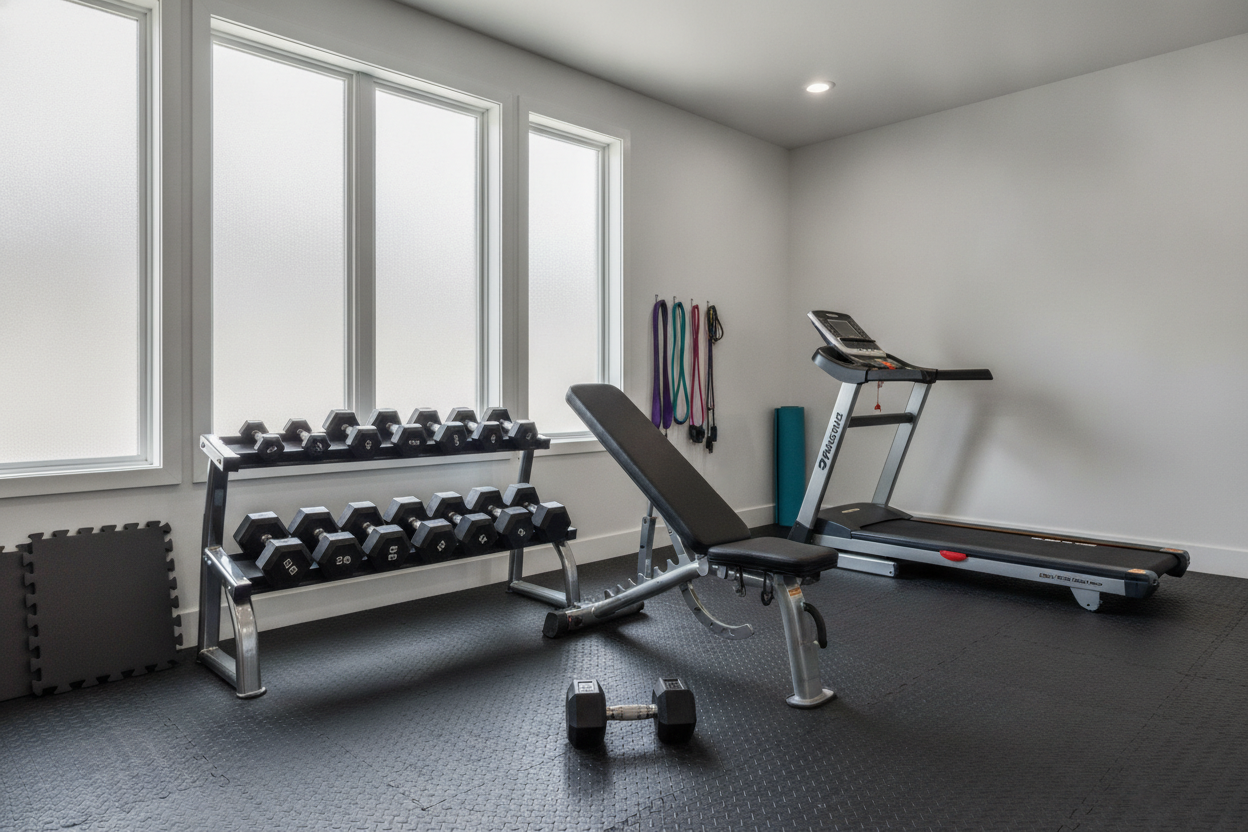
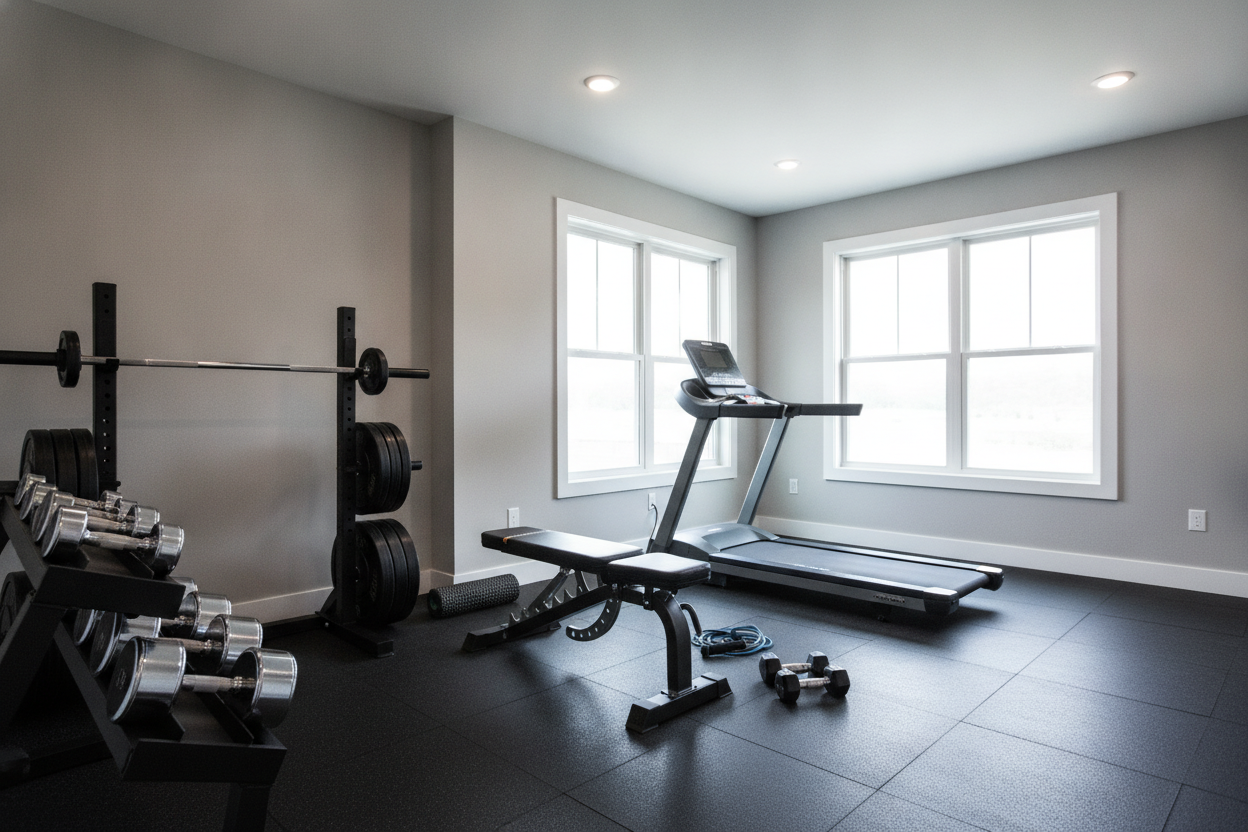
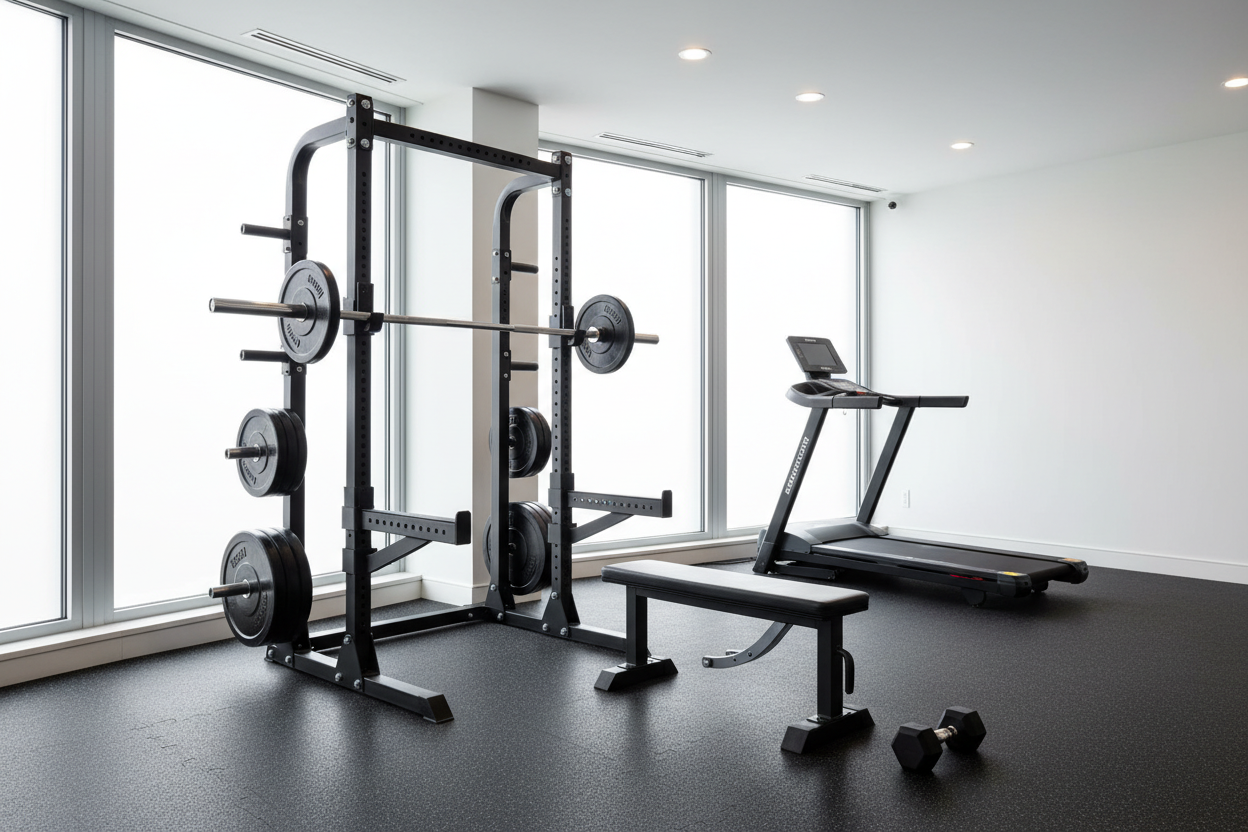
You don't need a $5,000 cable crossover or a boutique studio membership to execute these moves. You need reliable strength equipment that can handle the weight as you progress. I’m talking about a solid rack, a bar that doesn't bend like a noodle, and enough plates to keep you challenged. When I started, I wasted money on a "total body" home machine that felt like it was made of soda cans. It shook every time I tried to press more than 100 pounds. Stick to the basics and build a foundation of strength before you worry about the fancy stuff.
Free Weights vs. Machines (What Belongs in Your Setup?)
Free weights are the king for a reason: they force you to stabilize the load. A barbell doesn't have a track; you have to balance it, which engages more muscle fibers. However, don't listen to the purists who say machines are useless. Selective use of weight lifting machines is a great way to add volume without taxing your central nervous system too much. Use the bar for your heavy sets of five, then hit the machines for sets of 10-15 to really flush the muscle with blood. This hybrid approach keeps you from burning out while still getting the benefits of compound movements.
Gear That Matters (And What You Can Skip)
If you're building a home setup, prioritize the contact points. That means your hands on the bar and your back on the bench. Don't buy a $50 bench from a big-box store; I’ve had one collapse under me during a 225-lb press, and it’s not a fun way to meet your local ER staff. I personally recommend the Gxmmat adjustable weight bench because it has a high weight capacity and doesn't have that annoying gap between the seat and the backrest that ruins your arch. It’s stable, which is the only thing that matters when you're straining under a heavy load.
Skip the specialized grips, the weighted vests, and the altitude masks. Put that money into a better barbell. A bar with decent knurling—the sandpaper-like texture on the steel—will keep your grip from failing before your legs do. Look for a 28.5mm diameter for a good all-purpose feel. For a deeper breakdown of what to buy and what to ignore, take a look at this smart buying guide for equipment. It'll save you a few hundred bucks on stuff you’ll just end up selling on a garage sale in six months.
Writing Your First Real Program (Keep It Boring)
The best lifting weight guide is the one you can actually stick to for a year. I recommend a 3-day full-body split. Monday, Wednesday, Friday. You do one squat variation, one push, one pull, and one hinge. That's it. Your goal isn't to leave the gym feeling like you ran a marathon; your goal is to add five pounds to the bar every single week. This is called progressive overload, and it’s the only law of lifting that matters. If you aren't adding weight or reps over time, you aren't training; you're just exercising.
The 90-Day Reality Check: Setting Expectations
You aren't going to look like a pro bodybuilder in three months. You might not even look that different in the mirror. But your numbers will move. You’ll go from struggling with a 95-lb squat to repping out 135-lb like it’s nothing. That’s the "newbie gain" phase, and it’s the most fun you’ll ever have in the gym. This guide to lifting works if you stay consistent. Don't miss sessions, don't overthink the "optimal" angle of your bench, and just keep adding weight. Now go move something heavy.
FAQ
How many days a week should I lift?
Start with three. It’s enough to trigger growth but gives your joints plenty of time to recover. Once you can't add weight every week, then consider moving to a four-day split.
Do I need a weight belt?
Not yet. Learn to breathe into your stomach and create internal pressure first. Once you're squatting 1.5x your body weight, then a belt becomes a useful tool for extra stability.
Is it okay to lift every day?
Only if you want to burn out. Muscle grows while you sleep and rest, not while you're under the bar. If you're a beginner, lifting every day is the fastest way to get an overuse injury like tendonitis.