Weight Lifting Equipment: The Definitive Guide to Smart Buying
Walking into a fitness superstore or browsing an online catalog can feel paralyzing. You are bombarded with shiny machines, complex pulley systems, and bells and whistles that promise instant results. But here is the reality: building strength doesn't require a hangar full of gear. It requires the right tools applied with the right intensity.
If you choose the wrong **weight lifting equipment**, you aren't just wasting money; you are potentially setting yourself up for injury or stalling your progress. Whether you are outfitting a garage gym or trying to navigate the local health club, understanding the mechanics and quality of your gear is just as important as the workout itself.
Key Takeaways
- Prioritize Free Weights: Barbells and dumbbells recruit stabilizer muscles that machines often neglect.
- Check the Specs: Look for tensile strength (PSI) in bars and cast iron or urethane construction for plates.
- Space Efficiency: Adjustable dumbbells and power racks offer the highest ROI for limited square footage.
- Safety First: Never compromise on collars, bench stability, or rack weight capacity.
The Core Categories of Weight Training Equipment
To make an informed decision, you must distinguish between the flashy gadgets and the foundational tools. Weight training equipment generally falls into two buckets: free weights and machines. Understanding the difference is crucial for your programming.
Free Weights: The King of ROI
Free weights—barbells, dumbbells, and kettlebells—force you to control the load through a full range of motion. This doesn't just work the target muscle; it forces your central nervous system to coordinate balance and stability.
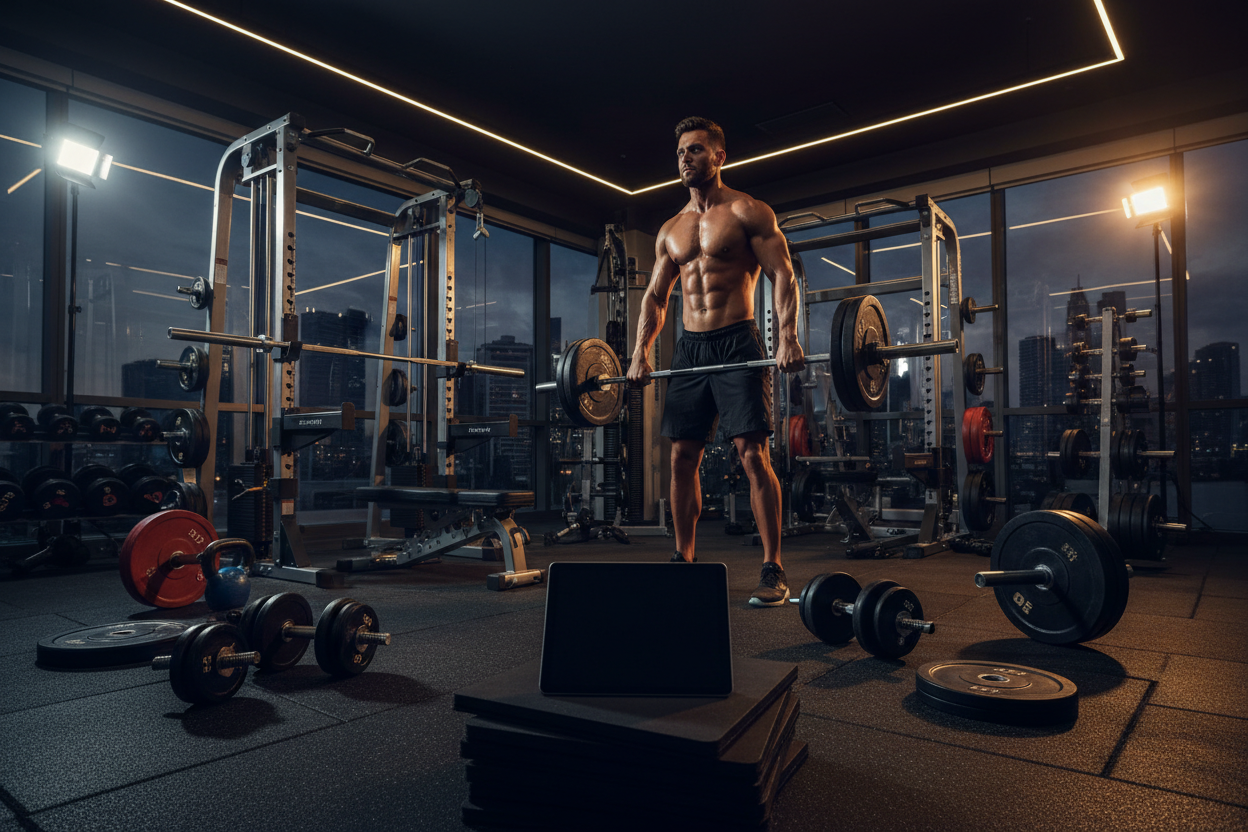
When looking at exercise equipment and weights for a home setup, the Olympic barbell is your centerpiece. It allows for compound movements like squats, deadlifts, and presses. These movements move the most load and generate the greatest systemic fatigue, which is the signal your body needs to grow.
Machines and Cables
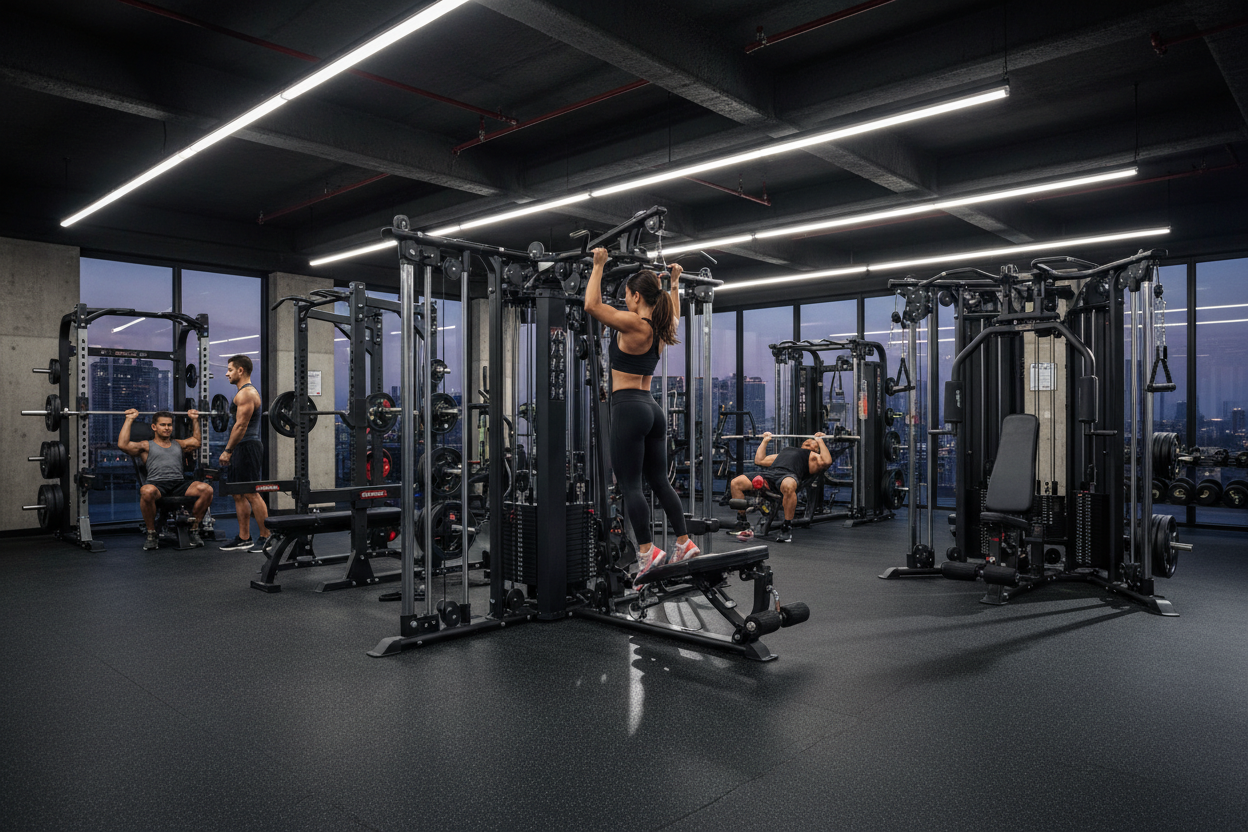
Gym equipment weight lifting stations, like leg presses or cable crossovers, have a specific place. They provide stability, allowing you to isolate a muscle group without worrying about balance. This is excellent for hypertrophy (muscle growth) or working around an injury, but they should rarely replace free weights entirely.
How to Judge Quality When Buying Weight Lifting Equipment
Not all iron is created equal. I have seen exercise equipment weight sets that look professional but crumble under serious use. Here is what to look for.
The Barbell: Tensile Strength and Knurling
If you are buying weight lifting equipment, spend the bulk of your budget on the bar. Cheap bars bend permanently. Look for a tensile strength of at least 190,000 PSI. If the manufacturer doesn't list the PSI, do not buy it.
Next, check the knurling (the rough grip pattern). It shouldn't be so passive that it slips with sweat, nor so aggressive that it tears your calluses on the first rep.
Plates and Dumbbells
For weights and workout equipment, the material matters. Standard "iron" plates are classic, but they are loud and can crack flooring. Bumper plates (rubber-coated) are essential if you plan on doing Olympic lifts or dropping the bar. For dumbbells, avoid the hex dumbbells with plastic handles; they often break. Go for welded heads or solid cast iron.
Integrating Weight and Fitness Equipment into Your Space
Most people overestimate the space they need. You don't need a warehouse. Effective workout equipment with weights can fit in a single car garage or a spare bedroom.
The hierarchy of purchase should be:
- Flooring: Horse stall mats are cheaper and more durable than "fitness" foam tiles.
- Rack: A power rack with safety pins is non-negotiable for solo training.
- Bench: Get a flat or adjustable bench rated for at least 600lbs.
- Weights: A 300lb Olympic set will last most lifters years.
My Personal Experience with Weight Lifting Equipment
I want to share something that specs on a website won't tell you. Years ago, I bought a budget "starter set" barbell from a big-box store to save a few hundred dollars. It had a bolted sleeve rather than a snap-ring design.
During a heavy set of deadlifts, I felt a strange wobble. It wasn't my form; it was the equipment. The bolt on the end of the sleeve had loosened from the vibration of the plates hitting the floor. Mid-rep, the sleeve actually shifted about an inch, throwing the weight distribution off completely. I tweaked my lower back trying to compensate for the sudden shift.
Furthermore, the "chrome" finish was actually a cheap plating that started flaking off after six months. I remember rubbing my eye during a rest period and getting a microscopic flake of metal in there—absolute misery. That day, I learned that weight lifting exercise equipment is a "buy nice or buy twice" category. The grit of a high-quality oxide bar and the smooth spin of needle bearings isn't just luxury; it's safety.
Conclusion
Building a physique or a home gym requires patience and discernment. Don't get distracted by the latest weight workout equipment infomercials. Stick to the basics: heavy iron, a sturdy rack, and a bar that won't bend. Your muscles can't tell the difference between a brand name and a generic plate, but your joints will definitely know the difference between a quality barbell and a cheap rod.
Frequently Asked Questions
What is the most essential piece of weight lifting equipment for beginners?
If you can only buy one item, get a high-quality adjustable dumbbell set or a kettlebell. These pieces of exercise equipment with weights allow you to perform squats, presses, and rows without taking up floor space.
Is used gym weights and equipment safe to buy?
Yes, used iron plates and dumbbells are generally safe and cost-effective. However, be very cautious with used barbells. It is difficult to tell if a bar is slightly bent or if the internal bearings are damaged without testing it in person.
How much space do I need for basic weight lifting exercise equipment?
For a full power rack and barbell setup, you need an area of roughly 8 feet by 8 feet. This accounts for the 7-foot barbell length and room to load plates on either side comfortably.