I Wasted Thousands Figuring Out Which Gym Machines to Buy
I remember staring at my credit card statement after buying a 'commercial grade' functional trainer that shook every time I pulled more than 50 pounds. It was a $2,500 mistake that taught me a hard lesson: marketing departments are great at making flimsy steel look like a tank. When you're looking for gym machines to buy, you aren't just paying for the iron; you're paying for the engineering that keeps the thing from collapsing while you're under it.
Quick Takeaways
- Plate-loaded machines usually offer the best value for home users compared to selectorized stacks.
- Always factor in freight shipping—it can add $200 to $500 to the total cost.
- Stick to 11-gauge steel if you want equipment that lasts more than two years.
- Versatility is king; if a machine only does one movement, it’s probably a waste of floor space.
The Sticker Shock of Building a Home Setup
The first time I tried to outfit a 400-square-foot garage, I thought $3,000 would get me a palace. I was wrong. By the time I added up the base units, the shipping fees, and the 'small' things like collars and floor mats, I was way over budget. People often ask me how much gym equipment actually costs, and the answer is usually '30% more than the price on the screen.'
Shipping is the silent killer. A 300-pound leg press might look like a steal at $800, but when the freight carrier quotes you $350 for residential delivery with a liftgate, that deal evaporates. You also need to account for the 'attachment tax.' Most cable machines come with one crappy nylon handle. If you want a real stainless steel lat bar or a tricep rope that doesn't fray, expect to drop another $150 minimum.
Decoding the Real Gym Machine Price Structure
There is a massive gap between a $500 Amazon special and a $4,000 commercial unit. The gym machine price you see usually reflects the thickness of the steel and the quality of the pulleys. Commercial gear is built to be abused 18 hours a day by people who don't own it. In a home gym, you can often find a middle ground with 'light commercial' specs—think 11-gauge steel and 2,000-lb rated aircraft cables.
Don't pay for a brand name just to have a logo in your garage. A lot of these companies use the same factories in China and Taiwan. If the specs are identical—same pulley ratio, same steel thickness, same footprint—don't let the shiny marketing convince you to pay a 40% premium. How to Pick a Gym Machine for Home That Won't Collect Dust is a solid resource for figuring out if that premium price tag actually translates to a better workout or just a prettier frame.
The Only 3 Pieces You Actually Need to Start
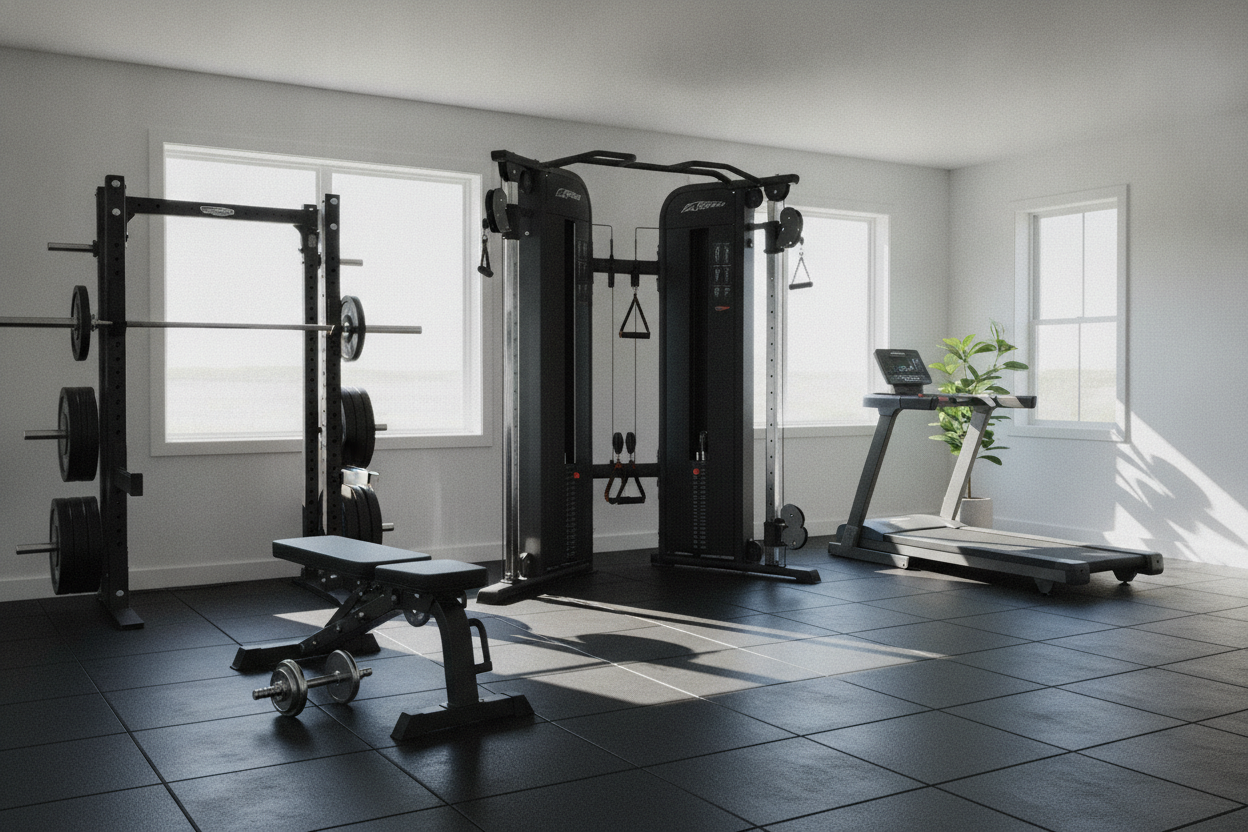
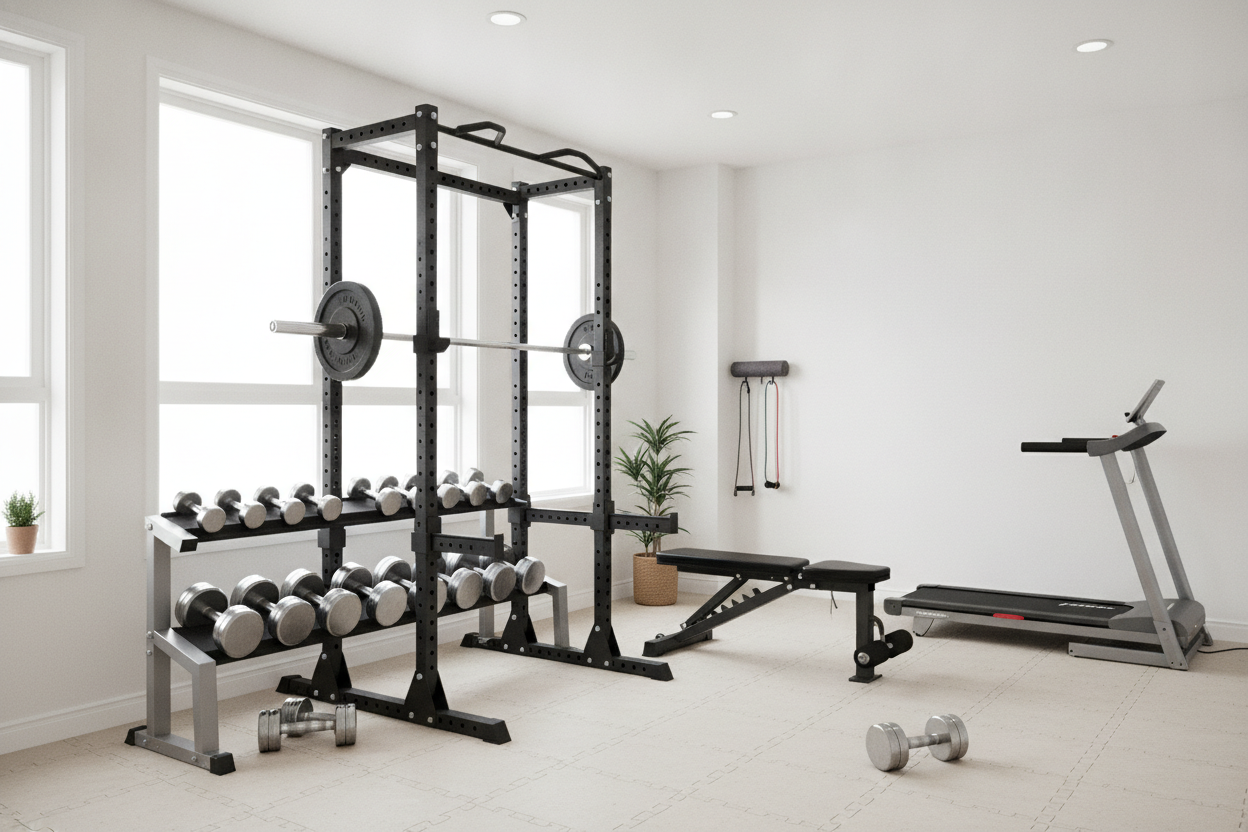
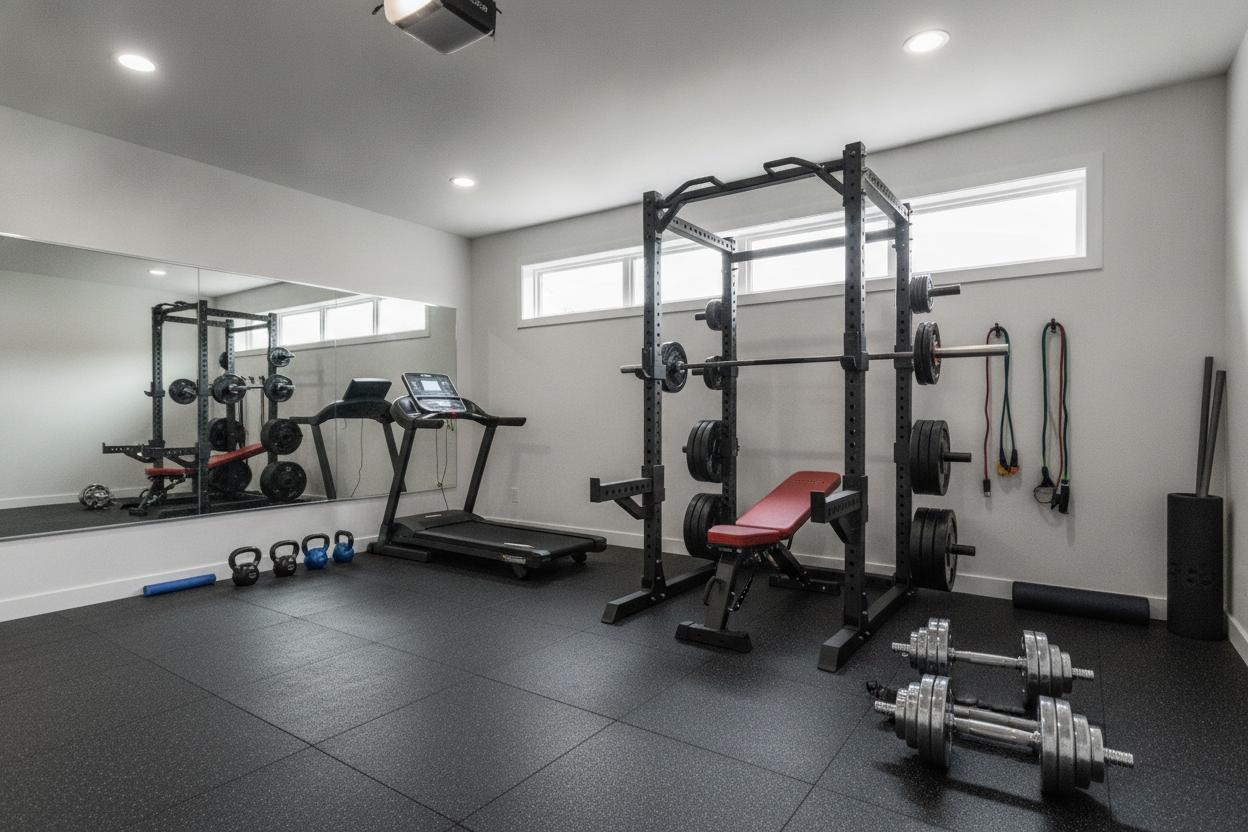
You don't need a circuit of twelve different machines. If I had to start over with a blank check and a small room, I’d buy a high-quality power rack, a functional trainer, and an adjustable bench. The power rack is your hub for squats, presses, and pulls. Look for 3x3 inch posts with 5/8 inch or 1 inch holes—this ensures you can actually find attachments later.
The functional trainer is the most versatile fitness machine price-wise because it replaces about ten single-use stations. You can do crossovers, lat pulldowns, rows, and even belt squats if you're creative. Finally, get a bench that doesn't wobble. If you’re pressing 225 pounds, the last thing you want is a $99 bench that feels like a seesaw. Look for a tripod design with a high-density foam pad that won't bottom out after six months of use.
Swapping Massive Cable Stacks for Cheaper Alternatives
If a $3,000 selectorized cable tower isn't in the cards, don't sweat it. Plate-loaded options are the ultimate budget hack. The price of exercise machine setups drops significantly when the manufacturer doesn't have to ship 400 pounds of milled iron plates inside the box. You use the Olympic plates you already own, which saves you a fortune in both the base price and the shipping costs.
You can effectively replicate almost any high-end movement with the right setup. I've used plate-loaded lat towers that felt smoother than the fancy stacks at the local YMCA. For more on this, check out Adapting Gym Exercise at Home: The Machine Translation Guide. It breaks down how to use bands and plate-loaded levers to mimic those expensive movements without the four-figure investment.
Used vs. New: Where to Safely Cut Corners
I’ve bought a lot of junk on the secondary market. The trick to finding a fair workout machine price on Facebook Marketplace is knowing what's fixable and what's trash. If a frame is scratched or the paint is chipped, buy it. That's cosmetic. If the pulleys are plastic and cracked, or if the cables are frayed and showing the steel core, you're looking at a safety hazard that might cost more to fix than the machine is worth.
Avoid anything with 'proprietary' parts from defunct brands. If a bolt strips on a generic 3x3 rack, you can go to Home Depot. If a specialized cam snaps on a 1990s-era circuit machine, you now own a very heavy piece of modern art. Stick to brands that are still in business or machines that use standard 1-inch or 2-inch steel tubing.
FAQ
Is a Smith machine worth the space?
Only if you're a bodybuilder or have specific injuries that require a fixed path. For most people, a power rack is safer and more versatile for the same footprint.
What is a good pulley ratio for a home gym?
A 2:1 ratio is standard for functional trainers, meaning 100 lbs on the stack feels like 50 lbs. This gives you more cable travel for dynamic movements. A 1:1 ratio is better for heavy lat pulldowns and rows.
How do I stop my machines from sliding on the floor?
Get 3/4-inch horse stall mats. They are heavy, absorb vibration, and keep your equipment anchored without having to bolt everything into the concrete.