I Wasted Months Looking for the Perfect Routine for Working Out
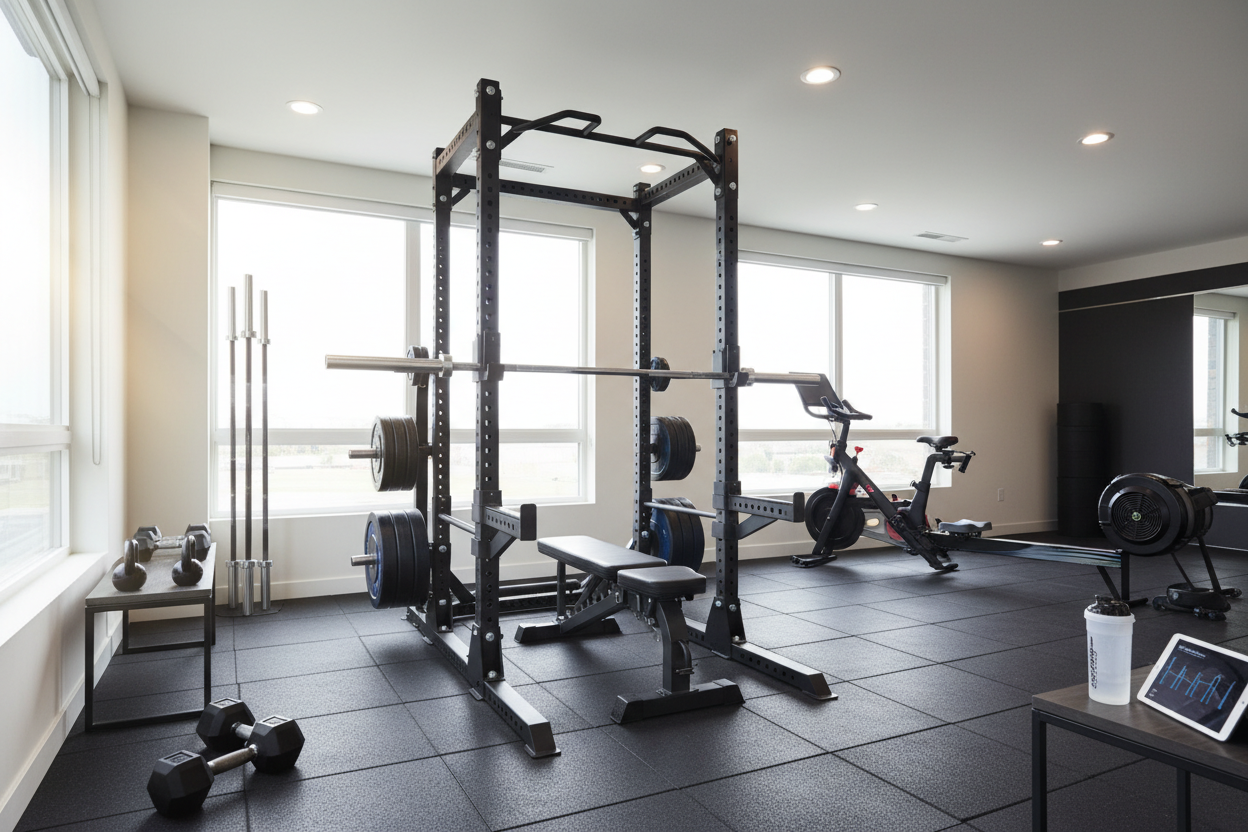
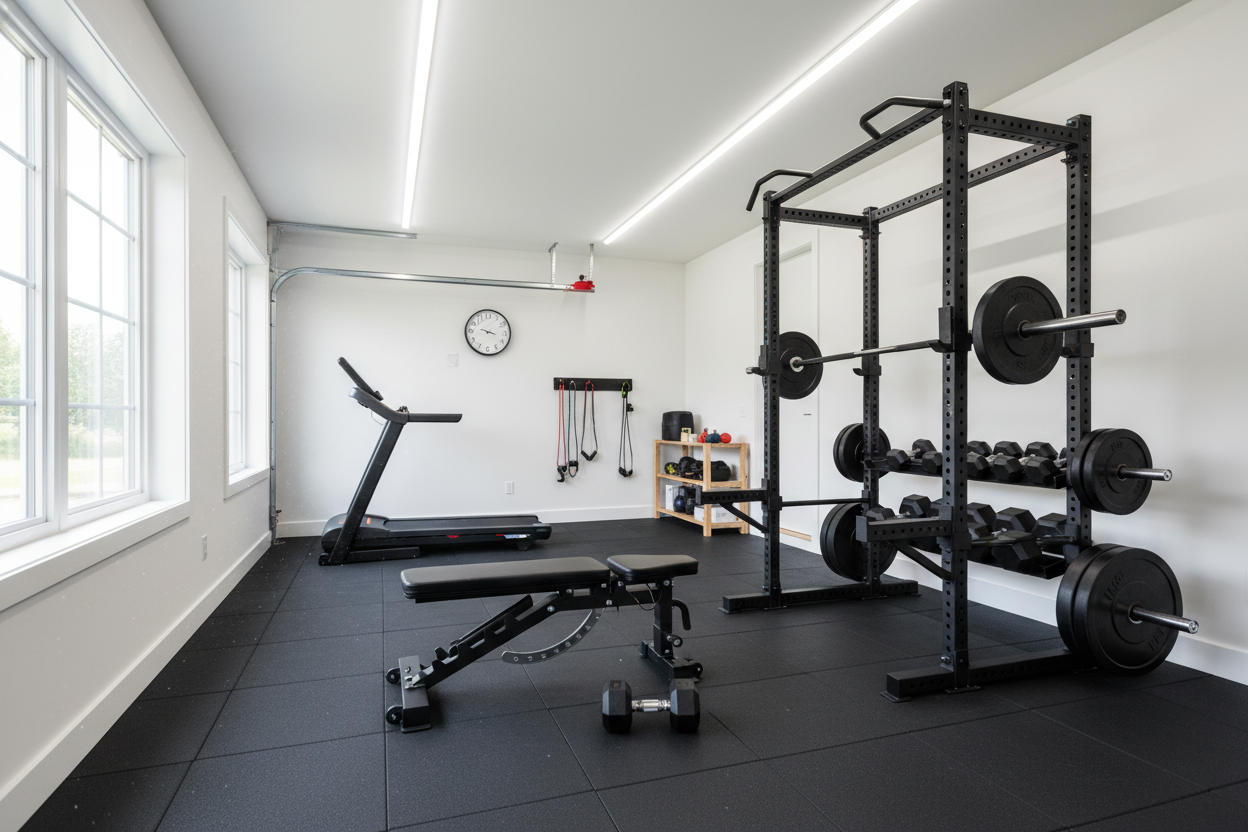
I remember sitting in my garage three years ago, surrounded by a brand-new power rack and a 300-lb Olympic set, staring at my phone. I’d spent two hours reading Reddit threads about whether a PPL split was superior to an Upper/Lower split for hypertrophy. My coffee was cold, my motivation was tanking, and I hadn't moved a single plate. I was a victim of analysis paralysis, convinced that if I didn't find the perfect routine for working out, I was wasting my time.
The truth is, the 'best' program is the one that doesn't make you want to quit by Tuesday. Most of us don't need a professional athlete's spreadsheet; we need a plan that survives a late night at the office or a sick kid. I finally stopped scrolling and started lifting, and that's when the progress actually happened.
- Pick 3 'Anchor Days' to ensure consistency.
- Focus on compound movements like squats and rows over isolation.
- Prioritize your gym floor foundation before buying fancy bars.
- Change your routine only when you hit a genuine physical plateau.
The 'Perfect Program' Trap Kept Me Weak for Years
I used to spend more time on forums than on my bench. I was obsessed with 'optimal' training. I'd read about RPE, periodization, and conjugate methods until my head spun. I thought if I didn't have a 12-week periodized block mapped out in Excel, my muscles wouldn't grow. It was a lie I told myself to avoid the actual hard work of moving heavy iron in a cold garage.
Optimization is the enemy of action. When you’re constantly looking for a better way to train, you never actually train. I’d start a program, do it for nine days, read a critique of it online, and immediately switch. I was a 'program hopper' with zero gains to show for it. If you're stuck in that same loop, stop. Go to the Workout Hub, grab a basic template, and commit to it for 90 days. No changes, no tweaks, no 'optimizing' until the three months are up. You’ll find that a mediocre plan executed with intensity beats a perfect plan executed with hesitation every single time.
How to Set Up a Exercise Routine Without a Spreadsheet
You don't need a degree in kinesiology to figure out how to set up a exercise routine. In fact, the more complex you make it, the more likely you are to fail. I start by looking at my actual life—not my 'ideal' life where I have two hours of free time every morning. I look at my work schedule, my energy levels after a long day, and when I actually have access to my gear.
Instead of trying to hit the gym six days a week like a pro bodybuilder, I aim for a frequency I can maintain even when life gets chaotic. For most people training at home, that's three or four days. If you try to force a high-volume split into a high-stress life, you’re going to burn out by week three. Keep it simple: one heavy movement, one or two accessory movements, and get out. Efficiency is what keeps you coming back when the initial excitement wears off.
Step 1: Lock In Your Anchor Days
Anchor days are your non-negotiables. For me, it’s Monday, Wednesday, and Friday. These are the days I train no matter what. If I’m tired, I do a shortened version. If I’m busy, I lift at 9 PM. By picking these specific days, you remove the 'should I workout today?' debate from your brain. This is the secret to how you build a sustainable exercise routine workout that actually lasts years instead of weeks.
Think of these days as appointments with yourself. If you had a meeting with your boss, you wouldn't skip it because you felt 'a little tired.' Treat your training with the same respect. On off-days, you can do some light walking or mobility work, but the anchor days are where the real work happens. This structure provides the rhythm your body needs to adapt and grow.
Step 2: Pick Movements Over Muscles
Stop thinking about 'biceps day' or 'calf day.' Unless you’re stepping on a stage in a speedo, isolation training is a waste of your limited time. You want to focus on the four big categories: Squat, Hinge, Push, and Pull. If you do a variation of these in every session, you’re hitting every major muscle group in your body with maximum efficiency. A goblet squat works more than just your quads; it hits your core and your back too.
I personally love the 'A/B' split. Day A is Squats and Overhead Press. Day B is Deadlifts and Weighted Pull-ups. It’s boring, it’s repetitive, and it’s incredibly effective. You don't need 15 different machines to get strong. You need a barbell and the discipline to do the same movements over and over again until your numbers go up. That's the core of any real strength program.
How to Start Workout Plan Habits When Motivation Dies
Motivation is a fair-weather friend. It’s there when you buy your new lifting belt, but it’s gone the first time you have a headache. To learn how to start workout plan habits that stick, you have to stop relying on 'feeling' like working out. I use environmental cues. My gym shoes are always in the same spot. My pre-workout is on the counter. If I have to go looking for my gear, I’ve already lost the battle.
The third week is usually where the 'new gym smell' wears off. This is the danger zone. When you hit this wall, give yourself permission to do a '10-minute workout.' Tell yourself you'll just do one set of squats. Usually, once you’re under the bar, you’ll finish the whole session. If you don't? At least you kept the habit alive. Discipline is a muscle you build by showing up when you don't want to.
The Bare-Bones Gear You Need to Execute This
I’ve owned the $3,000 functional trainers and the fancy selectorized dumbbells. They’re nice, but they aren't necessary. To follow a solid routine for working out, you need a rack you trust, a decent bar, and some plates. I started with a used 300-lb set I found on Craigslist and it served me for years. Don't let a lack of gear be an excuse to stay on the couch.
However, don't skimp on the foundation. I learned the hard way that dropping iron on a bare garage floor is a recipe for cracked concrete and angry neighbors. Before you buy that fancy specialty bar, invest in some high-quality gym flooring for home workout spaces. It protects your equipment, your joints, and your house. A solid 6x8 ft area is plenty of space to perform every major lift safely. Once the floor is set, everything else is just icing on the cake.
When Should You Actually Change Things Up?
Program hopping is the death of progress. But how do you know when it’s actually time to how to establish a workout routine change? You change when you stall, not when you’re bored. A stall is when you haven't added a single pound or a single rep to your main lifts for three consecutive weeks, despite your sleep and nutrition being on point.
If you’re just bored, change your accessory movements. Swap a dumbbell row for a cable row. But keep the main lifts—the squats and presses—as the core of your program. If you truly hit a wall, then you can switch up your home routine to include different rep ranges or new variations. Just remember: the goal is to get stronger, not to be entertained. Consistency is boring, but the results are worth it.
FAQ
How long should my workouts last?
If you're training with intensity, 45 to 60 minutes is the sweet spot. If you're in the gym for two hours, you're likely resting too long or spending too much time on your phone. Get in, hit your heavy sets, and get out.
Can I workout every day if I have the energy?
You can, but you shouldn't. Muscle doesn't grow while you're lifting; it grows while you're sleeping and recovering. For most people, 3-5 days a week is the limit before recovery starts to suffer and injuries creep in.
What if I don't have a barbell?
You can run this exact same 'Squat, Hinge, Push, Pull' framework with dumbbells or even heavy kettlebells. The tool matters less than the effort and the progressive overload. Just make sure you have a way to make the exercises harder over time.