Starting a New Workout: How to Switch Up Your Home Routine
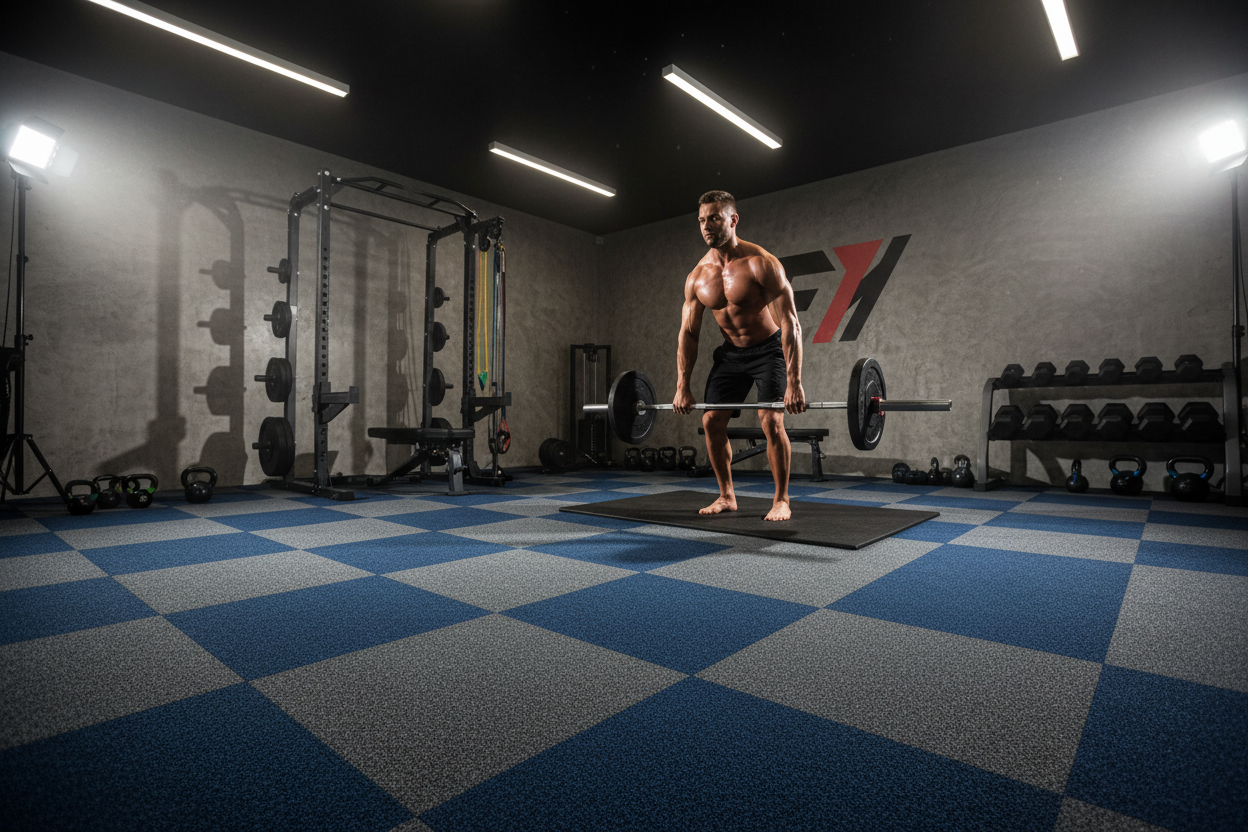
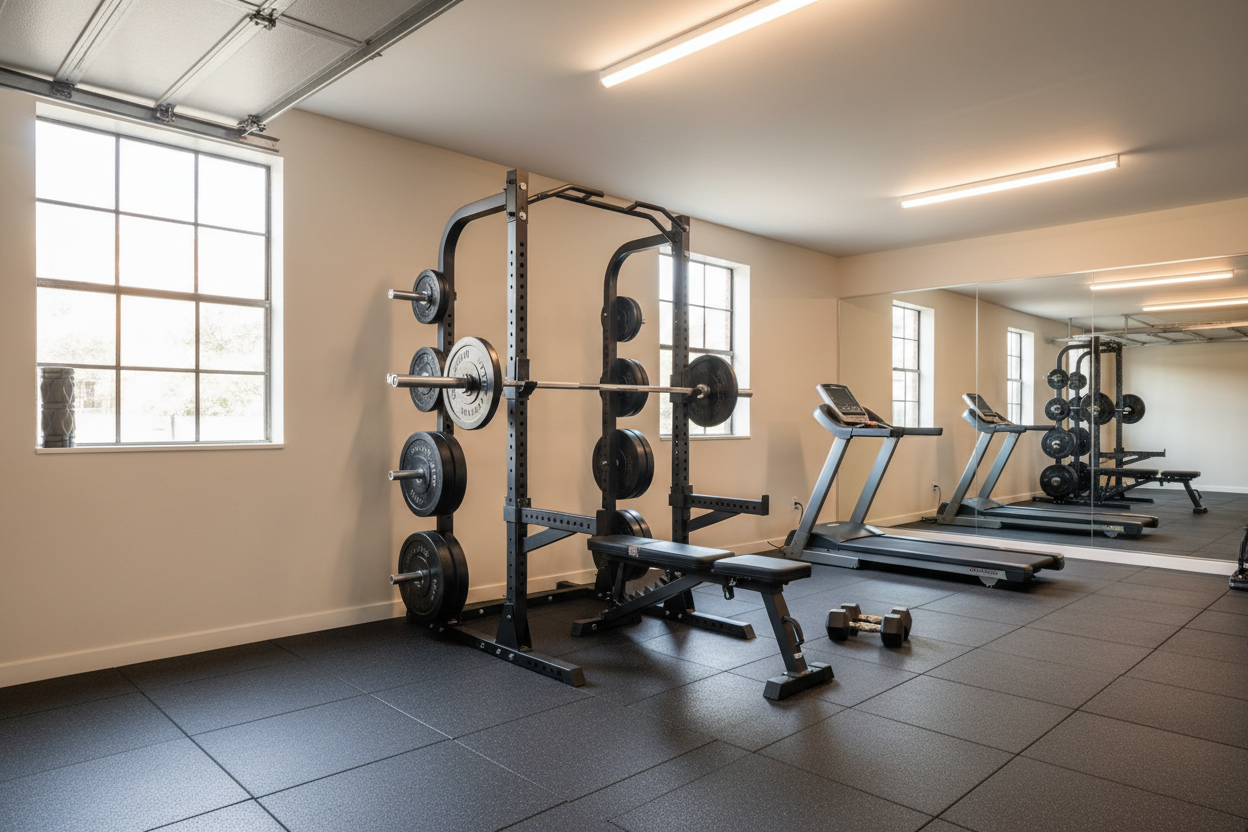
I remember staring at my garage gym setup—a basic half-rack, a well-worn flat bench, and a set of 5-52.5 lb adjustable dumbbells—feeling completely uninspired. I had been running the exact same push-pull-legs split for fourteen months. My elbows ached, my progress had stalled, and the thought of doing another set of heavy barbell rows made me want to skip training altogether. That is the exact moment you know it is time for a new workout.
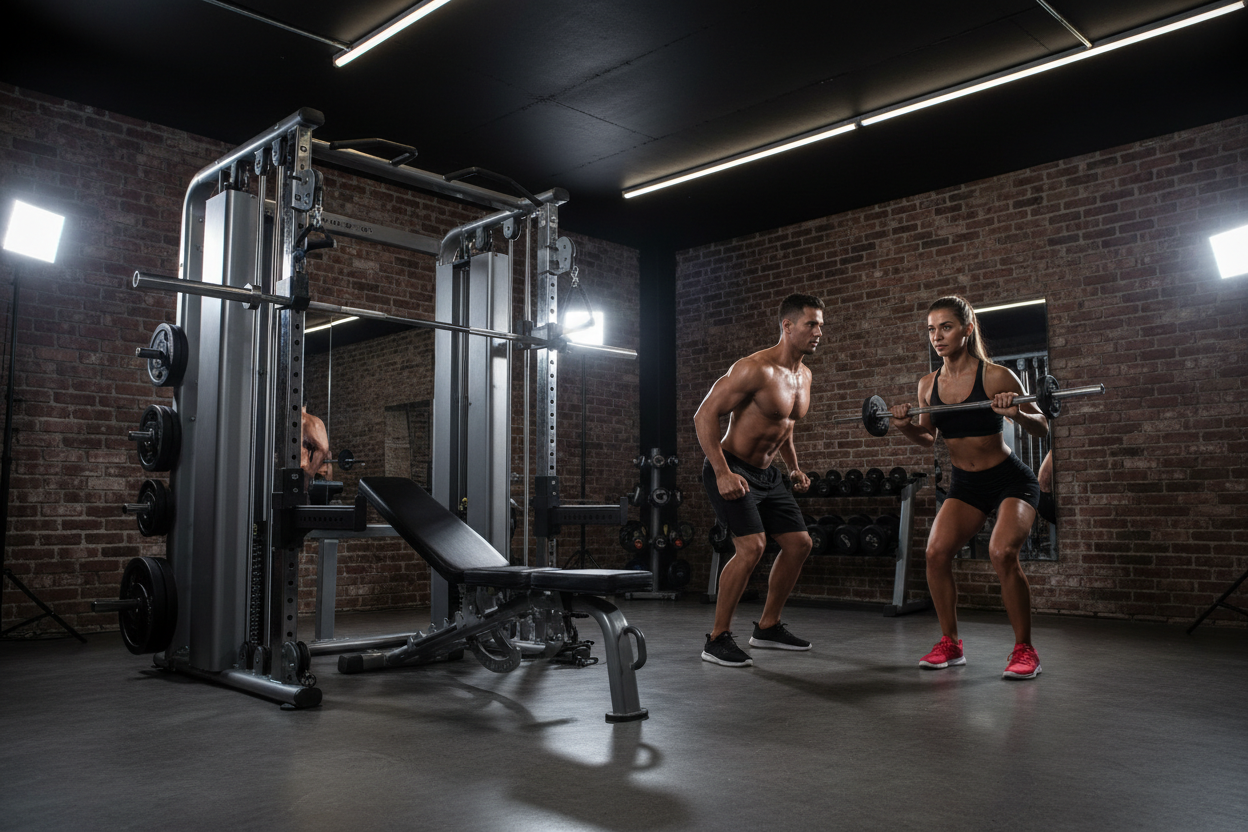
Switching up your programming at home presents unique challenges. You do not have an entire commercial gym floor of machines to seamlessly pivot toward. You have your specific square footage, your existing gear, and no spotter to bail you out if a new lift goes wrong. Here is how I advise my personal training clients to safely transition to a completely different training style without losing their hard-earned gains or impulsively buying gear they do not actually need.
Quick Takeaways
- Track your fatigue to ensure you are hitting a true plateau, not just experiencing a bad week of sleep or high stress.
- Use the overlap principle to phase out old movements gradually while maintaining your baseline strength.
- Treat all unfamiliar movements with beginner-level respect, keeping loads light for the first two weeks.
- Audit your existing equipment's weight capacities and physical dimensions before purchasing new gear.
The Real Signs You Need to Change Your Routine
Before you completely scrap your current program, we need to identify the difference between temporary fatigue and a true training plateau. I see clients constantly jump ship on a solid program just because they had two bad sessions. That is usually a recovery issue, not a programming flaw. If you only slept four hours and missed your protein goals, your workout will suffer regardless of the routine.
A true plateau happens when your numbers refuse to budge for four to six consecutive weeks. If you have been stuck at 3 sets of 8 reps on your overhead press at 135 lbs, and your sleep, diet, and stress levels are all dialed in, your nervous system has likely adapted to the stimulus. Your body simply needs a novel stressor to force further adaptation.
Psychological burnout is another massive indicator. When you are training in a 10x10 spare bedroom or a chilly basement, the environment already lacks the built-in energy of a commercial gym. If you are dreading your sessions or skipping days because the routine feels like a chore, you are losing the consistency battle. Switching protocols—say, moving from heavy powerlifting to high-intensity kettlebell complexes—can instantly reignite that drive to train.
How to Transition Without Losing Your Gains
The biggest fear I hear from clients is that they will shrink the moment they change their routine. If you switch from heavy barbell squats to purely bodyweight plyometrics overnight, you will inevitably lose some top-end strength. The secret to avoiding this regression is the overlap principle.
Do not drop your old routine cold turkey. Instead, phase it out over a four-week period. In week one of your transition, keep 75 percent of your old compound lifts and introduce 25 percent of your new programming. If you are pivoting from a heavy strength block to a hypertrophy block, keep your heavy 3x5 deadlift to maintain baseline strength, but swap your heavy accessory work for higher-rep (3x12-15), lighter-weight movements.
By week three, you should be at a 25/75 split favoring the new routine. This gradual shift allows your central nervous system to learn the new motor patterns without entirely dropping the heavy tension that maintains your current muscle mass. It also prevents the crippling delayed onset muscle soreness (DOMS) that usually comes with a sudden routine overhaul, which can easily bench you for a week.
Integrating New Exercises Safely at Home
Learning new exercises without a coach watching your form requires a heavy dose of ego-checking. When you are alone in your basement, there is nobody to pull a failed barbell off your chest. Safety has to dictate your progression every single time.
If you are incorporating a movement you have never done before, treat it like day one. Even if you can deadlift 400 lbs, do not load up 200 lbs for your first attempt at a Romanian deadlift or a snatch. Start with an empty barbell, a PVC pipe, or a light kettlebell. Master the hip hinge, feel the hamstring stretch, and ensure your lower back stays neutral. I always remind my advanced lifters to revisit the beginner's home blueprint to reinforce those foundational movement patterns. Treating unfamiliar movements with beginner-level respect keeps you injury-free.
When I recently transitioned to a unilateral-focused program, I started using my 5-52.5 lb adjustable dumbbells for Bulgarian split squats and lateral lunges. I quickly learned an honest downside of these specific adjustables: the internal plates shift slightly during dynamic movements. That subtle clanking and weight-shifting threw off my balance on a new exercise. I had to drop the weight from 40 lbs to 20 lbs just to stabilize my core and ankle. Take your time, record your sets on your phone to check your form, and always set your rack safety pins just below your bottom range of motion.
Auditing Your Equipment for the Switch
Before you rush to an online retailer to buy a bunch of new toys for your revamped program, take a hard look at what you already own. Most home gym setups are far more versatile than we give them credit for. You just need to audit your gear against your new goals to see if it holds up.
If your new routine calls for explosive overhead power cleans but your ceiling height is only 84 inches, you are going to put a bumper plate through your drywall. Similarly, if you are pivoting to heavy powerlifting, check the weight capacity on your existing bench. That $50 folding bench might say it holds 300 lbs, but if you weigh 200 lbs and plan to bench 135 lbs, you are already maxing out its structural integrity. You need a solid, welded flat bench rated for at least 800 lbs.
Look at your floor space and flooring type. A 6x6 foot area with 3/4 inch rubber stall mats is plenty for heavy, stationary barbell work. However, if you are switching to agility ladder drills or walking lunges, those thick mats might present a tripping hazard, and that footprint is too small. This process of matching your workout style to your physical space prevents buyer's remorse and safety hazards. Get creative first. You can often simulate a cable machine lat pulldown by throwing a heavy resistance band over your pull-up bar.
Tracking Progress in Your First 30 Days
The first month of a new program is all about neurological adaptation. Your brain is literally learning how to fire muscle fibers in a new sequence efficiently. Because of this, you will likely see rapid strength gains in unfamiliar movements during the first three weeks. Do not confuse this with sudden, massive muscle growth.
Set realistic benchmarks for this first month. Track your reps, sets, and the weight used, but also track your Rate of Perceived Exertion (RPE) on a scale of 1 to 10. A movement that felt like an RPE 9 during week one might feel like an RPE 6 by week four, even with the exact same weight. That is highly measurable progress.
Stay the course for at least six to eight weeks before judging the program's effectiveness. Jumping from routine to routine every two weeks is a guaranteed way to spin your wheels and stay exactly where you are.
How often should I completely change my routine?
For most home lifters, running a program for 8 to 12 weeks is optimal. This gives your body enough time to learn the movements, progressively overload, and adapt. Changing more frequently than every 6 weeks prevents you from making measurable strength gains.
Will I lose muscle if I switch from heavy lifting to calisthenics?
You will maintain your muscle mass as long as you keep your protein intake high and push your calisthenics sets close to muscular failure. Muscle requires tension to grow and stay, whether that tension comes from a 200 lb barbell or your own body weight.
Do I need a spotter for trying new heavy lifts at home?
You do not need a spotter if you have the right safety equipment. Always use a power rack with safety spotter arms or pin pipes set to the correct height. If using dumbbells, ensure you have a clear, safe space on rubber flooring to drop them if you fail a rep.