I Used Pilates Exercises for Shoulders to Rebuild My Rotator Cuff
I was three sets into a 275-lb bench session when I heard it—a sound like a dry twig snapping inside my right shoulder. It wasn't a total tear, but it was the start of a six-month saga of clicking and nagging aches that made overhead pressing feel like stabbing myself with a dull knife. I tried the usual fixes: more face pulls, lighter weight, and enough Ibuprofen to rattle when I walked. Nothing stuck. Finally, I swallowed my pride and started using pilates exercises for shoulders to see if the 'breathing and mat' crowd actually knew something I didn't.
- Stabilizers over prime movers: Big delts are useless if your rotator cuff is asleep.
- Zero weight is plenty: You do not need 5-lb dumbbells to feel the burn in these micro-movements.
- Scapular control: Most shoulder pain stems from a 'stuck' or unstable shoulder blade.
- Consistency wins: 10 minutes before your main lift is better than a 60-minute session once a week.
How a Heavy Lifter Ended Up on a Yoga Mat
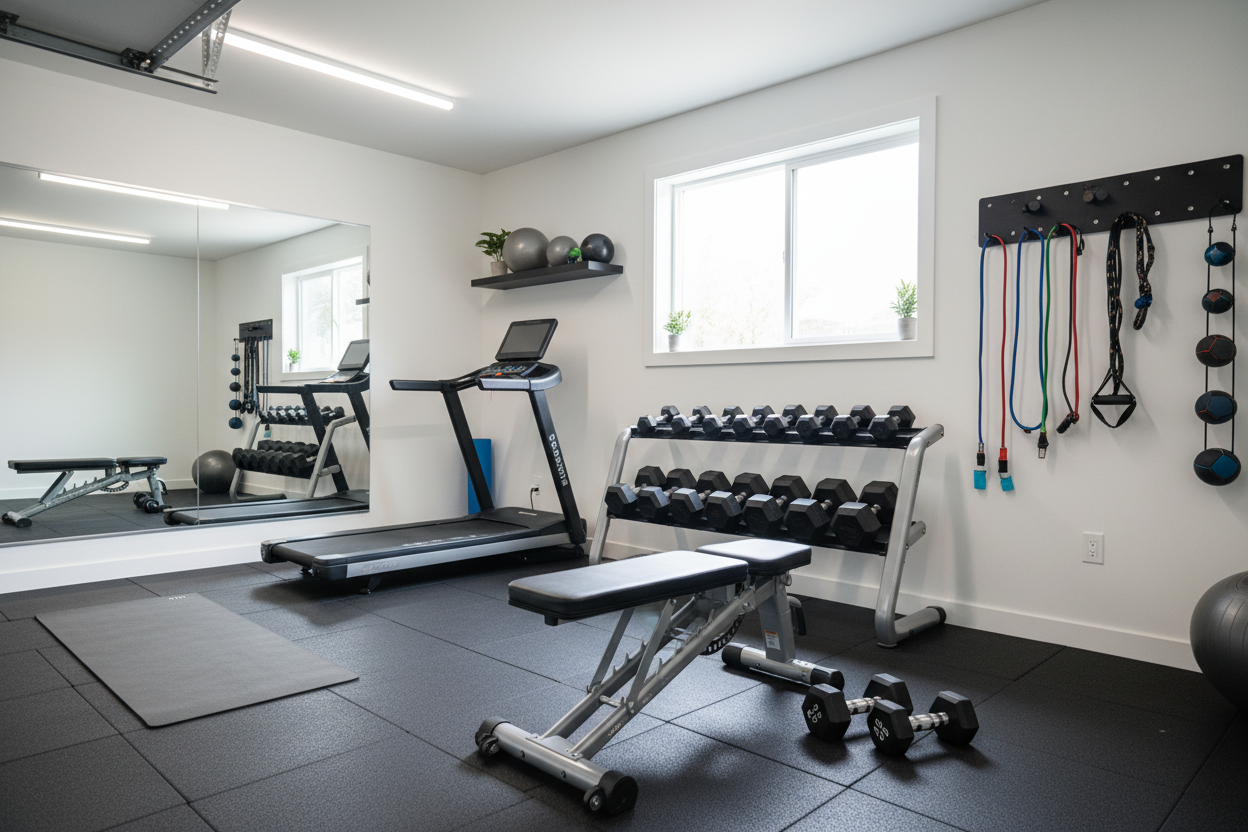
Benching 315 lbs is a great party trick until you can't reach the top shelf for a protein shaker without wincing. My ego kept me off the floor for years. I figured if I could row 225, my back was strong enough. I was wrong. A minor rotator cuff tear finally forced me to reconsider my 'iron-only' philosophy. I cleared a space in my garage and rolled out a 6x8ft exercise mat to create a dedicated zone for mobility. Laying on that high-density foam, I realized I couldn't even perform a basic arm circle without my shoulder joint popping like a bowl of Rice Krispies.
Why Barbell Guys Actually Need a Pilates Shoulder Workout
Barbell training is biased toward the 'show' muscles—the pecs, delts, and traps. These are your prime movers. But pilates for shoulders focuses on the local stabilizers, the tiny muscles that hold the ball in the socket. When you deal with pilates for shoulder impingement, the issue is usually that the humerus is riding too high in the joint space. Heavy presses just grind that inflammation further. You need to create space. Many lifters instinctively try to yank and stretch their way out of pain, but stability is the real fix for neck and shoulder pain. You don't need more range of motion; you need to control the range you already have.
The 4 Mat-Based Moves That Fixed My Clicking Joints
This pilates shoulder workout isn't about getting a pump. It’s about neuromuscular re-education. If you rush through these, you're wasting your time. Focus on your breath and keep your neck long. If you feel your upper traps taking over, stop, reset, and start again. This protocol is the backbone of pilates for rotator cuff injury recovery because it isolates the serratus and lower traps without overloading the joint.
The Dart: Waking Up the Lower Traps
Lie face down on the mat with your arms by your sides. As you exhale, lift your chest slightly off the floor while reaching your fingertips toward your heels. The goal isn't a massive backbend; it's about pulling your shoulder blades 'into your back pockets.' This move counteracts the rounded-shoulder posture we all get from heavy chest days and too much time at a desk.
Arm Circles: A Masterclass in Scapular Control
Lying on your back, reach your arms toward the ceiling. Move them in small, controlled circles about the size of a dinner plate. The trick is keeping your shoulder blades heavy on the mat. This provides instant feedback. If you feel that familiar 'grinding' sensation, your joint isn't centered. Shrink the circle until the movement is silent and smooth. This is the foundation of pilates for shoulders health.
Swimming: Re-Teaching Cross-Body Stabilization
In a prone position, extend your arms and legs. Lift your opposite arm and leg simultaneously while keeping your torso rock-steady. This forces your shoulder girdle to communicate with your contralateral hip through the core. It’s surprisingly difficult to keep the shoulder from hiking up toward your ear. If you can't do this with bodyweight, you have no business overhead pressing 100-lb dumbbells.
Why You Might Feel Shoulder Pain After Pilates Reformer Sessions
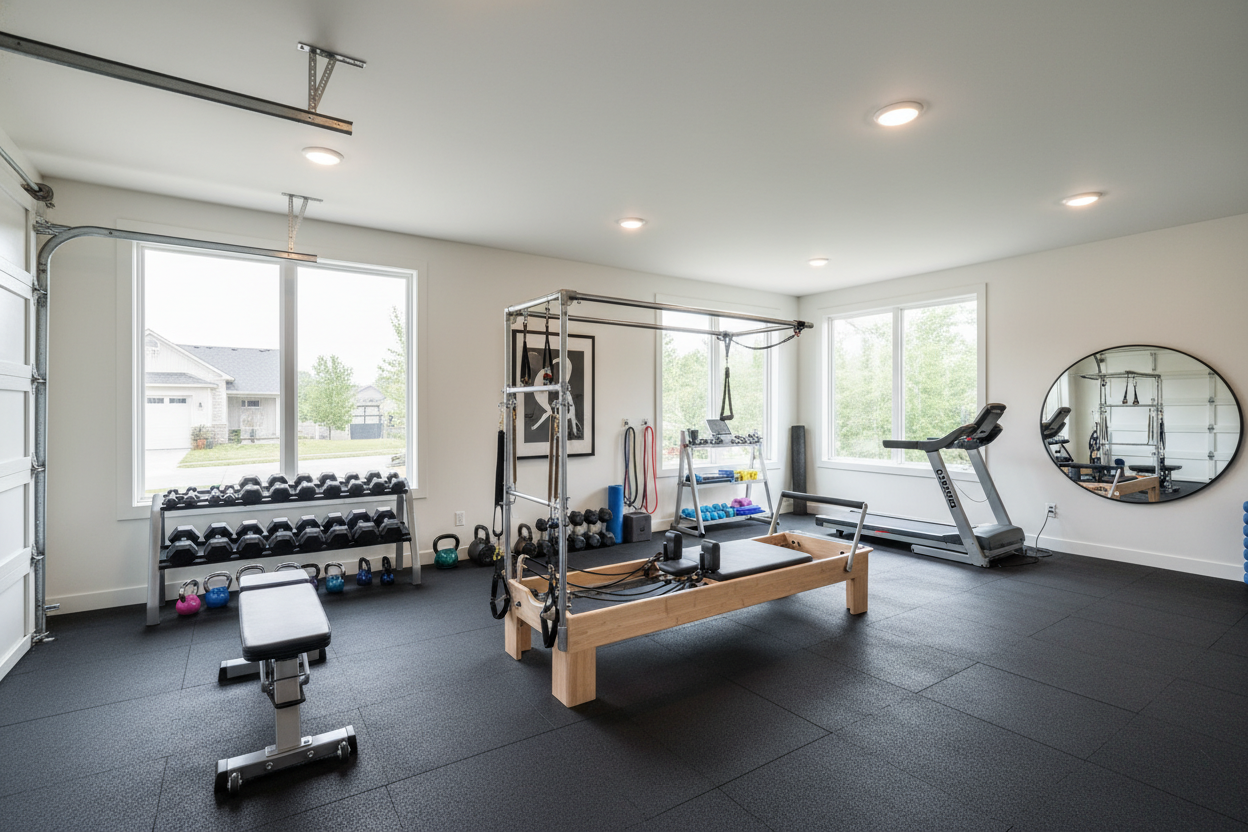
Transitioning from the mat to the machine introduces a new variable: springs. I've seen guys who can bench a house struggle with shoulder pain after pilates reformer work because they let the carriage pull them into a bad position. If you have excessive joint laxity, you need specific exercises for hypermobile shoulder. The reformer can be a trap for the hypermobile; the springs can easily overstretch a joint that already lacks tension. Stay in your active range and don't let the machine dictate your end-point.
How to Program This Into Your Normal Gym Routine
You don't need to join a boutique studio to benefit from pilates shoulder exercises. I treat these moves as a 'pre-flight check.' Before any upper body session, I spend 10 minutes on the mat. It’s not about fatigue; it’s about 'turning on' the stabilizers so the big muscles have a solid foundation to pull from. Since I started this, the clicking is gone, and my bench press has actually felt more stable because my shoulders aren't constantly searching for a safe position mid-rep.
FAQ
Can I do these exercises if I have a diagnosed tear?
Always check with your PT first, but these low-impact movements are standard in rehab. Just keep the range of motion pain-free.
How often should I do this routine?
Consistency is king. Three to four times a week as a warmup is plenty to see a massive difference in joint comfort.
Do I need any resistance bands?
No. The weight of your arms is enough to challenge these small stabilizer muscles when you perform the movements with perfect form.