I Tried the Best Weight Gain Program Online (And Just Got Fat)
I spent six months following what I thought was the best weight gain program on the internet. I ate the peanut butter sandwiches, drank the mass gainer shakes that taste like chalky regret, and bought a larger belt. The result? I gained twenty pounds, but nineteen of them settled right on my midsection. I looked less like a lifter and more like a guy who really enjoys a long Sunday brunch.
The problem wasn't the food; it was the mismatch. I was eating like a pro bodybuilder but training like a guy afraid to break a sweat in his own garage. If you want to actually build muscle instead of just inflating your waistline, you have to change how you view the relationship between your kitchen and your power rack.
- Calories provide the fuel, but heavy mechanical tension provides the signal to grow.
- Stop doing 'pump' sets; focus on the 3-5 rep range for maximum motor unit recruitment.
- Your equipment needs to handle the increased load as you get stronger and heavier.
- Rest periods should be long enough (3-5 minutes) to ensure every heavy set is high-quality.
The 'Dirty Bulk' Trap That Ruined My First Year
My first year in the garage was a masterclass in what not to do. I fell for the 'dirty bulk' myth—the idea that as long as the scale goes up, you're winning. I was crushing 4,000 calories a day and then heading into the garage to do high-volume, light-weight 'pump' workouts. I'd do sets of 15 on the cable fly machine and wonder why my chest wasn't getting thicker.
The reality is that light-weight, high-rep training burns calories but doesn't always provide enough mechanical stress to force the body to build new muscle tissue when you're in a massive surplus. Instead of dense muscle, I just got soft. My face got rounder, my lifts barely moved, and I was winded just walking up the stairs. I was 'bulking,' but I wasn't building.
Matching Your Fork to Your Power Rack
Your body is efficient. It doesn't want to build muscle because muscle is metabolically expensive to maintain. To force that adaptation, you have to give it a reason. That reason is heavy weight. If you are eating in a surplus, you must lift heavy enough to justify those extra calories. You can't eat like a beast and lift like a bird.
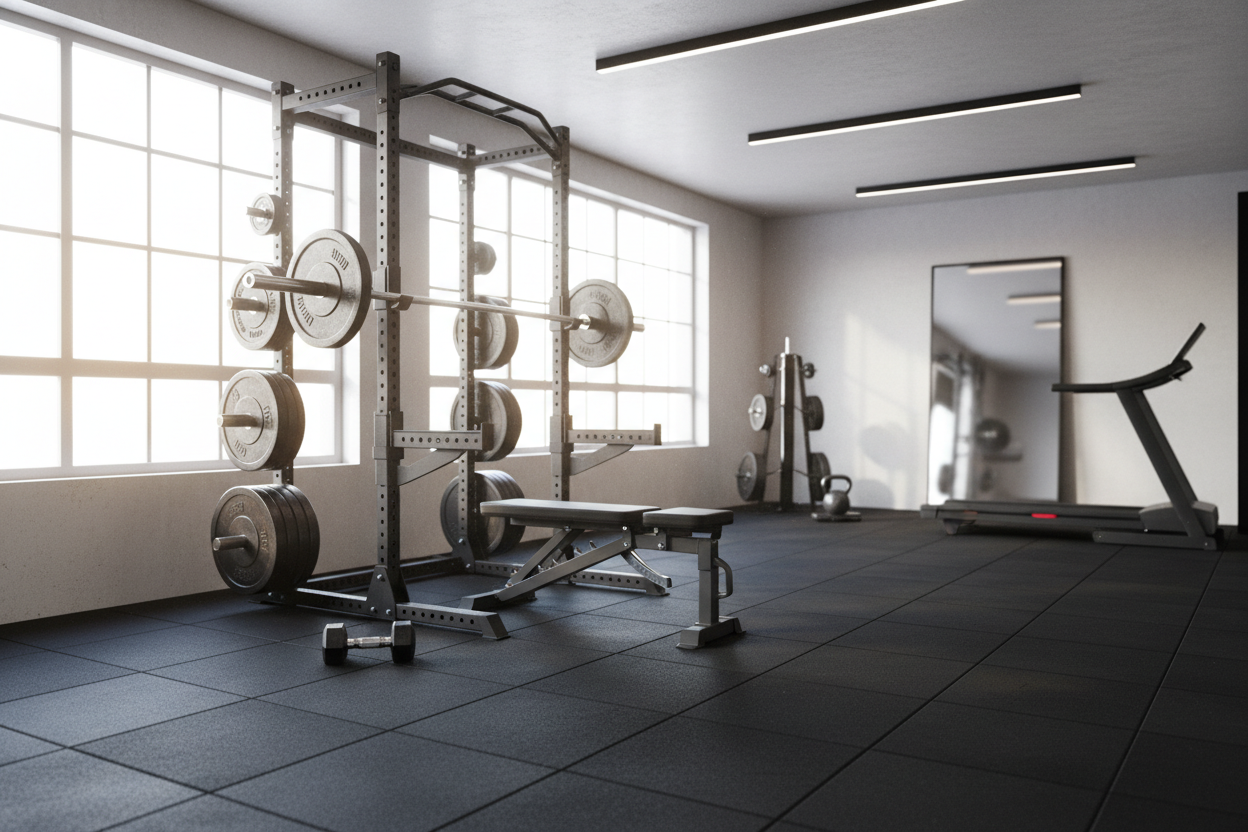
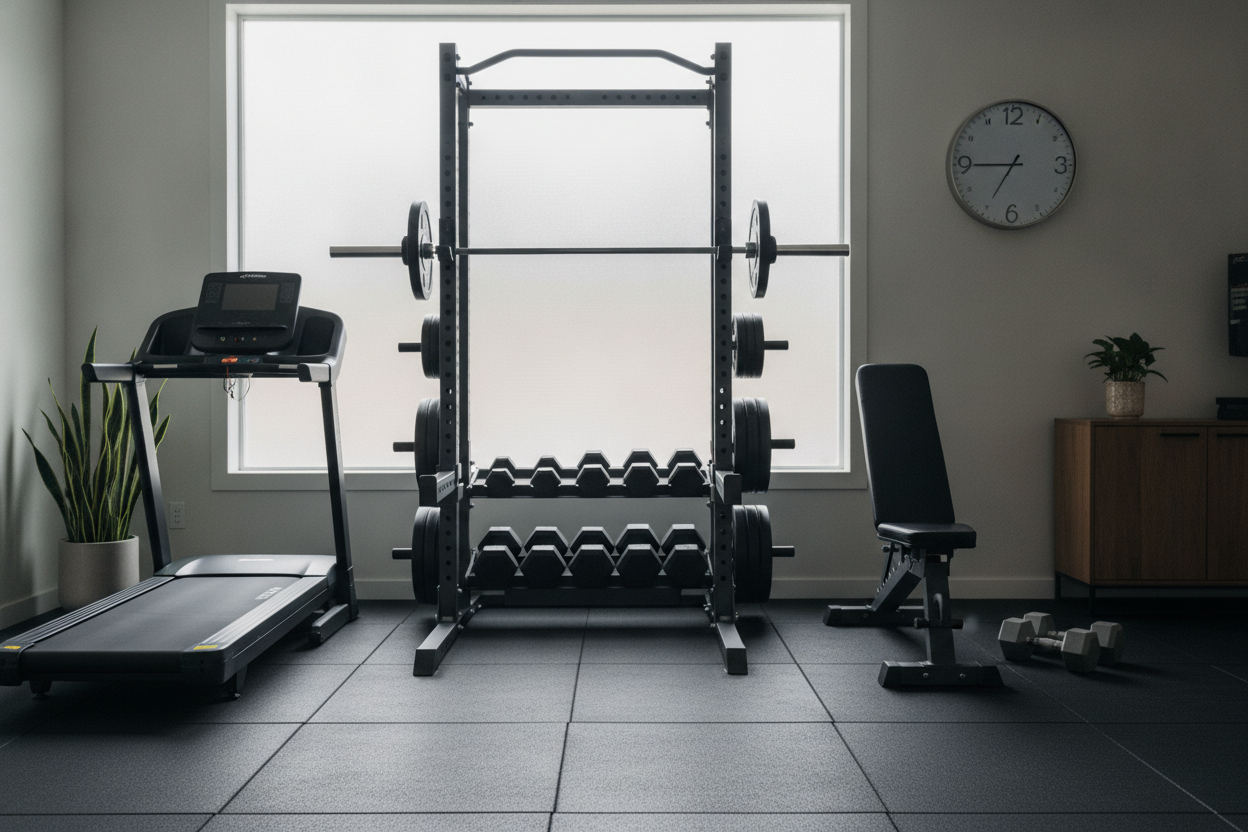
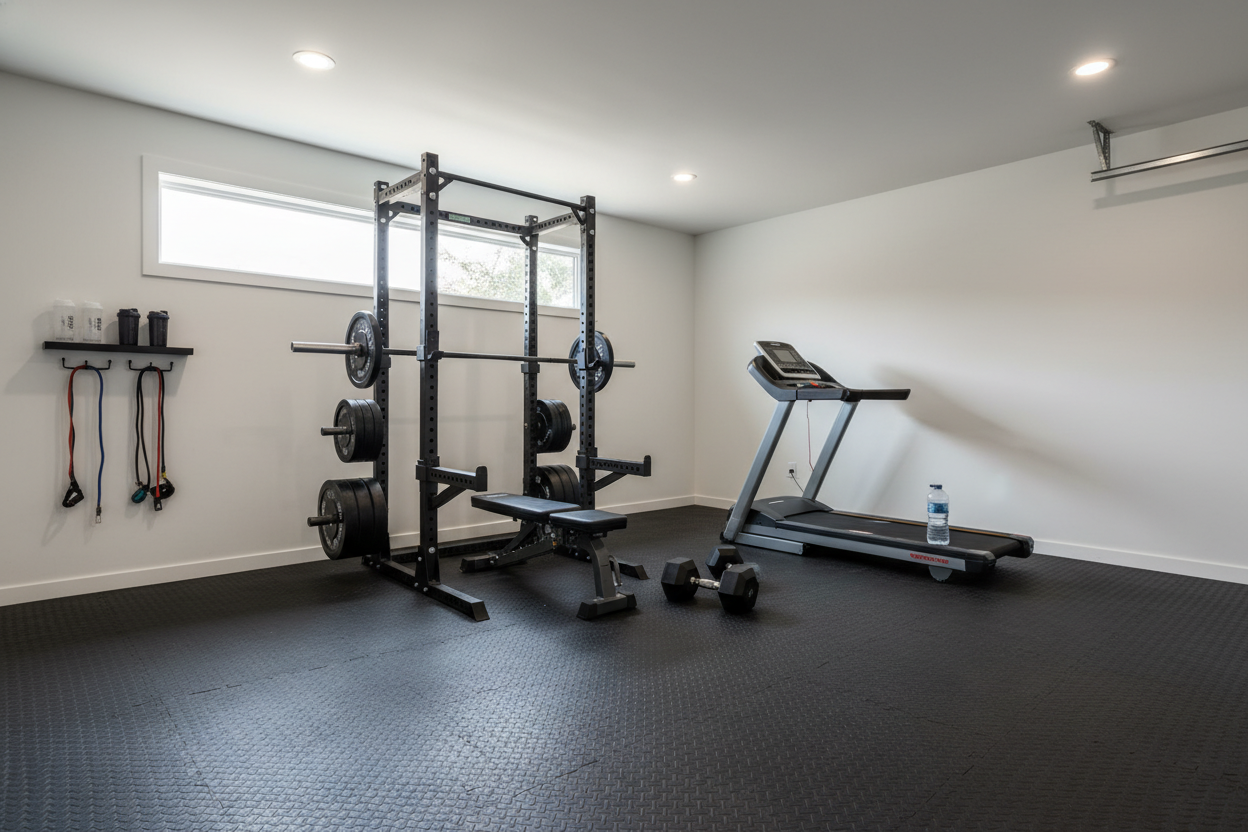
When you start handling the kind of loads required to trigger real growth, you can't rely on a flimsy setup. Having a heavy-duty foundation like the Gxmmat X6 Power Rack Weight Bench Package is mandatory. You need a rack that stays planted when you re-rack a heavy squat and a bench that doesn't creak under your increasing body weight. The mechanical tension from heavy compound lifts is the only thing that tells those extra calories to go to your biceps instead of your belly.
What Actually Triggers Lean Mass in a Garage Gym
Forget the 12-rep sets for a while. If you want to gain weight that stays as muscle, you need to live in the 3 to 6 rep range. This isn't about 'the burn' or 'the pump.' It's about progressive overload on the Big Three: squat, bench, and deadlift. You want to move the most weight possible with perfect form.
This kind of training is taxing on the central nervous system. I used to rush my sets, thinking I needed to keep my heart rate up. That was a mistake. I learned that I needed to Stop Rushing: The Best Workout for Weight Gain is Terribly Boring. Resting 3 to 5 minutes between sets allows your ATP stores to recover so you can push maximum weight again. It feels like you're doing nothing, but that recovery time is where the growth signal is solidified.
Your Equipment Needs to Survive the Bulk
There is a safety reality no one talks about: as you get heavier and your lifts get heavier, your starter gear might become a liability. I remember the day I felt my cheap, thin-walled bench flex during a heavy press. It’s a terrifying feeling. When you're pushing for a PR at a higher body weight, you need gear that is rated for the job.
I eventually had to upgrade to the Gxmmat Adjustable Weight Bench because my old one felt like a seesaw once I cleared the 225-lb mark on the bar. You need a wide footprint and a high weight capacity. Don't risk a catastrophic failure just to save fifty bucks. If the bench wobbles when you sit on it, it’s not going to protect you when you’re grinding out that final rep of a heavy set.
Dropping the Fluff from Your Routine
The biggest mistake people make on a weight gain program is adding too many 'accessory' exercises. They think more is better. In reality, every set of concentration curls you do is just burning energy that could have gone toward a heavier set of rows. You need to focus strictly on the lifts that recruit the most muscle fibers.
I had to learn How to Strip Down Your Weight Gain Exercise Program for a Home Gym to get results. I cut out the cable crossovers and the leg extensions. I replaced them with weighted pull-ups and heavy lunges. By focusing on five or six main movements a week, I finally saw my strength—and my muscle mass—actually move in the right direction without the extra fluff.
FAQ
How many calories should I actually add?
Start small. Add 250 to 500 calories above your maintenance. If you jump straight to 1,000 extra, you're just asking for a gut. Monitor your strength; if your lifts are going up and your waistline isn't exploding, you're in the sweet spot.
Can I still do cardio while bulking?
Yes, but keep it low-impact. A 20-minute walk is fine for heart health. Avoid high-intensity interval training that might interfere with your recovery from heavy squats. You want your recovery resources focused on muscle repair.
How do I know if I'm gaining muscle or just fat?
The logbook doesn't lie. If the scale is going up but your bench press is stalled, you're gaining fat. If both are moving up steadily, you're on the right track. Use a tape measure on your arms and waist once a month to keep yourself honest.