I Tried a Pro's Weight Lifting For Mass Routine and Failed
I spent $400 on a PDF written by a guy with 21-inch biceps. For six months, I was in my garage at 5 AM, hitting 25 sets of chest and triceps until my elbows felt like they were filled with crushed glass. I thought this was the peak of weight lifting for mass, but my progress photos told a different story. I was getting smaller, weaker, and more irritable.
Quick Takeaways
- High-volume 'bro-splits' usually fail natural lifters due to poor recovery.
- Compound movements (squats, presses, pulls) are the fastest way to gain mass workout results.
- Frequency beats volume—hit muscles 2-3 times a week instead of once.
- Safety gear like a solid power rack is non-negotiable for solo heavy lifting.
The Day I Realized Six Days a Week Was Killing Me
I was on set 18 of a 'chest annihilation' day in my 100-degree garage. I looked at my logbook and realized I hadn't added five pounds to my bench press in three months. I was chasing a pump, but I wasn't building any actual tissue. My central nervous system was fried, and I was dreading my workouts. Professional bodybuilders can handle that volume because their recovery is chemically enhanced; for the rest of us, it's just a fast track to tendonitis.
Why 'Bro Splits' Fail the Average Garage Gym Lifter
The traditional body-part split—where you hit chest on Monday and don't touch it again until next week—is inefficient for most people. If you aren't on a pro-level 'supplement' protocol, your protein synthesis returns to baseline after about 48 hours. By waiting a full week to hit a muscle again, you're missing out on growth windows. I found much better success moving toward full body weight training routines that prioritize frequency over sheer daily exhaustion.
The Boring Reality of Weight Training for Mass
Hypertrophy isn't magic; it's mechanical tension. You need to pick up heavy things and gradually pick up heavier things over time. I stopped trying to 'confuse' my muscles and started focusing on the numbers. While free weights are king, I started using weight lifting machines for my accessory work. Machines allow you to push a muscle to absolute failure without the stability of the joint being the limiting factor, which is a safer way to create the metabolic stress needed for growth.
Ditching the Isolation Fluff for Compound Lifts
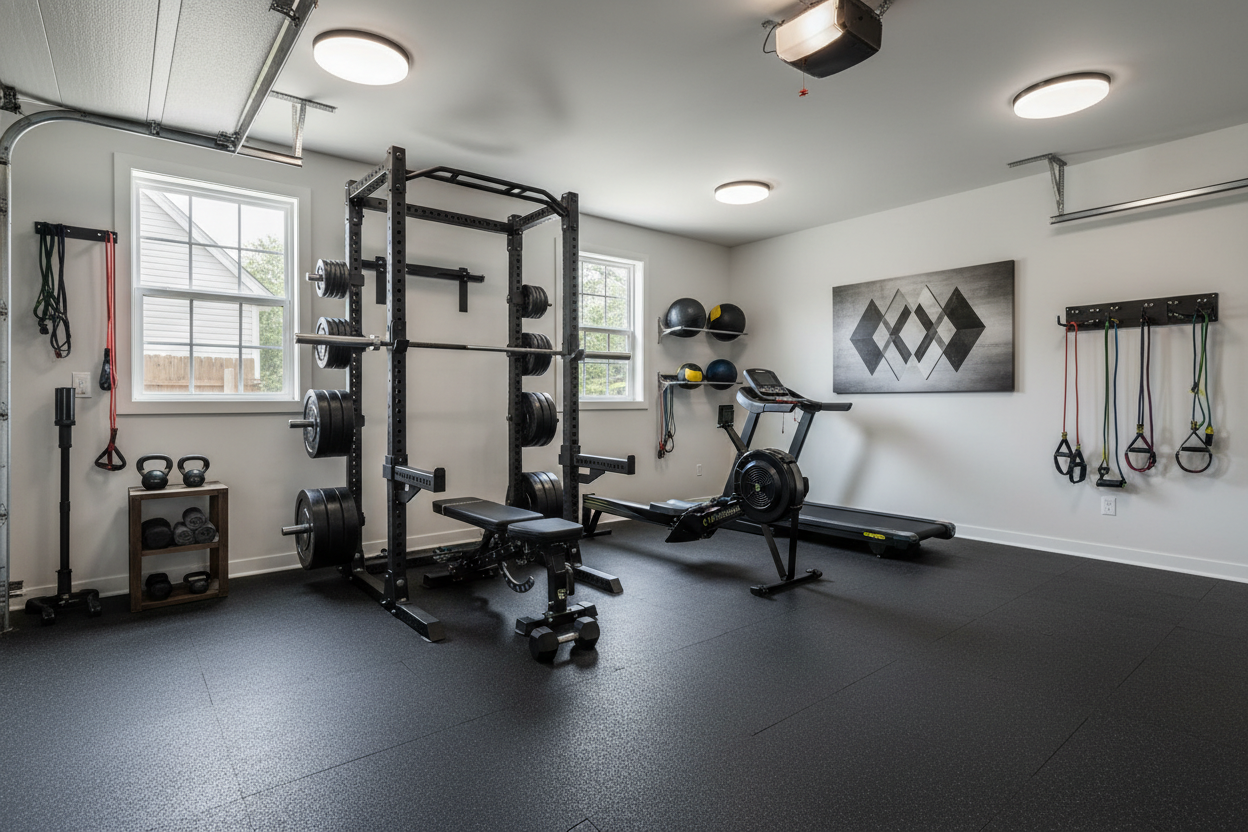
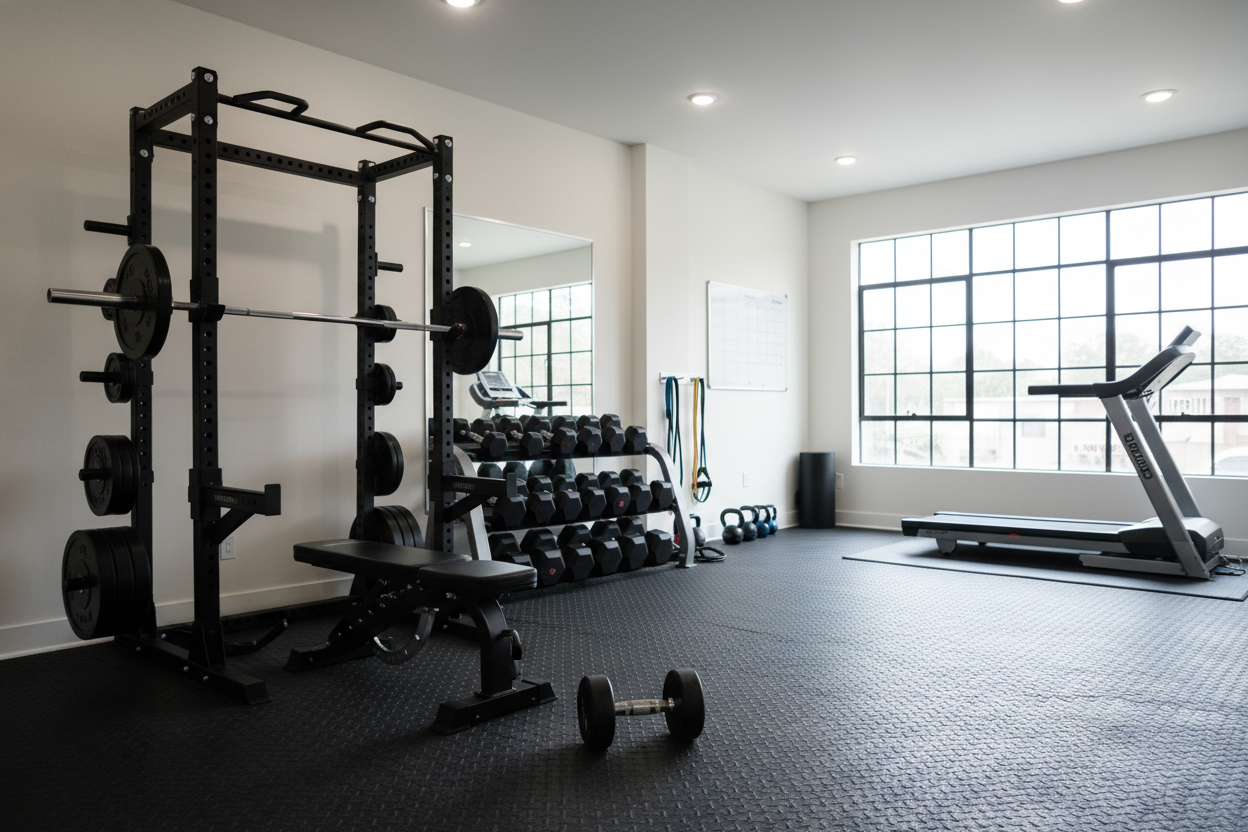
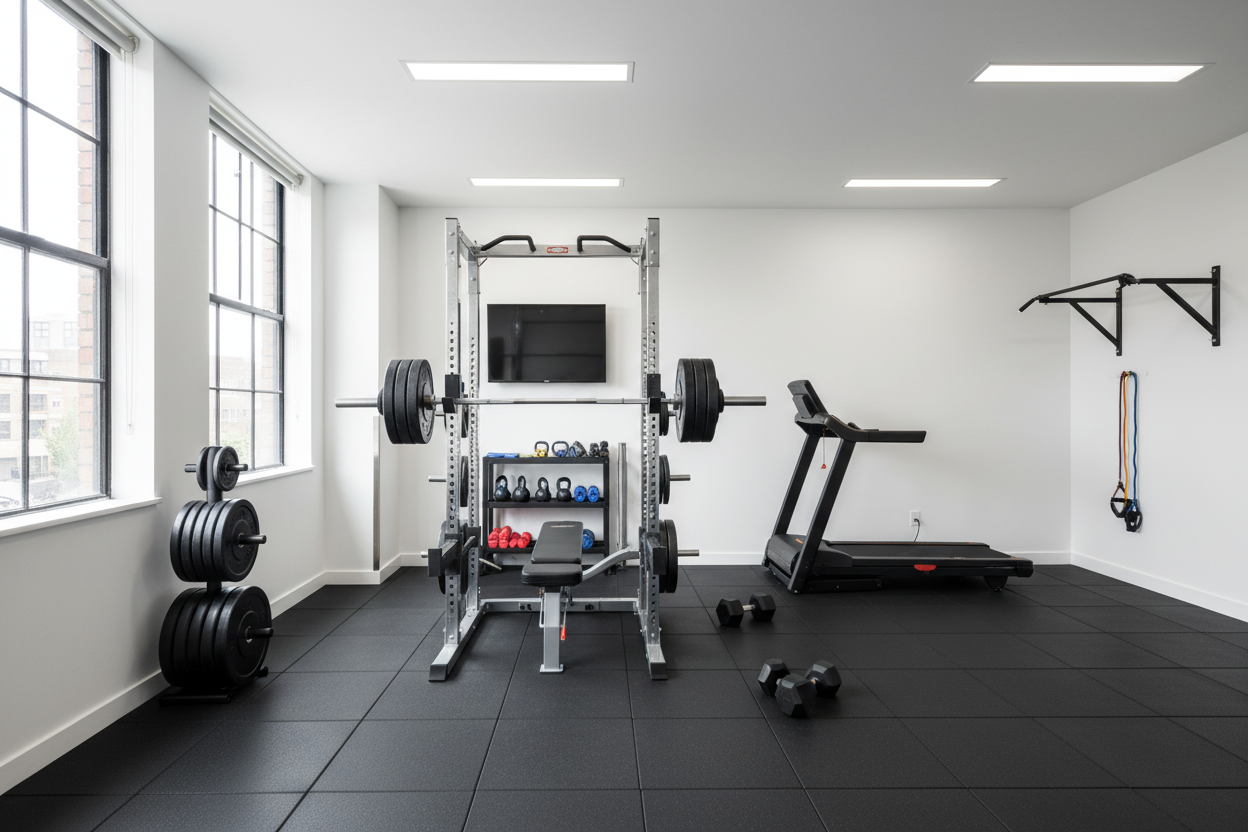
You don't need five variations of a cable fly to grow a chest. You need to press heavy weight. I stripped my routine down to the basics: squats, deadlifts, overhead presses, and rows. To do this safely alone, I upgraded to a heavy-duty power rack weight bench package. Having 11-gauge steel and reliable safety spotter arms meant I could actually attempt a PR without the fear of being pinned under a bar in an empty garage at 6 AM.
Setting Up Your Space to Actually Move Heavy Iron
If your equipment feels flimsy, your brain will subconsciously stop you from pushing to the limit. I used to use a cheap bench that wobbled every time I went over 185 pounds. It’s impossible to focus on the mind-muscle connection when you're worried about the furniture collapsing. Investing in a commercial-grade adjustable weight bench changed everything. Having a stable, 1,000-lb capacity base allowed me to drive my feet into the floor and actually move the kind of weight required for real growth.
FAQ
How many days a week should I train for mass?
For most people, 3 or 4 days is the sweet spot. This allows for 48 to 72 hours of recovery between sessions, which is when the actual muscle growth happens. If you can't add weight to the bar, you probably need more rest, not more sets.
Do I need a spotter to lift heavy at home?
Not if you have the right gear. Always use a power rack with safety pins or spotter arms. Set them just below your chest height on a bench press so they can catch the bar if you fail, saving your neck and your floor.
Is it better to use high reps or low reps for mass?
Both. Use lower reps (5-8) for your big compound lifts to build strength, and higher reps (10-15) for your accessory work to drive blood flow and metabolic stress. Both contribute to hypertrophy in different ways.