I Tried 50+ Exercises for Different Parts of the Glutes. Only 3 Matter.
I spent years thinking my 405-lb squat was the ultimate ticket to a solid posterior chain. Then I realized my glutes were basically dormant from ten hours a day in a cheap office chair. If you want to actually build exercises for different parts of the glutes, you have to stop treating the area like one big slab of muscle. I’ve wasted months on high-rep kickbacks that did nothing but burn my hip flexors.
- Stop Squat-Only Training: Squats are great, but they ignore the side glutes.
- Frequency Matters: Hit these three movements twice a week for real growth.
- Load the Maximus: You need heavy resistance, not just bodyweight pulses.
- Stabilize the Medius: Unilateral work is non-negotiable.
Why Your Current Leg Day Leaves Money on the Table
Most home gym owners fall into the trap of thinking a heavy barbell back squat is the only glute movement they need. While the squat is a monster for the gluteus maximus, it often leaves the medius and minimus completely untouched. If you have 'sleepy glutes' from sitting, your body will naturally shift the load to your lower back or quads.
To truly target every muscle for a stronger shape, you have to attack the glutes from different angles. The glutes are responsible for hip extension, abduction, and rotation. If you only train extension (squats/deadlifts), you're only training 33% of the anatomy. I learned this the hard way after my lower back started taking over every lift because my glute medius was too weak to stabilize my pelvis.
So, What Are 3 Exercises for the Glutes That Actually Work?
You don't need a 12-exercise circuit or a specialized machine that takes up half your garage. You need how to target all glute muscles with high-intensity, low-fluff movements that actually allow for progressive overload. If you can't add weight to it over time, it’s probably a waste of your afternoon. Here is the exact trio I use to cover all the bases.
The Heavy Engine: Barbell Hip Thrusts (Maximus)
This is the undisputed king. Unlike the squat, the hip thrust keeps the glutes under maximum tension at the top of the movement where the muscle is shortest. I’ve found that using a dedicated hip thrust pad is mandatory unless you enjoy having a 45-lb bar crush your pelvis. Focus on a 2-second hold at the top. If you aren't feeling a massive contraction in the gluteus maximus, your feet are likely too far out, shifting the work to your hamstrings.
The Stabilizer: Bulgarian Split Squats (Medius)
I hate these. You’ll probably hate them too. But they are essentially the most effective exercises that target all 3 glute muscles because of the massive stability requirement. When you stand on one leg, your gluteus medius has to fire like crazy just to keep you from falling over. I highly recommend placing a 6x8ft exercise mat under your back knee. I once failed a heavy rep with 80-lb dumbbells and slammed my knee into bare concrete—it took three weeks to recover. Don't be like me; use the padding.
The Forgotten Detail: Cable or Band Abductions (Minimus)
This is about what are 3 exercises for the glutes that finish the job. The gluteus minimus is the smallest of the trio, and it responds best to high-rep, controlled abduction. You don't need to load this heavy. Use a resistance band or a cable ankle attachment. The goal is to move your leg away from your midline while keeping your torso perfectly still. This is the 'finisher' that fills out the side of the hip and provides that lateral stability that protects your knees during heavy lifts.
Setting Up Your Garage Gym for Posterior Power
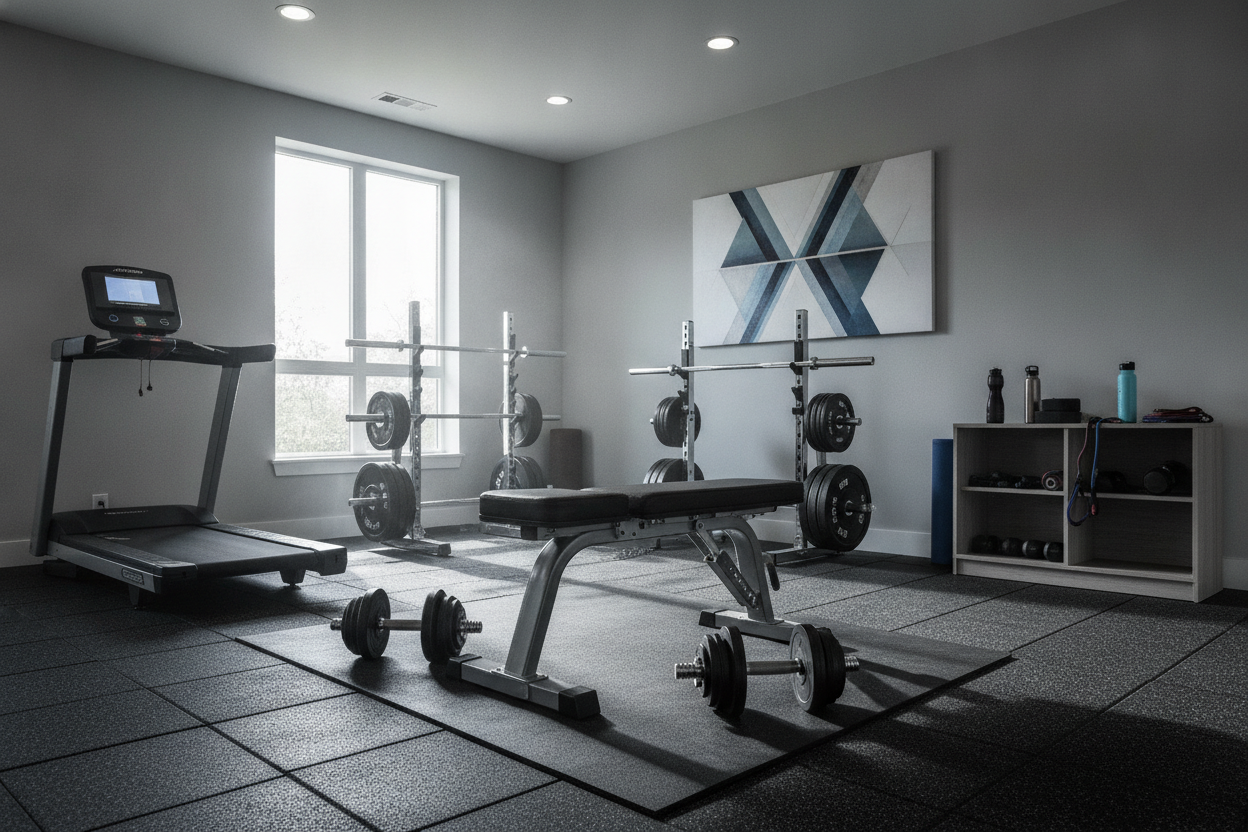
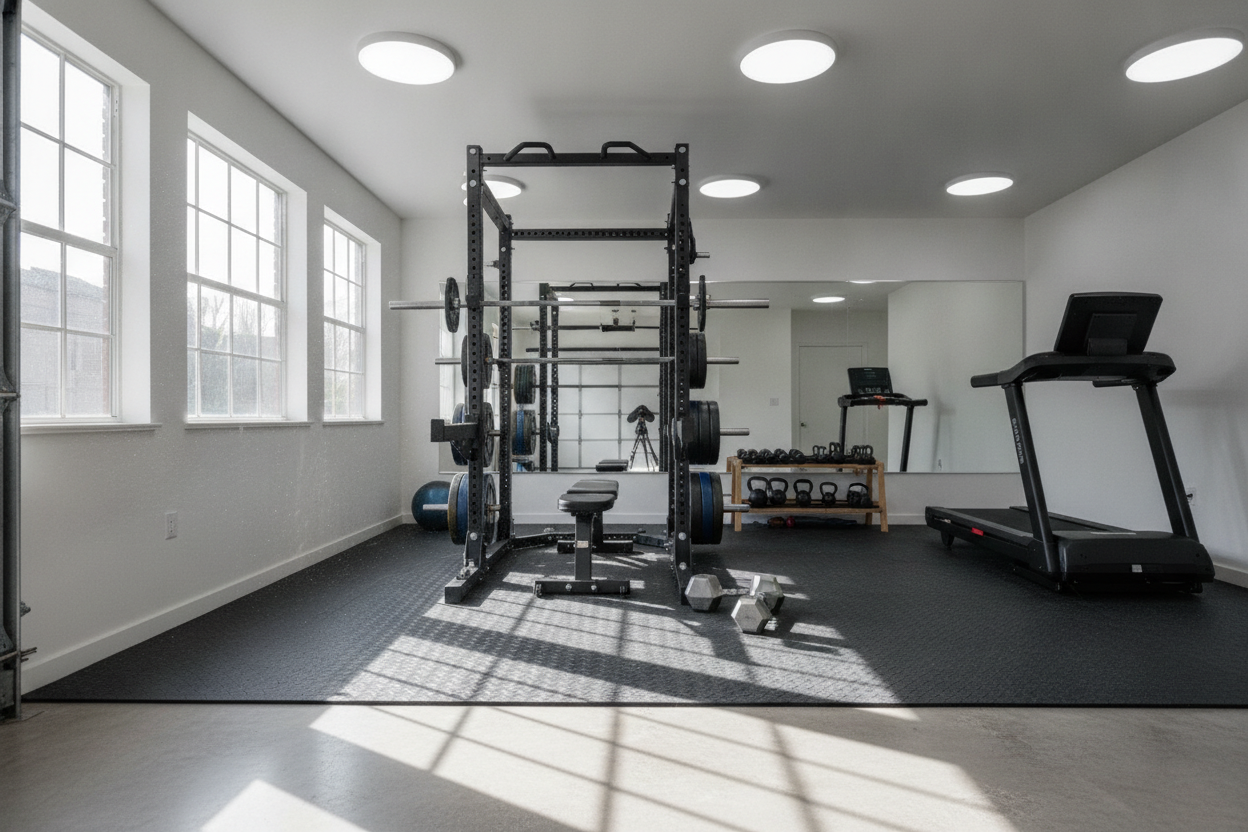
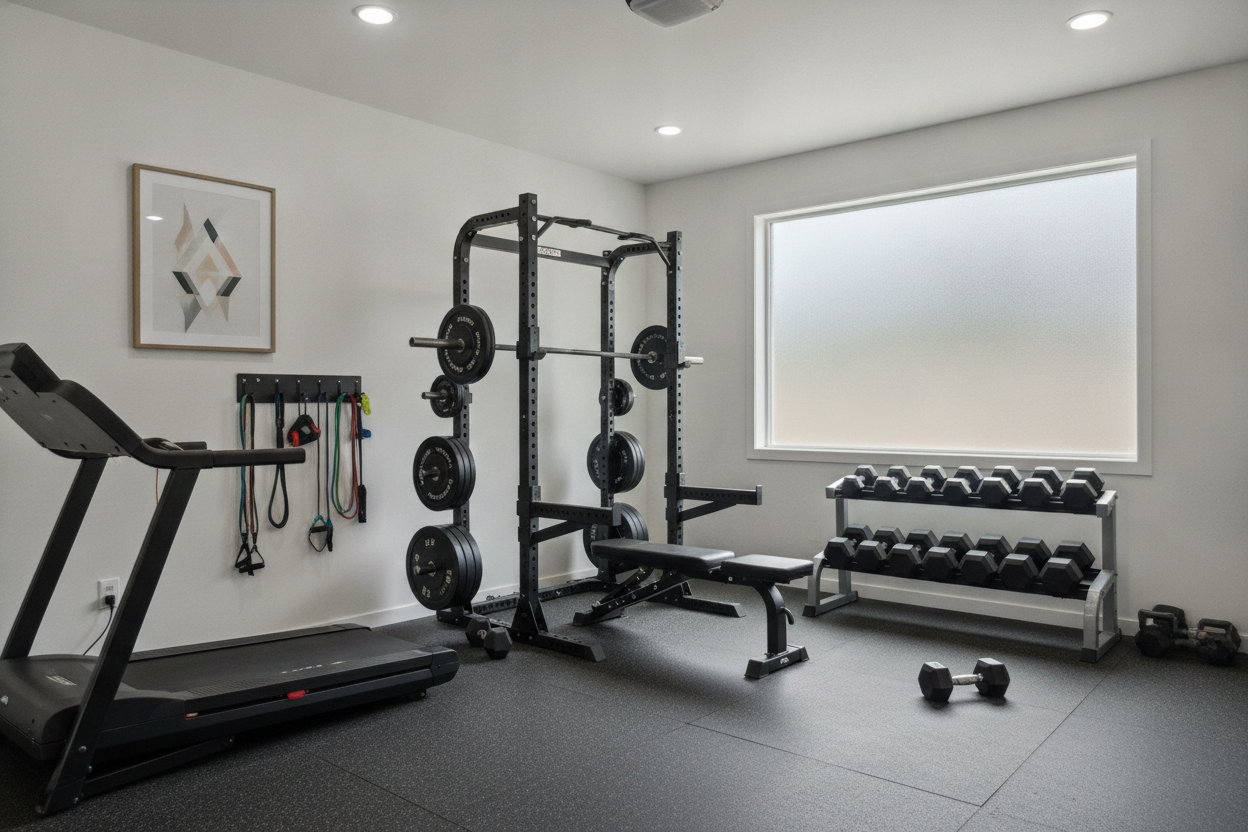
Setting this up at home is easier than you think, but you need the right footprint. For hip thrusts, you need a bench that won't slide. If you're working on a slick garage floor, your bench will migrate halfway across the room during your first set. I suggest investing in a large exercise mat for home gym use to create a high-traction zone. This keeps your bench anchored and gives you a dedicated space for your banded work.
My personal routine involves heavy hip thrusts for 4 sets of 8, followed by Bulgarian split squats for 3 sets of 12 per leg. I finish with 3 sets of 20 banded abductions. It takes exactly 40 minutes, including setup. It's not flashy, but it's the most effective way I've found to wake up those dormant fibers after a long day at the desk.
FAQ
Can I do these exercises every day?
No. Glutes are massive muscles that need recovery. Stick to 2 or 3 times a week with at least 48 hours of rest between sessions to allow for muscle repair.
Do I need a barbell for hip thrusts?
You can start with a heavy dumbbell or sandbag, but you'll outgrow them fast. A barbell is the only way to truly load the gluteus maximus to its full potential.
Why do I feel split squats in my quads more than my glutes?
Check your lean. If you stay perfectly upright, it's a quad-dominant move. Lean your torso forward about 30 degrees to shift the tension back into the glutes.