I Treated My Shoulder Strength Workout Like Leg Day (It Worked)
I spent three years chasing the pump with dinky 15-pound dumbbells and wondering why my shirts still fit loose in the sleeves. My side delts burned, sure, but they didn't grow, and my overhead press was stuck at a pathetic 135 for what felt like eternity. It wasn't until I stopped treating my shoulder strength workout like an afterthought and started treating it like a heavy squat session that things actually changed.
We have this weird collective delusion that shoulders are fragile little muscles that only respond to 20-rep sets of lateral raises. If you treated your quads like that, you would have legs like a marathon runner. If you want cannonballs, you have to move some actual iron.
- Stop doing endless high-rep sets and start loading the bar.
- Rest 3-5 minutes between your primary heavy sets to allow for full recovery.
- Prioritize the overhead press as a max-effort compound lift.
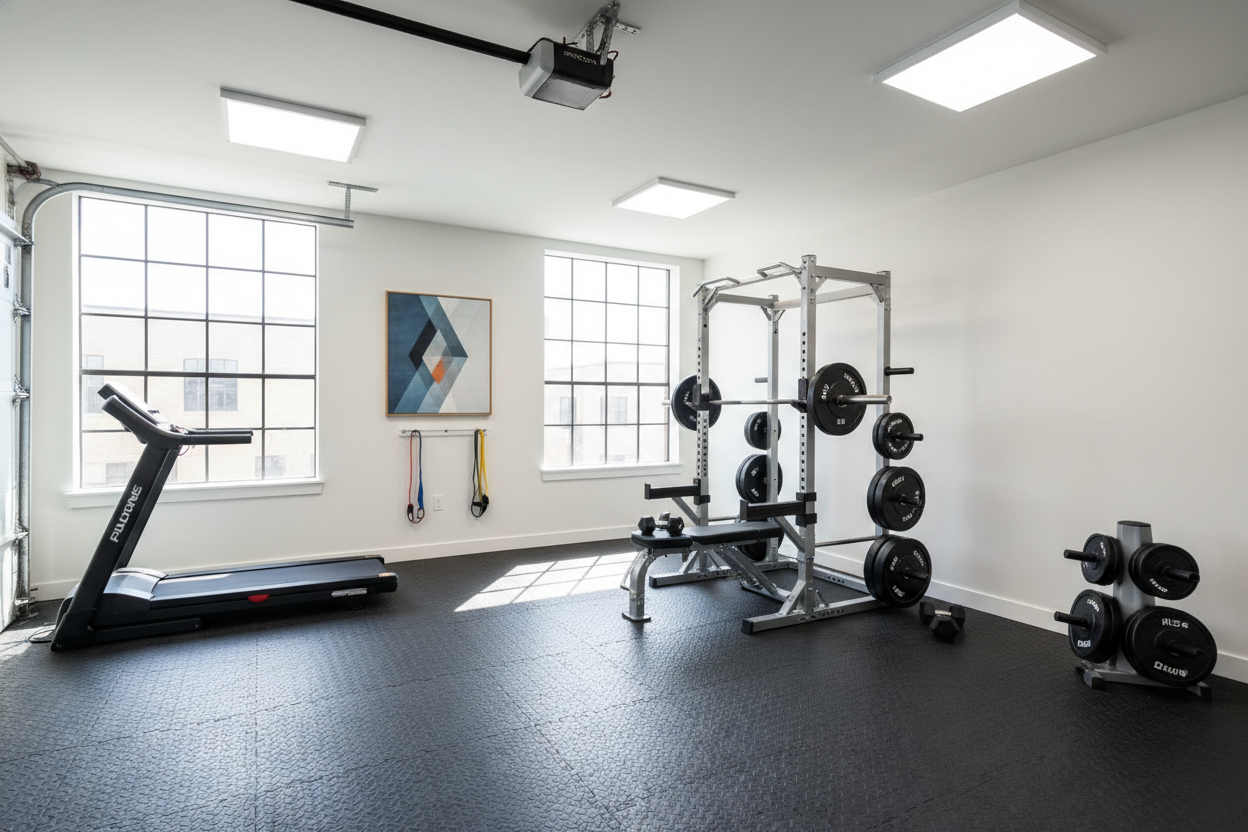
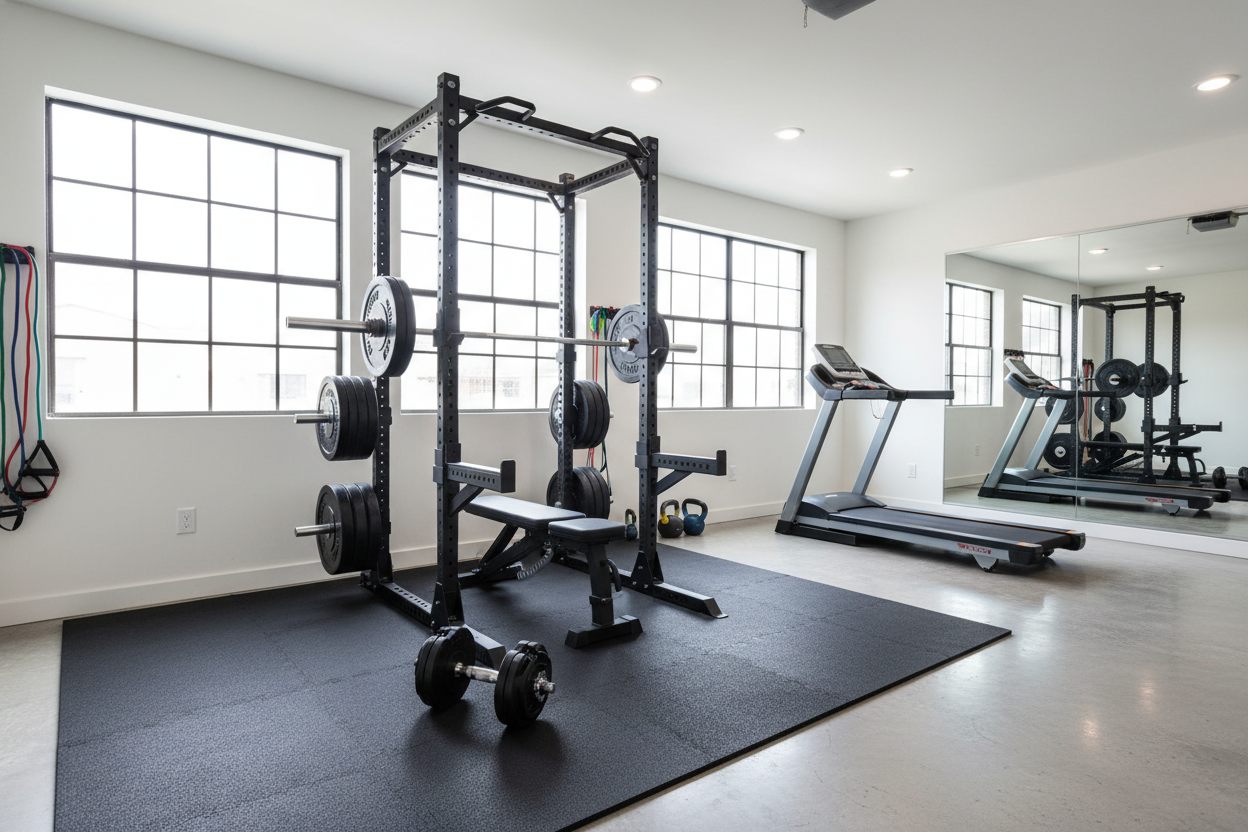
- Invest in a solid rack and firm flooring to handle the load safely.
Why We All Treat Delts Like an Endurance Muscle (And Why It Fails)
Most lifters approach shoulders with the 'burn' mentality. You grab the 20s, do 25 reps, and feel that deep lactic acid sting. You think that means growth, but you are mostly just stressing the metabolic system. While that has its place, it completely ignores mechanical tension—the primary driver of hypertrophy.
Your deltoids, specifically the front and middle heads, have a significant percentage of fast-twitch fibers. These fibers don't wake up for light weights. They only come out to play when the load is heavy enough to threaten your survival. By sticking to high reps, you are leaving the most explosive, growth-prone muscle fibers on the table.
The 'Squat Day' Blueprint for a Shoulder Strength Workout
When you walk into the gym for leg day, you know the drill: heavy squats, low reps, and long rest periods. You need to apply that exact same intensity to your shoulders. This means shifting your mindset from 'how much can I make this burn' to 'how much weight can I move for five reps?'
A proper shoulder workout for strength requires you to treat the press with the same respect as the squat or deadlift. I started resting three full minutes between sets of overhead presses. It felt like an eternity at first, but it allowed me to hit my target reps with 10-15 pounds more than I usually could. That extra load is what finally forced my delts to widen.
The Primary Lift: Overhead Pressing for Raw Power
The strict overhead press is the king of the strength building shoulder workout. If you aren't pressing at least 0.75x your body weight, you haven't earned the right to complain about small shoulders. Start your session here while your nervous system is fresh and your stabilizers are ready to work.
If you find yourself using too much leg drive, it is time to sit down—literally. I often swap the standing OHP for a brutal shoulder exercise for strength known as the Z-Press. Sitting on the floor with your legs straight out in front of you removes the ability to cheat. It forces your core and delts to do every ounce of the work, and the carryover to your standing press is massive.
The Accessory Work: Picking a Shoulder Exercise for Mass
Once the heavy pressing is done, don't just default to junk volume. You want to pick a shoulder exercise for mass that allows for progressive overload. This means movements where you can actually add weight over time, not just stay stuck on the same dumbbells for a decade.
I prefer heavy seated dumbbell presses or incline front raises. The goal here is still relatively low reps—think 8 to 10. If you can do 15 reps easily, the weight is too light. Put the pink dumbbells back on the rack and grab something that makes you sweat before the set even starts.
The 3 Best Shoulder Mass Exercises You Aren't Loading Heavy Enough
Most people treat these three shoulder mass exercises like finishers. I want you to treat them like main events. First, the Heavy Upright Row. Forget the 'shoulder impingement' myths; if you use a wider grip and pull to the mid-chest, you can load this heavy and watch your side delts explode. I went from using 65 pounds to 135 pounds on these, and that's when the 'capped' look finally appeared.
Second, the Push Press. This isn't a strict press, and that is the point. By using a little leg drive, you can overload the eccentric (lowering) phase with 10-20% more weight than you could normally press. Third, the Heavy Lateral Raise. Stop trying to be perfectly still. A little bit of 'body English' to get 40-pounders moving is better for growth than perfect form with 15s.
To do this right, you need heavy strength equipment that doesn't feel like it's going to snap. I've used cheap adjustable dumbbells that rattled every time I went over 30 pounds, and it kills your confidence. Invest in solid iron or high-end adjustables that can handle being moved with intent.
Building Your Garage Gym Setup for Heavy Pressing
If you are training in a garage, heavy overhead work presents two challenges: ceiling height and stability. I've dinged my ceiling more than once because I didn't measure my reach. If you have low clearance, stick to seated presses or Z-presses. But more importantly, look at what is under your feet.
Standard concrete is slippery, and cheap foam tiles will compress and shift when you are trying to stabilize 185 pounds over your head. You need high-density gym flooring for home workout setups that provides a 'bite' for your shoes. A firm base ensures that all the force you generate goes into the bar, not into your feet sliding outward.
Personal Experience: My Biggest Mistake
For years, I avoided heavy pressing because my right shoulder felt 'clicky.' I thought high reps were 'safer.' The reality was that my form sucked because I was trying to muscle up light weights with zero tension. When I switched to a heavy, low-rep shoulder strength workout, I was forced to fix my path and engage my lats. The clicking stopped. The lesson? Heavier weight often demands better form, which actually saved my joints in the long run.
FAQ
How many times a week should I do this?
Twice is the sweet spot. One day focused on the strict press, and one day focused on a variation like the push press or heavy dumbbells. Give yourself at least 72 hours between sessions.
Are lateral raises useless?
No, but they shouldn't be the meat of your workout. Think of them like leg extensions—great for finishing, but they won't build the foundation. Load them as heavy as you can while maintaining 80% clean form.
Do I need a weight belt for overhead pressing?
Once you start moving 1x your body weight, a belt helps tremendously with intra-abdominal pressure. It gives your core something to push against, which creates a more stable platform for your shoulders to press from.