The Truth About Fast Strength Training When You Have Zero Time
I spent years thinking a workout didn't count unless I was in the garage for at least 75 minutes. Then life happened—kids, a demanding job, and a house that seemingly wants to fall apart every weekend. Suddenly, that hour-long block vanished. I realized that fast strength training isn't just a compromise; it's a skill you have to master if you want to keep your gains when life gets loud.
You don't need a marathon session to build a physique. You need focus. I’ve tested this in my own 6x8 foot corner of the garage, and I’ve found that 20 minutes of high-density lifting beats an hour of scrolling through Instagram between sets every single time.
Quick Takeaways
- Antagonist supersets (pairing 'push' and 'pull' moves) cut rest time in half without sacrificing power.
- Compound lifts are the priority; isolation work is the first thing to get cut.
- Home gym organization is the secret to maintaining a fast pace.
- Heavy weight is still the goal—don't turn your lifting into a cardio circuit.
The 'I Don't Have Time' Excuse Is Officially Dead
Stop waiting for the perfect 90-minute window to open up. It’s not coming. If you’re like me, you’ve probably spent more time thinking about working out than actually touching a barbell because you didn't think you had enough time to do it 'right.' That perfectionism is exactly what kills consistency.
The reality is that 20 minutes of fastest strength training is infinitely better than zero minutes of a perfect program. I’ve hit PRs on months where I never spent more than 30 minutes in the gym. The key is showing up with a plan and moving with purpose. If you have time to watch a sitcom, you have time to squat.
What Actually Makes the Fastest Strength Training Work?
To move fast, you have to increase density. Density is simply doing more work in less time. My favorite way to do this is through antagonist supersets. For example, I’ll hit a set of overhead presses, wait 45 seconds, and then go straight into weighted pull-ups. While my shoulders are recovering, my lats are working.
This approach keeps the heart rate up, but because the muscle groups are different, you aren't significantly dropping the weight on the bar. You can still move 80-85% of your max. You just aren't sitting on a bench staring at the wall for three minutes between every set. I’ve found that limiting rest to 60 seconds or less for everything except my absolute heaviest sets keeps the session moving and the intensity high.
My 20-Minute Fast Strength Training Blueprint
When the clock is ticking, I strip everything down to the bare essentials. I pick two heavy compound movements—usually a squat or deadlift paired with a push or pull. I skip the bicep curls, the lateral raises, and the calf work. Those are luxuries for people with more time than me.
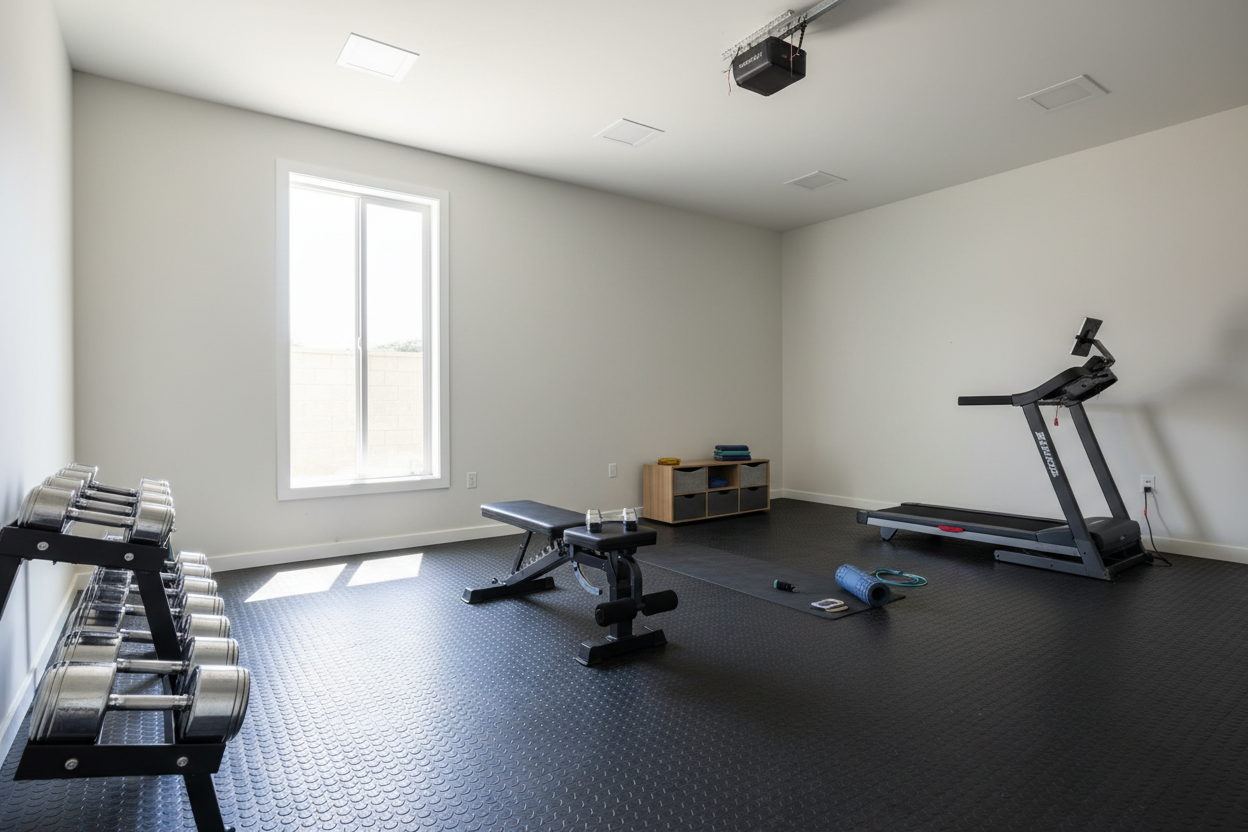
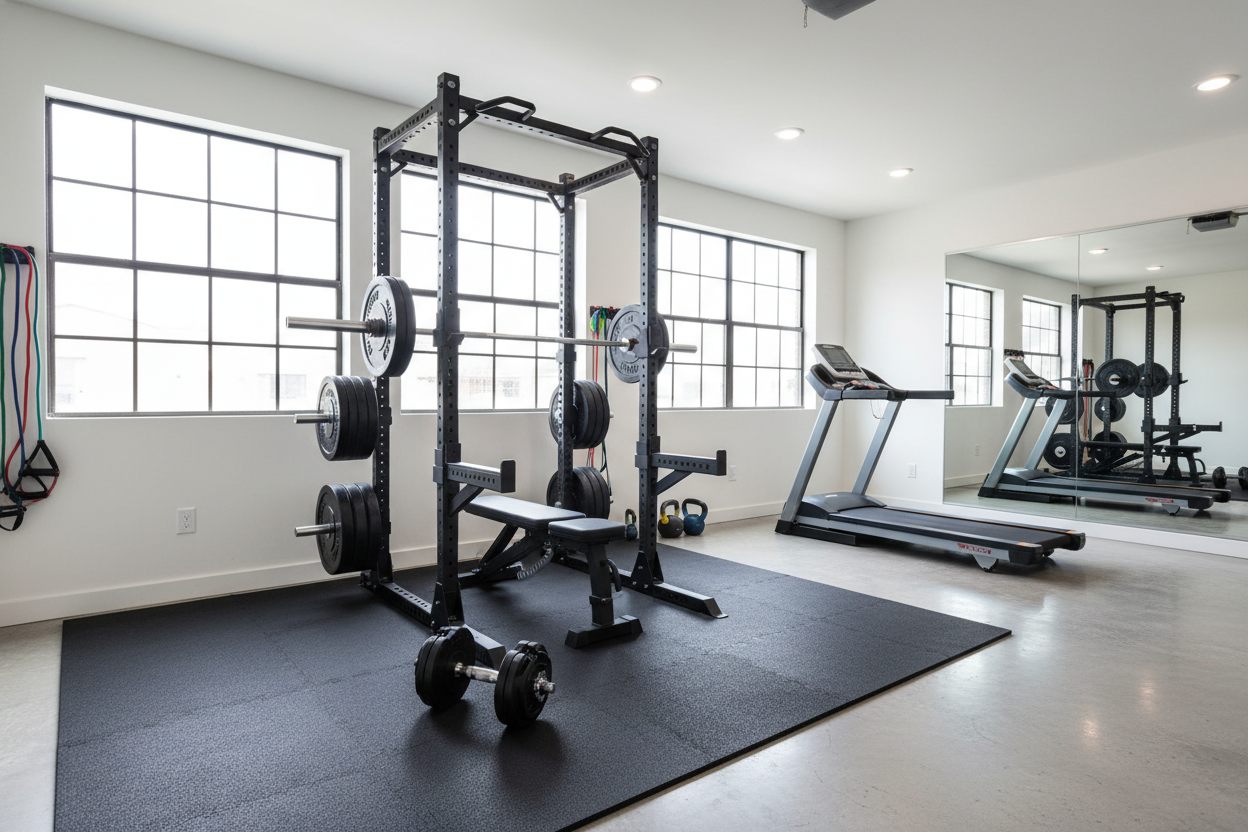
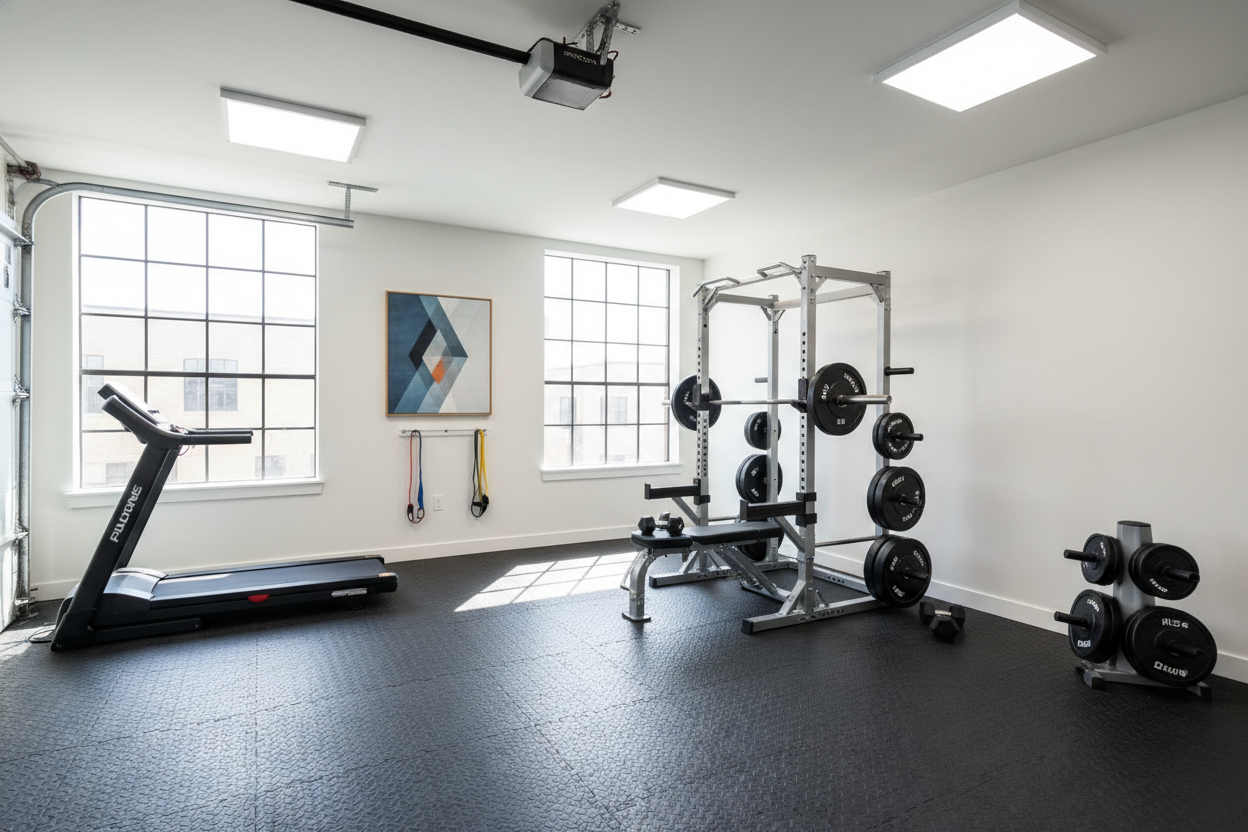
Having dependable strength equipment at home is the ultimate hack here. If I had to drive to a commercial gym, wait for a rack to open up, and navigate a crowded locker room, my 20-minute window would be gone before I even touched a bar. A solid rack and a barbell that doesn't feel like a pool noodle are all you really need to execute a brutal, fast-paced session.
Setting Up Your Space for Speed
If you have to hunt for your 2.5-lb plates or move a lawnmower just to get to your bench, you’ve already lost. I organize my space so that everything I need for my main lift is within arm's reach. I stage my plates in the order I’ll use them before I even start my timer.
I also rely on specific strength training accessories to shave off seconds. Quick-change collars are a must—fumbling with old-school spring clips when you're gasping for air is a recipe for frustration. I also keep my lifting straps and belt right on the rack. Every second you spend looking for gear is a second you aren't getting stronger.
Don't Confuse 'Fast' With 'Cardio'
There is a massive difference between a dense strength session and a conditioning circuit. If you just want to sweat and burn calories, you're better off doing a killer HIIT workout strength training challenge. But if the goal is muscle and power, the weight on the bar still has to be heavy.
Don't rush your reps. The speed comes from shortening the rest periods and eliminating transitions, not from bouncing the bar off your chest or using momentum. You want muscular fatigue, not just to be out of breath. If your form starts to break down because you're huffing and puffing, you've crossed the line from strength training into 'cardio with weights.' Keep the movements crisp.
Fast Training FAQ
Can I really build muscle in 20 minutes?
Yes. Muscle growth is about mechanical tension and progressive overload. If you lift heavy and get close to failure, your body doesn't care if the workout took 20 minutes or two hours.
How many days a week should I do this?
I find that 3 to 4 days of high-intensity, short-duration lifting is the sweet spot for most busy people. It allows for enough recovery while keeping you in the habit of training.
What if I miss my accessory work?
You probably won't notice. Big compound movements like rows, presses, and squats hit almost everything. If you have an extra five minutes at the end, throw in one set of curls, but don't sweat it if you can't.