I Traced Where Gym Suppliers Actually Get Their Steel
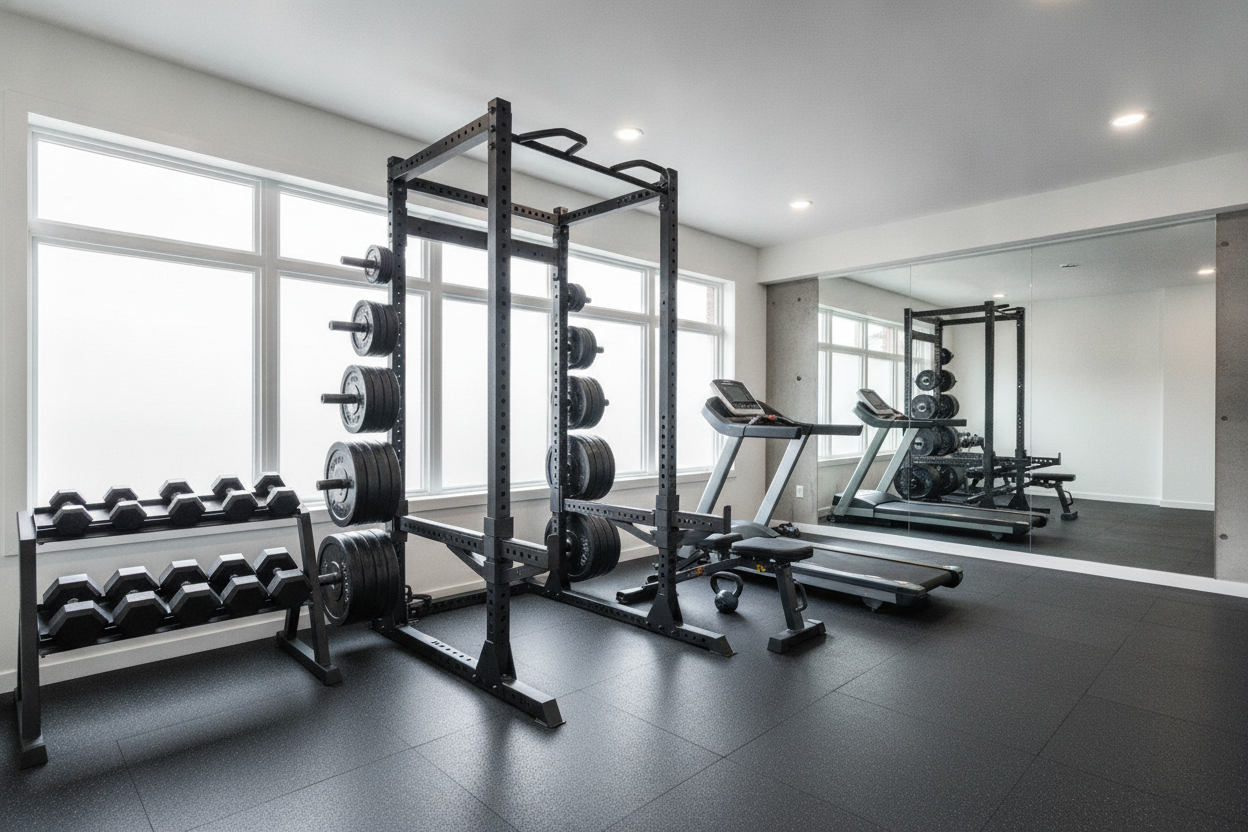
I was scrolling through three different tabs last night looking for a 3x3 power rack. Aside from the sticker on the upright, they were identical. Same hole spacing, same generic J-cups, same thin black powder coat. It's frustrating because most gym suppliers are just playing a massive game of 'rebrand the import' and hoping you don't notice the 20% markup for their logo.
Quick Takeaways
- Most 'manufacturers' are actually exercise equipment distributors who never touch the design process.
- Identical specs across brands usually mean the gear came from the same handful of factories in Ningbo or Qingdao.
- Real R&D is rare and usually costs more, but it's the only way to ensure the steel grade is legitimate.
- Avoid pre-orders from unverified brands; you are often just financing their shipping container.
The Dirty Secret Behind Identical Power Racks
Walk into any big-box fitness store or browse a generic gym equipment supplier online, and you'll start to see a pattern. That 'innovative' squat stand looks exactly like the one you saw on Amazon for $100 less. That's because it is. Most exercise equipment suppliers don't actually design anything. They browse a massive digital catalog from overseas factories, pick a base model, and choose a color.
These factories produce thousands of units of 'Model X' every month. One gym fitness equipment supplier might order it in red with a fancy name, while another gymnasium equipment suppliers brand orders it in matte black. They are essentially white-labeling the same 14-gauge steel and calling it 'professional grade.' If you see the same weird triangular gusset plate on five different racks, you've found the factory's signature, not the brand's innovation.
This lack of original engineering is why so many racks have the same annoying flaws—like pull-up bars that are too thick to grip comfortably or J-cups that scratch your barbell on day one. When a supplier of gym equipment isn't involved in the CAD drawings, they can't fix the problems. They just sell what's on the boat.
How to Spot a Glorified Middleman
Identifying a middleman is easier than you think. First, look at their 'About' page. If it’s filled with stock photos of people in commercial gyms and zero photos of an actual warehouse or R&D lab, that’s a red flag. Real exercise equipment vendors should be able to show you their inventory. If every single item is 'shipping from a third-party hub,' they are likely just drop-shipping from a larger distributor.
Another sign is the pricing strategy. If a company has a permanent '70% off' banner that never goes away, they are inflating the MSRP to make a generic import look like a steal. In contrast, legitimate Home Gym Equipment Deals usually happen when a brand that actually holds physical stock needs to clear floor space for a new production run. If they don't have a warehouse, they don't have a reason to run a real sale.
Check the product descriptions. If the 'specs' are just a copy-paste of a generic factory listing—often with weird translations or missing dimensions—the gym supplier likely hasn't even unboxed the product themselves. They are betting on you not knowing the difference between 11-gauge and 14-gauge steel until the rack is already bolted to your floor.
Why You Should Care Who Actually Makes Your Gear
It’s not just about the logo; it’s about the support after the sale. When you buy from generic fitness vendors, you are buying a product with a dead-end life cycle. If a pulley snaps on your cable tower or a weld fails on your bench, a middleman won't have spare parts in a warehouse. They'll tell you to buy a whole new unit because they don't actually manufacture the components.
Learning How To Build A Pro Gym With Basic Exercise Fitness Equipment involves more than just buying heavy stuff. It's about investing in foundational pieces from brands that stand behind their welds. A reputable fitness center equipment suppliers company will have a 'boneyard' of parts and a customer service team that knows the difference between a M16 and a M20 bolt.
Safety is the biggest concern. Weight lifting equipment suppliers who just drop-ship don't perform destructive testing. They take the factory's word that a bench holds 1,000 lbs. I’ve seen '1,000-lb rated' benches buckle under 400 lbs because the steel was porous junk. When you buy from a real manufacturer, you're paying for the peace of mind that someone actually tested the failure point.
The Pre-Order Trap You Need to Avoid
We’ve all seen it: 'Pre-order now for 12-week delivery!' This is the favorite tactic of the undercapitalized workout equipment suppliers. They don't have the money to buy their own inventory, so they use your 'pre-order' cash to fund the manufacturing and shipping of their container. You are essentially giving a startup an interest-free loan.
The problem is that the global supply chain is a mess. That 12-week estimate often turns into six months. If the ship gets stuck, or worse, if the fitness equipment suppliers company goes under before the boat arrives, you are left holding the bag. I've seen dozens of 'garage gym' startups vanish overnight, taking thousands of dollars in pre-order money with them.
Unless the brand has a multi-year track record of successful launches, avoid the pre-order. A real gym machine suppliers business should have the capital to stock their own shelves. If they can't afford to bring the gear into the country before selling it, they probably can't afford to honor your warranty three years from now either.
How to Vet Real Home Gym Equipment Manufacturers
Before you drop three grand on a home gym, do a little detective work. Look for patent numbers on their site. Real innovation is protected. Check if they have a physical showroom or if they sponsor any actual lifting competitions. Real home gym equipment manufacturers are embedded in the community, not just the Facebook Ad manager.
Ask about the steel. If they can't tell you the specific mill where the steel was sourced or provide a spec sheet on the powder coating, they are likely just a reseller. You need to know if bulky Free Weight Exercise Equipment Is It Worth The Home Gym Space based on the quality of the uprights. If the steel is 14-gauge (thin) but priced like 11-gauge (thick), you're being ripped off.
Finally, look at the assembly manuals. A real manufacturer writes their own instructions with clear diagrams and proper English. A middleman sends you a one-page PDF that looks like a blurry photocopy of a photocopy. It sounds small, but it’s a massive indicator of how much the company actually cares about the end-user experience.
Personal Experience: The Bench That Folded
I once bought a 'commercial grade' adjustable bench from a random fitness equipment supplier on a popular auction site. It looked great in the renders—beefy frame, thick pads, the works. The first time I tried to hit a heavy set of incline presses, the adjustment pin sheared. I wasn't even at the 'rated' capacity. When I tried to contact the company, the email bounced. They had closed their digital storefront and reopened under a new name a week later. I ended up with a $250 pile of scrap metal because I tried to save $100 by going with a middleman instead of a real manufacturer.
FAQ
What is the difference between 11-gauge and 14-gauge steel?
11-gauge steel is approximately 1/8th of an inch thick and is the gold standard for serious lifting. 14-gauge is thinner and lighter, usually found in budget gear. If you plan on squatting over 300 lbs, stick to 11-gauge.
Are all imported gym products bad?
Not at all. Many high-end brands manufacture overseas to keep costs down. The difference is the quality control. A good brand has their own staff on-site at the factory to inspect every batch, whereas a middleman just hopes for the best.
How can I tell if a sale is legitimate?
Look for a reason for the sale. Is it a holiday? Are they clearing out a specific model for a 'Version 2.0'? If everything is always 'on sale,' the sale price is actually just the regular price, and the MSRP is fake.