I Threw Away a Box of Random Gym Things (And Finally Got Strong)
I stood in my garage last Sunday, staring at a cardboard box overflowing with neon-colored latex and plastic. It was a graveyard of impulse buys—cheap resistance bands that smelled like a tire fire, a plastic ab roller that squeaked with every rep, and those weird sliding discs that only work if you have perfectly waxed hardwood floors. I realized I had spent hundreds of dollars on random gym things that were doing exactly zero for my deadlift.
We have all been there. You see a targeted ad or a late-night infomercial and suddenly you are convinced that a new piece of plastic is the missing link to your physique. It is not. After five years of building, breaking, and rebuilding my home setup, I realized that clutter is the enemy of intensity. I threw the whole box in the trash and went back to the iron.
Quick Takeaways
- Most cheap fitness items provide the illusion of progress without the mechanical tension needed for growth.
- If it folds up and hides under your bed, you probably will not use it for more than a week.
- Prioritize gear that allows for progressive overload—adding weight or reps over time.
- A high-quality floor and a heavy barbell beat a room full of gadgets every single time.
The 'Fitness Items' Trap That Kept Me Weak
The problem with most small fitness items is that they are too easy to buy. You are at a big-box store, you see a set of 5-lb dumbbells or a 'thigh master' clone, and you think, 'Hey, it is only twenty bucks.' You buy it because it feels like a win for your health. But three weeks later, those items are just collecting dust in the corner of your room.
These tools often lack the resistance necessary to actually trigger muscle hypertrophy. You can do a thousand reps with a light band, but if you are not challenging your central nervous system, you are just moving. I wasted a year 'toning' with light gear before I realized I was just spinning my wheels. Real growth requires tension, and most of these gadgets just do not provide enough of it.
When Did We Start Buying Exercise Furniture?
I have a theory that half the stuff sold in a modern health and fitness store is actually just exercise furniture. I am talking about those massive, clunky machines that claim to do everything but end up serving as a very expensive coat rack. If a work out instrument takes twenty minutes to assemble and has ten different pulleys that feel like they are going to snap, it is a gimmick.
I once bought a folding 'total body' rower from an infomercial. It felt like pulling on a wet noodle. It took up six feet of floor space when unfolded and was such a pain to set up that I eventually just stopped using it. When your gear becomes an obstacle to starting your workout, it has failed its only job. Stop buying furniture; start buying tools.
Sorting Through the Clutter to Find What Works
My turning point happened when I stopped wandering into every local health and fitness shop looking for a magic bullet. I did an audit of every piece of gear I owned. If I had not used it in the last thirty days, or if I could not increase the weight on it, it had to go. This forced me to stop looking for shortcuts and start looking for the health and fitness equipment you actually need to buy.
I shifted my focus to pieces that offered versatility and durability. Instead of five different 'core machines,' I bought one solid adjustable bench. Instead of twenty different bands, I bought a pair of 50-lb kettlebells. The goal was to clear the floor so I could actually move. Once the junk was gone, my workouts became focused, heavy, and significantly more effective.
The Only Fitness Tools That Survived the Purge
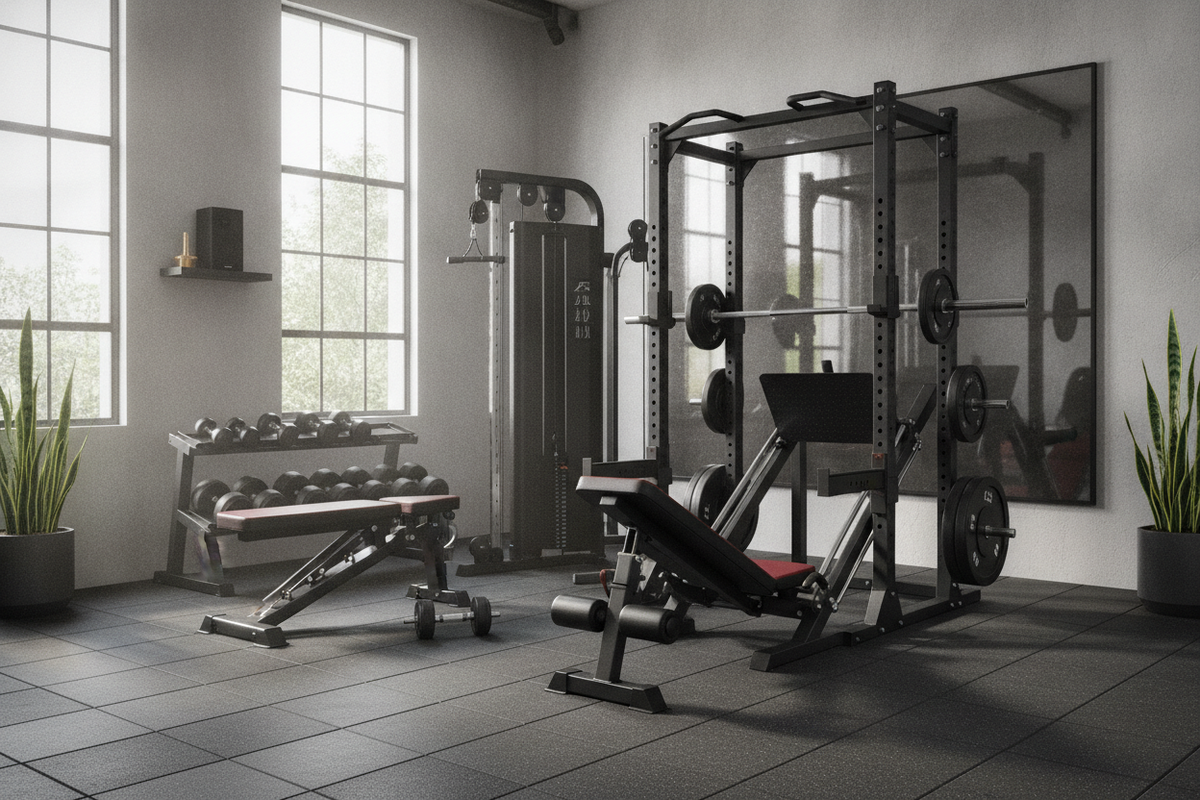
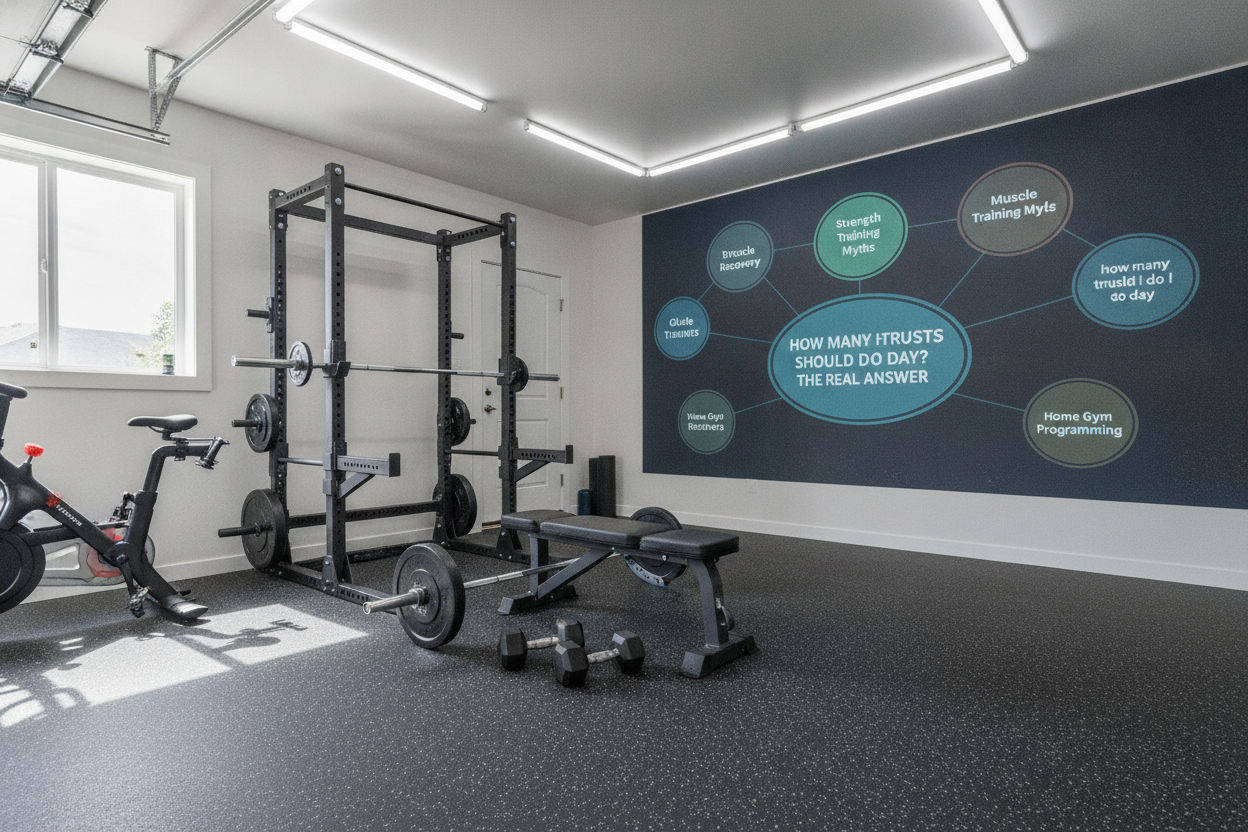
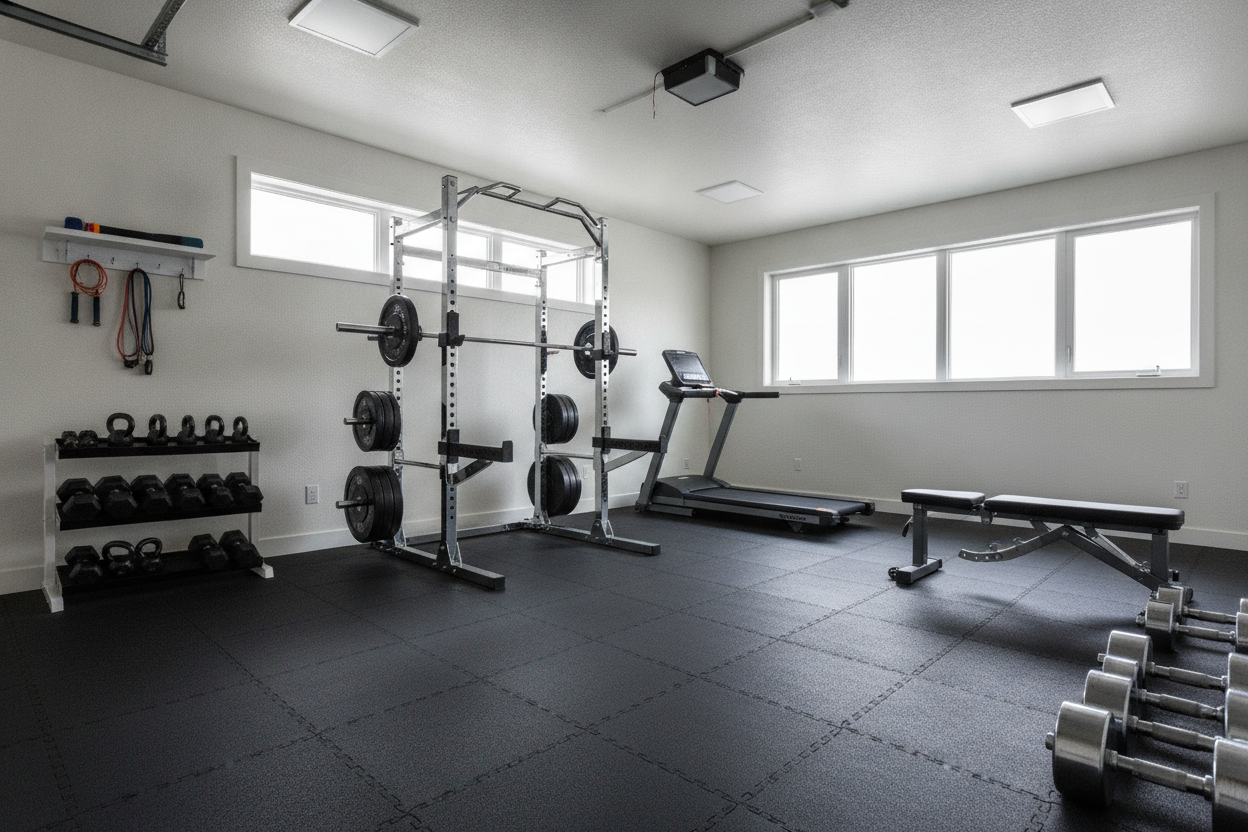
So, what actually stayed? The heavy stuff. I kept my 20kg barbell, my bumper plates, and a solid squat rack. But the most important change was the foundation. I stopped trying to lift on a slippery garage floor or a thin yoga mat that bunched up under my feet. I invested in a dedicated, heavy-duty large exercise mat for home gym use that actually stays put when I drop weight.
Specifically, I laid down a 6x8ft exercise mat that turned a cold concrete corner into a professional-grade lifting zone. It is 7mm thick and dense enough that my bench doesn't leave permanent indentations. Having a defined, protected space changed the psychology of my garage. It no longer felt like a storage unit with some weights in it; it felt like a black-iron sanctuary where real work happens.
Skipping the Big Box Health Fitness Store
My advice? Stop browsing the impulse aisles at your local health fitness store. They are designed to sell you 'easy' solutions that fit in a shopping cart. If you want to get strong, you need to save that money for the unsexy, heavy equipment that lasts a lifetime. A barbell doesn't have a 'new version' coming out next year. A heavy rubber mat doesn't need a software update.
Build your gym around the big three: a place to squat, a bar to pull, and a floor that can handle the impact. Everything else is just noise. If you can't fit your workout gear into a single sturdy rack, you probably have too many gadgets and not enough iron.
FAQ
Is all cheap equipment bad?
Not all of it, but most 'as seen on TV' stuff is junk. Stick to basics like jump ropes or chalk if you want budget-friendly wins. If it has more than two moving parts and costs under $50, be skeptical.
How much space do I really need?
You can do a world of damage in a 6x8 ft space. If you have enough room to lay down a heavy mat and extend your arms, you have enough room to get elite-level fit. Don't let a small floor plan be your excuse.
What should I buy first?
Flooring and a versatile weight source. Whether that is a set of adjustable dumbbells or a barbell, get something that allows you to add weight over time. Your floor protects your house; your weights build your body.