I Finally Bought a Machine for My Leg Day Exercises (Here's Why)
I used to be a total barbell snob. If it wasn't a back squat, a front squat, or a bone-snapping deadlift, I didn't think it belonged in a leg day exercises routine. I spent a decade grinding my vertebrae into dust, convinced that machines were for people who didn't want to work hard. I was wrong, and my flat quads were the proof.
After years of scrolling through forums and watching my lower back recover slower than my actual legs, I realized I was hitting a wall. My CNS was fried, but my quads still had gas in the tank. I needed a way to torch my legs without needing a chiropractor on speed dial.
Quick Takeaways
- Barbell squats often fatigue your lower back and core before your quads actually hit failure.
- Stability is the secret sauce for hypertrophy; the more stable you are, the more force your muscles can produce.
- A dedicated machine allows for safe, high-rep burnout sets that are nearly impossible with a heavy bar.
- Small-footprint machines can fit into a 4x4 area, making them viable for most garage gyms.
The Problem With the 'Squat or Die' Mentality
Home gym culture loves to glorify the 'Big Three.' We've all seen the memes. But relying solely on heavy spinal loading makes hitting legs consistently a nightmare. When you're 40 and trying to maintain a great leg workout, your joints start to have a vote in your programming.
The issue isn't the squat itself; it's the systemic fatigue. By the time I finished five sets of heavy back squats, I was too exhausted to do anything else. My 'leg day' was really just a 'test my spine's structural integrity day.' I was leaving gains on the table because I couldn't push my quads to failure without my form breaking down and risking a disk bulge.
Why Free Weights Fall Short for True Isolation
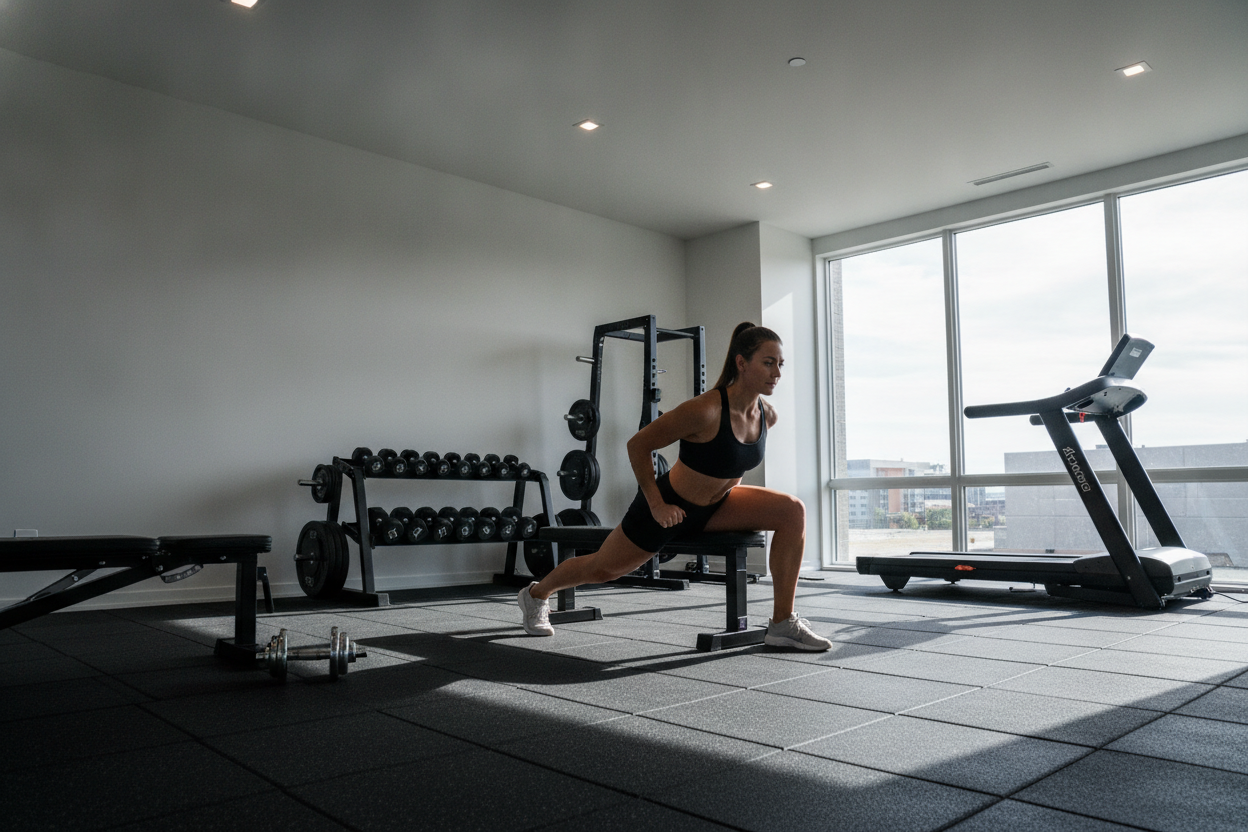
Building a whole leg workout with just dumbbells or a barbell is mechanically difficult. Think about the dumbbell lunges you do. Are your quads failing, or is your grip giving out? Are you stopping because your hamstrings are cooked, or because your balance is wobbly? Free weights require massive amounts of stabilization, which is great for 'functional' strength but mediocre for pure muscle growth.
When you use a machine, you eliminate the balance variable. You can focus 100% of your mental energy on the mind-muscle connection. This level of isolation is crucial when you're deciding Chest vs. Leg Day: What Should You Workout With Shoulders? because it allows you to manage your recovery much more effectively across the week.
The Turning Point: Admitting I Needed a Machine
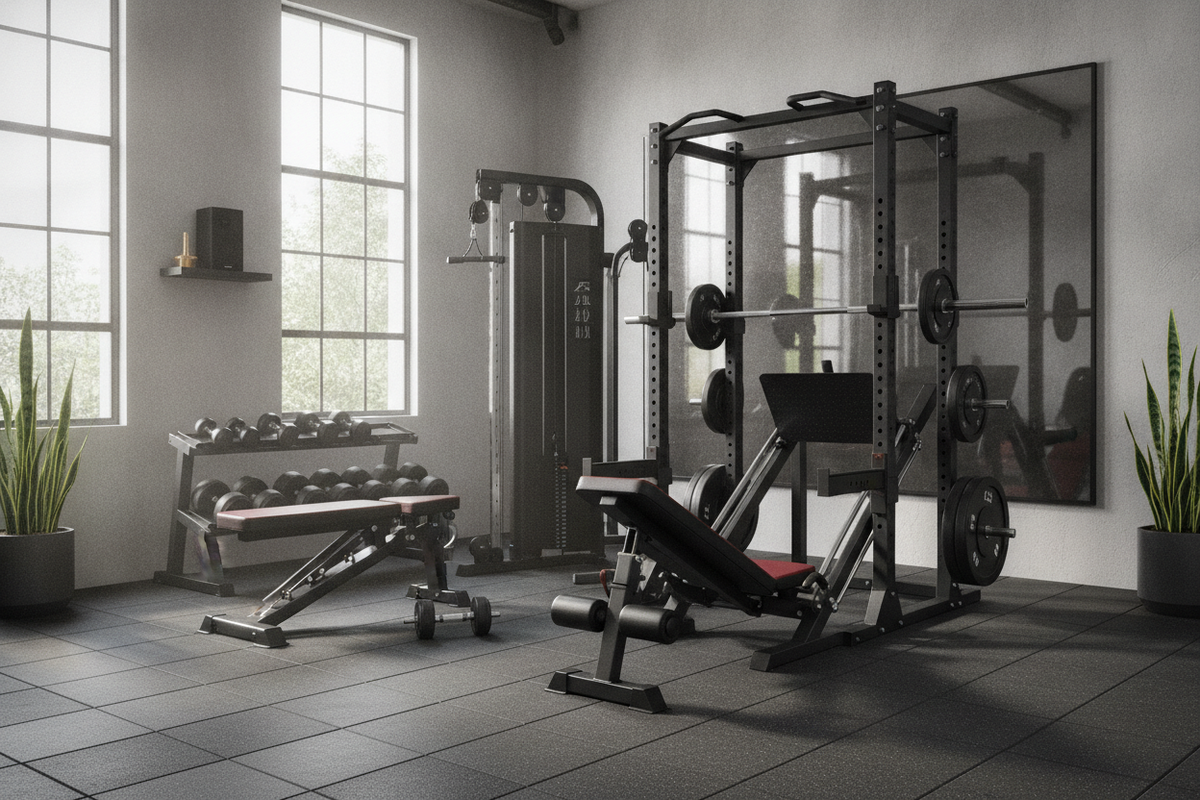
I finally broke down and bought the Gxmmat Leg Extension Curl Machine. It’s a plate-loaded beast that doesn't take up half the garage. The first time I hooked my ankles under the pads and did a set of 20 controlled extensions, I felt a pump I hadn't seen since 2012. It was a revelation: I could actually feel my quads working without my lower back screaming for mercy.
I realized that essential leg day exercises for hypertrophy require locked-in stability. The machine provides a fixed path of motion, meaning I can go to absolute, gritty failure. If I fail a rep on a leg extension, I just let the weight down. If I fail a rep on a 315-lb squat, I'm praying my safety bars are set at the right height. That peace of mind changed everything for my training intensity.
My New 'Anti-Purist' Blueprint for Leg Day
I didn't throw my barbell in the scrap heap. I just got smarter. A good leg workout now looks like a hybrid approach. I start with one heavy 'anchor' movement to keep my structural strength up, then I move immediately into the machine work to actually build the muscle. It’s the most efficient what is a good leg day routine I've ever followed.
The Heavy Anchor: RDLs or Hack Squats
I still value leg day lifts that require some grit. I usually start with Romanian Deadlifts (RDLs) or a high-bar squat. The goal here isn't to set a world record; it's to load the tissue heavily while I'm fresh. I keep the reps in the 5-8 range. Once the 'big' movement is done, I step away from the rack. I’ve found that trying to do three different heavy compound movements in one session is a recipe for burnout.
The Burnout: High-Rep Extensions and Curls
This is where the magic happens. I hop on the machine for some leg workout ideas that involve high-volume sets. I’m talking 3 sets of 15-20 reps on leg extensions, followed by seated or prone leg curls. The constant tension on the hamstrings is something you just can't replicate with a kettlebell or a floor slide. By the end of these sets, my legs feel like they're actually full of blood, rather than just feeling like my skeleton is tired.
Is a Dedicated Machine Worth the Floor Space?
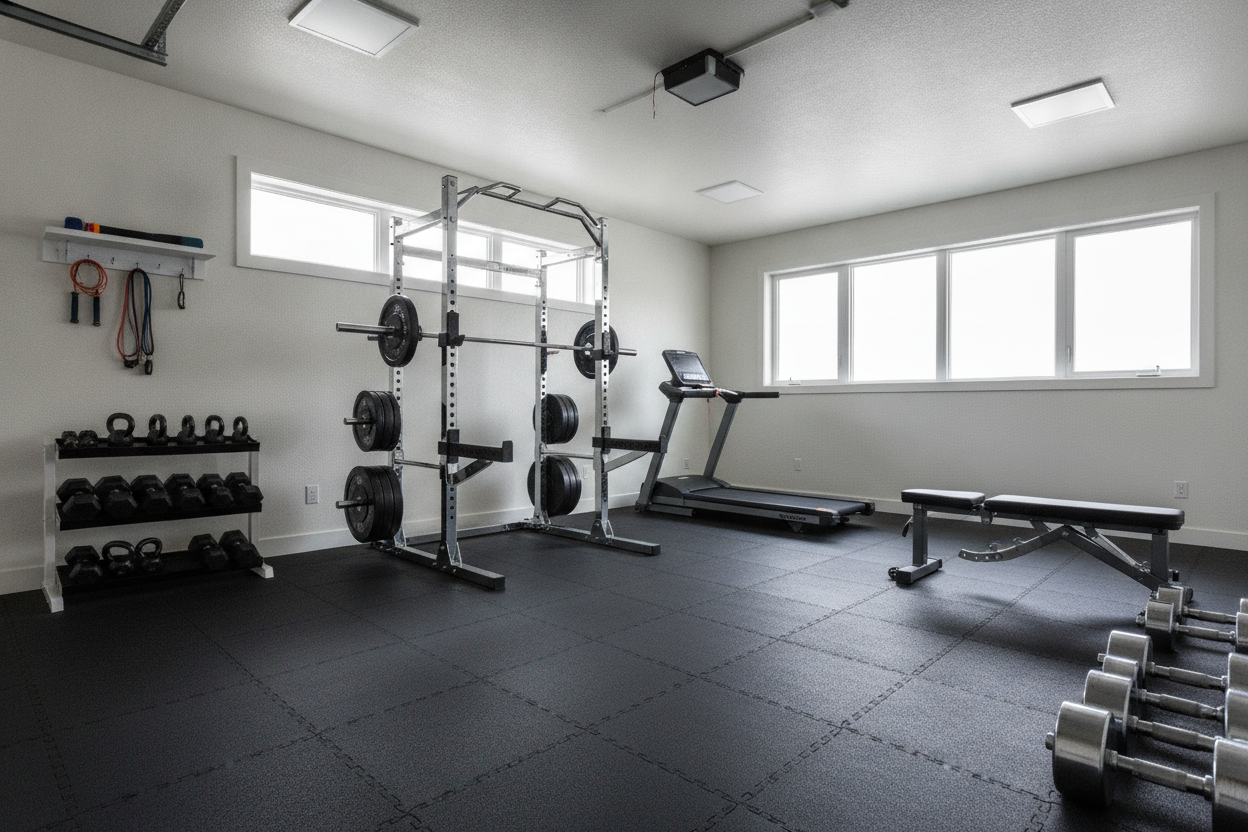
If you're working in a tight 10x10 shed, space is premium. But honestly, a solid Leg Machine is worth its weight in gold if it means you'll actually train legs. Most people skip full leg exercises because they dread the brutality of the barbell. When you have a machine that's comfortable and effective, you stop making excuses.
I’ve tested plenty of gear that ended up as a clothes rack, but a leg extension/curl combo gets used twice a week, every week. It’s a 3x3 foot investment that pays off in quad sweep and hamstring thickness. If you're serious about your whole leg workout, stop being a purist and buy the machine. Your knees and your lower back will thank you in five years.
FAQ
Do I really need a machine for a good leg workout?
You don't 'need' it, but you're making it harder on yourself. Machines provide the stability required to push your muscles to failure without your form breaking down. If your goal is size, a machine is superior to free weights for isolation.
What is the best leg day routine for home gyms?
A mix of one heavy compound (like a squat or RDL) followed by 2-3 isolation movements (like leg extensions and curls). This gives you the best of both worlds: strength and hypertrophy.
Will a leg machine fit in a small garage?
Most plate-loaded leg extension/curl machines have a footprint of about 36 to 42 inches square. If you can clear a small corner, it's a better use of space than a second power rack or a bulky treadmill.