I Tested 10 Weight Vest Uses (And Only 3 Actually Work)
I bought my first 20-lb plate carrier because I watched a CrossFit documentary and convinced myself I’d be doing 'Murph' every weekend. Instead, I wore it once, felt like my spine was being compressed into an accordion, and banished it to a corner of the garage for a year. I’m a sucker for gear, but most weight_vest_uses you see on social media are just creative ways to pay for your physical therapist's next vacation.
Quick Takeaways
- Vests are elite for strict calisthenics (pull-ups, dips, push-ups).
- Rucking with a vest is a legitimate leg-builder and cardio hack.
- Running on concrete with a vest is a fast track to knee surgery.
- Wearing a vest at your desk job is a gimmick that kills your posture.
Why My Weighted Vest Gathered Dust for a Year
Most people buy a vest thinking it's a magical fat-loss suit. I did. I thought if I just added 20 lbs to my frame, the weight would fall off. The reality? I put it on, tried to run three miles, and my shins felt like they were splintering. I realized I was asking do workout vests work without actually defining the job.
A vest isn't a passive tool. It’s an implement for progressive overload. When I finally stopped treating it like a 'weighted sweater' and started treating it like a barbell you wear, everything changed. If you can't do 15 clean, unweighted pull-ups, you have no business strapping on a vest. You're just adding ego to a movement that already requires discipline.
Are Weight Vests Good For You, or Just Joint Destroyers?
The internet loves to ask, are weight vest good for you, but the answer depends entirely on your floor surface and your form. From a biomechanical standpoint, adding load to your torso increases the ground reaction force every time your foot hits the dirt. If you’re doing high-impact plyometrics or sprinting on pavement, is wearing a weight vest bad for you? Yes. It’s terrible for your meniscus and lower back.
I also get asked all the time: do weighted vests stunt your growth? Unless you’re a ten-year-old trying to max out a 50-lb vest daily, no. That’s an old myth that’s been debunked since the 80s. The real danger isn't stunting your height; it's the sheer force on your joints when you try to be 'tactical' on a sidewalk.
Does Walking With a Weighted Vest Build Leg Muscle?
This is where the vest shines. I started 'rucking' around my neighborhood with a 30-lb vest, and the weighted cardio benefits were night and day compared to empty-handed walking. So, does walking with a weighted vest build leg muscle? Absolutely. It turns a boring stroll into a low-grade strength session for your calves, quads, and stabilizers.
It’s a functional alternative for guys who are bored of machine weight training and want to build work capacity outdoors. While there are plenty of weighted backpack benefits for hikers, a vest keeps the weight centered over your core rather than pulling your shoulders backward. It feels more natural and less like you're hauling a sack of potatoes.
The Only 3 Weight Vest Uses I Actually Recommend
After testing everything from 'weighted yoga' (don't ask) to sprints, I’ve narrowed heavy weight vest training down to three movements that actually yield results. First: Weighted Pull-ups. Adding 10-20 lbs forces your lats to recruit more fibers than high-rep bodyweight sets ever will.
Second: Strict Dips. This is the ultimate chest and tricep builder. Third: Bulgarian Split Squats. I like to prop my rear foot on an adjustable weight bench while wearing the vest. It’s much easier to balance than holding 50-lb dumbbells in each hand, and the burn is disgusting. If you're currently on a beginner weight training routine, stick to the basics first. Only add the vest once the bodyweight version of these moves feels like a warm-up.
The All-Day Wear Fad: Does a Weighted Vest at Work Make Sense?
I tried wearing a weighted vest at work for a week. I thought I was being 'efficient' with my time. By Wednesday, my traps were on fire and I had a tension headache that wouldn't quit. People talk about weighted clothing benefits as if you can just passively burn 500 calories while typing. You can't.
Is weighted clothing effective for passive burn? Barely. The metabolic increase is negligible, but the postural cost is high. You end up slouching to compensate for the weight, which wrecks your neck alignment. Save the weighted clothing benefits for when you're actually moving. Your chiropractor will thank you.
The Final Verdict: Is a Weight Vest Good for Your Setup?
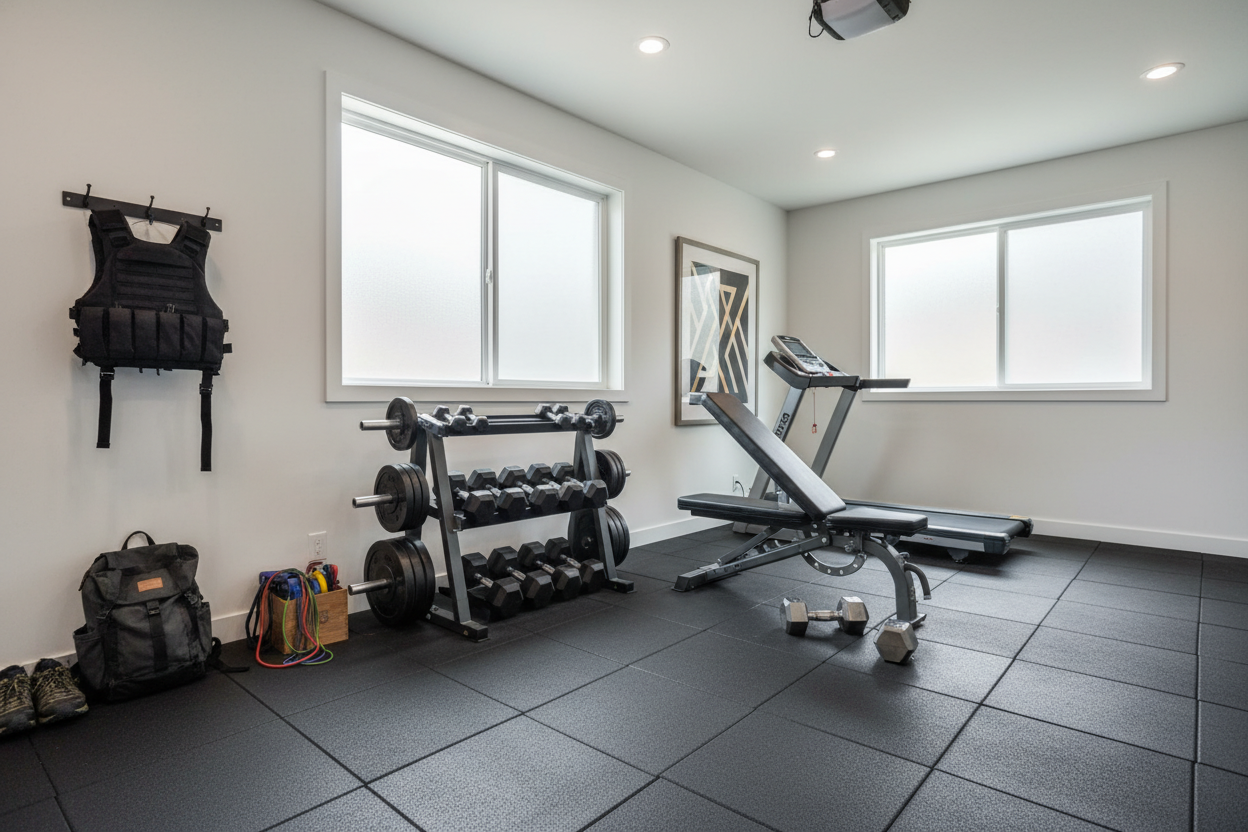
So, is weight vest good for a home gym? If you're into calisthenics or want to spice up your cardio without running, it’s a top-tier investment. Real weighted vest training results come from short, intense sessions—not wearing a plate carrier to the grocery store. Stick to the 'big three' movements and rucking, and you’ll see the strength gains without the joint pain.
FAQ
Can I wear a weight vest every day?
I wouldn't. Your connective tissues need recovery just like your muscles. Use it 2-3 times a week for specific sessions rather than treating it like a second skin.
How much weight should I start with?
Start with 5-10% of your body weight. If you're 200 lbs, a 10-lb or 20-lb vest is more than enough to start seeing a difference in your heart rate and muscle fatigue.
Is a weighted vest better than a backpack?
For exercise, yes. A vest distributes weight evenly across your chest and back, whereas a backpack pulls you backward, which can cause you to lean too far forward to compensate.