I Swapped My Fitness Apps for 70s Exercise and Heavy Iron
I was halfway through a set of heavy squats last Tuesday when my smartwatch buzzed to tell me I had reached my standing goal for the day. I was literally holding 315 pounds on my back, and this piece of plastic was patronizing me. That was the moment I realized I had drifted too far into the digital weeds. I spent more time checking heart rate zones and syncing data than actually moving weight. I decided right then to strip it all back and return to the grit of 70s exercise.
- Ditch the tracking apps for a simple notebook.
- Trade the EDM for classic rock and heavy metal.
- Prioritize barbells and dumbbells over 'smart' machines.
- Focus on the pump and the mind-muscle connection.
The Day I Got Sick of Sterile Fitness Tech
The breaking point wasn't just the watch. It was the entire ecosystem of sterile, over-engineered training. I had three different apps tracking my macros, my sleep, and my recovery scores. My garage felt less like a sanctuary and more like a laboratory. I realized that the legends of the 1970s workout era didn't need a cloud-based algorithm to tell them they were working hard. They just looked in the mirror and felt the burn. I started by simplifying my entire workout hub, deleting the subscription services and putting my phone in a different room.
The difference was immediate. Without a screen to stare at between sets, I actually noticed the knurling on my bar again. I noticed how my breathing changed under load. I stopped being a data entry clerk and started being a lifter again. If you've ever felt like your tech is a distraction rather than a tool, you know exactly what I'm talking about. The 70s fitness mindset was about intensity and intuition, two things that are hard to find in an app store.
What Real 70s Exercise Looked Like (Hint: Heavy, Not Fancy)
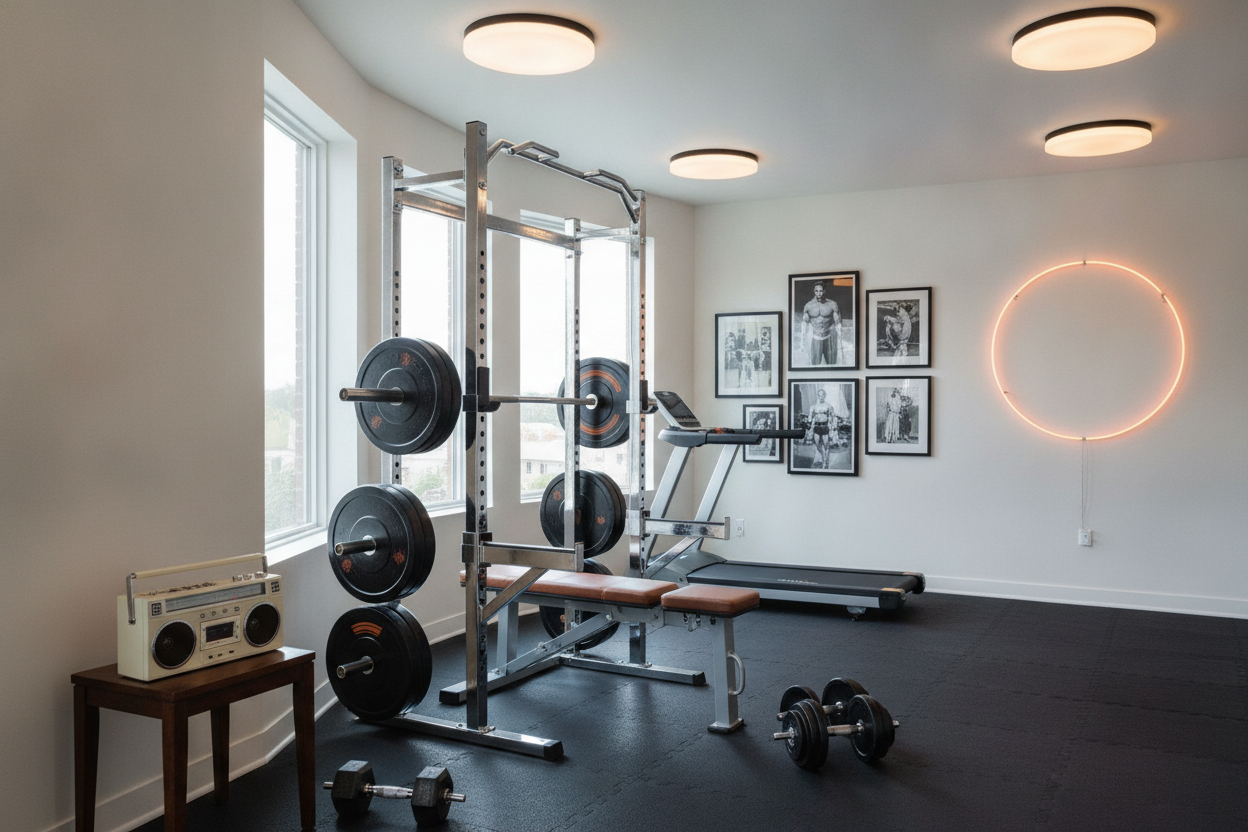
People often confuse the 70s with the neon spandex of the 80s. In reality, a true 1970s workout was much grittier. It was the era of Pumping Iron—raw iron plates, chalk-dusted floors, and basic progressive overload. You didn't have 15 different cable attachments for a tricep extension. You had a barbell, a bench, and the will to push through a sticking point. When I looked at the best exercise equipment for full body workout setups from that decade, it was almost entirely free weights.
I traded my fancy adjustable cable machine for a solid power rack and a pile of vintage deep-dish plates. There is something about the sound of old iron clanging together that a magnetic resistance machine can't replicate. It’s tactile. It’s loud. It’s honest. You aren't fighting a computer program; you're fighting gravity. I found that my strength plateaus started to break once I stopped worrying about 'optimal' angles and just focused on moving heavy objects from point A to point B. The 70s workout video trend hadn't quite hit its peak yet, so people actually spent their time training instead of watching someone else do it.
Ditch the EDM: Building the Ultimate 70s Workout Playlist
Modern gym music is designed to be background noise. It’s high-BPM, repetitive, and ultimately soulless. To get into the right headspace, you need a 70s workout playlist that has some teeth. I’m talking about the best 70s rock workout songs—Led Zeppelin, Black Sabbath, and Deep Purple. The best workout songs from the 70s have a groove and a weight to them that matches the rhythm of a heavy set. When the riff from 'War Pigs' kicks in, you don't need a pre-workout supplement.
I’ve found that 70's workout music provides a better pacing for strength training. You aren't rushing to keep up with a 140 BPM techno track; you're moving with the deliberate, heavy stomp of a drum kit. Whether you're looking for top 70s workout songs or building a massive 70s 80s workout music library, the goal is the same: find music that makes you want to move mountains. If you haven't tried hitting a PR to the sound of 'Stairway to Heaven' (the fast part, obviously), you haven't lived. Workout music from the 70s just hits different when you're covered in sweat and chalk.
How to Recreate the Golden Era in Your Garage
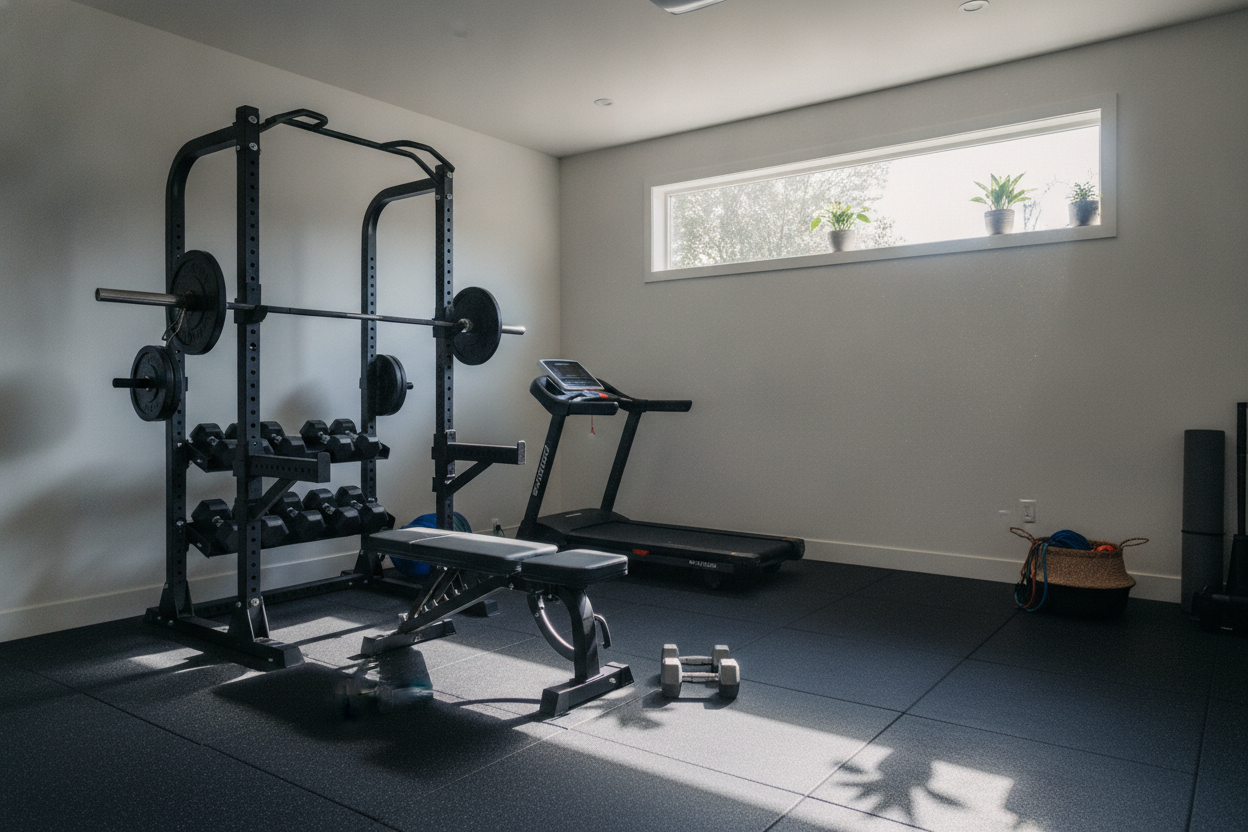
Setting up a 70s-style gym doesn't mean buying junk. It means buying stuff that lasts. I looked for a rack with 3x3 inch steel and 11-gauge thickness—something that doesn't wobble when you re-rack 400 pounds. You want a bar with aggressive knurling that bites into your palms. I personally prefer an oxide finish; it feels more 'raw' than the slick chrome you find in commercial gyms. You don't need a 52.5-lb max per handle adjustable set if you can find a rack of old-school fixed dumbbells that have been through a war.
The aesthetic matters, too. I stripped the plastic covers off my equipment and went for a minimalist look. A 6x8 ft space is all you really need for a world-class setup if you choose your tools wisely. I once bought a 'smart' barbell that tried to track my bar path via Bluetooth. It was expensive, the battery died constantly, and the balance felt off. I sold it and bought a used Texas Power Bar. Best decision I ever made. The old-school way isn't just about nostalgia; it’s about reliability.
Protecting Your Concrete (The Unglamorous Foundation)
While the 70s vibe is all about being rugged, you shouldn't be stupid. Dropping 45-pound iron plates on a bare garage floor is a fast way to turn your foundation into gravel. I learned this the hard way after cracking a slab in my first house. To keep the old-school feel without the structural damage, I invested in heavy-duty gym flooring for home workout. It’s thick enough to deaden the sound and absorb the impact of a dropped deadlift, but it doesn't feel like a soft yoga studio.
You want high-density rubber that doesn't compress under a heavy rack. If the flooring is too squishy, your squats will feel like you're standing on a bowl of marshmallows. I went with 3/4-inch stall mats. They smell like a tire fire for the first week, but they are indestructible. It allows you to train with that 70s intensity—dropping weights when you have to—without worrying about the landlord or the wife complaining about the house shaking.
Less Tracking, More Lifting
The biggest benefit of embracing 70s exercise wasn't the physical gains, though those were great. It was the mental clarity. When you stop looking at a screen every 90 seconds, your brain enters a flow state. You start to anticipate the next set rather than dreading the next notification. You learn what a 'hard' set actually feels like because you aren't relying on a heart rate monitor to tell you if you're tired.
Is this approach for everyone? Maybe not. If you love your data and your virtual trainers, keep them. But if you feel burnt out by the complexity of modern fitness, try going back to the basics. Turn on some 70s workout songs, grab a piece of cold iron, and remember why you started lifting in the first place. It wasn't to fill a ring on your watch; it was to get strong.
70s Exercise FAQ
Was 70s fitness just about bodybuilding?
While bodybuilding was huge, the 70s also saw the rise of powerlifting and the first real wave of home gym enthusiasts. It was about raw strength and physical culture, not just aesthetics.
What are the best workout songs 70s-80s for heavy lifting?
Stick to the heavier rock. Think 'Highway to Hell' by AC/DC or 'Iron Man' by Black Sabbath. You want songs with a steady, driving beat that helps you time your reps.
Do I really need a 70s exercise video to learn the moves?
Not really. Most 70s workout video content was either high-energy aerobics or pro bodybuilders training. You're better off learning the basic compound movements from a reputable strength coach and then applying that 70s intensity.