Is It Too Late? The Truth About Exercise for Seniors Over 60
I remember watching my neighbor, a guy who used to hike 10 miles every weekend, suddenly stop everything the month he turned 60. He told me his 'warranty had expired' and he didn't want to break anything. It’s a common story, but it’s mostly garbage. Most people treat exercise for seniors over 60 like they’re handling a Ming vase, when they should be treating their bodies like the resilient machines they actually are.
Quick Takeaways
- Muscle tissue doesn't have a birth date; it responds to stress and recovery at 65 just like it does at 25.
- The living room is a superior training environment to the local commercial gym for building a foundation.
- Focus on four functional movements: squat, hinge, push, and carry.
- Joint protection and a non-slip surface are your only non-negotiable equipment needs.
The 'Too Late' Myth (And Why It Belongs in the Trash)
There is this persistent, nagging idea that once you hit six decades, your body loses the ability to adapt. Science says otherwise. I’ve seen 70-year-olds walk into a garage gym and add 20 pounds to their squat in a month. Muscle adaptation happens as long as you provide a stimulus and enough protein. Exercise over sixty isn't about training for the Olympics; it's about making sure you can pick up your grandkids or a heavy bag of mulch without your back screaming at you.
Physiologically, your bones and muscles still respond to resistance. If you stop moving, you atrophy. If you start moving, you rebuild. It really is that binary. Getting fit at 60 isn't just possible; it’s arguably the most important time in your life to do it. You aren't 'over the hill'; you're just in a different phase of maintenance. The goal is to stay fit and 60, not fit for a hospital bed.
Skip the Gym Bros and Clinical Rehab Centers
Commercial gyms are often a nightmare for anyone over 60. You’ve got 22-year-olds dropping 100-pound dumbbells, music that’s too loud, and machines that look like they require an engineering degree to adjust. On the flip side, 'senior fitness' classes in community centers can often feel patronizing—like you’re being treated as fragile rather than capable. Fitness for 60 year olds shouldn't feel like a chore or an embarrassment.
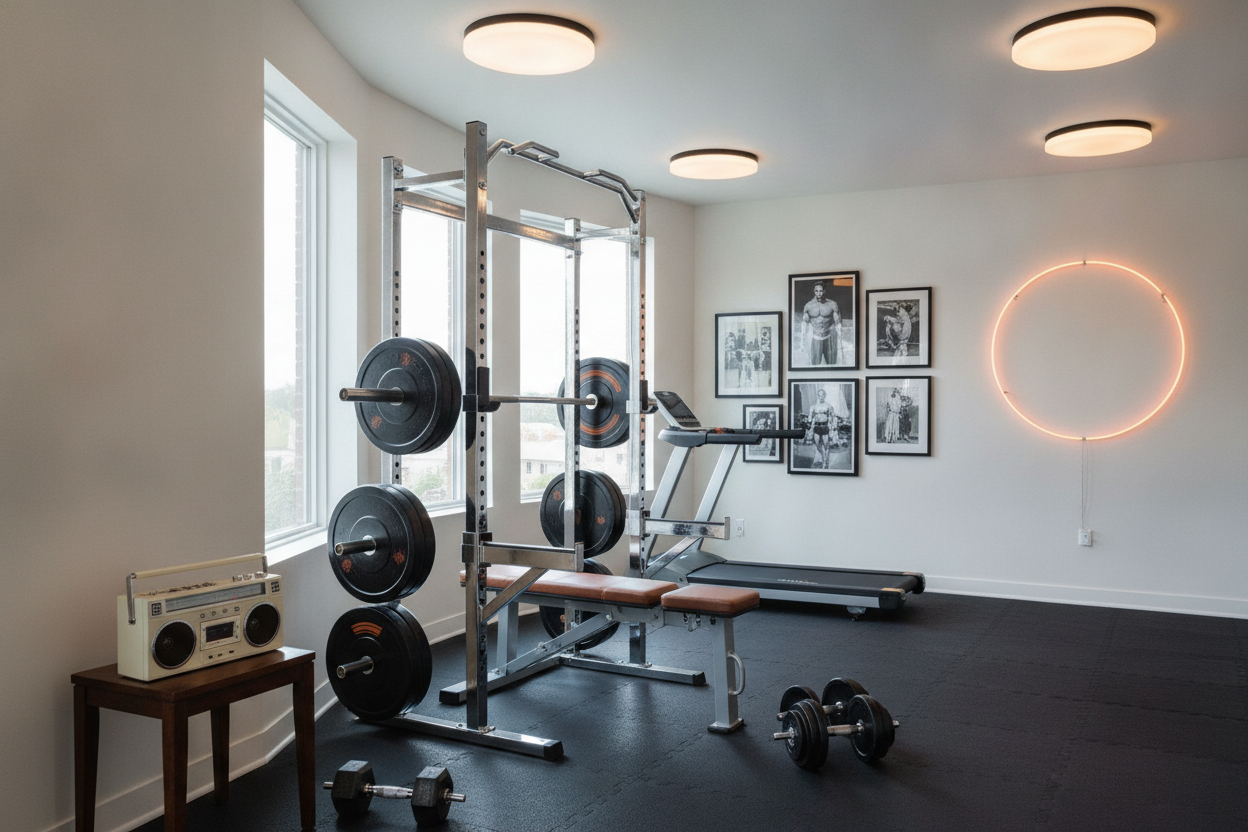
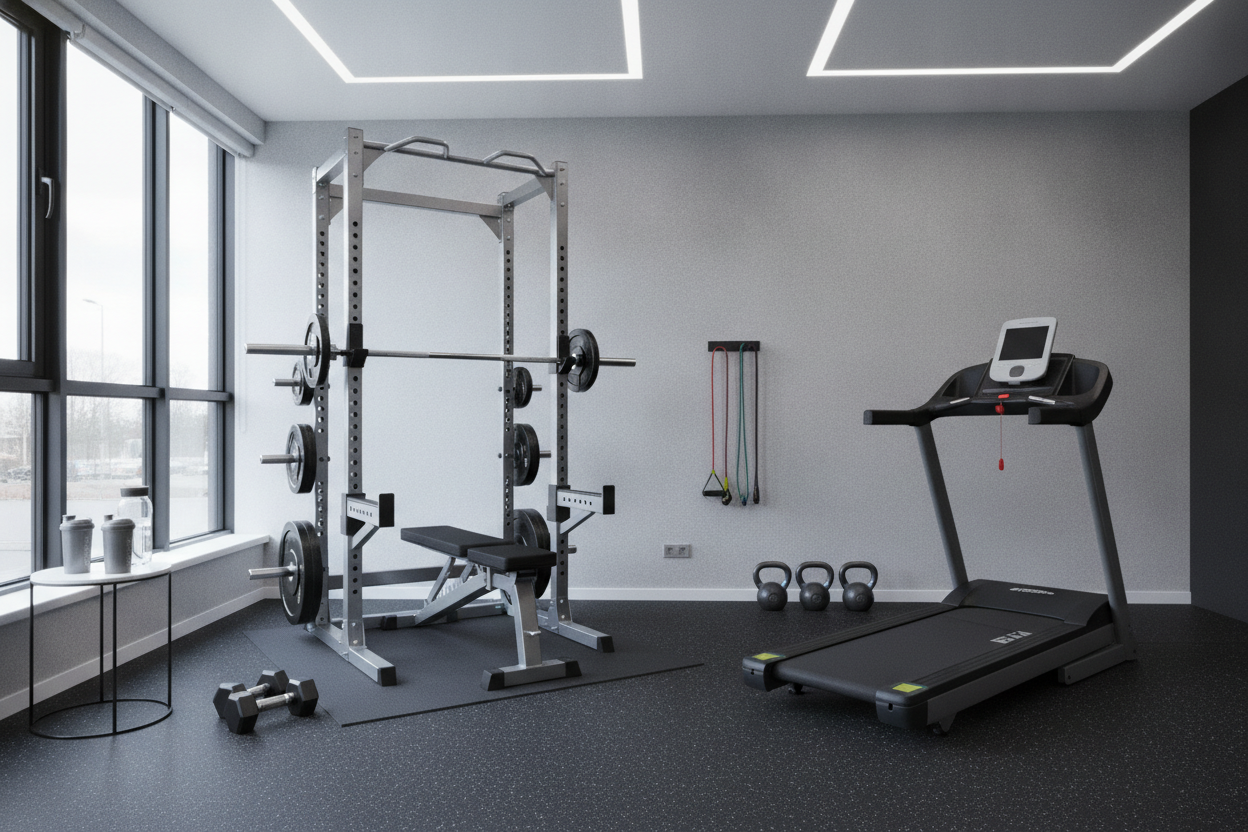
That’s why I’m a massive advocate for the home setup. Transforming a corner of your living room into a workout space requires proper foundational gear, primarily large exercise mats for home gyms so you aren't slipping on hardwood floors or tripping on thick carpet. You don't need a 5-station cable machine. You need space, safety, and a lack of judgment. When you're exercising at 60, being able to fail a rep or try a new movement without an audience is a massive confidence builder.
Setting Up Your Safe At-Home Training Ground
Your first priority isn't buying heavy weights; it's protecting your joints. If you're working out on concrete or thin rugs, your knees and hips will let you know within twenty minutes. You need a dedicated, high-density surface. I generally recommend a 6x8 home workout exercise mat because it provides the ideal footprint for home-based functional movements that require getting up and down safely. It’s thick enough to save your joints but firm enough that you won't lose your balance.
Clear the trip hazards. Throw rugs, loose cords, and low coffee tables have to go. When you are starting to exercise at 60, your proprioception—your brain's awareness of where your body is in space—might be a little rusty. Give yourself a 6-foot by 8-foot 'safe zone' where nothing exists except you and your movement. This makes getting in shape at 60 a matter of routine rather than a safety hazard.
The 4 Movements You Actually Need to Get in Shape at 60
You don't need a 30-exercise circuit. You need four things: the squat (sitting down and standing up), the hinge (picking things up), the push (getting off the floor), and the carry (moving weight from A to B). If you master these, you’re ahead of 90% of the population. For those who want a structured blueprint, I recommend checking out a weekly exercise plan for women over 60 to see how to cycle these movements.
The squat builds the legs and keeps you independent. The hinge strengthens the posterior chain, which protects your lower back. The push ensures you have the upper body strength to catch yourself if you stumble. The carry builds 'farm strength'—the kind of grip and core stability that makes daily life feel easy. This is the core of any over 60 workout plan. It’s simple, it’s effective, and it doesn't require a closet full of equipment.
How to Push Yourself Without a Spotter
Training alone can be intimidating. The fear of getting stuck under a weight or falling is real. You need to learn the difference between 'good' fatigue (muscle burning) and 'bad' pain (sharp, stabbing joint issues). If it's sharp, stop. If it's just a dull ache or muscle tiredness, you're doing it right. For more details on this, look into safe resistance training for women over 60 at home to learn how to bail on a movement safely.
I always tell people to leave two reps in the tank. You don't need to go to absolute failure to see results. If you feel like you could do 12 reps, do 10. That buffer is your safety net. Staying fit at 60 is a marathon, not a sprint. You win by being able to train again tomorrow, not by hitting a personal record today that leaves you sidelined for a week.
Personal Experience: The Slippery Floor Lesson
A few years back, I tried to help my father-in-law start a routine. He was 64 and determined. We started in his basement on the bare concrete. He was doing great until his sweat made the floor like an ice rink. He slipped, caught himself, but tweaked his groin so badly he didn't train again for six months. It was a stupid mistake on my part. Since then, I don't let anyone over 60—myself included—train on a surface that isn't high-density rubber or a specialized mat. The equipment matters because the margin for error gets smaller as we age.
FAQ
Is 60 too old to start lifting weights?
Absolutely not. In fact, it's arguably the most critical time to start. Resistance training is the only way to combat sarcopenia (age-related muscle loss) and osteopenia (bone density loss). Start light, focus on form, and you'll be surprised how fast your body responds.
How many days a week should a 60-year-old workout?
Three days a week is the sweet spot for most. It allows for a full day of recovery between sessions, which is vital as you get older. On off days, go for a walk or do some light stretching.
Do I need heavy dumbbells to get fit?
No. You can start with bodyweight or even light resistance bands. The goal is to create enough tension to challenge the muscle. As you get stronger, you can move to kettlebells or adjustable dumbbells, but you don't need a full rack to see results.