I Survived an 8-Week Heavy Block: My Exact Get Strong Workout Plan
I spent three years spinning my wheels, chasing a 'pump' that vanished the second I stepped out of the shower. I was tired, but I wasn't powerful. I realized I was just exercising, not training. That changed when I stopped treating my garage gym like a cardio studio and started following a dedicated get strong workout plan.
Quick Takeaways
- Strength is a skill; your nervous system needs to learn how to fire all motor units at once.
- Rest periods must be 3-5 minutes to allow ATP to replenish for max efforts.
- Stability equals strength—if your equipment wobbles, your brain will limit your force output.
- Expect 'CNS fatigue'—that heavy-headed feeling that comes from moving 90% of your max.
Why You Have to Commit to a 2 Month Strength Training Program
Most lifters quit after three weeks because they don't see a bigger chest in the mirror. But a 2 month strength training program isn't about hypertrophy; it's about the central nervous system (CNS). In the first month, you aren't even growing much muscle—you're just teaching your brain to stop being afraid of the weight.
You need at least eight weeks to see 'true' strength gains. The first four weeks prime the pump, and the final four weeks are where you actually realize your new potential. Jumping from routine to routine every Monday is the fastest way to stay weak. If you can't commit to 60 days of the same five or six movements, you're not ready for a heavy strength training program.
The Anatomy of a Heavy Weight Workout Plan
A real heavy weight workout plan is actually pretty boring. If you're looking to sweat buckets and pant for air, go find a 60 Min Fat Killer Hiit Strength Workout. This isn't that. You'll spend more time sitting on a bench staring at the wall than you will actually lifting.
An intense weight lifting workout is defined by load, not heart rate. We're talking 80% to 95% of your one-rep max (1RM). When the weight is that heavy, every rep requires total focus. You can't just 'grind' through this for an hour straight. You do a set, you recover completely, and you do it again. If you're huffing and puffing, you're doing it wrong.
Gear Up: Don't Lift Heavy on Garbage Equipment
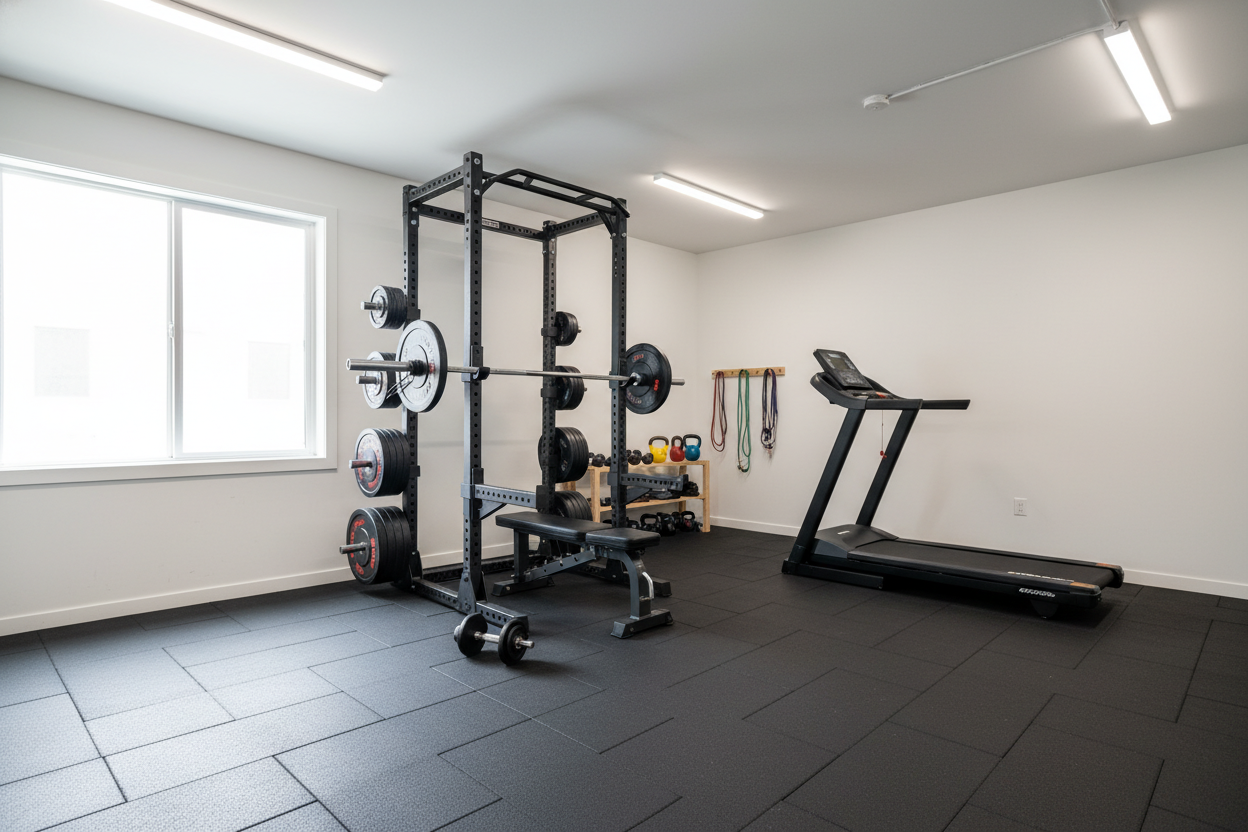
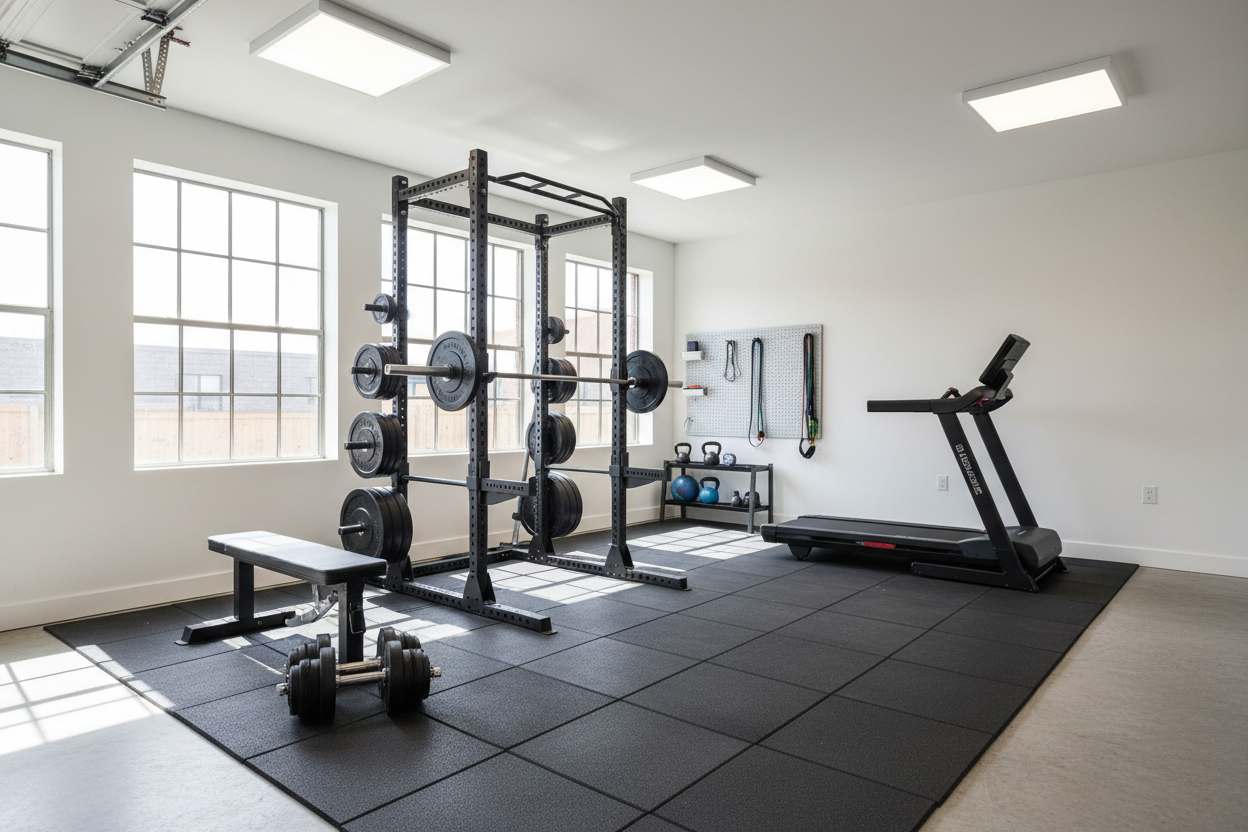
I've learned the hard way that cheap gear fails when you need it most. I once tried to max out my bench on a budget rack that swayed two inches to the left every time I unracked 275 lbs. It’s terrifying. For a heavy workout routine, you need a rock-solid foundation. A wobbly surface is a mental anchor that prevents you from going all out.
At a minimum, you need the right strength training accessories like a 10mm lever belt and some decent chalk. More importantly, you need a stable platform. I swapped my old thin-metal bench for the Gxmmat Adjustable Weight Bench because it actually stays planted when I'm driving my feet into the floor. If your bench feels like a seesaw, your numbers will never move.
The 8-Week Get Strong Workout Plan: Phase by Phase
This macrocycle is split into two distinct blocks. We aren't testing maxes every day. We are building the capacity to handle heavy loads. You’ll be hitting the 'Big Three' (Squat, Bench, Deadlift) plus a heavy overhead press. Progression is linear—add 5-10 lbs to the bar every week until you can't, then adjust the reps.
Weeks 1-4: Accumulation and CNS Priming
The goal here is volume at moderate-heavy loads. Think 3-4 sets of 5-6 reps at roughly 75-80% of your max. It should feel heavy but 'crisp.' If the bar speed slows down to a crawl, you've gone too far too soon. This phase builds the structural integrity needed for the next month.
After your main lifts, don't waste energy on more free-weight grinds. I prefer using weight lifting machines for accessory work like lat pulldowns or leg presses during this phase. It allows you to hit the muscle to failure without taxing your spine further, which is crucial for staying fresh for the next heavy session.
Weeks 5-8: Peaking and Max Output
Now we drop the reps and crank the weight. You're moving into the 2-3 rep range at 85-95% intensity. This is where the heavy workout routine gets mental. Your body will want to quit, and your joints might feel 'creaky.' This is why we only do this for four weeks. By week 8, you'll be hitting triples with your old 1RM.
How to Survive the Block Without Snapping Your Spine
I once tried to run a heavy block while on a 'shredding' diet. It was a disaster. I felt like I'd been hit by a truck every morning. You cannot get strong in a massive caloric deficit. You need carbs for glycogen and protein for repair. Sleep is your best supplement—aim for 8 hours, or the CNS fatigue will catch up to you by week three.
FAQ
Do I need a spotter for this?
If you're in a garage gym, use safety pins or spotter arms. Never bench or squat heavy without a mechanical fail-safe. I've 'pinned' myself before, and it’s a quick way to end your lifting career.
Can I do cardio while on this plan?
Keep it low impact. A 20-minute walk is fine. Don't go run a 10k or do a high-intensity circuit on your off days. Your nervous system needs that time to recover from the heavy loads.
What if I miss a lift?
If you miss a rep in weeks 1-4, the weight is too heavy. If you miss in weeks 5-8, take an extra rest day. Strength isn't linear, and some days your CNS just isn't 'on.'