Are 3 Meals Enough for the Best Diet Muscle Gain Requires?
I remember trying to bulk on a 16:8 intermittent fasting schedule because some influencer told me it was 'optimal' for hormones. I was trying to shove 3,500 calories into an eight-hour window while working a 9-to-5. By the third hour, I was a bloated mess, and by the sixth, I was falling asleep at my desk. If you're chasing the best diet muscle gain can possibly offer, you have to stop treating your stomach like a trash compactor and start treating it like a precision-tuned engine.
- Spreading protein across 4–5 meals keeps Muscle Protein Synthesis (MPS) elevated.
- Massive meals often lead to 'fat spillover' and sluggishness.
- Spacing feedings improves digestion and nutrient partitioning.
- Consistency in timing beats 'hacking' your window every single time.
Stop Cramming 3,000 Calories Into Just Two Plates
The trend of skipping breakfast or pushing your first meal to 2:00 PM works wonders for fat loss because it's hard to overeat in a tiny window. But when you're trying to move a 300-lb barbell, that strategy backfires. I've seen guys try to eat half a box of cereal, a pound of beef, and two protein shakes in one sitting just to hit their numbers. What happens? They get a massive insulin spike, feel like they've been hit by a truck, and most of those nutrients end up as body fat because the body can't effectively 'partition' that much energy into muscle tissue all at once.
When you force down 1,500 calories in a single sitting, your digestion takes a massive hit. You're not just 'bulking'—you're stressing your gut. The lethargy that follows a massive feeding isn't just a food coma; it's your body diverting every ounce of energy away from recovery and toward processing the mountain of food you just inhaled. For a true best diet for building muscle mass, you need to be energetic enough to train, not incapacitated by your lunch.
The Science of Spiking Your Protein (Without the Lab Coat)
Your body has a 'on/off' switch for building muscle called Muscle Protein Synthesis (MPS). To flip that switch, you need a specific amount of the amino acid leucine—usually about 2.5 to 3 grams, which you'll find in roughly 30-40 grams of high-quality protein. Once that switch is flipped, it stays on for about 3 to 5 hours, then it resets. If you eat all your protein in two big meals, you're only flipping that switch twice a day. You're leaving hours of potential growth on the table.
Think of it like watering a garden. You can't just dump 50 gallons of water on your tomatoes on Monday and expect them to be fine until Friday. Most of that water will just run off and go to waste. You need consistent, smaller doses to keep the soil moist and the plants growing. This is why the best diets for muscle growth almost always involve 4, 5, or even 6 feedings. You want to keep that MPS switch flipped as many times as possible throughout a 24-hour period.
Is There Really a Limit on Protein Per Meal?
You've probably heard the myth that your body can only absorb 30 grams of protein at once. That's nonsense. Your body will eventually absorb almost everything you eat; it's just very efficient at it. However, 'absorption' and 'utilization for muscle' are two different things. While you'll absorb 100 grams of protein from a giant steak, only a fraction of that goes toward repairing your quads after a heavy squat session. The rest is oxidized for energy or converted into other compounds. Spacing your protein out ensures a higher percentage of those grams actually goes toward your gains rather than just becoming expensive fuel.
How to Structure the Best Diets for Muscle Growth
Structuring your day doesn't mean you have to carry around six Tupperware containers of cold chicken and broccoli. It means being intentional. If you need 3,200 calories to grow, five meals of 640 calories is much more manageable than two meals of 1,600. It keeps your blood sugar stable, your energy high, and your waistline tighter. I usually aim for a meal every 3.5 to 4 hours. This gives my stomach enough time to clear out before the next round of nutrients arrives.
Standardizing your meal schedule so you don't suffer from decision fatigue is a huge win. This is Why the Best Diet for Muscle Gain Is the One You Never Think About. When you have a go-to breakfast, a standard pre-workout meal, and a consistent post-workout shake, you stop stressing about the math and start focusing on the lifting. I've found that when I automate my first three meals of the day, my consistency skyrockets, and my lifts follow suit.
Fueling Up Before You Hit the Garage Gym
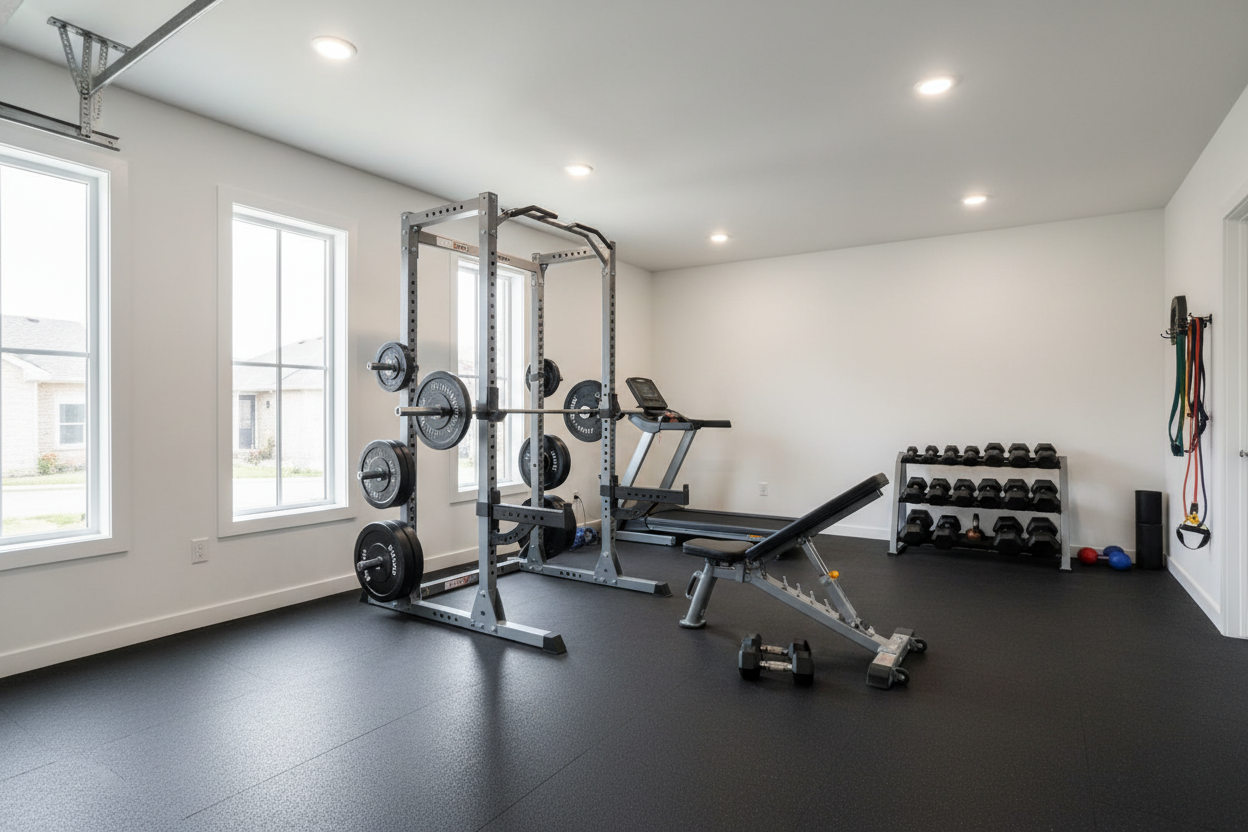
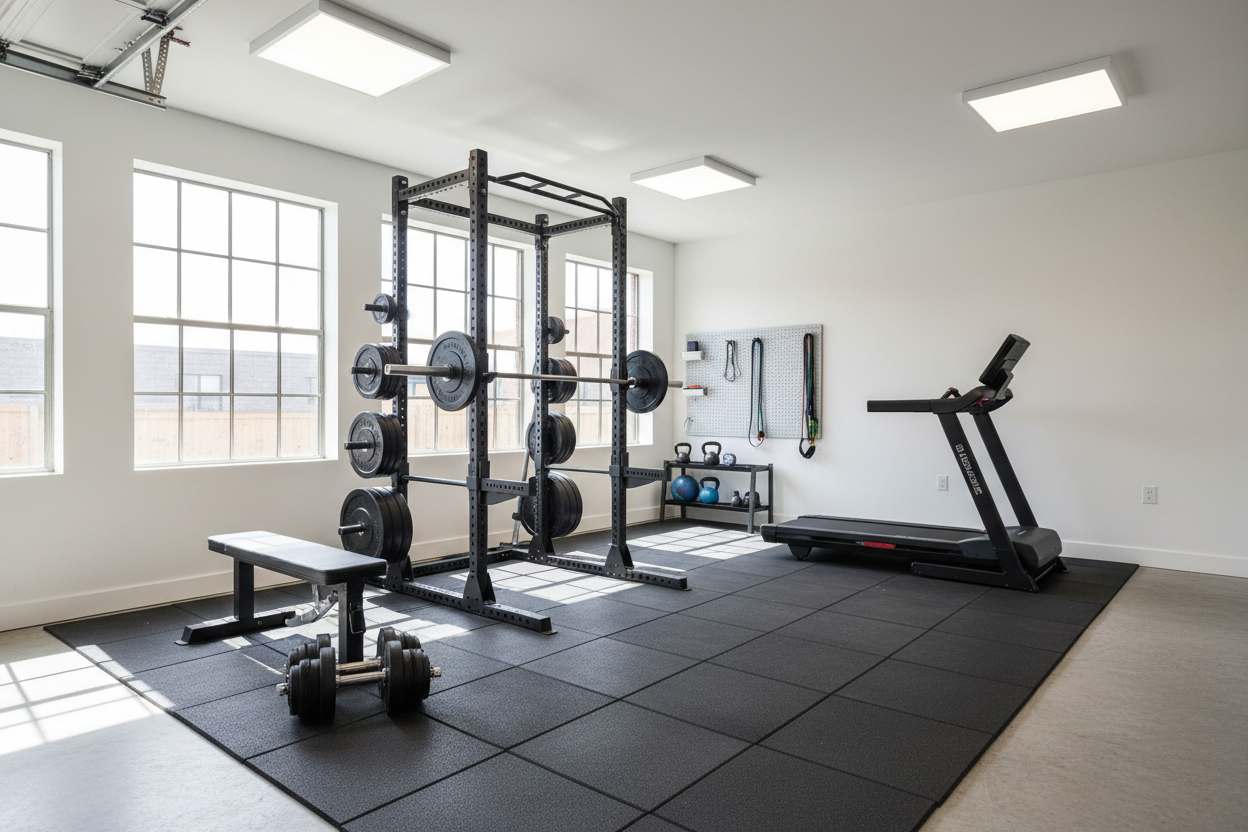
The most important meal in your 5-feeding structure is the one that happens 60-90 minutes before you train. You want fast-digesting carbs and a solid hit of protein. Think cream of rice and whey, or a bagel with turkey. You want that glucose hitting your bloodstream right as you start your warm-up. Before I get under a heavy barbell, I usually spend ten minutes on my Best Large Exercise Mat doing mobility work, and I can feel that pre-workout meal giving me the energy to push through the fatigue.
Don't sleep on the importance of those carbs. If you're going into a session flat, you're not going to get the mechanical tension required for growth. This is especially true when you're Mastering The Best Leg Muscle Building Exercises For Mass. Leg days are metabolically taxing; if you haven't fueled properly in the 4 hours leading up to those squats, your performance will drop, and your muscle-building potential will drop with it.
A Realistic Five-Meal Day That Won't Ruin Your Life
Here is what a high-performance day looks like for me. It’s not fancy, but it works. Meal 1: 4 eggs and a cup of oats. Meal 2: A protein shake and a handful of almonds while I’m at my desk. Meal 3: 6oz of chicken breast with a large sweet potato. Meal 4 (Pre-workout): A scoop of whey and a banana. Meal 5 (Post-workout): 6oz of lean beef with two cups of white rice. It’s simple, it’s digestible, and it hits all the markers for the best diet muscle gain demands.
Personal Experience: The 'One Meal a Day' Disaster
I once tried the 'OMAD' (One Meal a Day) approach during a winter bulk. I’d eat nothing all day and then try to crush a 4,000-calorie dinner. I felt like a bloated tick for four hours every night, and my sleep was terrible because my body was working overtime to digest that massive pile of food. My strength didn't move for three months. The second I switched back to four meals a day, my energy returned, and I added 20 pounds to my bench in six weeks. More isn't always better; better timing is better.
FAQ
Do I need to eat every 2 hours?
No. That's old-school bodybuilding dogma. Every 3 to 5 hours is the sweet spot for maintaining protein synthesis without spending your entire life in the kitchen.
Can I use shakes for most of my meals?
You can, but I wouldn't. Whole food is more satiating and generally has a higher thermic effect. Use shakes as a tool for convenience, not a total replacement for meals.
What if I'm not hungry for 5 meals?
Liquid calories are your friend. If you can't stomach another plate of rice, a shake with oats and peanut butter can easily add 600 calories without making you feel stuffed.