I Stopped Treating Every Move Like a Muscular Strength Exercise
I remember staring at my rack last Tuesday, wondering why my bench press had been stuck at 225 for six months. I was doing all the 'right' stuff—dropsets, cable flyes until my chest felt like it was going to pop, and enough lateral raises to make a bird jealous. But I was confusing a temporary pump with a muscular strength exercise. My muscles were exhausted, sure, but they weren't actually getting any stronger.
- Strength requires high mechanical tension, not just a burning sensation in the muscle.
- True strength moves must be incrementally loadable with small plates.
- Stop maxing out on isolation moves; they fry your nervous system for zero gain.
- Floor stability is non-negotiable for heavy power transfer.
The Trap of Chasing the Pump Over the Plate
Chasing fatigue is easy. Anyone can do 50 burpees or a set of 30 air squats and feel like they worked hard. But a legitimate muscular exercise is about force production, not just how much you sweat. When you do high-rep burnout sets, you're largely training for metabolic stress and endurance.
If you want to move the needle on your total, you have to stop valuing the 'burn.' A real strength move involves moving a heavy load through a full range of motion with enough intensity that your last rep looks almost as fast as your first, but requires 100% of your focus. If you're just flopping around with light weights to feel a pump, you're doing cardio in disguise.
My 3-Question Audit for Any Heavy Lift
Before I add a move to my program, I put it through a three-part test. First: Can I add 2.5 to 5 pounds to this next week? If the answer is no because the increments are too big (like on some cheap selectorized machines), it's not a primary strength move. Second: Is my body stable enough to move the weight? If you're balancing on a BOSU ball, you aren't building strength; you're practicing a circus act.
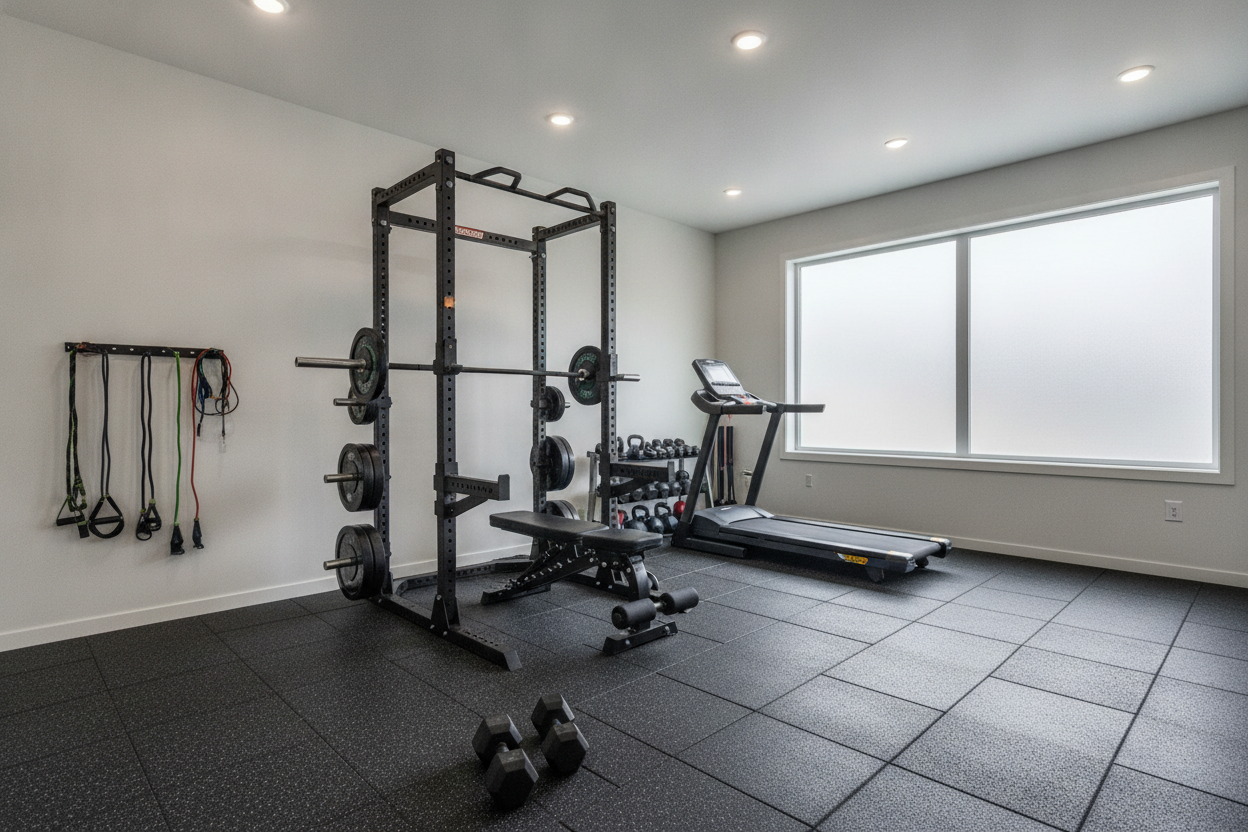
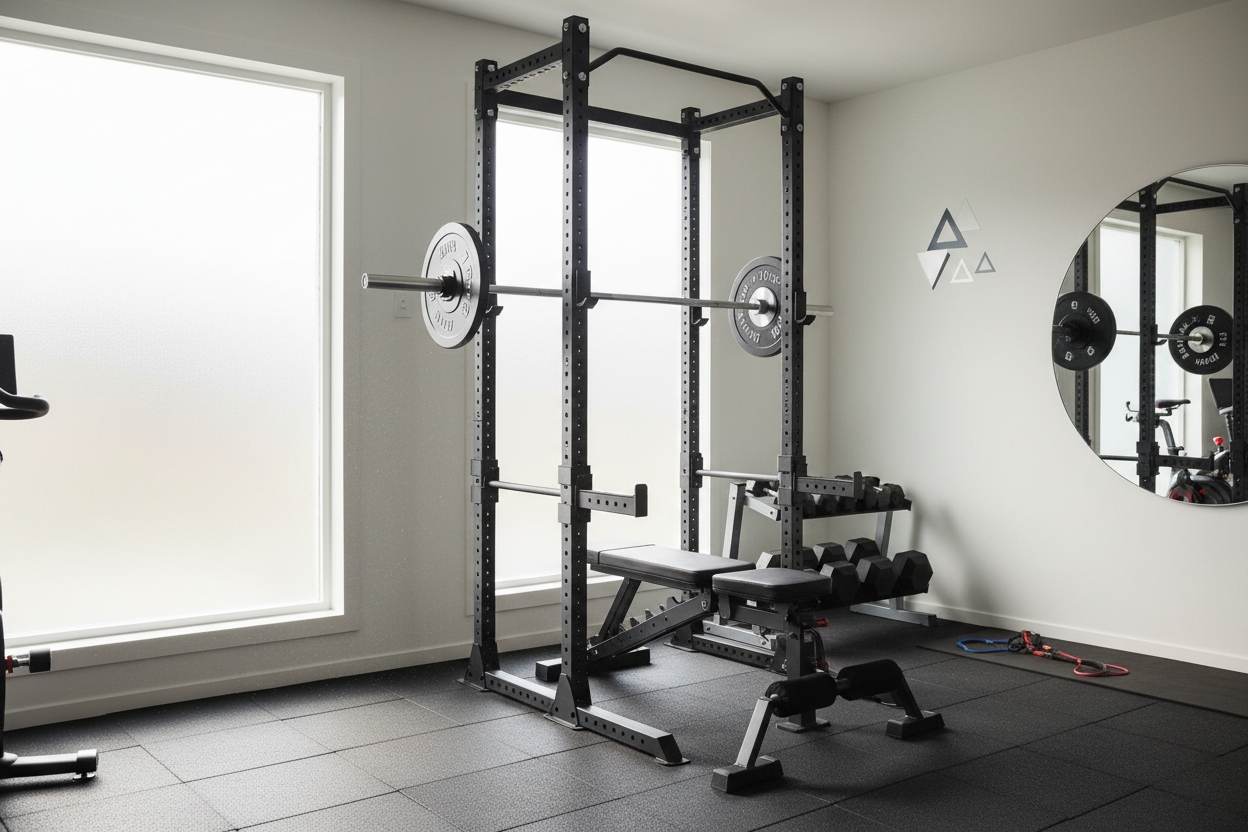
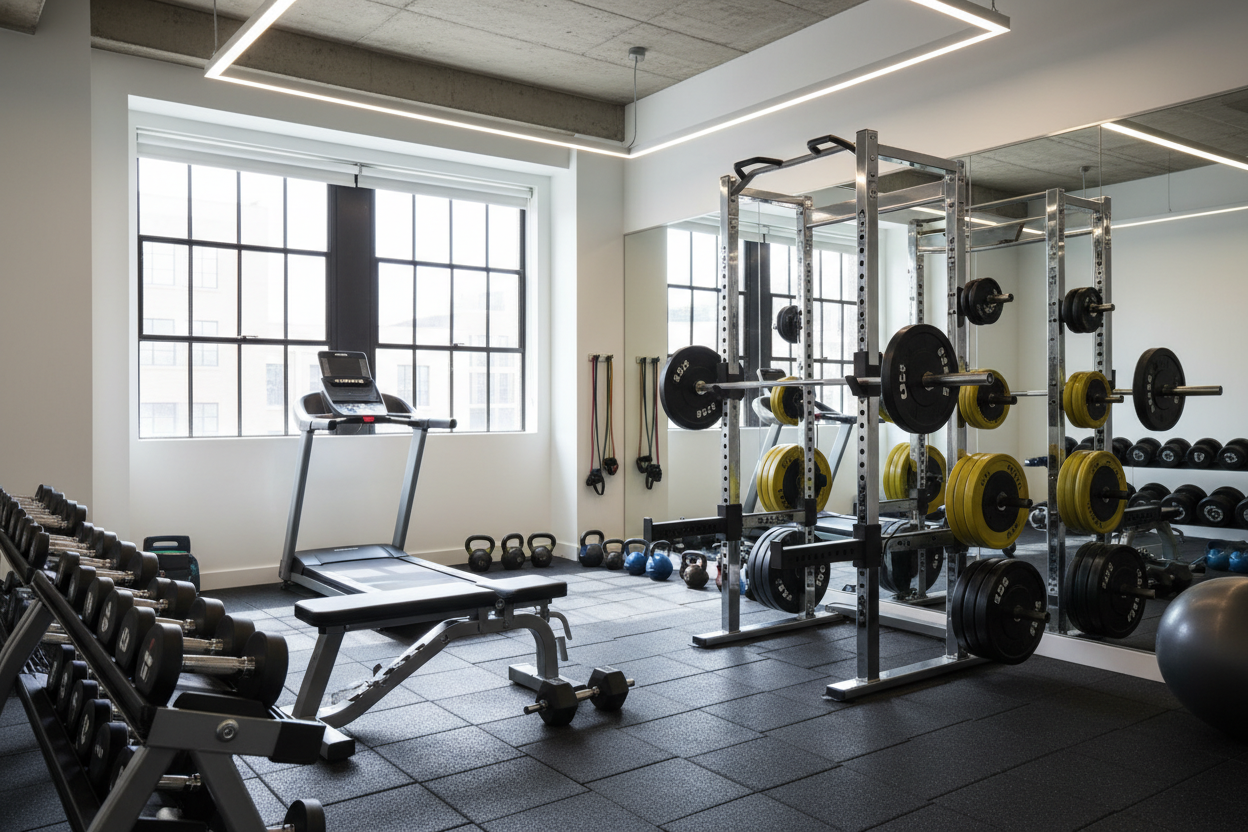
Third: Do I have the right gear to support the load? You need heavy-duty strength equipment that doesn't wobble when you're re-racking a heavy set. A rack with 1-inch hardware and 11-gauge steel gives you the confidence to actually push your limits without wondering if the uprights are going to fold. If the equipment limits the load, it's not an exercise muscular strength relies on.
Why You're Maxing Out the Wrong Movements
I see guys in commercial gyms trying to hit a one-rep max on the leg extension machine. It’s a waste of energy. You're taxing your central nervous system (CNS) on a move that doesn't have the structural leverage to build raw, systemic power. You have a finite amount of 'intensity' you can spend each week. Spend it on the squat, the deadlift, and the press.
When it comes to your accessories, you need to stop chasing failure on every lift. If you redline your CNS on bicep curls, you won't have the drive left for the heavy pulls that actually build a thick back. Save the true grit for the movements that use the most muscle mass.
If Your Feet Are Slipping, You Aren't Getting Stronger
If you’re squatting on bare concrete or a cheap piece of carpet in your basement, you’re leaving pounds on the bar. Your brain has a built-in 'governor'—it won't let your muscles fire at 100% if it feels like your foundation is unstable. Power transfer starts from the floor and moves through your body into the bar.
Investing in reliable gym flooring for home workout setups is the most underrated strength upgrade you can make. It creates the friction needed for a real muscular strength workout. When your feet are glued to the floor, you can drive through your heels without the micro-slips that kill your momentum and invite injury.
Building a Stripped-Down Routine That Actually Works
My current muscular strength work out is boring, and that's why it works. I pick two main lifts per session. I hit them for 3 to 5 sets in the 3-6 rep range. This ensures I'm focusing on mechanical tension rather than just getting tired. I don't move on to the 'fun' stuff until the heavy work is done.
To support these lifts, I use basic strength training accessories like a solid leather belt or a bit of chalk. These aren't crutches; they are tools that allow your primary movers to work harder without being limited by a weak grip or a soft core. Once the heavy lifting is finished, I'll throw in two accessories for higher reps to keep the joints healthy and the tendons thick.
Personal Experience: The 'Functional' Detour
A few years back, I got obsessed with 'functional' kettlebell flows. I was doing a lot of muscular exercise, but my absolute strength tanked. My deadlift dropped 40 pounds in three months because I wasn't practicing high-force production. I learned the hard way that if you want to be strong, you have to lift things that are actually heavy. Now, I keep the kettlebells for conditioning and the barbells for the heavy lifting.
FAQ
How many reps should I do for strength?
Stay in the 1 to 6 rep range for your main lifts. This rep range is the sweet spot for neurological adaptations and building the ability to recruit more muscle fibers simultaneously.
Can I build strength with just bodyweight?
You can, but it's much harder to scale. Once you can do 20 pushups, you're training endurance. You'd need to move to one-arm variations or add a weighted vest to keep it a true strength move.
How long should I rest between sets?
For heavy strength work, take 3 to 5 minutes. If you are ready to go again in 60 seconds, you didn't put enough weight on the bar. Your nervous system needs more time to recover than your lungs do.