I Stopped Keto to Find Out: Are Carbs Good for Weight Lifting?
I was six weeks into a strict keto experiment when my strength hit a wall harder than a misloaded barbell. I thought I was being disciplined by swapping my morning oats for extra bacon, but my garage gym sessions were turning into a slog. I finally had to stop and ask the hard question: are carbs good for weight lifting or have I just been scrolling through too many biohacking forums?
- Glycogen is the high-octane fuel required for high-intensity, explosive lifting.
- Low-carb diets often lead to flat-looking muscles and premature fatigue during sets.
- Strategic carb timing prevents the mid-session crash and keeps bar speed high.
- Complex carbohydrates provide the energy baseline needed for high-volume training blocks.
The Day I Bombed a Heavy Squat Because I Feared Oatmeal
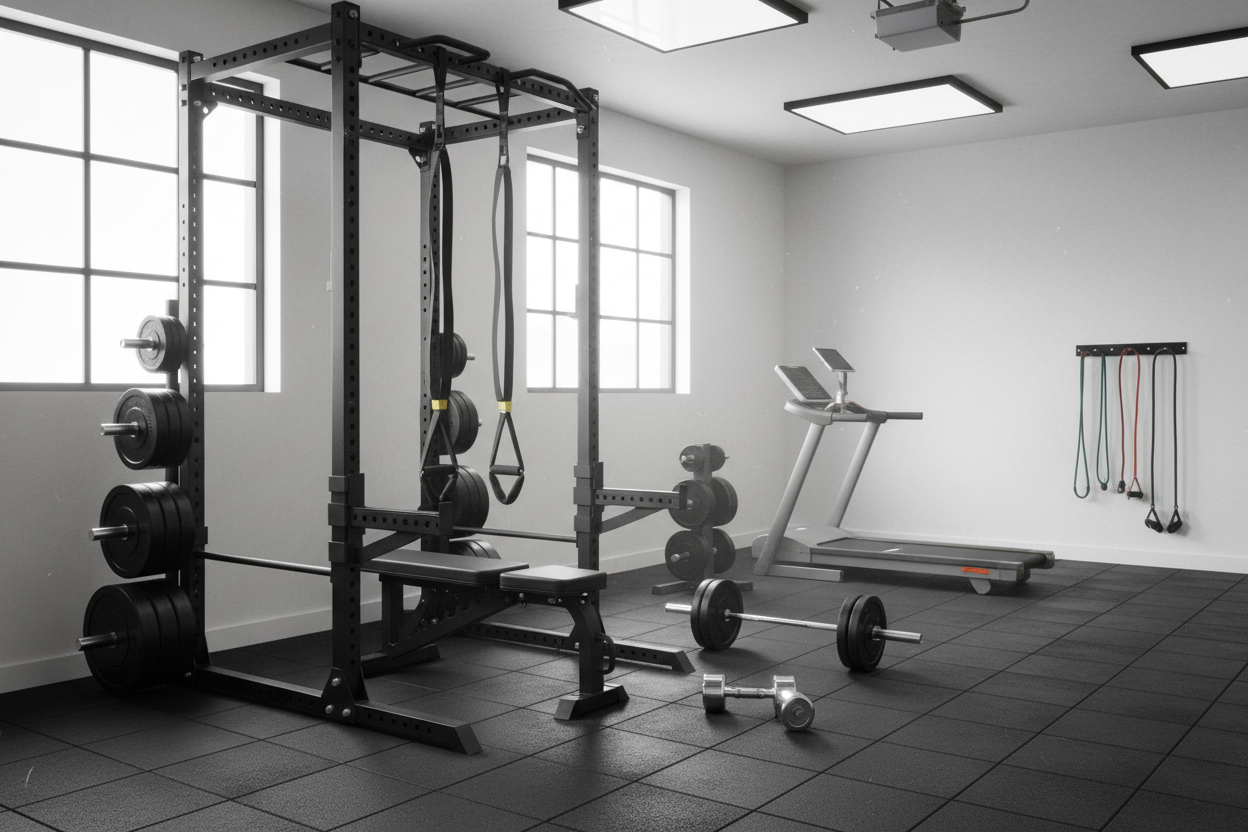
I remember loading up 315 on the bar for what should have been a standard 5x5 session. Usually, that is a solid working weight for me. That morning, it felt like a mountain. By the third rep of the first set, my legs felt like wet noodles and my vision started to get fuzzy. I ended up bailing on the rep, dropping the bar onto the heavy-duty safety pins of my Gxmmat X6 Power Rack Weight Bench Package.
If those safeties hadn't been there to catch my mistake, I would have been pinned. That failure was the wake-up call I needed. I realized that while being fat-adapted might be great for a long hike, it sucks for moving heavy iron. You cannot build a skyscraper without the right materials, and you cannot move maximal loads when your internal fuel tank is sitting on empty. I went inside, ate a bowl of white rice, and never looked back at the keto hype again.
The Real Job of Weight Lifting Carbohydrates
Let's skip the textbook jargon and get straight to the mechanics. Your body has different fuel tanks for different activities. Fat is like the diesel fuel in a semi-truck; it is great for long, slow hauls like walking or sitting at your desk. But weight lifting is a drag race. Weight lifting carbohydrates are stored in your muscles and liver as glycogen, which is the high-octane nitrous oxide your body taps into for explosive movements.
When you are under a heavy load, your body demands ATP (adenosine triphosphate) at a rate that fat oxidation just cannot keep up with. If you don't have enough glucose in your system, your body starts to struggle, your form breaks down, and you lose that 'pop' off the chest or floor. It is not a lack of willpower; it is a lack of chemistry.
Why Your Muscles Literally Demand Sugar to Grow
If you want to see your numbers go up on the log book, you need to respect your fast-twitch muscle fibers. These fibers are responsible for the heavy lifting, and they are glycolytic—meaning they run on sugar. Trying to hit a new PR without carbs is like trying to start a cold engine with a dead battery. It just won't turn over.
I noticed this most when grinding out heavy dumbbell presses on my Gxmmat Adjustable Weight Bench. On low carbs, the eighth and ninth reps felt like a death march. Once I reintroduced carbohydrates, the bar speed stayed consistent through the entire set. Plus, there is the aesthetic factor: carbs pull water into the muscle cells. That 'pump' everyone chases isn't just for ego; it creates an anabolic environment that signals your muscles to grow.
Timing the Carbs: When You Actually Need the Fuel
You don't need to go out and eat a stack of pancakes before every session. It is about being smart with the timing. I typically aim for complex carbohydrates like sweet potatoes, brown rice, or oats about 90 to 120 minutes before I head out to the garage. This provides a steady stream of glucose so I don't crash halfway through my accessories.
If I am doing a particularly brutal leg day or a high-volume session that lasts over 75 minutes, I might even use some simple sugars. A handful of gummy bears or a sports drink mid-workout can provide an immediate spike to help finish those last few sets of lunges. Save the fibrous veggies and heavy fats for your non-training meals so they don't slow down digestion when you actually need the energy.
The Final Verdict on Carbs and Iron
Stop treating carbohydrates like the villain in a horror movie. If your goal is to be the strongest version of yourself, they are your primary ally. I have spent years testing gear and testing my own limits, and the results are always the same: a fueled lifter is a strong lifter. Don't let the fear of a little temporary water weight keep you from hitting the numbers you're capable of.
Once you have your nutrition sorted and your energy levels are peaking, you need to make sure your equipment is up to the task. You can find the right tools for your specific goals by checking out Lifting Weight Equipment The Definitive Guide For 2024. Dial in the fuel, grab the right bar, and go to work.
Will eating carbs make me lose my abs?
Not if you are training hard and staying in a reasonable caloric range. Carbs are primarily used to fuel your workouts and recover. Most lifters find they actually look leaner because their muscles are fuller and they can train with more intensity.
What if I lift in the morning?
If you train at 5 AM, try eating a larger portion of carbs with your dinner the night before. This ensures your muscle glycogen stores are topped off when you wake up, even if you only have a small banana before hitting the rack.
Do I need carbs on rest days?
Yes, but you can usually taper them down. Carbs on rest days are essential for replenishing the glycogen you burned during your previous sessions and helping your nervous system recover from the strain of heavy lifting.