I Started Eating During My Lifts to Fix My Diet for Gain Muscle Mass
I spent years staring at a cold bowl of white rice at 10 PM, wondering why I even bothered. My jaw was tired from chewing, my stomach felt like a balloon about to pop, and the scale hadn't budged in three weeks. If you are struggling with your diet for gain muscle mass, you know it is rarely a lack of effort—it is a lack of stomach space.
- Appetite fatigue is the primary reason most bulks fail by the first month.
- Liquid carbohydrates during training provide 'stealth calories' that do not trigger fullness.
- Better fueling during the session leads to higher volume and better recovery.
- Keeping your stomach relatively empty before the gym allows for better core bracing and breathing.
The Hardgainer's Dilemma: Running Out of Stomach Space
The math is simple, but the execution is brutal. To grow, most of us need to hit 3,500 to 4,000 calories. When you try to get those numbers from 'clean' whole foods like chicken breast, broccoli, and sweet potatoes, you eventually hit a wall. Your brain says 'grow,' but your gut says 'no more.'
This is appetite fatigue. It is the physical limitation of trying to process massive amounts of fiber and solid protein. This is exactly why a diet to gain mass fails. You start skipping meals because the thought of another Tupperware container makes you nauseous. I have been there, gagging on a protein shake because my digestion simply stalled out.
Why I Sip Liquid Calories Between Heavy Sets
The 'aha' moment for me was realizing I could sneak in 400 to 600 calories while I was actually training. By using highly branched cyclic dextrin (HBCD) or even just a mix of Gatorade and carb powder, I was getting fuel directly into the bloodstream without filling up my stomach. These are 'stealth calories' because they bypass the usual satiety signals.
When you are pushing through a high-volume block, Stop Buying More Plates for Your Workouts to Gain Muscle Mass and start focusing on the fuel that actually allows you to finish those sets. I found that by sipping 50-75g of fast-digesting carbs during my rest periods, I left the gym feeling more energetic and, more importantly, I still had an appetite for my post-workout meal.
Setting Up Your Intra-Workout Concoction
You do not need a $70 tub of 'proprietary' supplements. My go-to recipe is 50g of a carb powder (maltodextrin or HBCD), 5-10g of BCAAs or EAAs for flavor, and a half-teaspoon of sea salt. The salt is non-negotiable—it helps with the pump and keeps your muscles hydrated when you are sweating under the lights of a garage gym.
Avoid fats and fibers here. The goal is rapid gastric emptying. You want those sugars to hit your small intestine and move into your muscles immediately. This targeted timing helps you avoid The Skinny-Fat Trap of Dieting for Weight Loss and Muscle Gain because the insulin spike is used to drive nutrients into the muscle cells you are currently breaking down, rather than storing them as body fat.
Saving Your Digestion for the Heavy Lifts
There is nothing worse than trying to hit a heavy set of 10 on the bench press with a stomach full of steak and potatoes. The reflux is real, and it kills your focus. By shifting a large chunk of my daily calories into my shaker bottle during the workout, I can keep my pre-workout meal light and easily digestible.
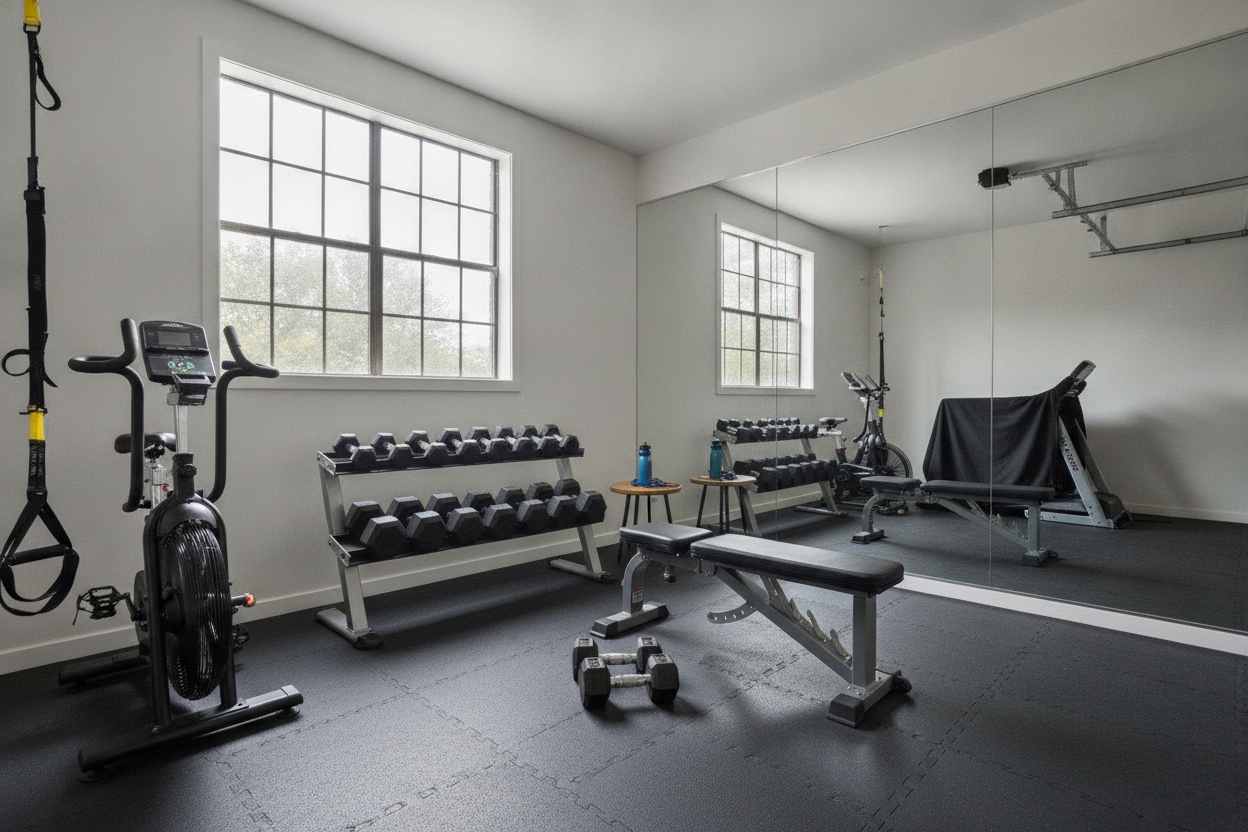
This makes a massive difference when you are laying back on your Gxmmat Adjustable Weight Bench for heavy dumbbell presses. You can actually breathe into your diaphragm and brace your core without feeling like you are going to see your lunch again. A flat stomach is a stable stomach, and stability equals more weight on the bar.
A Sample Day: The Ultimate Diet to Gain Muscle and Weight
If you want a diet to gain muscle and weight that does not make you miserable, you have to be strategic. I start with a moderate breakfast (eggs and oats), a solid lunch (ground beef and rice), and then my 'secret weapon' intra-workout shake. By the time I finish my session, I have already banked 400 calories that my stomach barely noticed.
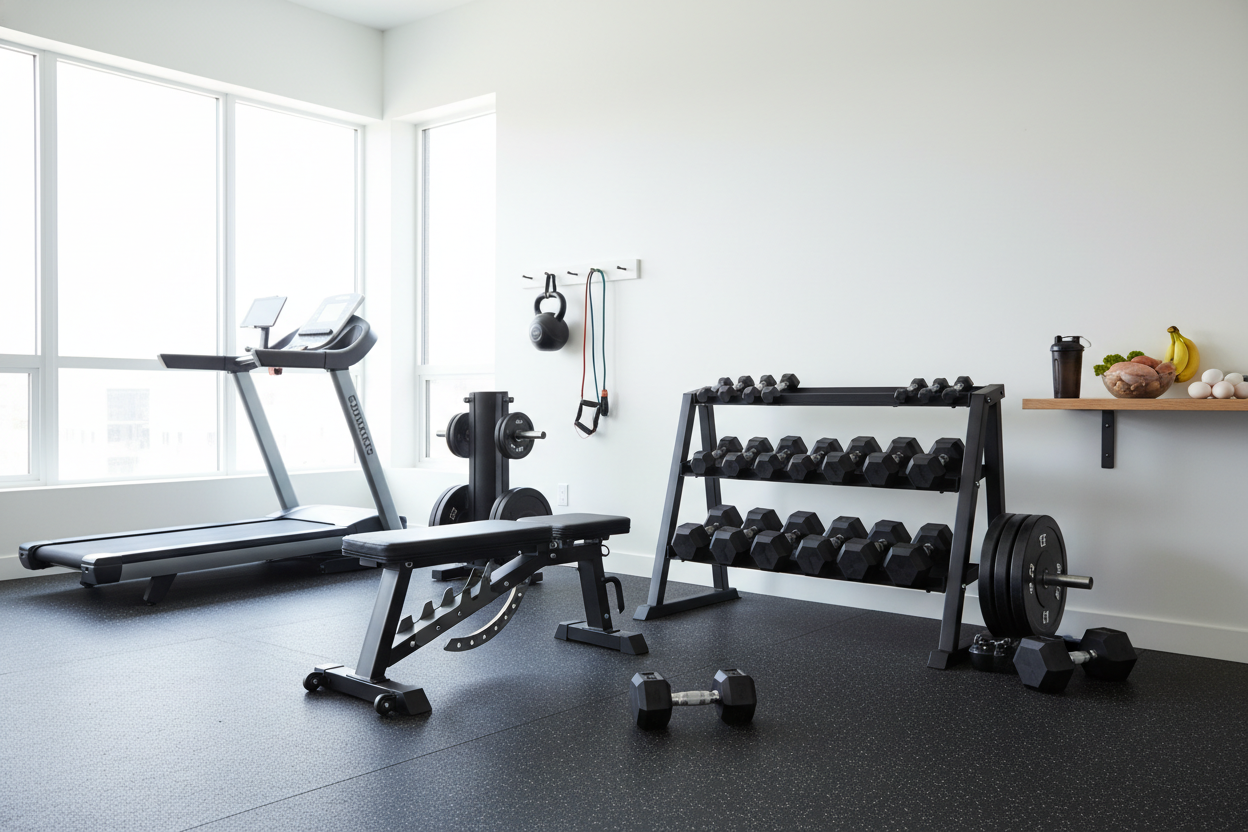
This energy is what fuels the heavy compound movements I perform in my Gxmmat X6 Power Rack Weight Bench Package. Without those mid-session carbs, I used to fade out after the second exercise. Now, I am hitting PRs on my accessories because my blood glucose isn't crashing. Dinner is then a massive 'reward' meal that I actually have the appetite to enjoy.
How many carbs should I drink during my workout?
Start with 30g and work your way up. I personally find 50-75g is the sweet spot for a 90-minute session. If you feel bloated, you are using too much water or the wrong type of carb powder.
Will this make me lose my abs?
Not if you are training hard. These carbs are being used as immediate fuel. It is much harder to get fat from intra-workout carbs than it is from a midnight bowl of cereal because your body is actively demanding glucose to fuel muscle contractions.
Can I just use chocolate milk?
I would not recommend it during the lift. The fats and dairy in milk slow down digestion, which can lead to cramping. Save the milk for your post-workout shake and stick to clear, water-based carb sources while you are actually training.