The BS-Free Beginners Guide to Lifting Weights Female Lifters Need
I remember standing in the 'fitness' aisle of a big-box store a decade ago, looking at a pair of 3-lb neoprene dumbbells. The packaging promised to 'tone and tighten' without adding bulk. I bought them, went home, and spent six months doing high-rep arm circles that did absolutely nothing for my strength or my confidence. It was a lie. This beginners guide to lifting weights female lifters can actually use is about the iron I wish I’d grabbed instead.
Quick Takeaways
- Stop chasing 'tone' and start chasing strength; muscle is what creates the shape you want.
- A standard 45-lb barbell is your best friend, not your enemy.
- Progressive overload is the only metric that matters in your first year.
- Compound movements (squats, deadlifts) offer the most bang for your buck.
Why I Stopped Listening to Mainstream Women's Fitness Advice
For decades, the fitness industry has marketed a watered-down version of training to women. They told us to stay in the cardio section or stick to the pink weights so we wouldn't 'get too big.' It’s condescending. When I finally walked over to the squat rack, I realized that the 'toning' I was looking for was actually just muscle—and you don't build muscle with 3-lb weights.
Mainstream advice focuses on burning calories during the workout. Real strength training focuses on changing your body's capability. I stopped caring about how many calories my watch said I burned and started caring about how many plates were on the bar. The shift in mindset from 'shrinking' to 'growing stronger' is the most powerful thing a woman can do in the gym.
The truth is, high-rep, low-weight circuits are mostly just boring cardio. If you want to see a physical change, you need to provide a stimulus that forces your body to adapt. That means lifting heavy enough that the last two reps of a set are actually difficult.
The Bare Minimum Gear You Need to Start (Skip the Pastel Stuff)
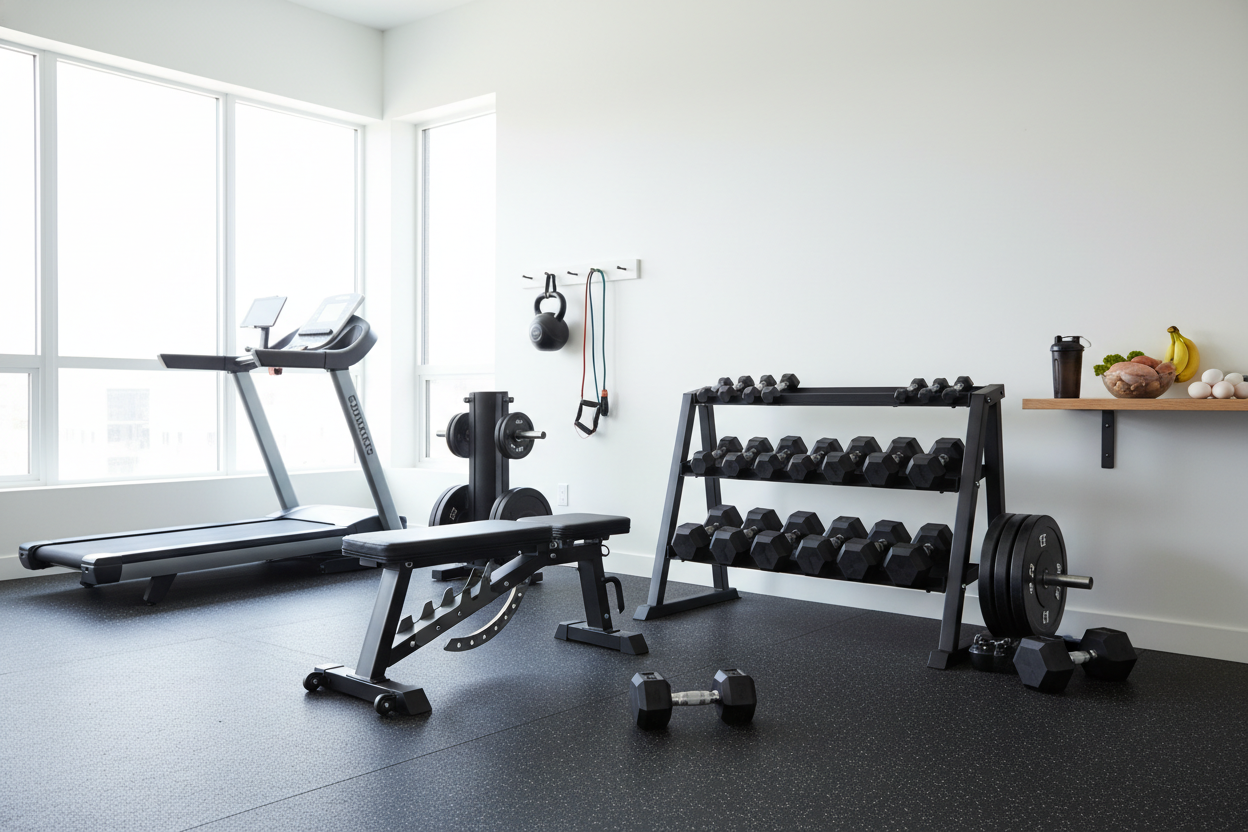
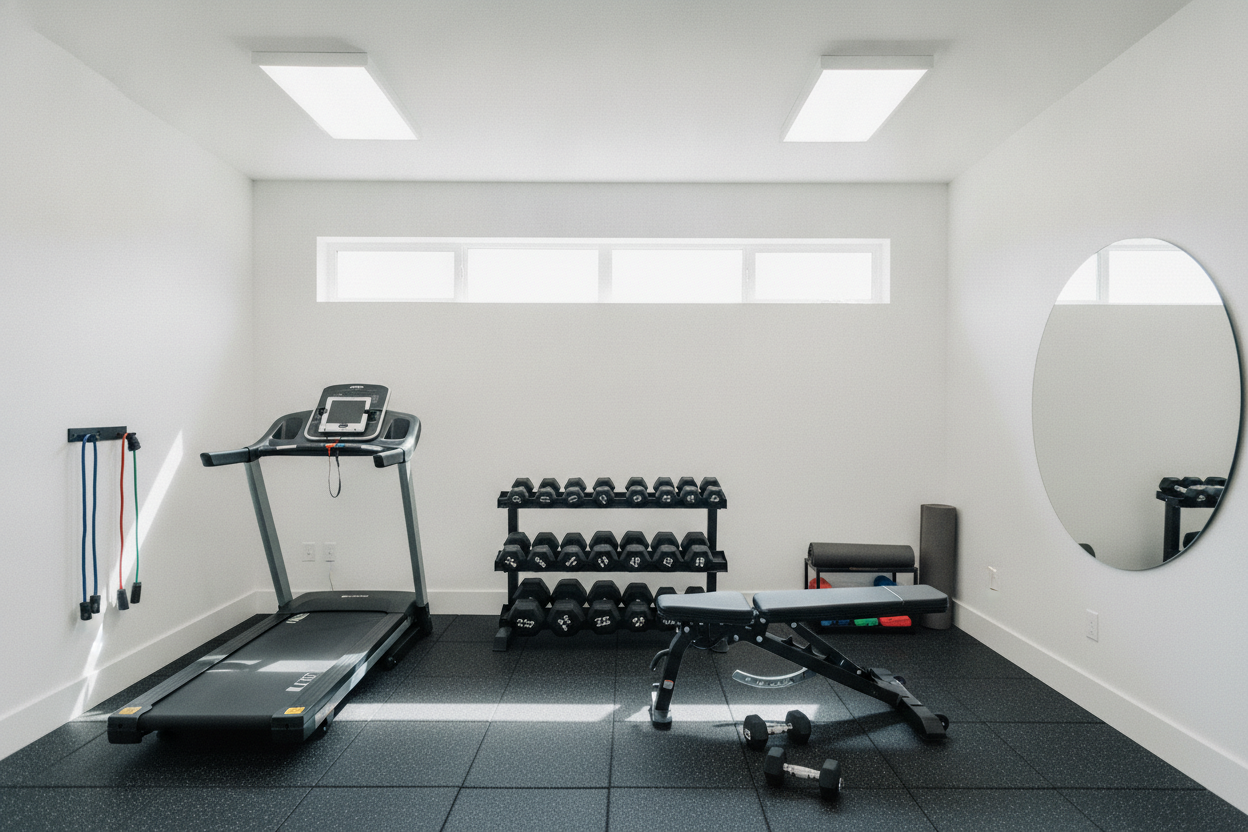
You don't need a 20-piece circuit to get strong. If you're building a home setup, focus on utility. Start with a solid Olympic barbell (45 lbs) and a set of bumper plates. Bumper plates are key because they have a consistent diameter, meaning the bar sits at the correct height for deadlifts whether you have 10 lbs or 45 lbs on the side.
Avoid the 'female-specific' gear that is often just lower-quality equipment painted a different color. When you're buying weight lifting equipment, look for specs like a 1,000-lb weight capacity and a 28mm-28.5mm grip diameter. Anything thinner feels like a toy; anything thicker might be tough for smaller hands to wrap around during heavy pulls.
A sturdy bench is non-negotiable for presses and rows. I personally use the Gxmmat adjustable weight bench because it doesn't wobble when I'm trying to drive my feet into the floor during a chest press. Look for a bench with a high-density foam pad—if it's too soft, you'll sink into it and lose your stability. You want something that feels like a rock under your shoulder blades.
A Beginners Guide to Weight Lifting Female Progression
The secret sauce isn't a specific exercise; it's progressive overload. This is the core of any beginners guide to weight lifting female routine. It simply means doing more over time. If you squat 65 lbs for 5 reps today, you need to squat 70 lbs for 5 reps next week. Or 65 lbs for 6 reps. If the numbers don't go up, you're just maintaining.
In your first year, you have 'newbie gains' on your side. Your central nervous system is learning how to fire your muscles efficiently. You can often add 5 lbs to your lifts every single week. Don't leave that progress on the table by sticking to the same weights for months because you're 'comfortable.' Strength training is supposed to be slightly uncomfortable.
Track everything. Use an app or a notebook. If you don't know what you lifted last Tuesday, you can't beat it today. I see so many women go into the gym and just 'wing it' based on how they feel. Feelings are liars. The data in your logbook tells the real story of your progress.
The 3-Day Barbell Routine That Actually Works
Ignore the 6-day 'glute isolation' splits you see on Instagram. You need a foundation. A 3-day full-body split built around compound movements is the most efficient way to build total-body strength. It gives your central nervous system 48 hours to recover between sessions, which is where the actual muscle growth happens.
A sample Day A could be: Back Squats (3x5), Overhead Press (3x5), and Deadlifts (1x5). Day B might be: Front Squats (3x5), Bench Press (3x5), and Barbell Rows (3x8). These movements use multiple joints and muscle groups at once. You get more hormonal response and more functional strength than you ever would on a leg extension machine.
That said, once you've finished your heavy barbell work, you can use weight lifting machines for 'accessory' work. Things like lat pulldowns or leg curls are great for adding volume without the massive fatigue of a barbell. But the bar is the main course; the machines are just the side dish.
Let's Talk About the 'Getting Bulky' Myth
I’ve been lifting heavy for a decade, and I still don’t look like a pro bodybuilder. Why? Because building that level of muscle requires a specific caloric surplus, years of targeted hypertrophy, and often, 'assistance' that most people aren't taking. Most women who lift heavy just end up looking 'fit'—their clothes fit better because muscle is denser than fat.
Many people fall for lifting weights to lose weight female plans that prioritize sweat over strength. They do 20-rep sets of air squats and wonder why they don't see muscle definition. Definition comes from having muscle to define and a low enough body fat percentage to see it. You build the muscle with the heavy weights; you manage the body fat with your kitchen habits.
Don't be afraid of the scale going up slightly when you start. Muscle is heavy. Focus on how your jeans fit and how many plates you can pull off the floor. If you can deadlift 200 lbs, you won't care what the scale says anyway.
Personal Experience: The Cheap Bar Lesson
When I first started, I bought a cheap 1-inch diameter 'standard' bar from a garage sale. It felt fine for a few weeks, but as soon as I got my deadlift over 135 lbs, the bar started to permanently bow. It was dangerous and it threw off my balance. I ended up spending more money replacing it with a real Olympic bar than if I had just bought the right gear first. Buy once, cry once. Your safety is worth the extra fifty bucks for a bar with a real weight rating.
FAQ
Do I need to wear lifting belts or gloves?
Gloves usually just get in the way of a good grip. Let your hands get a little calloused—it’s a badge of honor. A belt is great once you’re moving heavy loads (usually 1.5x your body weight on squats), but learn to brace your core without one first.
How long should I rest between sets?
Forget the '30 seconds of rest' rule from HIIT classes. If you're lifting heavy, you need 2-3 minutes for your ATP stores to recover. If you aren't rested, you can't lift the weight, and you won't get the strength stimulus.
Can I lift weights while on my period?
Yes, and for many, it actually helps with cramps. You might feel a bit weaker during your literal period due to hormonal shifts, so don't beat yourself up if you have to drop the weight by 5-10% that week. Just keep showing up.