I Slashed My Protein Intake to See What's Good for Building Muscle
I remember sitting in my garage last winter, staring at a Tupperware container of dry, gray chicken breast and wondering why my bench press hadn't moved in three months. I was religiously hitting 250 grams of protein a day, spending a fortune on isolate powders, and felt like a bloated balloon. I was convinced that slamming more shakes was the only thing good for building muscle, but the scale and the bar told a different story.
Quick Takeaways
- Most lifters hit a 'protein ceiling' much earlier than supplement companies claim.
- Carbohydrates are the primary fuel for the high-intensity sets that trigger hypertrophy.
- A slight caloric surplus from whole foods beats a massive surplus from processed shakes.
- Recovery and sleep are the most underrated factors in how to help muscle growth.
The Supplement Industry's Favorite Lie
The fitness industry has done a masterful job of convincing us that we are one scoop of whey away from looking like a pro bodybuilder. I fell for it. I spent years choking down ungodly amounts of protein, thinking that if I didn't hit 1.5 grams per pound of body weight, my muscles would simply wither away. In reality, I was just sluggish. My digestion was a mess, and I didn't have the 'pop' needed for heavy triples.
When you're training in a home gym, you don't have the luxury of fancy machines to isolate every fiber. You're usually doing the big, ugly compound movements. If you're too bloated from a 1,000-calorie protein shake to brace your core properly, your workout is going to suck. Period.
If More Protein Isn't the Answer, What Helps to Grow Muscles?
Biology doesn't care about your marketing-driven anxiety. Research consistently shows that for the vast majority of us, muscle protein synthesis maxes out around 0.7 to 1 gram of protein per pound of body weight. If you weigh 180 pounds, eating 300 grams of protein isn't making you 50% more muscular; it's just giving you expensive urine and a stressed-out liver.
What actually helps to grow muscles is progressive overload—doing more over time. But you can't do more if you're constantly exhausted because you've cut out the macronutrient that actually fuels your brain and muscles: carbohydrates.
Why Carbs Are Actually Good for Building Muscle
Glycogen is the currency of the weight room. When you're grinding out that last rep of a heavy squat, your body isn't looking for a chicken breast; it's looking for glucose. By cutting my protein in half and replacing those calories with rice, potatoes, and fruit, my energy in the garage skyrocketed. I was finally able to attack the bar again.
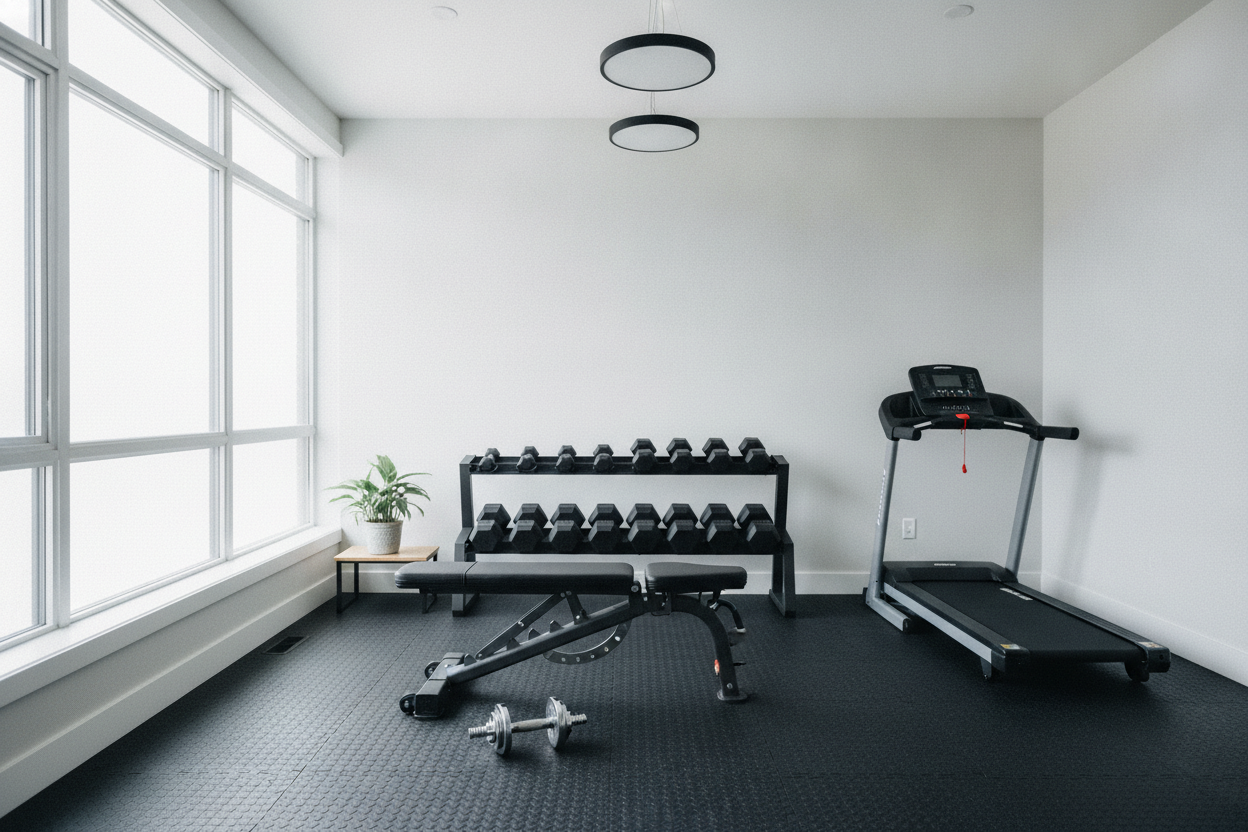
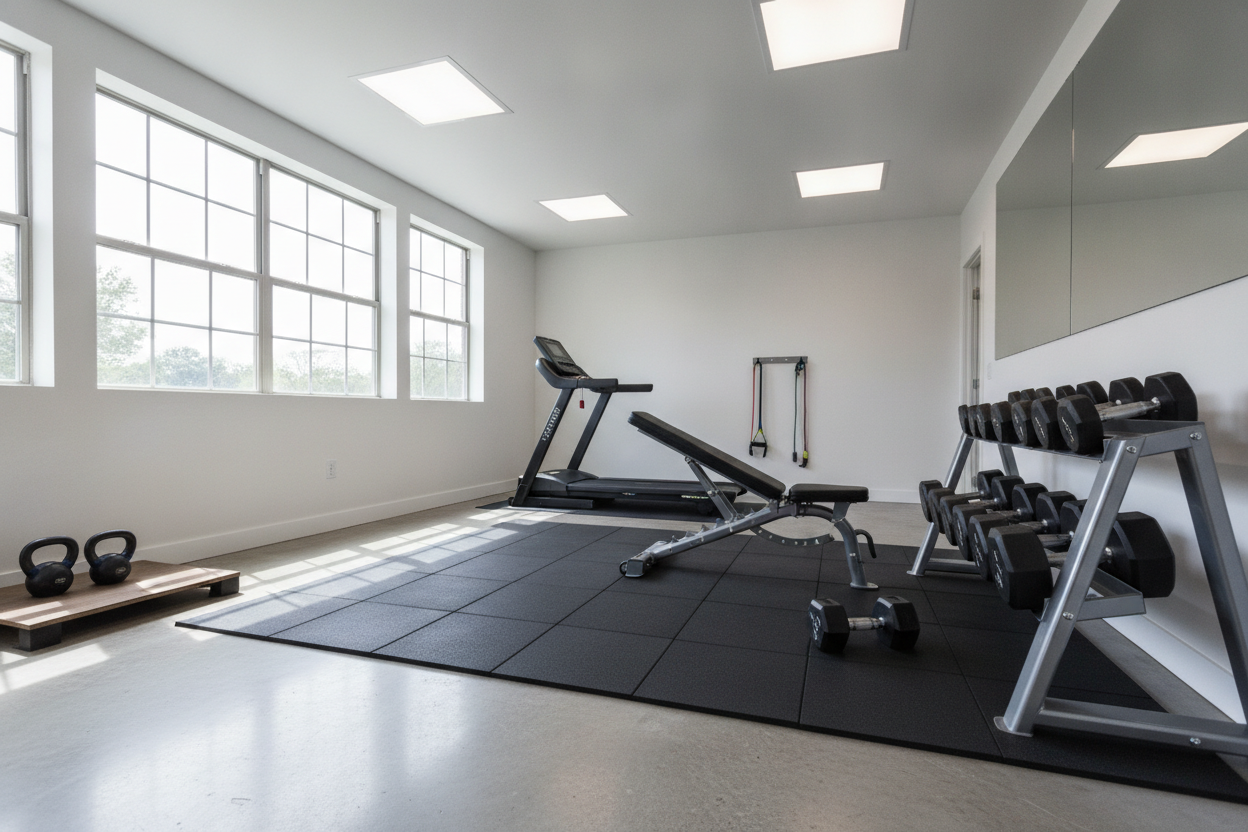
Safety and stability matter when you start moving real weight, too. Having a solid grip on proper gym flooring for home workout setups allows you to push those carb-fueled heavy lifts safely without slipping. I've tried lifting on bare concrete and cheap foam tiles; neither gives you the confidence to truly fail a rep safely or drive through your heels during a heavy press.
How to Gain Muscle Healthy (Without Force-Feeding)
You don't need a 'dirty bulk' to see results. Shoving fast food down your throat just leads to fat gain that you'll eventually have to diet off, losing muscle in the process. The goal is to find a realistic approach to how to gain muscle healthy by eating a 200-300 calorie surplus of foods that don't make you feel like garbage.
Focusing on quality fuel gives you the sustained energy to steadily increase your equipment training weight over time. If you aren't adding five pounds to the bar or an extra rep to the set every week or two, you aren't growing. It’s that simple. My biggest mistake was thinking the food did the work. The food just allows you to do the work.
Answering the Question: How to Improve My Body Growth?
If you're stuck, stop overcomplicating the macros. Here is the checklist I used to finally break my plateau and how to improve my body growth without the bloat:
- Prioritize Pre-Workout Carbs: Eat a bowl of oats or a banana 60 minutes before you hit the garage.
- Hit the Minimum Protein: Aim for 0.8g per pound of body weight. It's plenty.
- Sleep 7-9 Hours: You don't grow in the gym; you grow in bed.
- Track Your Lifts: If your logbook isn't showing progress, your diet doesn't matter.
FAQ
Do I need protein powder to build muscle?
Absolutely not. It's just a convenience tool. Chicken, eggs, beef, and beans do the same thing and usually keep you fuller longer.
How many carbs should I eat for growth?
Start with 2 grams per pound of body weight and adjust based on your energy levels and how you look in the mirror. If you're getting soft, pull back; if you're flat and weak, add more.
Is it possible to build muscle on a vegan diet?
Yes, but you have to be more diligent about your amino acid profiles. It requires more volume of food, which can be tough on the stomach during heavy training cycles.