The Dumbbell Setup You Actually Need for Elderly Strength Training
I’ve spent years watching people get ushered toward the treadmill the moment they turn 65. It’s patronizing. Elderly strength training isn’t about prepping for a bodybuilding stage; it’s about being able to get off the floor if you trip or carry your own groceries without a 'helpful' neighbor hovering over you. I’ve seen 70-year-olds go from struggling with stairs to deadlifting their own body weight, and it didn't happen on an elliptical.
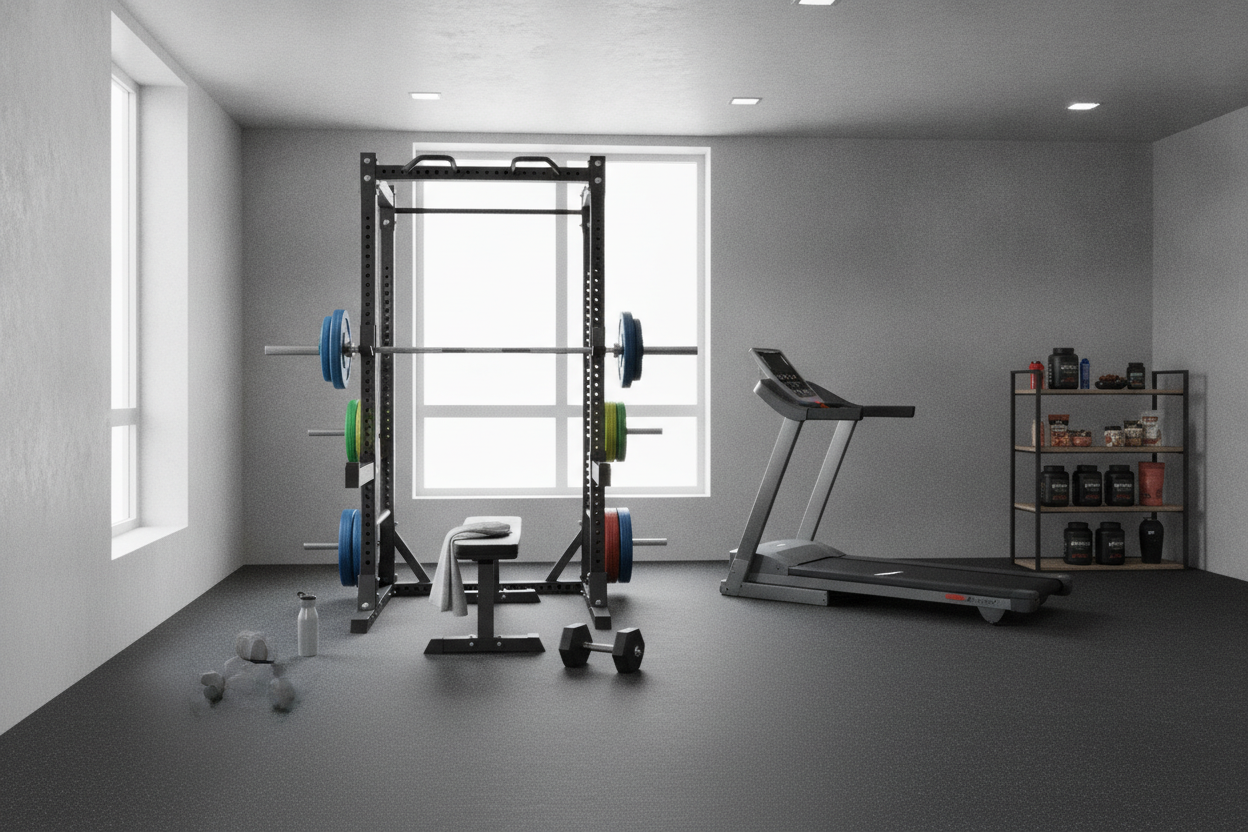
If you're scrolling through Amazon at midnight wondering if those neon-colored 2lb dumbbells are actually going to do anything, let me save you the trouble: they won't. You need actual resistance to see actual change. Setting up a home space for senior resistance training doesn't require a commercial-grade power rack, but it does require gear that won't wobble when you put your weight on it.
Quick Takeaways
- Muscle loss (sarcopenia) is optional, not inevitable.
- Dumbbells are superior to machines for building balance and joint stability.
- A stable, adjustable bench is the most important safety feature in your gym.
- Start with a 3-day full-body split to allow for recovery.
- Focus on movement quality over the number on the side of the weight.
Why It's Never Too Late to Pick Up a Dumbbell
There’s a pervasive myth that once you hit a certain age, your body becomes a fragile piece of glass. People think senior strength exercises should be limited to water aerobics and leisurely walks. While movement is good, those activities don't stop sarcopenia—the age-related loss of muscle mass and strength. If you aren't actively challenging your muscles, you’re losing them. It’s that simple.
Picking up heavy things is the most direct countermeasure we have against aging. When you perform senior strength training, you aren't just building 'beach muscles.' You’re increasing bone density, improving insulin sensitivity, and protecting your joints. I’ve trained clients in their 80s who started with nothing but their body weight and eventually moved to dumbbells. The change in their confidence is always more dramatic than the change in their biceps.
Strength building for seniors isn't a luxury; it’s a survival strategy. Every pound of muscle you keep is a deposit into your 'independence fund.' It’s the difference between needing a walker at 75 or hiking a trail with your grandkids. Don't let the fear of a sore muscle keep you from the very thing that will keep you mobile for the next two decades.
Machines vs. Free Weights: What's Actually Safer?
If you walk into a big-box gym, you’ll see rows of massive, shiny weight lifting machines. They look safe because they’re bolted to the floor and have a fixed path of motion. But for many older adults, that fixed path is exactly the problem. Your body doesn't move in a perfectly straight line, and forcing your joints to follow a machine’s rigid arc can actually cause more wear and tear than it prevents.
Free weights, specifically dumbbells, allow your joints to move through their natural range of motion. If your left shoulder is a bit tighter than your right, the dumbbells let you adjust. Machines don't. Furthermore, senior strength workout routines should focus on balance. When you sit in a machine, the machine does the balancing for you. When you stand and hold weights, your core and stabilizer muscles have to fire. That translates directly to not falling down in the real world.
Beyond the biomechanics, there’s the practical side. You don't need a 400-square-foot room to house half a dozen single-use machines. A single set of adjustable dumbbells and a bench provide more exercise variety than a whole circuit of commercial equipment. Weight lifting for elderly populations is most effective when it mimics real-life movements—reaching, squatting, and carrying—which machines simply can't replicate effectively.
The Essential Gear for an Aging Lifter's Home Gym
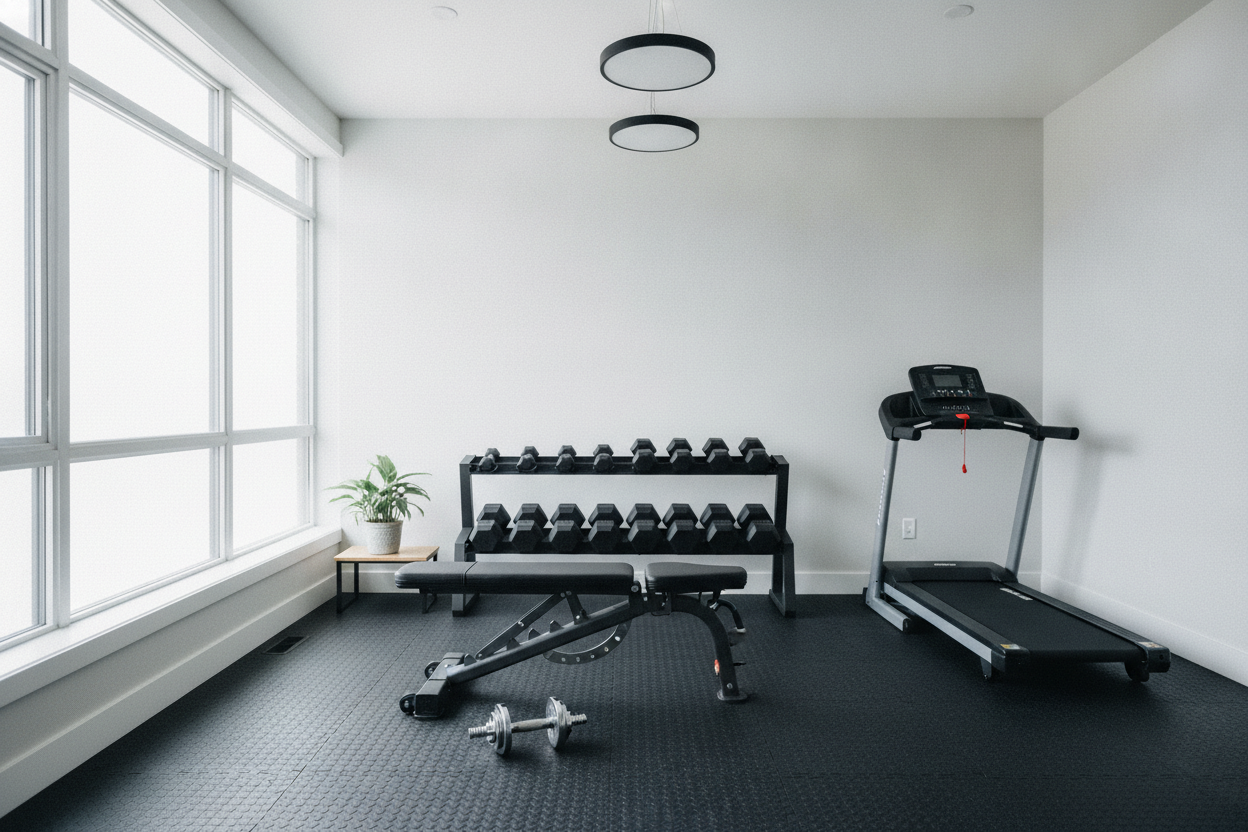
You don't need much, but what you do buy needs to be solid. I’ve tested cheap benches that felt like they were made of cardboard, and that’s the last thing you want when you’re trying to focus on your form. The cornerstone of your setup should be a Gxmmat adjustable weight bench. It has a high weight capacity and, more importantly, it doesn't wobble. Having a stable backrest is crucial for seated overhead presses or chest presses, especially if your core strength is still developing.
Next, look at adjustable dumbbells. Instead of buying ten different pairs of fixed weights that clutter up the floor (and become a tripping hazard), a pair of 'selectorized' dumbbells saves space and money. I usually recommend a set that goes from 5 to 50 pounds. That might sound heavy now, but you’ll be surprised how fast you progress on exercises like the goblet squat.
Finally, don't overlook your floor. A non-slip surface is mandatory. If you’re training on hardwood or tile, get a high-quality rubber mat. You can also add some strength training accessories to make things more comfortable—think foam grip pads if you have arthritis in your hands, or light resistance bands for warming up your shoulders before you touch the iron. A small investment in quality gear makes the difference between a gym you love and a gym that collects dust.
How to Pick the Right Weight (Without Getting Hurt)
One of the biggest hurdles in weight lifting for seniors is the fear of injury. The secret to staying safe isn't lifting 'light' weights—it's lifting the *right* weights. We use a concept called RPE, or Rate of Perceived Exertion. On a scale of 1 to 10, where 1 is sitting on the couch and 10 is a maximum effort that leaves you gasping, you want your working sets to land around a 7 or 8.
If you finish a set of 10 repetitions and feel like you could have done 10 more, the weight is too light. You aren't giving your body a reason to get stronger. If you’re struggling to keep your form perfect by the 8th rep, you’ve found the sweet spot. For deeper insight into this, I always suggest choosing the best strength and weight training equipment that allows for small incremental jumps, like 2.5lb or 5lb increases.
Strength training for older adults is a marathon, not a sprint. Your tendons and ligaments take longer to adapt than your muscles do. Even if you feel like you *can* lift more, increase the weight slowly. I tell my clients to stay at a certain weight until they can perform all their sets with 'perfect' control and zero joint pain. Only then do we move up. It’s about being consistent, not being a hero on day one.
A Simple 3-Day Senior Weight Lifting Routine
You don't need a complicated 20-exercise circuit. You need four or five 'compound' movements that hit multiple muscles at once. This 3-day senior weight training routine focuses on the basics: the Goblet Squat (holding one weight at your chest), the Seated Dumbbell Press, the One-Arm Row, and the Farmer’s Carry (walking while holding weights at your sides). These movements build the functional strength you need for daily life.
Perform 2 to 3 sets of 8–12 repetitions for each exercise. Rest for a full two minutes between sets. Your body needs that time to recover its ATP (energy) stores. And let’s be clear: strength training for women over 60 should look almost identical to training for men. The physiological needs are the same. Women are actually at a higher risk for osteoporosis, making heavy resistance training even more vital for bone health.
Between your lifting days, stay active with walking or stretching, but give your muscles at least 48 hours to recover. Muscle isn't built in the gym; it’s built while you sleep and eat. If you’re feeling excessively tired or your joints are throbbing, back off the intensity. The goal is to be better next week, not just exhausted today.
Personal Experience: The Ego Trap
I remember training my father when he first started his weight training for senior journey. He was 68 and, despite my warnings, he wanted to show off. He grabbed a pair of 30lb dumbbells for a row without warming up. He tweaked his lower back and was out of the gym for three weeks. It was a classic mistake—letting ego dictate the weight instead of the body. Since then, we’ve focused on the 'slow and steady' approach. Now, at 74, he’s stronger than he was at 50, but he never starts a session without a 10-minute dynamic warm-up. Learn from his mistake: the heaviest weight in the room is your ego. Leave it at the door.
FAQ
Is weight lifting safe for someone with arthritis?
Yes, and it’s often recommended. Strengthening the muscles around a joint takes the pressure off the joint itself. Just make sure to use a comfortable grip and avoid movements that cause sharp, stabbing pain.
How many days a week should a senior lift weights?
Three days a week is the 'Goldilocks' zone. It provides enough stimulus to grow muscle but offers plenty of recovery time. Doing it every day usually leads to burnout or overuse injuries.
Do I need a spotter for dumbbell exercises?
Generally, no. One of the benefits of dumbbells is that if you get into trouble, you can simply drop them to the side. This makes them much safer for solo home training than a barbell.