I Read 15 Books About Strength Training—Only 4 Actually Helped
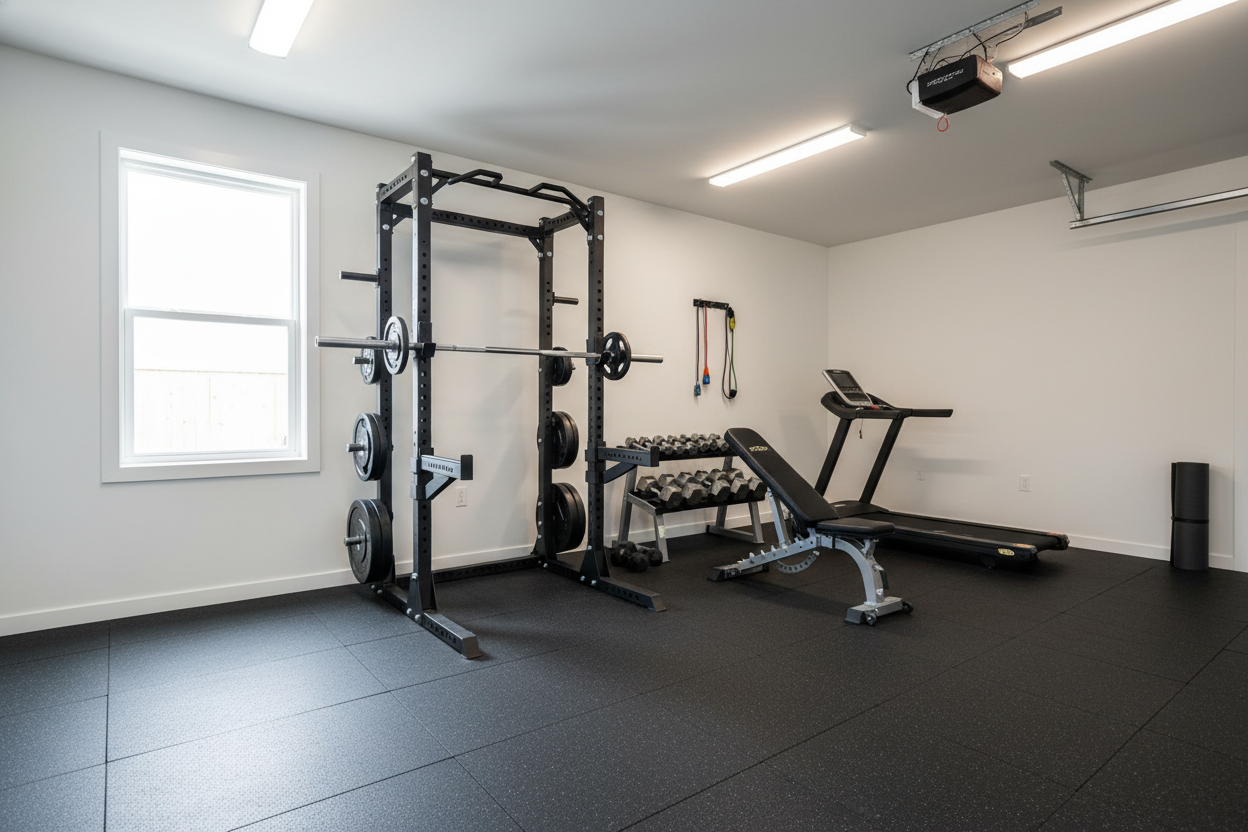
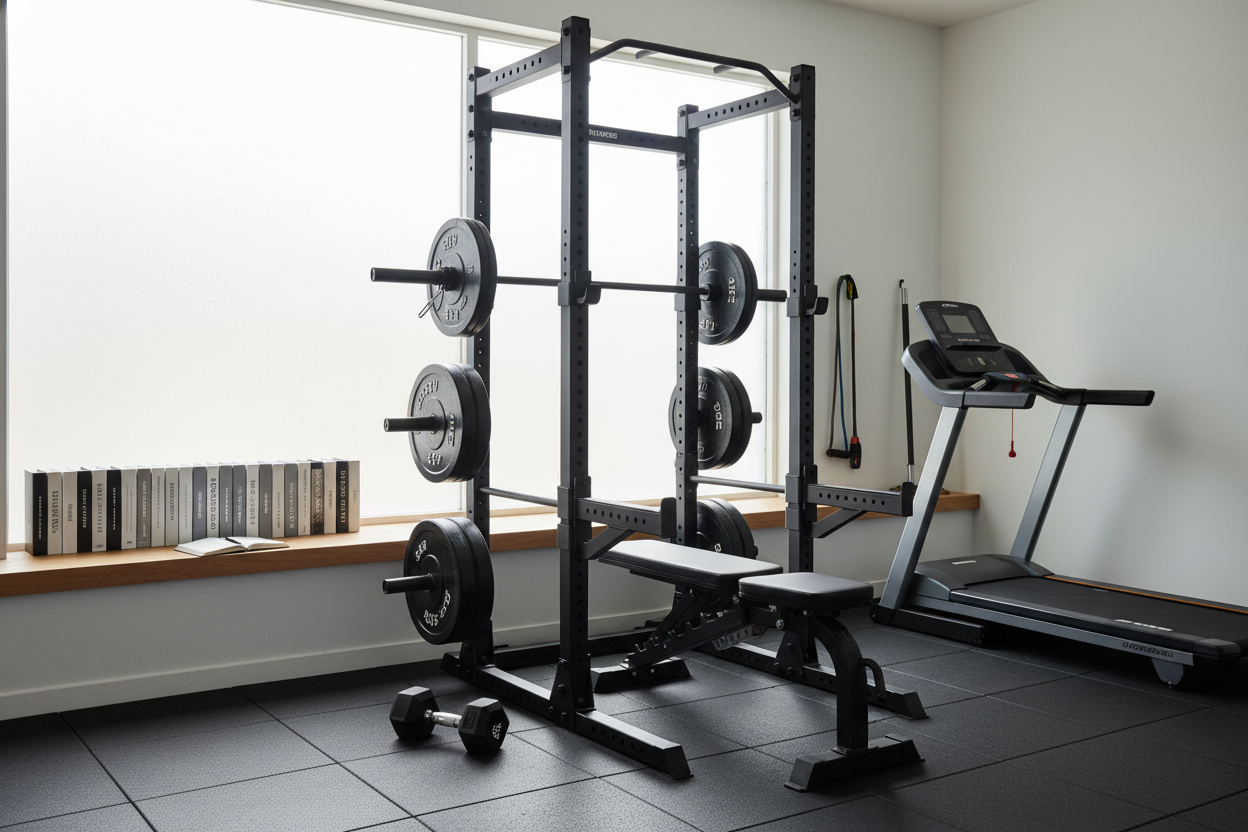
I have a shelf in my garage gym that is physically sagging under the weight of books I never open anymore. It is a graveyard of books about strength training that promised a 'new me' in six weeks but mostly delivered 200 pages of the author’s life story and a few grainy photos of them doing leg extensions. Most of what I bought during my first three years of lifting was a total waste of money.
I’ve spent thousands of hours under a barbell and probably just as many hours reading about how to do it better. What I’ve learned is that the fitness publishing industry is a lot like the supplement industry: it is 90% filler and 10% actual substance. You do not need a library; you need a few foundational texts that you can return to every time your progress stalls.
Quick Takeaways
- Most lifting books are 'padded' with fluff to meet publisher page counts.
- Avoid books that focus on 'secrets' or 'hacks'—strength is built on physics and biology.
- A good manual should teach you how to think, not just what to do.
- You only need four specific books to cover mechanics, Olympic lifts, programming, and nutrition.
Why Most Weight Lifting Books Are Just Padded Blog Posts
If you pick up a random weight lifting book at a big-box bookstore, you’ll notice a pattern. The first fifty pages are 'motivation.' The next hundred are a basic anatomy lesson you could get for free on Wikipedia. Then, you get a 'proprietary' 12-week program that is really just a slightly modified version of a routine from the 1970s.
Publishers hate skinny books. They want 300-page monsters because they look better on a shelf and justify a $30 price tag. This forces authors to stretch ten pages of brilliant programming advice into a sprawling mess of anecdotes and 'client success stories.' I don’t care how much 'Dave from Ohio' bench pressed; I want to know the specific percentage of my 1RM I should be lifting in week four.
When you are looking for books on strength training, skip anything that looks like a lifestyle magazine. If the author is shirtless on the cover, proceed with extreme caution. The best books are usually written by grumpy old coaches who care more about bar paths than branding.
The Textbooks vs. The Pamphlets
The market for resistance training books is split into two annoying extremes. On one side, you have the hyper-academic kinesiology textbooks. These are great if you want to understand the Krebs cycle or the exact attachment points of the sartorius muscle, but they are useless when you’re standing in front of a power rack trying to figure out why your knees cave in during a heavy squat.
On the other side, you have the influencer pamphlets. These are often self-published PDFs or thin paperbacks that lack any real substance. They are high on 'vibes' and low on logic. They tell you to 'listen to your body,' which is terrible advice for a beginner who doesn't know the difference between 'this is heavy' and 'this is actually injuring me.'
The best book on strength training is the one that sits right in the middle. It should give you enough science to understand the 'why' without requiring a medical degree, and enough practical application to get you through your next session.
The 4 Books About Strength Training You Actually Need
I’ve narrowed my collection down to four specific titles. These are the ones I actually pull off the shelf when I’m designing a new block of training or when a client asks me for a recommendation. They aren't flashy, but they work.
1. The Barbell Mechanics Bible
If you want to understand how to move a heavy object without snapping yourself in half, you need a book that focuses on mechanics. Starting Strength by Mark Rippetoe is the standard here. While people argue about his programming, his technical breakdown of the 'Big Five' lifts is unparalleled. He treats the human body like a system of levers and pulleys.
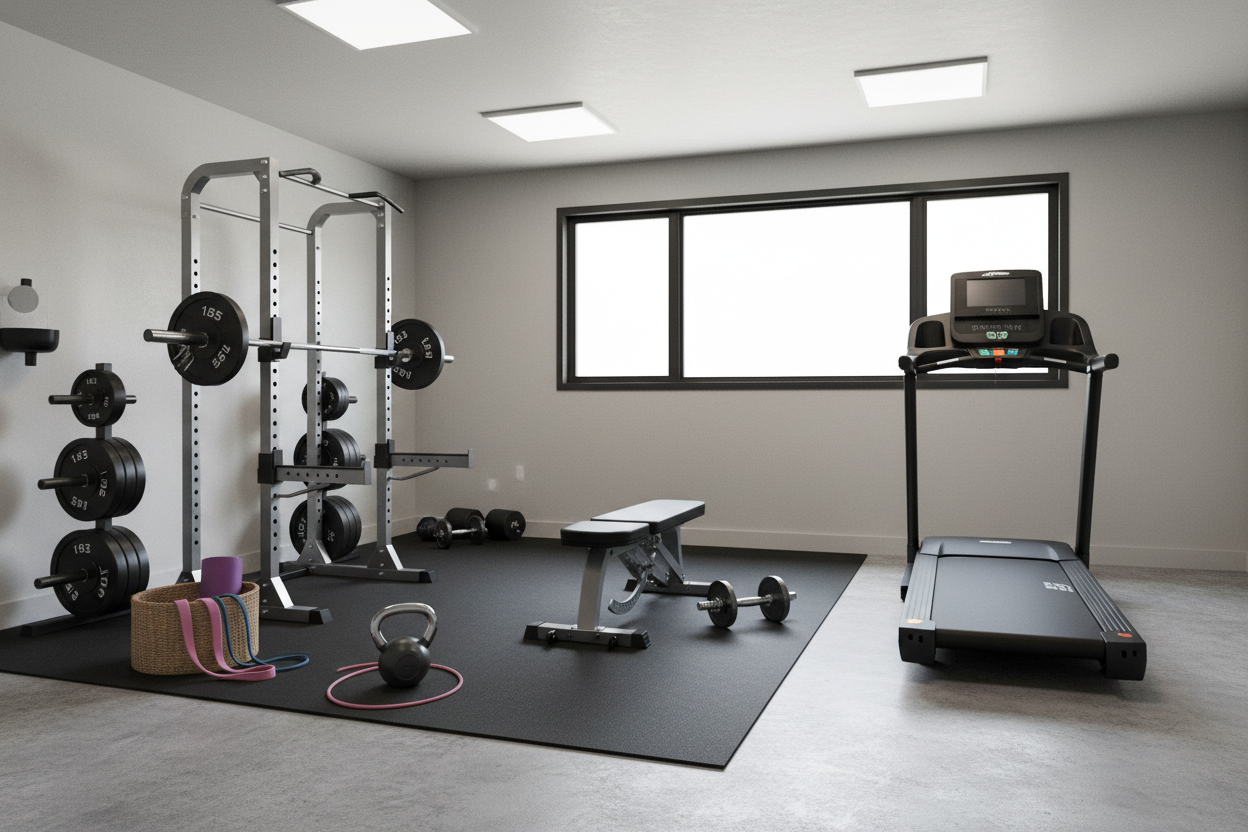
Understanding these physics is vital when you are setting up your home gym. It helps you evaluate strength and weight training equipment because you start to realize that you don't need 50 different machines. You need a bar, plates, and a rack that allows for the most efficient bar path possible. This book taught me that a squat isn't just 'sitting down'; it's a specific management of your center of mass over your midfoot.
2. The Olympic Lifting Standard
If you want to move into more explosive movements, you need the best book on olympic weightlifting ever written: Olympic Weightlifting: A Complete Guide for Athletes and Coaches by Greg Everett. This thing is a brick, but it is the gold standard for a reason. The snatch and the clean-and-jerk are the most complex movements you can do with a barbell.
Everett breaks these lifts down into tiny, digestible phases. For a self-taught garage lifter, this is the only weightlifting book that provides enough detail to actually fix your own form. I spent six months trying to 'muscle' my snatches before I read this and realized my second pull was non-existent. It’s the closest thing you can get to having a world-class coach standing in your garage.
3. The No-Nonsense Programming Blueprint
Once you know how to lift, you need to know how to progress. Jim Wendler’s 5/3/1 is my go-to for weight training workout books. It’s not fancy. It doesn't use complex percentages that require a calculator every set. It’s built on the idea of 'boring but big'—doing the same basic movements and adding a tiny bit of weight every single month.
Good programming revolves around core lifts on a solid rack and adjustable weight bench setup. Wendler’s philosophy cured me of 'program hopping.' I used to change my routine every two weeks because I wasn't seeing results. This book forced me to stick to a plan for a year, and that’s when the real strength gains finally happened. It’s about the long game, not the six-week transformation.
4. The Nutrition Reality Check
You can’t out-train a bad diet, but most best nutrition books for strength training are just sales pitches for supplements or restrictive 'cleanses.' Look for something like The Renaissance Diet 2.0. It cuts through the fad diet hype and focuses on the only things that actually matter: calorie balance, macronutrient amounts, and nutrient timing.
It also handles the classic debate over cardio or strength training by explaining how to fuel for both without losing your muscle mass. Most people either eat too little and stall their lifts, or eat too much and just get fat. This book gives you the math to find the 'sweet spot' for recovery. It’s the least 'sexy' nutrition book I own, which is why it’s the only one I trust.
Stop Reading and Start Lifting
The biggest trap you can fall into is 'productive procrastination.' It feels like you’re working when you’re reading about books on weight training, but your muscles don't care what you know; they only care what you do. I’ve seen guys who have read every book on this list and still have a 135-lb squat because they spend more time analyzing their program than they do executing it.
Pick one philosophy—whether it’s Rippetoe’s mechanics or Wendler’s programming—and run it for at least 12 weeks without changing a single thing. No 'tweaking' the accessory work, no adding extra sets because you feel good. Just follow the book. The best lifting book in the world is useless if the pages stay clean. Get some chalk on them, get some sweat on them, and actually do the work.
FAQ
What is the best book for a total beginner?
Starting Strength is the most common answer for a reason. It focuses on the five basic movements that provide the most bang for your buck. It’s not perfect, but it’s the best foundation you can get for barbell training.
Are digital lifting books better than physical ones?
I prefer physical books for the gym. You can’t easily flip through a PDF with chalky hands, and I like being able to bookmark specific technical cues to look at between sets. Plus, a physical book doesn't have notifications to distract you.
Do I really need a book for Olympic lifting?
If you don't have a coach, yes. The snatch and clean-and-jerk are too fast and complex to learn from 15-second Instagram clips. You need a deep dive into the mechanics to avoid hurting your wrists, shoulders, or back.