Stop Scrolling the Lifting Wiki and Just Do This Instead
I have been there—it is 1 AM, you are on your fourth cup of coffee, and you are deep in a lifting wiki rabbit hole comparing the mechanical advantage of high-bar versus low-bar squats. You haven’t actually touched a barbell in three days, but you are convinced that if you just read one more entry on a weightlifting wiki, the perfect program will reveal itself. This isn’t research; it is procrastination disguised as productivity.
- Stop looking for the 'optimal' program; any program worked hard is better than a perfect one ignored.
- Prioritize a heavy-duty rack and a solid bar over niche specialty equipment.
- Focus on the big three: consistency, progressive overload, and recovery.
- Ignore the 1% optimizations until you can at least bench your bodyweight.
The Trap of the Ultimate Weightlifting Wikipedia
The urge to master the theory before you ever touch the steel is a progress killer. Beginners often feel like they need to memorize every entry on a weightlifting wikipedia to avoid 'wasting time' with a sub-optimal routine. I spent my first six months of training switching programs every two weeks because I read a new article claiming my current split was 'inefficient.'
Analysis paralysis is real. You don't need to understand the Krebs cycle or the exact insertion points of your latissimus dorsi to build a bigger back. You need to pull heavy things toward your chest. The more you read, the more you realize that for every 'rule' in lifting, there is a 5,000-word rebuttal on another page of the weight lifting wikipedia. Close the browser and go lift.
Why 90% of a Weight Lifting Wiki Is Pure Noise
Most online resources are built by nerds for nerds. While I love a good deep dive into biomechanics, it doesn't help you when you're staring at a loaded bar. A massive weight lifting wiki will often spend thousands of words debating the merits of free weights versus weight lifting machines. In reality, your muscles don't have eyes; they only know tension and fatigue.
You see people in forums arguing about whether a 2-degree shift in toe angle will better isolate the vastus medialis. That is noise. If you are a home gym owner, you don't have time for that. You need to know if your rack will bolt to the floor and if your plates are actually the weight they claim to be. The theoretical stuff is a hobby; the lifting is the work.
The 3 Rules I Actually Kept From the Reddit Forums
After years of filtering through the mountain of data on every weightlifting wikipedia, I realized only three things actually moved the needle for me. First: show up. A mediocre workout on a Tuesday is better than the 'perfect' workout you skipped because you felt tired. My best gains didn't come from a secret Russian routine; they came from not missing a session for six months.
Second: force the numbers up. Progressive overload is the only law of lifting that matters. If you lifted 100 pounds last week, try 105 this week. Third: prioritize sleep over supplements. No pre-workout or 'optimal' wiki-approved supplement stack can replace eight hours of shut-eye. I wasted hundreds of dollars on creatine blends and 'test boosters' when I should have just been buying better blackout curtains.
Building Your Setup Without the Overwhelm
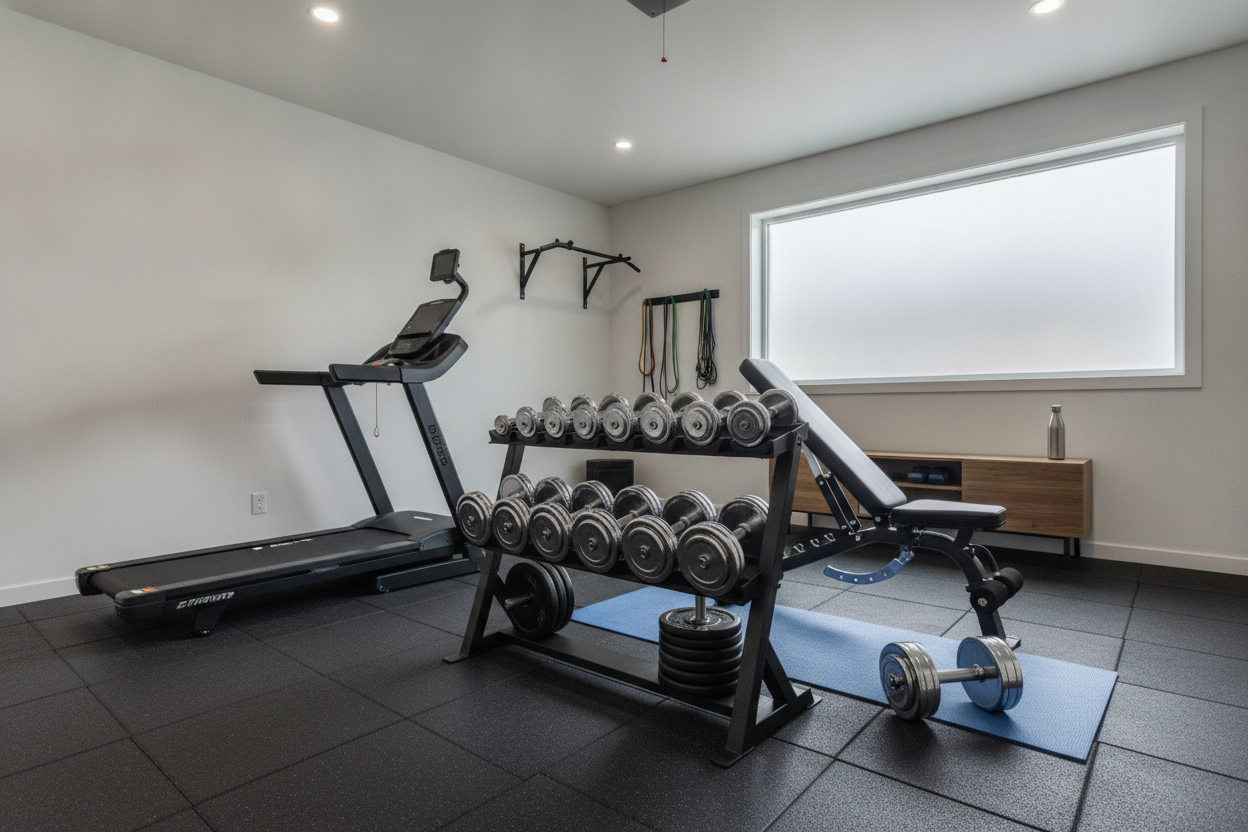
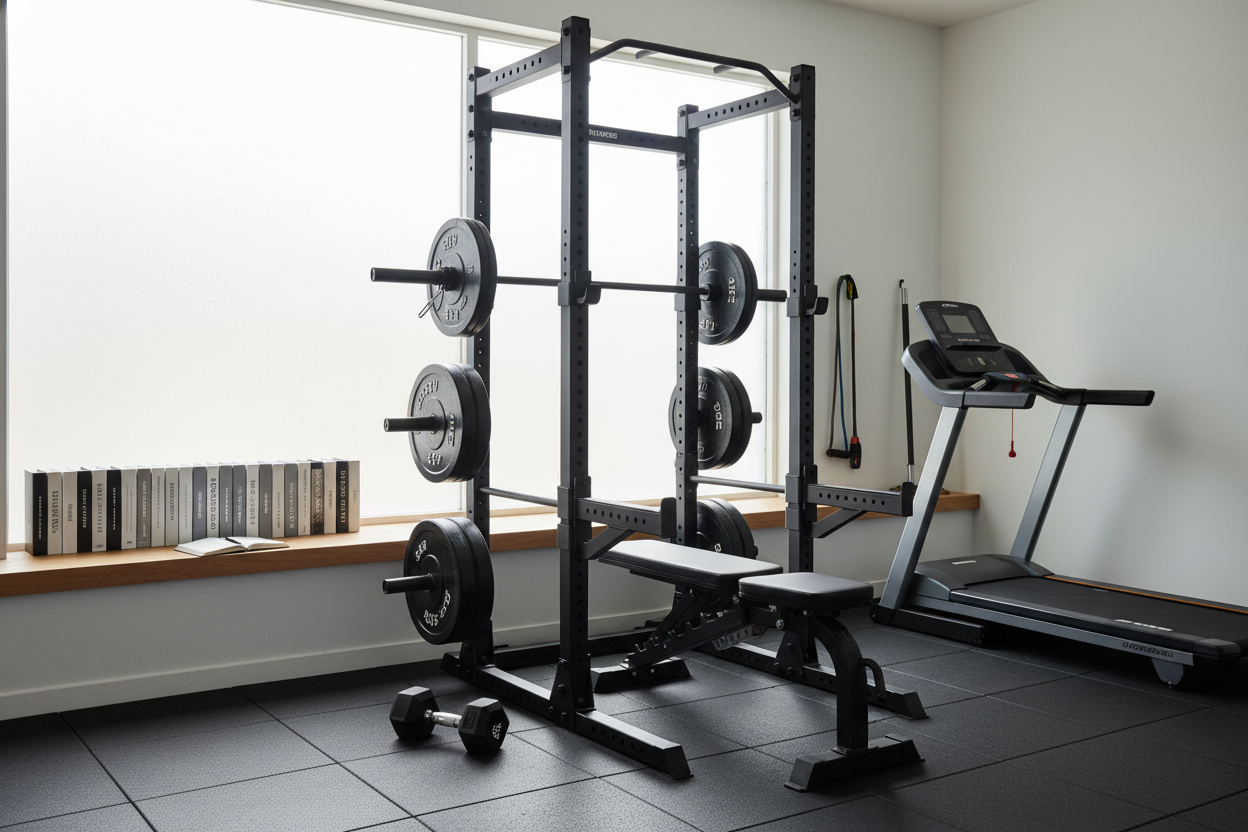
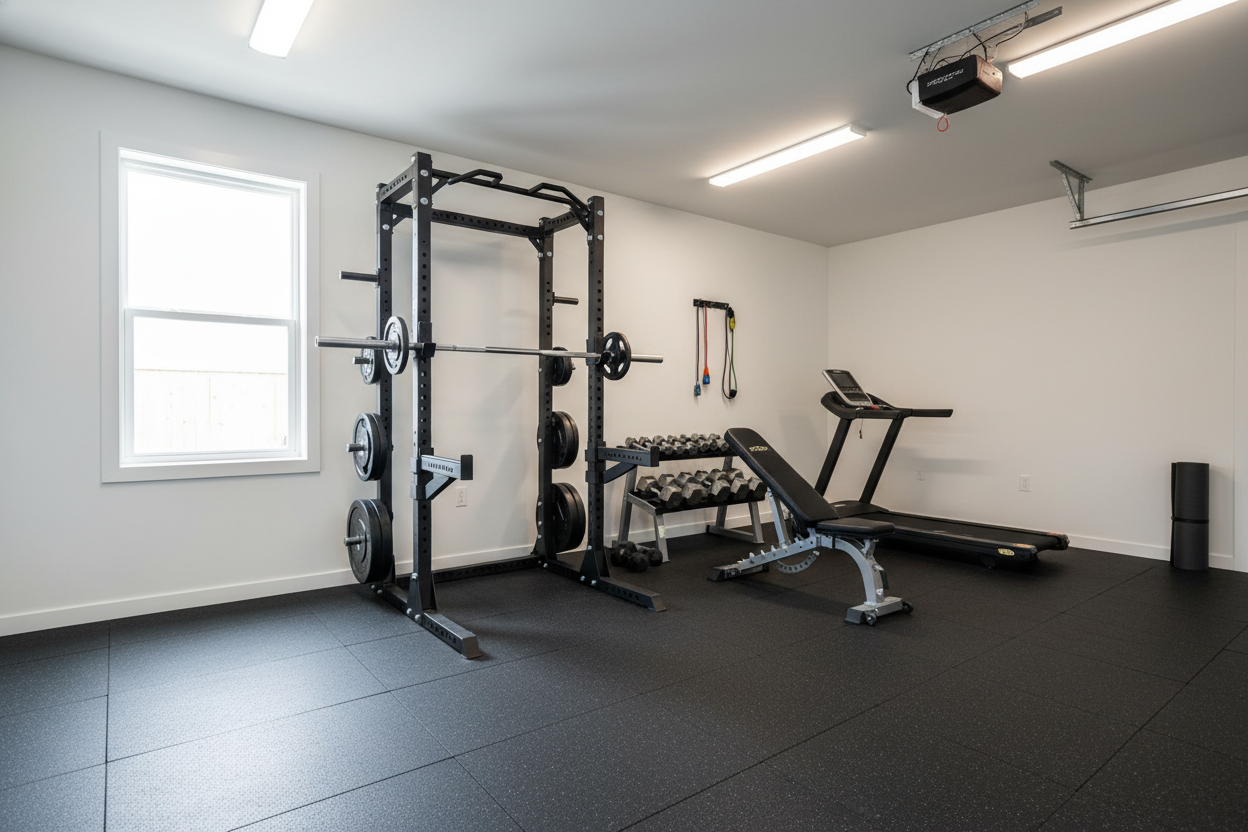
If you are building a home gym, stop trying to find the 'perfect' custom configuration. It doesn't exist. You are better off grabbing a comprehensive, heavy-duty setup like the Gxmmat X6 Power Rack Weight Bench Package. It gives you a solid rack and a bench that won't wobble when you're pressing, which is 99% of what you actually need to get the job done.
I once spent a month agonizing over whether I should buy a 1.2mm or 1.5mm knurling depth bar because a weight lifting wikipedia editor said anything less than 1.5mm was 'useless for heavy pulls.' I was pulling 225 lbs at the time. I didn't need aggressive knurling; I needed to stop typing and start pulling. Get a base that works, and stop researching until you've outgrown it.
Close the Tabs and Get Under the Bar
The 'perfect' routine is the one you actually do. You can spend the next three years becoming a scholar of the weightlifting wikipedia, or you can spend that time getting strong. High intensity on a sub-optimal plan beats low intensity on a 'perfect' plan every single day of the week. Your spreadsheet doesn't build muscle; your effort does.
My biggest mistake was thinking I could 'hack' the process by knowing more than the guy next to me. I didn't realize that the 'guy next to me' was getting bigger because he was too busy lifting to read the latest wiki update. Put the phone down, walk into the garage, and get under the bar.
Is a weightlifting wikipedia actually useful?
Sure, for looking up specific competition rules or the history of a lift. For getting big and strong? It is mostly a distraction. You need a program, not an encyclopedia.
Should I use machines or free weights?
Both. Free weights build stability, but machines allow you to push to failure safely. Don't let a wiki-warrior convince you that one is 'cheating.'
How much equipment do I really need to start?
A rack, a barbell, and enough plates to make it heavy. Everything else—cables, specialty bars, fancy flooring—is just a luxury you can add later.