The 3-Day Female Strength Training Plan I Give Recovering Cardio Junkies
I’ve spent a decade in garage gyms and commercial boxes, and I’m tired of seeing the same thing: women grinding through 45-minute HIIT sessions, drenched in sweat, yet wondering why their body composition hasn't budged in a year. If you're ready to stop chasing a 'burn' and start building actual muscle density, you need a legitimate female strength training plan that treats you like an athlete, not a calorie-burning machine.
- Muscle is built through mechanical tension, not just being out of breath.
- Stick to four main movement patterns: Squat, Hinge, Push, and Pull.
- Rest intervals are non-negotiable; your nervous system needs the break.
- Progress is measured in pounds on the bar, not drops of sweat on the floor.
The Difference Between Getting Sweaty and Getting Strong
The fitness industry loves to sell 'toning.' It’s a marketing term that effectively means 'building muscle and losing fat,' but the methods they sell you—light weights and high reps—are the least efficient way to get there. To change how you look, you need mechanical tension. This means lifting weights heavy enough to actually challenge your muscle fibers and trigger adaptation.
Chasing a high heart rate during a female strength training routine is a trap. When you’re gasping for air, your form breaks down and your intensity drops. You aren’t getting stronger; you’re just getting tired. A true resistance training plan for women focuses on the quality of the contraction and the load on the bar, not how fast you can jump between exercises in a circuit.
Why You Only Need Four Main Movements
You don’t need twenty different banded glute variations or 'sculpting' movements. You need to get exceptionally good at four things: squatting, hinging (like a deadlift), pushing things away from you, and pulling things toward you. That is the foundation of every effective resistance training program for women. If you master these, the rest is just details.
Mastering the barbell or heavy dumbbells is the fastest way to see results. Once you’ve hit your heavy compound sets, that’s when it makes sense to move toward weight lifting machines for accessory work. Using machines allows you to isolate specific muscles like the lats or quads without your grip or lower back being the limiting factor, which is perfect for building hypertrophy after your main lifts are done.
The Blueprint: A Real Female Strength Training Plan
This isn't a 'pink weight' workout. This is a 3-day split designed to maximize recovery while hitting every major muscle group twice a week. We’re aiming for 3 sets of 5-8 reps on your big lifts. If you can do 12 reps easily, the weight is too light and you're no longer in the optimal strength-building zone.
- Day 1: Lower Body Focus (Back Squats, RDLs, Walking Lunges)
- Day 2: Upper Body Focus (Dumbbell Bench Press, Barbell Rows, Seated Overhead Press)
- Day 3: Full Body / Weak Points (Conventional Deadlifts, Lat Pulldowns, Glute Bridges)
For Day 2, stop trying to press heavy weights while standing on a wobbly surface. You need a sturdy adjustable weight bench to provide a stable base. If your back isn’t supported during a heavy seated press or chest press, you’re wasting energy stabilizing your core instead of driving the weight up. A solid bench is the difference between a shaky, ineffective set and a new personal record.
How to Actually Track Progressive Overload
If you don't know what you lifted last Tuesday, you aren't following a strength training for women plan; you're just exercising. Buy a notebook or use an app, but log every single set. Your goal is to add a little bit of weight or one extra rep every single week. This is called progressive overload, and it is the only law of muscle growth.
Sometimes a 5lb jump feels like a mountain, especially on upper body lifts. This is where strength training accessories come in handy. Using fractional plates—half-pound or one-pound weights—allows you to keep progressing when standard plates are too heavy. Also, don't be afraid of lifting straps if your grip gives out before your legs do on heavy RDLs; don't let a small muscle limit a big one.
The Gear That Actually Matters for This Setup
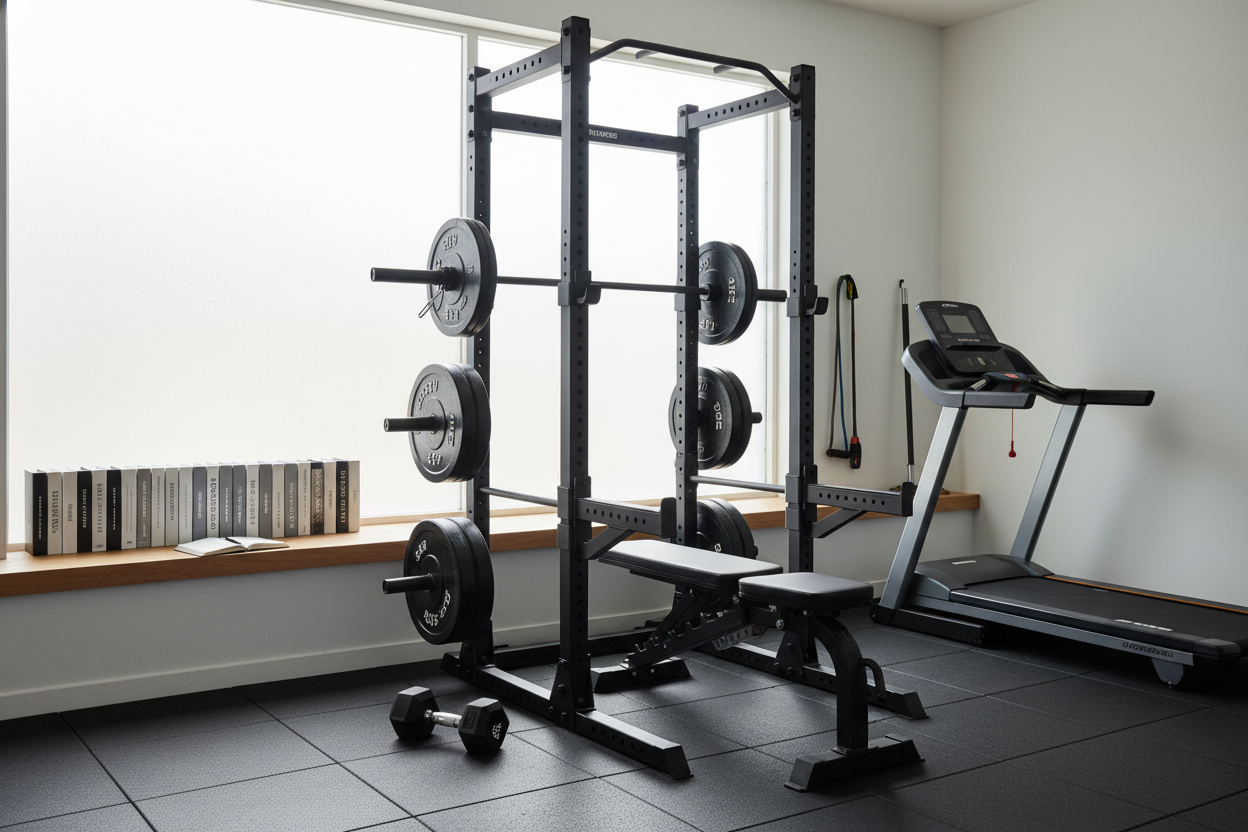
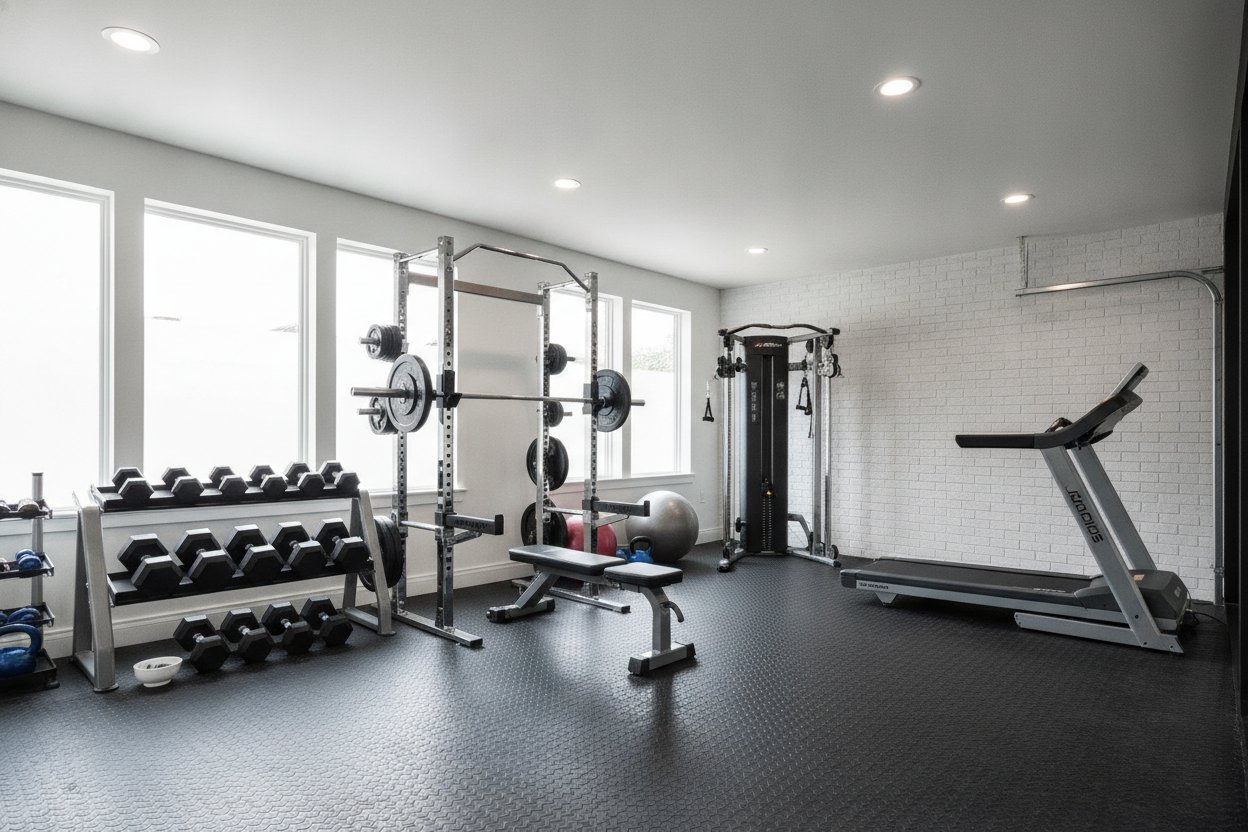
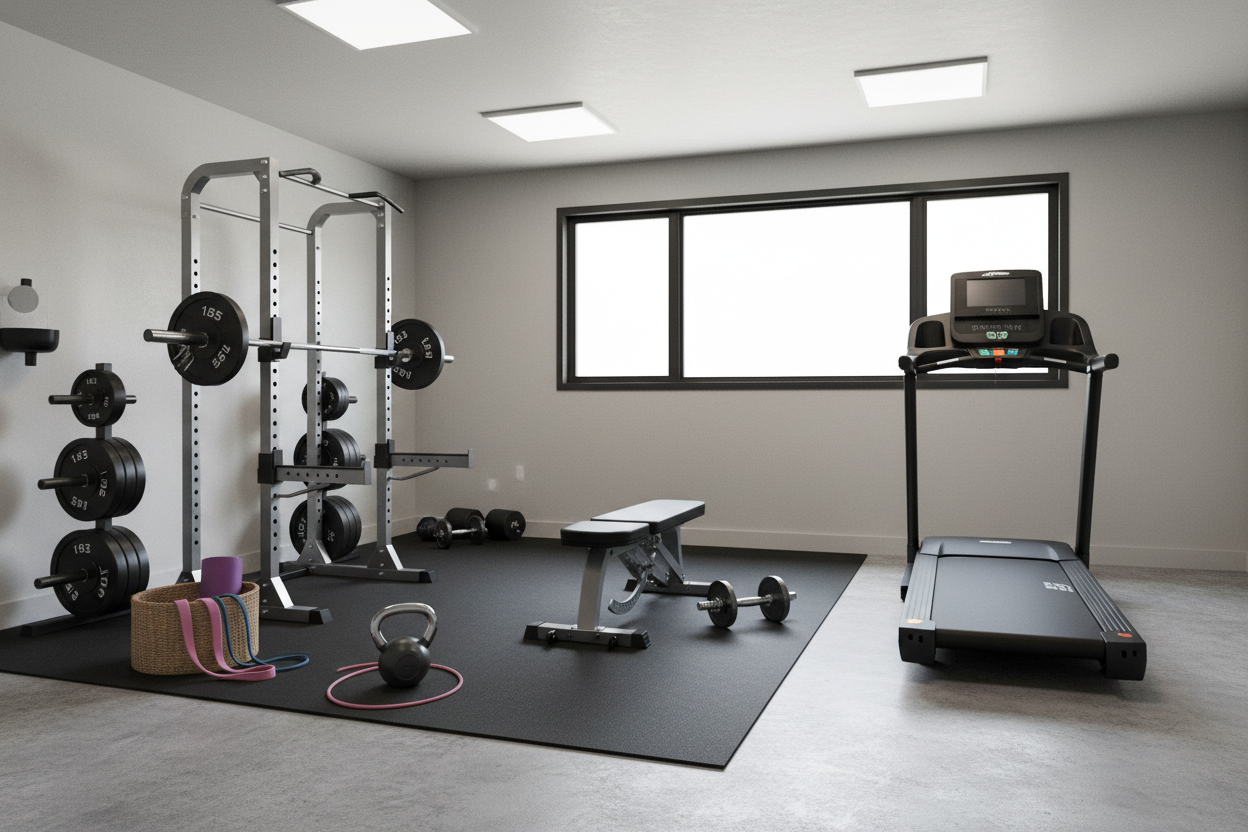
You don't need a fancy vibrating platform or a mirror that talks to you. You need a rack, a barbell, and enough plates to actually challenge yourself. If you're building a home setup, prioritize the essentials that can handle a beating. I always tell people that choosing the best strength and weight training equipment starts with a high-quality barbell—it's the one thing you'll touch every single workout, so don't go cheap there.
Personal Experience: The Wobbly Rack Lesson
Years ago, I bought a cheap, no-name squat rack because it was $150 and 'looked fine' in the photos. The first time I tried to re-rack 155 pounds, the whole thing swayed three inches to the left. I almost ended up in the ER. Cheap gear isn't just a waste of money; it's a psychological barrier. If you don't trust your equipment, you'll never lift heavy enough to see real changes in your female weight lifting program. Buy once, cry once.
FAQ
Will lifting heavy make me bulky?
No. You don't have the testosterone levels to accidentally turn into a bodybuilder. Lifting heavy creates 'tone' by building the muscle that sits under your skin, giving you a firm, athletic look.
Can I do cardio on my off days?
Sure, but keep it low intensity. A long walk or a light cycle is fine. If you’re doing soul-crushing HIIT on your rest days, you won't have the systemic recovery needed to lift heavy during your weight training routine women sessions.
How long should I rest between sets?
At least two to three minutes for big lifts like squats or deadlifts. If you're ready to go in 30 seconds, you didn't lift heavy enough. Strength is built when the nervous system is fresh.