I Ran Starting Strength for Women: Here's What Actually Happened
I remember standing in my garage two years ago, staring at a 45-lb Ohio Bar that felt like it weighed 200 pounds. I’d just finished reading Mark Rippetoe’s 'Starting Strength'—the blue book—and felt like a total intruder. The book is written for 18-year-old boys who can eat 5,000 calories and sleep ten hours a day. As a woman running a home gym, I didn't have the testosterone or the recovery capacity of a teenage athlete, but I wanted to be strong. I decided to run starting strength for women exactly as written, and the results were both empowering and incredibly frustrating.
Quick Takeaways
- Lower body strength explodes quickly; expect to double your squat in 12 weeks.
- The standard 5-lb jumps are too aggressive for female upper body lifts.
- Fractional plates (0.5 lb and 1.25 lb) are mandatory, not optional.
- Recovery is the hardest part; you cannot 'undereat' this program.
The Book Wasn't Written With Us In Mind (But It Still Works)
Let's be real: Rippetoe’s tone can be abrasive. He talks about 'men' and 'trainees' as if they are all the same biological template. However, the core logic of the program—linear progression—is sound. For starting strength women lifters, the goal is to add weight to the bar every single time you lift. It sounds terrifying to a beginner, but it is the fastest way to build a functional base of strength. I found that while the volume (3 sets of 5 reps) is lower than most 'fitness' programs, the intensity is much higher. You aren't chasing a pump; you are chasing a new personal record every Monday, Wednesday, and Friday.
The Squat and Deadlift Progress Will Shock You
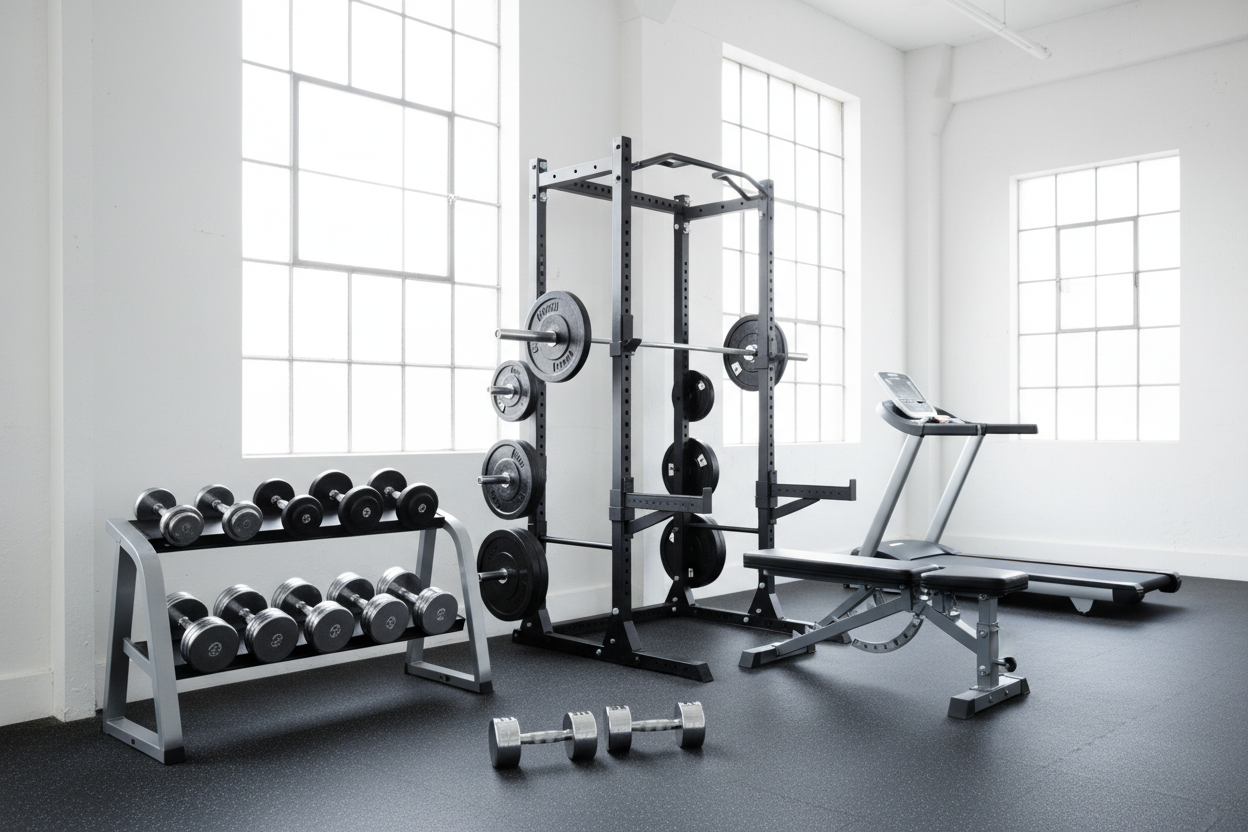
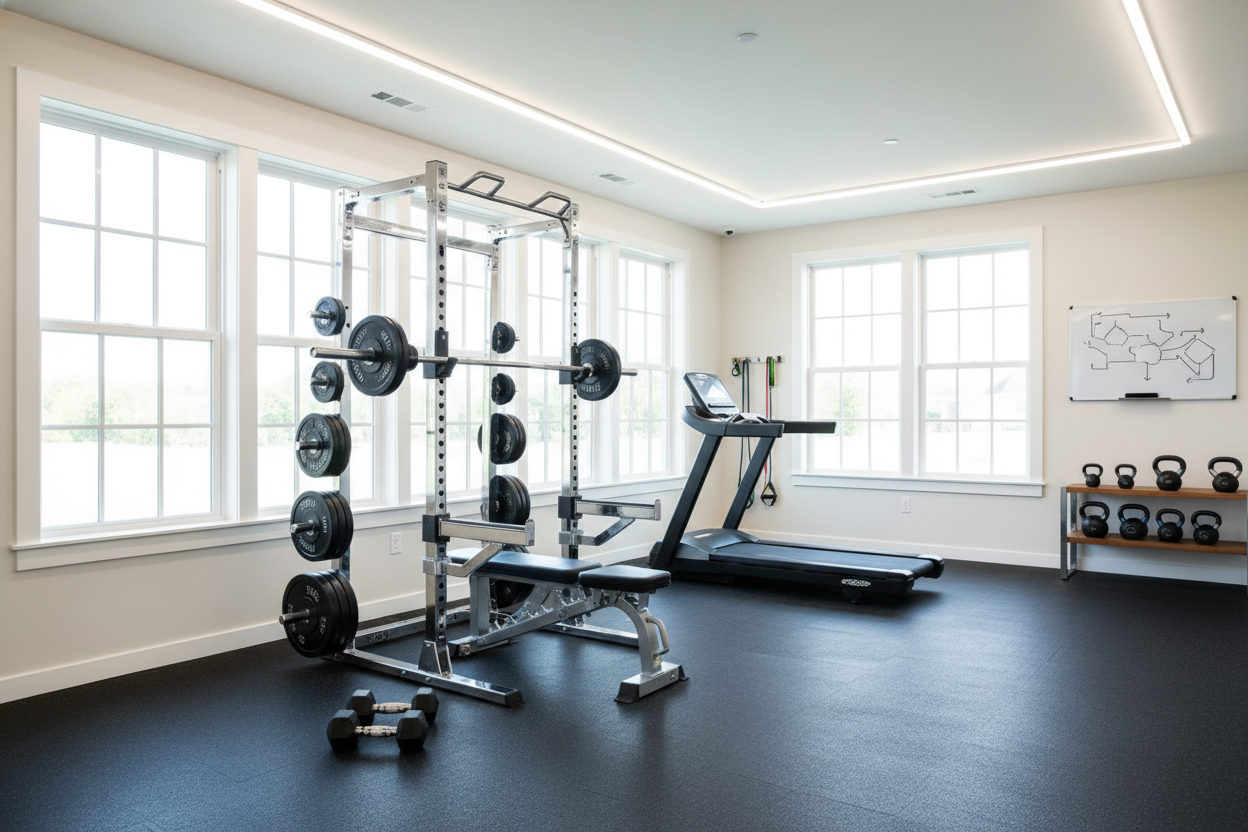
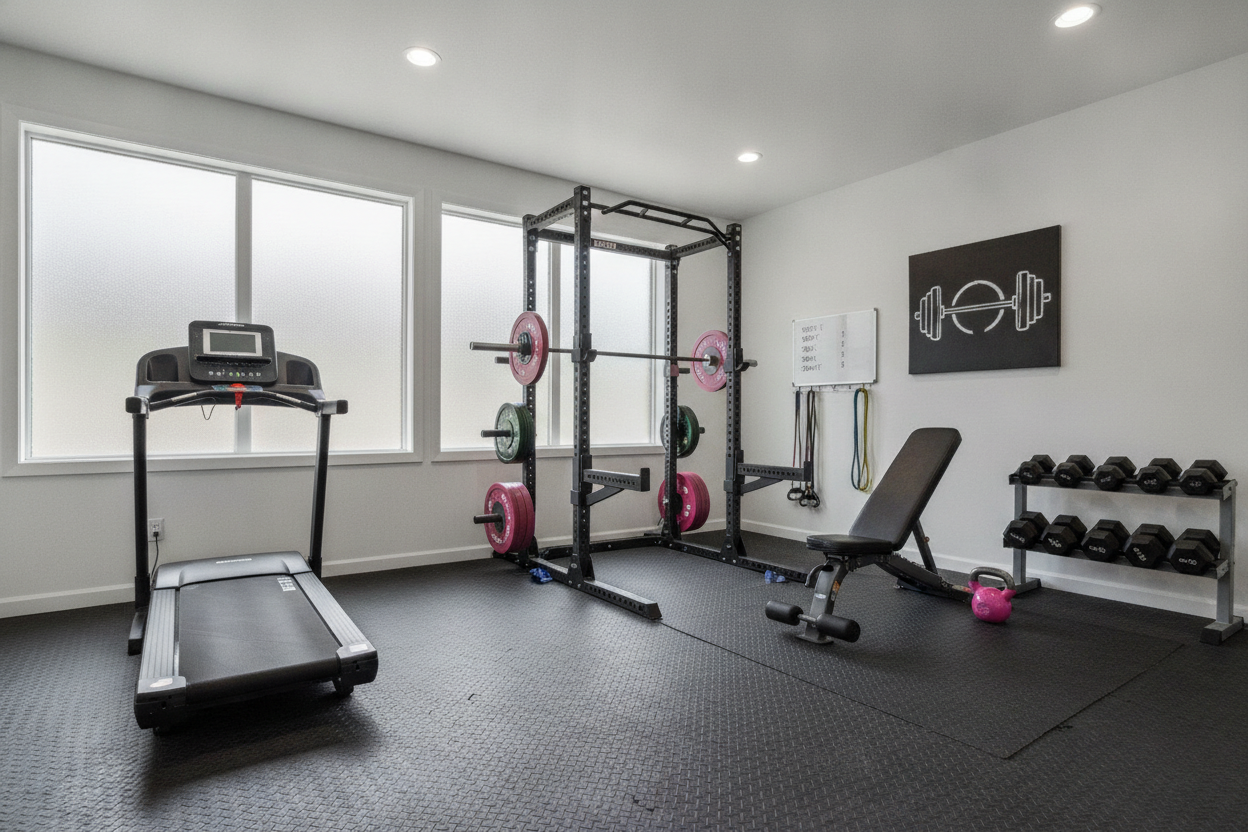
Women often have a higher ratio of lower-body strength compared to men, and this program exploits that. My squat went from a shaky 65 lbs to 185 lbs in less than four months. This kind of progression requires gear that won't fail when the weight gets serious. Don't try to run this on a flimsy 'standard' 1-inch bar or a rack that wobbles when you re-rack 150 lbs. You need heavy-duty Strength Equipment that can handle the abuse of three heavy squat sessions a week. If your rack doesn't have spotter arms, you'll never push yourself to the limit because you'll be too afraid of getting pinned.
Why You Will Hit a Wall on the Bench Press
This is where the 'purist' approach falls apart for us. Most men can add 5 lbs to their bench press every session for a month. I hit a brick wall at 85 lbs. My form was perfect, but my nervous system just said 'no.' The biological reality of female upper body muscle mass means that a 5-lb jump is often a 5-10% increase in total weight, which is unsustainable. However, don't skip it. I found that Chest Workouts For Women Build Strength And Confidence like nothing else. There is a specific mental toughness that comes from lowering a heavy barbell to your chest and knowing you have the power to drive it back up.
Micro-Loading: The Secret Weapon You Have to Buy
If you want to keep your bench and overhead press moving, you have to buy fractional plates. I’m talking about 0.5-lb and 1-lb discs. Adding just 1 or 2 lbs to the bar sounds like nothing, but for a woman's overhead press, it’s the difference between a successful set and a failed rep. I keep my fractional plates and my liquid chalk in a small bin of Strength Training Accessories right next to the rack. Without them, your upper body progress will stall out in three weeks, and you'll get discouraged and quit.
Ignoring the Purists: Why You Might Need Accessory Work
The Starting Strength purists will tell you that any exercise outside of the 'Big Four' is a waste of time. I disagree. After four months, my legs were huge, but my arms still looked like I didn't lift. Women generally need a bit more volume for hypertrophy. I started adding a few targeted Chest Exercises For Women To Build Strength And Tone—like incline dumbbell presses or push-ups—at the end of my Friday sessions. This extra 'fluff' work didn't hurt my recovery, but it did help fill out my shirts and kept me motivated when the main lifts got boring.
The Messy Reality of Recovery and Mobility
Squatting heavy three days a week is brutal on the joints. By week eight, my hips were so tight I could barely sit in a chair. You have to treat recovery as a part of the program. I cleared out a corner of my garage and laid down a 6X8Ft Exercise Mat Yoga Mat Gym Flooring For Home Workout just for mobility work. Spend 15 minutes a day on that mat rolling out your glutes and stretching your hip flexors, or you won't make it past month three. Also, eat. This is not the time for a 1,200-calorie 'cleanse.' If you don't eat enough protein, the bar will eventually win.
FAQ
Can I use a 15kg 'women’s' bar for this?
Absolutely. In fact, if you have smaller hands, the 25mm diameter of a 15kg bar makes the heavy deadlifts much easier to grip. Just make sure it’s a high-quality steel bar with good knurling.
What if I can't even bench the empty 45lb bar?
Start with dumbbells or a lighter technique bar. There is no shame in starting at 20 lbs. The program is about the *increment*, not the starting number. Add weight every time, and you'll be at the 45lb bar in no time.
Do I really have to squat three times a week?
For the first 8-12 weeks, yes. That frequency is what builds the skill and the bone density. If you find you aren't recovering, you can eventually swap the middle day for a lighter squat or a different movement.