Why I Tell Beginners to Ignore 90% of the Weights in the Gym
I remember walking into a commercial gym for the first time. It felt like a high-tech factory where I didn't speak the language. There were rows of chrome, pulleys, and leather pads that looked more like torture devices than tools. The sheer volume of weights in the gym can paralyze you before you even pick up a five-pound plate. You feel like everyone is watching, and you're one wrong move away from a viral 'gym fail' video.
- Master the big four movements: Squat, Bench, Row, and Overhead Press.
- Free weights build stabilizing muscles that machines often ignore.
- Progressive overload is the only 'secret' to getting stronger.
- If your joints hurt, your ego is likely doing the lifting.
The 'Optimal' Trap is Ruining Your First Year
Social media has turned the simple act of picking up heavy things into a complex engineering problem. You scroll through TikTok and see 20-year-olds in 4K resolution arguing about 'internal rotation' and 'lever arms' before they've even deadlifted their own body weight. It’s enough to make anyone anxious. If you are wondering how should i lift weights, the answer isn't 'perfectly'—it's 'consistently.' The internet loves to scream about optimal biomechanics, but for a beginner, that’s just noise that keeps you on the sidelines.
The truth is, your first year of lifting is a grace period. Your body is so unaccustomed to resistance that almost anything will work, provided you do it safely and with effort. You don't need a PhD in kinesiology to build a chest. You don't need a $5,000 specialized cable system to get stronger. When you spend your time worrying if your grip is two millimeters too wide, you're losing the intensity that actually drives muscle growth. Stop overthinking the 'perfect' angle and start moving.
Which Weights in the Gym Actually Matter?
Walk into any big-box gym and you’ll see a sea of equipment. You’ve got selectorized weight lifting machines, plate-loaded monsters, cable crossovers, and the free weight section. For a beginner, the free weights—dumbbells and barbells—are where the real magic happens. Machines are great for isolating a specific muscle, like trying to grow the outer head of your triceps, but they don't teach your body how to move as a single unit. They have a fixed path, which means the machine is doing the balancing for you.
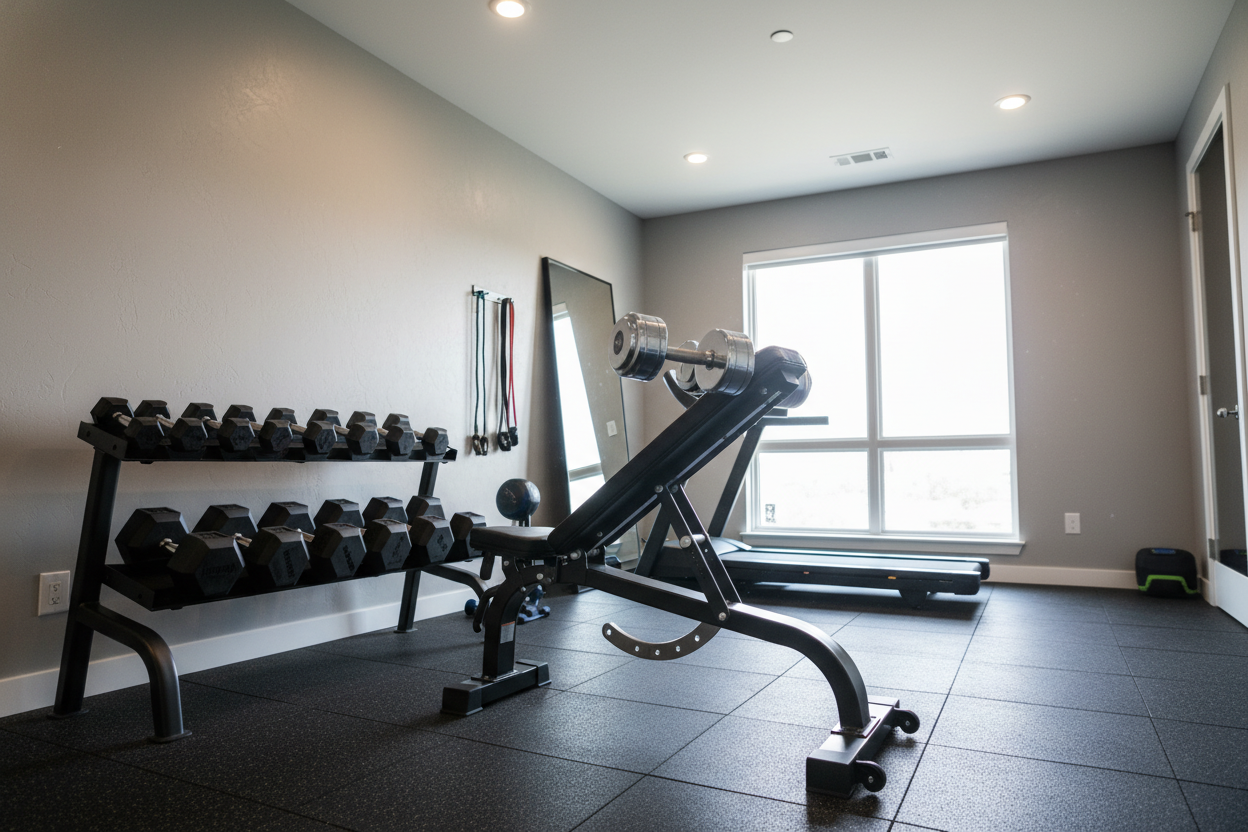
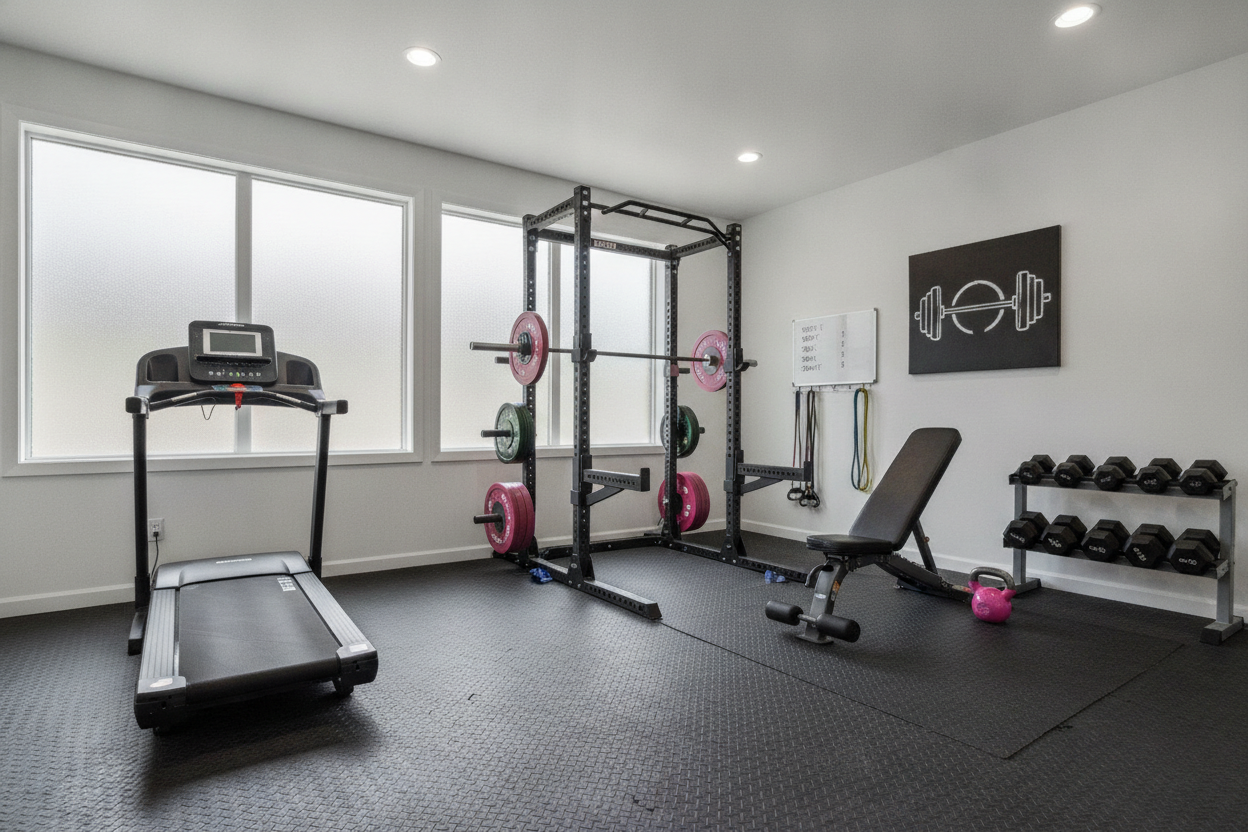
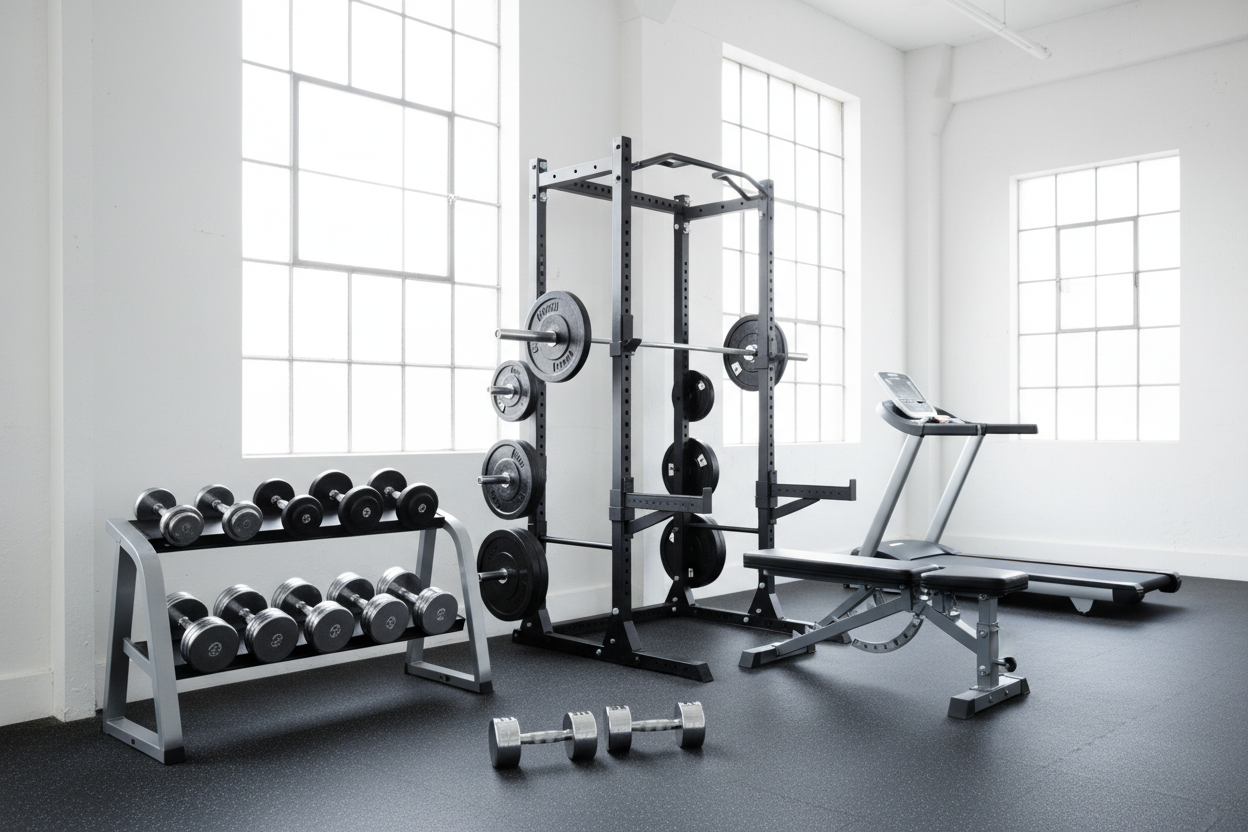
I usually tell people to walk right past the complex circuit training area. Those machines are often built for bodybuilders who already have a massive base of strength and are looking to refine tiny details. If you want a functional, strong physique, you need to learn how to stabilize a dumbbell. A rack of dumbbells and a few Olympic barbells are the most versatile tools in the building. They require more coordination, which might feel awkward at first, but that awkwardness is exactly what builds the stabilizing muscles that prevent injury in the real world.
A Dead-Simple Blueprint: How Should I Weight Train?
If you find yourself asking how should i weight train, keep it brutally simple. You don't need a fifteen-exercise routine that takes two hours to complete. In fact, that’s a one-way ticket to burnout. You need four or five core movements that you can master. Think of a push (bench press), a pull (rows), a leg movement (squats or lunges), and a hinge (deadlifts). If you do those things well, you’ve already won 90% of the battle. You can get an incredible workout with just a pair of dumbbells and a solid adjustable weight bench.
A sturdy bench is the centerpiece of any real training program. Whether you're doing a seated overhead press or a flat chest press, having a stable surface that doesn't wobble when you've got 50 pounds over your face is non-negotiable. Look for something with at least a 600-lb weight capacity so you don't outgrow it in six months. By stripping away the fluff and focusing on these 'big' movements, you allow your central nervous system to actually learn the patterns. You'll see more progress doing three sets of heavy dumbbell rows than you will doing six different cable variations that you saw on an influencer's page.
How to Get Better at Lifting Weights (Without Program Hopping)
The biggest mistake I see is 'program hopping.' This is when someone tries a routine for two weeks, doesn't see a six-pack, and switches to a new one. If you want to know how to get better at lifting weights, the secret is 'progressive overload.' It sounds fancy, but it just means doing slightly more than you did last time. If you lifted 40-pound dumbbells for 8 reps last Monday, try to hit 9 reps this Monday. Or try the 45-pounders for 6 reps. That’s it. That is the entire secret to strength.
Keep a logbook. It can be a $2 notebook or a notes app on your phone. If you aren't tracking your numbers, you're just exercising—you aren't training. Training is a deliberate attempt to improve. You don't need 'muscle confusion.' Your muscles aren't smart enough to be confused; they only understand tension and recovery. Stick to the same 'boring' exercises for months at a time. The people who get the best results are usually the ones doing the same five movements every single week, just with more weight on the bar than they had last year.
Warning Signs: When Your Lifting Form is Actually Dangerous
There is a massive difference between the 'burn' of a muscle working and the 'stab' of a joint failing. Beginners often pride themselves on pushing through pain, but that’s how you end up on the shelf for six months. I learned this the hard way. I spent years ignoring nagging shoulder pain from lifting weights because I thought I was being 'hardcore.' I wasn't. I was just grinding my rotator cuff into dust because my bench press form was trash and I was lifting more than I could handle.
If you feel a sharp, pinching sensation in your shoulders or a dull ache in your lower back, stop immediately. It usually means one of two things: your ego is picking the weight, or your setup is wrong. For pressing movements, keep your shoulder blades tucked back and down. For pulling, don't use momentum to swing the weight. If you can't pause for a half-second at the top of the movement, it's too heavy. Listen to your joints now, or they will scream at you later. Quality reps will always build more muscle than 'trash' reps with heavy weight.
Personal Experience: My $40 Mistake
When I first started building a home gym, I bought the cheapest bench I could find at a local department store. It was about $40 and felt like it was made of recycled soda cans. The first time I tried to press 135 pounds, the backrest creaked and shifted two inches to the left. I almost dropped the bar on my throat. I realized then that 'saving money' on safety equipment is the most expensive mistake you can make. I eventually upgraded to a heavy-duty 11-gauge steel bench, and the confidence that came with a stable platform allowed me to add 20 pounds to my lift almost instantly. Don't trust your safety to cheap gear.
How many days a week should a beginner lift?
Three days a week is the sweet spot. It gives your muscles and your central nervous system 48 hours to recover between sessions. Quality over quantity always wins.
Do I need to use a barbell right away?
Not necessarily. Dumbbells are actually better for many beginners because they allow for a more natural range of motion and help identify strength imbalances between your left and right sides.
Should I do cardio before or after weights?
Do it after. You want your peak energy and focus for the heavy lifting. If you exhaust yourself on the treadmill first, your form will suffer when you pick up the weights.