I Quit Lifting to Failure and Switched to Easy Strength Training
I spent a decade believing that if I didn't see spots after a set of squats, I was wasting my time. My garage gym sessions were a war zone of smelling salts and grinding reps that took three seconds to lockout. By age 35, my elbows felt like they were filled with crushed glass and my deadlift hadn't budged since the Obama administration. I was working harder than everyone, but I was getting weaker.
That is when I swallowed my ego and started easy strength training. I stopped chasing the 'pump' and started chasing quality. It felt wrong to leave the gym without being drenched in sweat, but the results spoke for themselves. Within three months, my nagging joint pain vanished and I finally added 20 pounds to my overhead press without a single grindy rep.
Quick Takeaways
- Stop lifting to failure; leave 2-3 reps in the tank every single set.
- Lift frequently (4-5 days a week) but keep the sessions short—30 minutes max.
- Focus on the big five: a hinge, a pull, a push, a squat, and a loaded carry.
- Progress comes from consistency and volume over months, not intensity over one hour.
The Day I Realized 'Hard Work' Was Making Me Weaker
I remember trying to unrack 315 for a set of five on the bench. My right shoulder gave a sickening pop on the second rep. I pushed through it because that is what 'hard' trainees do. I finished the set with terrible form and spent the next three weeks unable to reach for a coffee mug without wincing. My 'no pain, no gain' mindset was literally breaking my body.
The garage gym is a lonely place to fail. When you are grinding out forced reps alone, you aren't building muscle; you are just practicing how to move poorly under load. I realized that my obsession with intensity was a mask for my lack of a real plan. I was tired, but I wasn't getting stronger. I was just getting better at being exhausted.
What the Heck Is 'Easy' Lifting Anyway?
Easy strength is a concept popularized by Dan John and Pavel Tsatsouline. It sounds like a scam for people who want to avoid hard work, but it is actually a sophisticated way to manage your central nervous system. It does not mean using pink plastic dumbbells for 50 reps while watching Netflix. It means lifting relatively heavy weights—usually 70% to 80% of your max—but doing it so cleanly that the bar never slows down.
You pick a few big movements and you do them almost every day. Because you never go to failure, you don't need 48 hours to recover. You treat lifting like a 'practice' rather than a 'workout.' Think of it like a professional pianist; they don't play until their fingers bleed every day. They practice with precision so that when it's time to perform, the skill is automatic.
The 4 Unbreakable Rules of Easy Strength Workouts
To make easy strength workouts actually work, you have to follow the rules, or you'll just end up overtraining again. First, keep the reps low. We are talking 2 sets of 5, or 3 sets of 3. If you're doing 10 or 12 reps, you're building fatigue, not strength. Second, never miss a lift. If you have to struggle to finish a rep, the weight is too heavy for today.
Third, use small increments. I'm a big fan of using fractional plates from your Strength Training Accessories to add just one or two pounds a week. It feels like nothing, but over six months, that is a massive jump. Fourth, stay in the 70-80% range of your 1RM. You should finish every set feeling like you could have done five more reps if someone put a gun to your head.
Why Your Nervous System Will Finally Recover
When you grind a rep to failure, you aren't just taxing your muscles; you are frying your Central Nervous System (CNS). A fried CNS takes days to recover, which is why most people can only squat heavy once a week. By keeping the intensity manageable, you can squat four times a week and feel better on Friday than you did on Monday. This high-frequency approach builds a much deeper level of 'greasing the groove.'
If you constantly redline your engine, you're going to blow a gasket. I used to think I was tough for pushing through the fatigue, but I was actually being stupid. You need to Stop Sabotaging Your Lower Body Strength Training Workouts by treating every leg day like a maximal effort event. When I switched to sub-maximal squats, my legs actually grew because I was hitting them 400% more often than before.
Setting Up Your Own Anti-Grind Routine
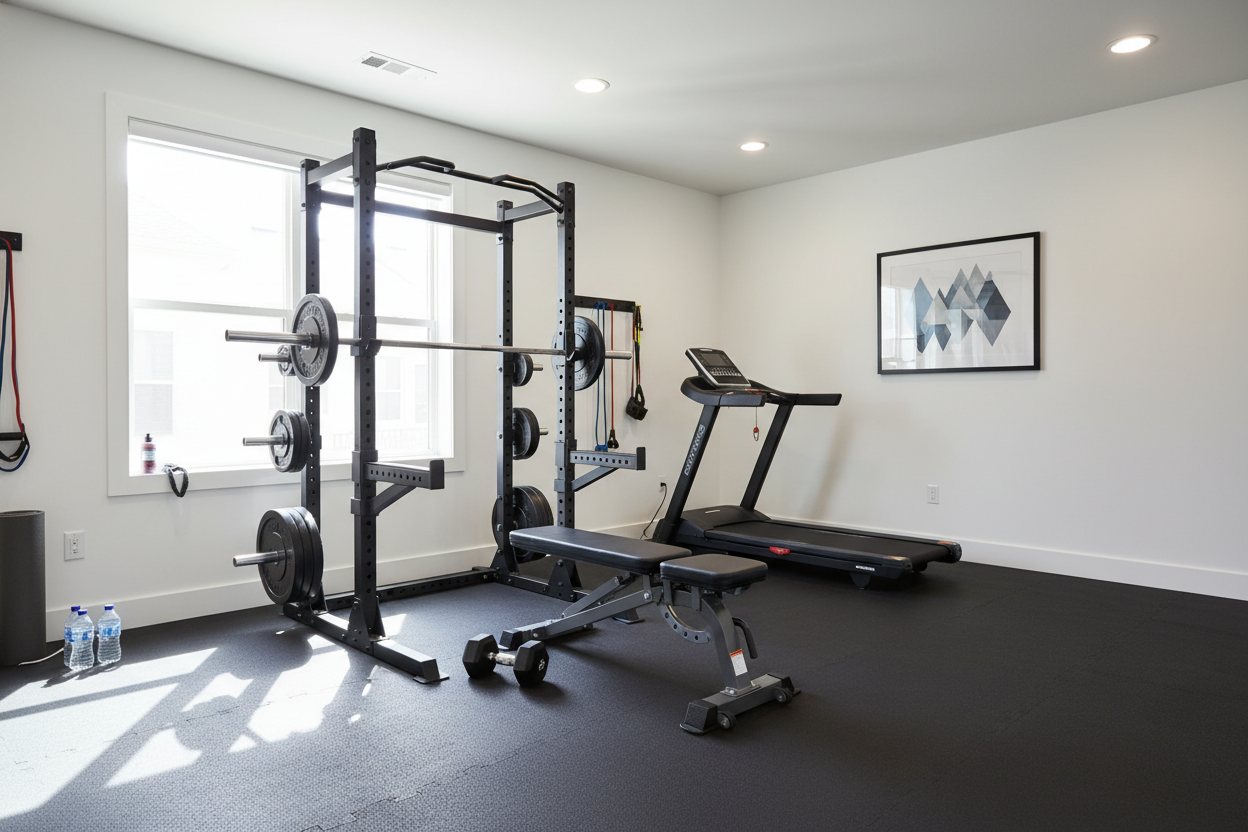
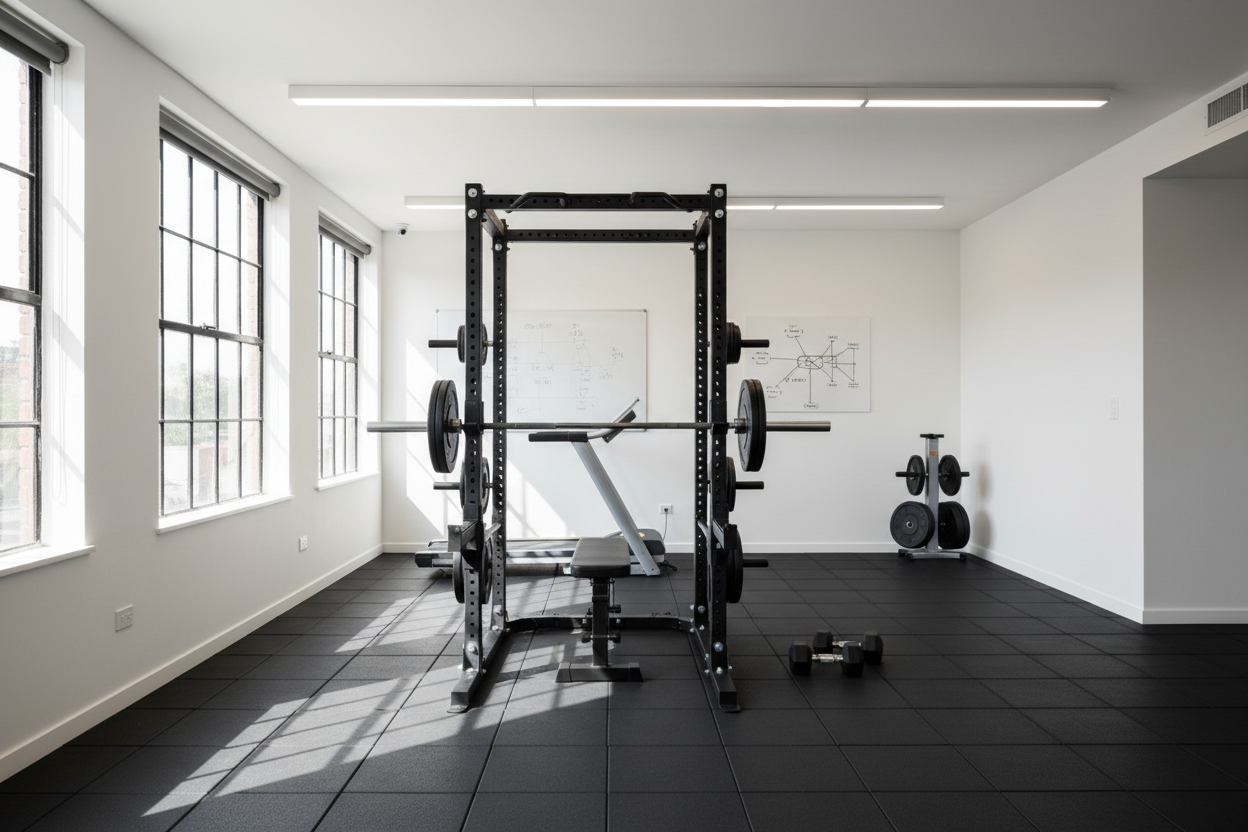
Building a program is simple. You need one push (Press or Bench), one pull (Rows or Pull-ups), one hinge (Deadlift or KB Swing), and one squat (Front or Back). That's it. You don't need fifteen variations of lateral raises. You need a solid barbell and a rack. If you have basic Strength Equipment like a power rack and a decent bar, you have everything you need to get elite-level strong.
I recommend a 5-day-a-week schedule where you perform the same movements every day. It sounds boring, but the results are addictive. For a plug-and-play template, I usually point people toward The Easy Strength Training Workout I Give My Busiest Friends because it cuts out all the fluff. You walk in, hit your 2x5, and you're back in the house for dinner in 20 minutes. It turns strength into a habit rather than a chore.
The Hardest Part? Walking Away Feeling Fresh
The psychological battle is the real hurdle. We are conditioned to think that a workout isn't successful unless we are crawling to the car. Walking away from the rack feeling like you could do ten more reps feels like cheating. It requires a massive amount of discipline to stop when you're feeling good.
But that 'fresh' feeling is exactly what allows you to come back tomorrow and do it again. Over a year, the person who does 500 high-quality reps will always beat the person who does 50 ugly, grindy reps and spends half their time on the injury list. Trust the process, leave the ego at the door, and stop making everything so hard.
FAQ
Will I lose muscle if I don't go to failure?
No. While failure is one way to trigger hypertrophy, high-frequency mechanical tension is just as effective. You'll likely find your muscles look 'harder' because your muscle tone increases from the daily frequency.
Can I do this with just kettlebells?
Absolutely. It works great with double kettlebell presses and swings. The key is the load management, not the specific tool. Just make sure you can incrementally increase the weight or difficulty over time.
What if a weight feels 'heavy' one day?
That is the beauty of this system. If the weight feels heavy, just do your reps and go home. Don't try to 'show the weight who is boss.' Some days are for 80%, some days are for 70%. As long as you don't miss, you're winning.