I Paired Back and Shoulder Exercises for 8 Weeks — Here's What Happened
I spent three years religious about the standard Push/Pull/Legs split. It’s the industry standard for a reason, but after a while, my physique started looking like a lopsided triangle. My chest was overdeveloped, but my rear delts were flat pancakes, and my posture was starting to resemble a question mark from all the heavy benching. I decided to scrap the rules and focus specifically on back and shoulder exercises to see if I could force some width into my frame.
- Posture Gains: Consolidating the posterior chain movements fixed my rounded shoulders within a month.
- Rear Delt Growth: Finally giving the back of the shoulder its own priority instead of an afterthought led to actual 3D delts.
- Grip Fatigue: You’ll need straps or a serious break between heavy rows and overhead work.
- Efficiency: This split allows for massive recovery time for the chest and triceps, which helped my bench press indirectly.
Why I Ditched the Traditional Push/Pull Split
The problem with the classic 'Pull' day is that your rear delts are usually the last thing you train. By the time you’ve finished heavy deadlifts and weighted pull-ups, your central nervous system is fried. You end up doing three half-hearted sets of face pulls and calling it a day. I realized my arm shoulder and back workout needed more than just 'finisher' status.
By grouping the upper back and the entire shoulder complex together, I could treat the delts as a primary muscle group rather than a secondary one. This wasn't about just doing more volume; it was about doing better quality work when I actually had the energy to move some real weight. My upper back and shoulder routine became the hardest day of the week, but the results were almost immediate.
The Fatigue Problem (And How I Beat It)
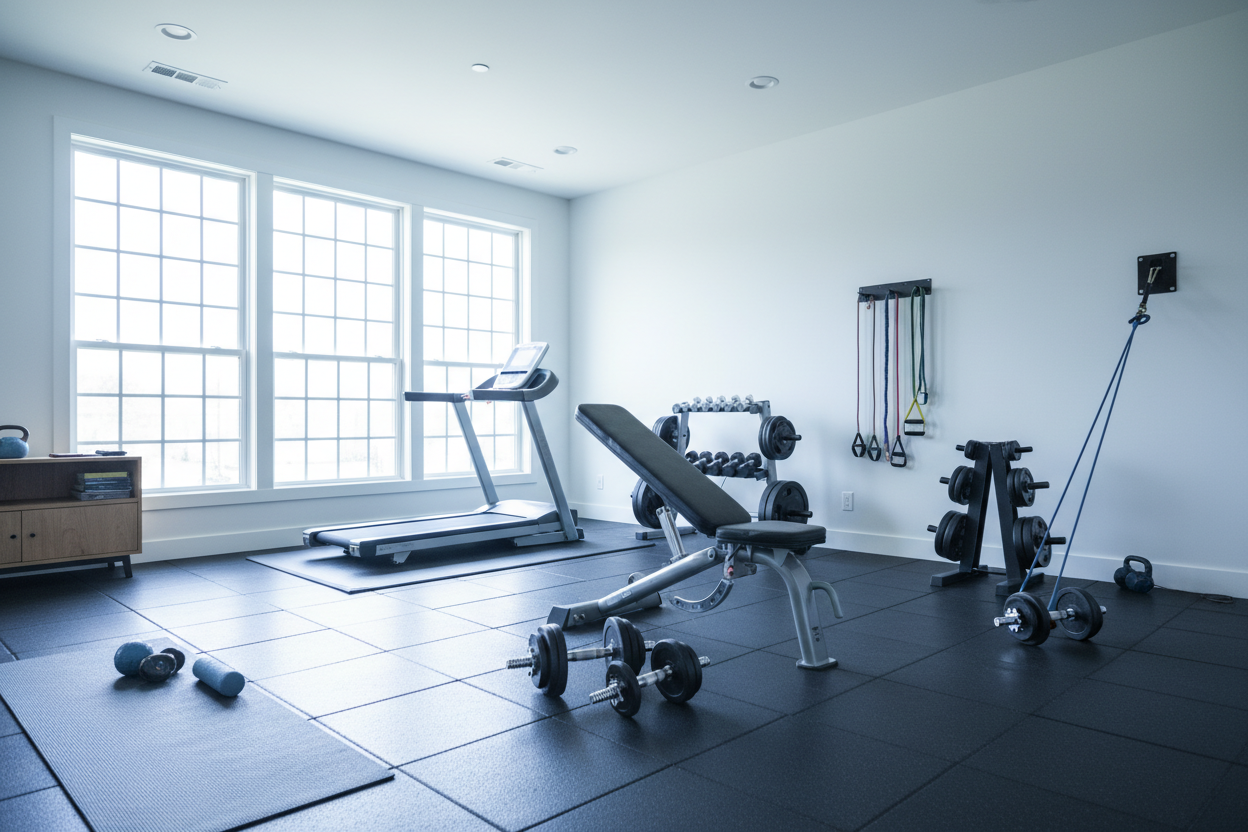
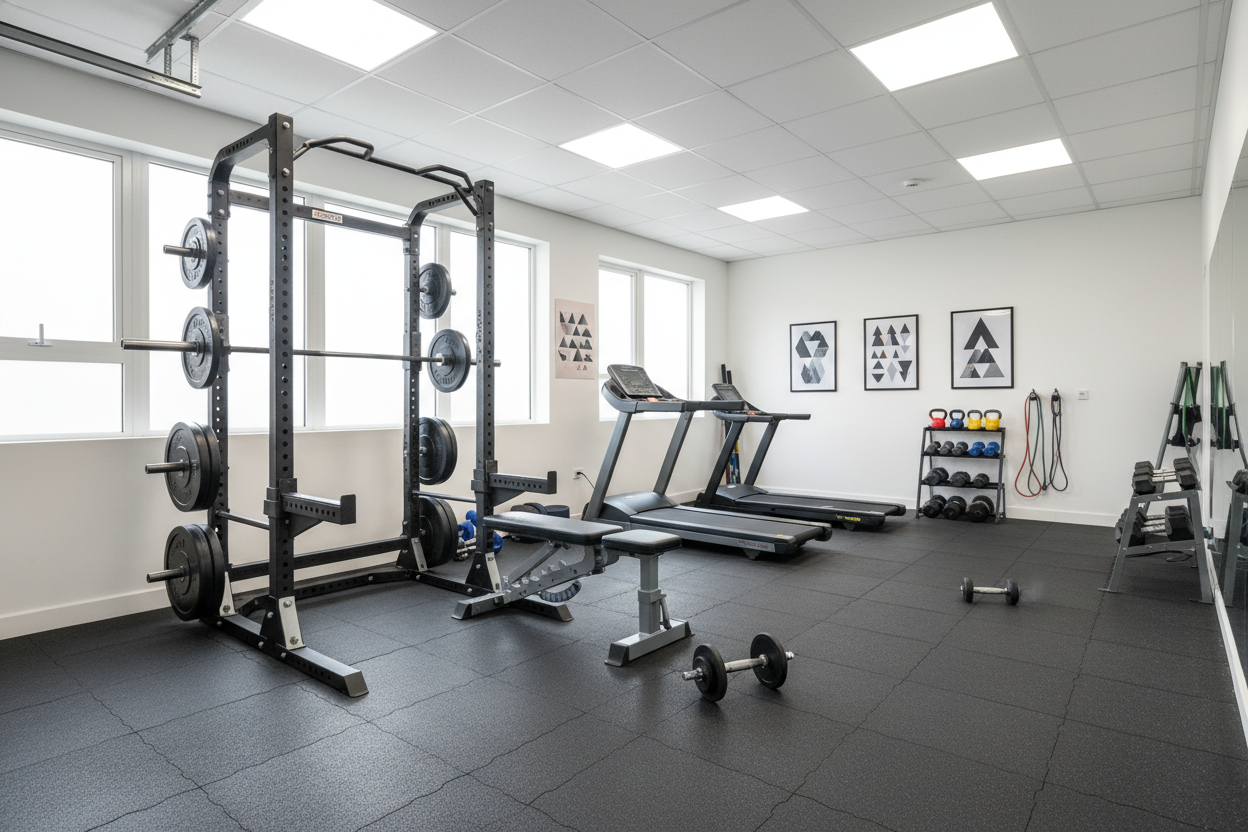
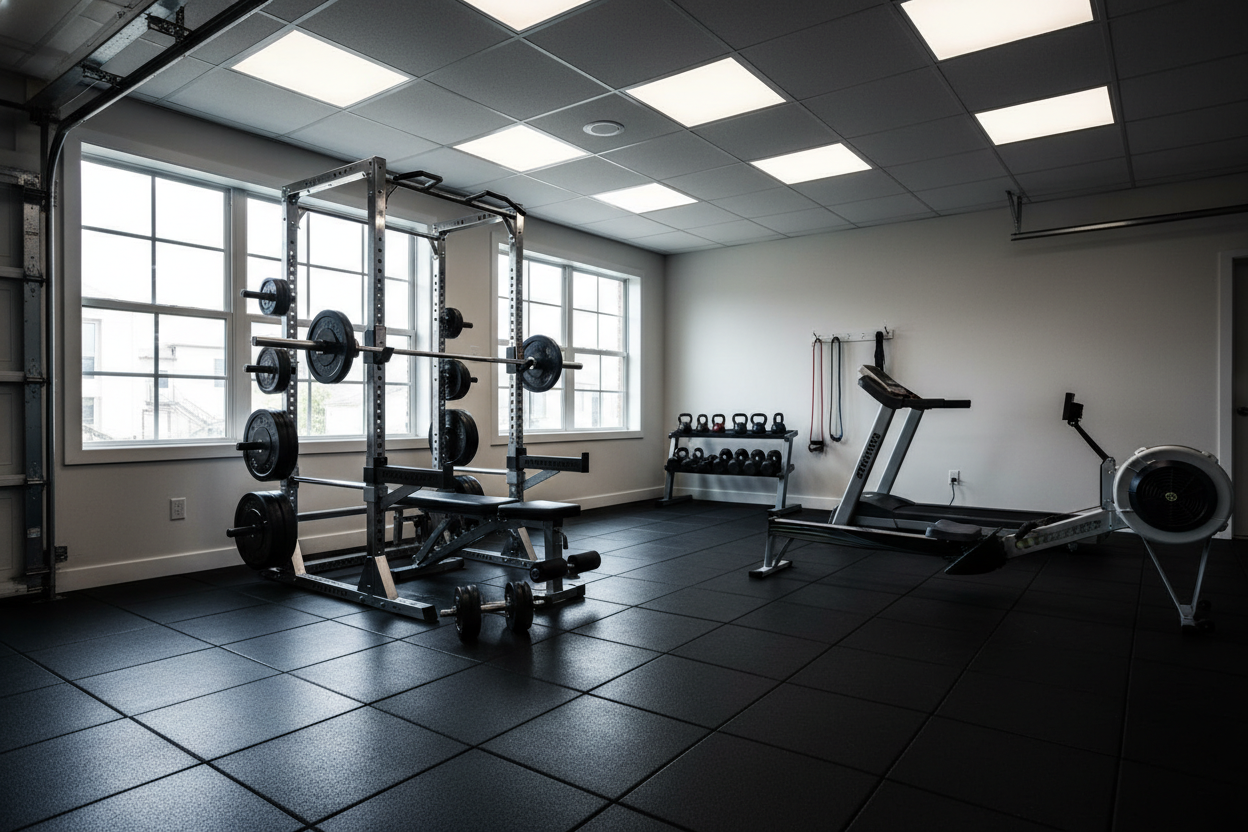
Combining heavy barbell rows with overhead presses is a recipe for a blown-out lower back if you aren't careful. About two weeks in, I realized that my core was giving out before my lats were. I had to get smart about my environment and my sequencing. I made sure I was training on a stable surface—good gym flooring for home workout setups makes a massive difference when you're grinding out that last rep of a heavy row and need your feet anchored.
I also learned to alternate the 'heavy' focus. If I went heavy on the overhead press, I’d do chest-supported rows to save my spine. If I was doing heavy T-bar rows, I’d stick to high-rep dumbbell lateral raises. This balance kept me from burning out by week four and allowed me to stay consistent with my exercises back shoulder training without needing a week of bed rest.
Why I Started Pre-Exhausting My Delts
It sounds crazy to hit your shoulders before your big back movements, but it worked. I started my sessions with lateral raises. Why? Because the lateral delt is the hardest part to grow, and it rarely gets hit during back movements. By the time I got to my heavy rows, my shoulders were already pumped, which actually helped me 'feel' the mind-muscle connection in my upper back and shoulder workout more effectively.
The 4 Lifts That Actually Moved the Needle
You don't need a 12-piece cable crossover machine to get wide. I did 90% of this work with a basic weight set and bench in my garage. The four staples were the Barbell Overhead Press, Pendlay Rows, Seated Dumbbell Lateral Raises, and Face Pulls. These are the best back and shoulder workout movements because they cover every angle of the upper torso.
The Pendlay Row is non-negotiable for thickness. Unlike a standard bent-over row, the dead-stop on the floor forces you to use raw power. Pairing that with a strict overhead press creates a massive amount of stability across the shoulder girdle. If you're looking for a killer back and shoulder workout, stop chasing fancy machines and start moving heavy iron from the floor to your chin.
The Final Verdict: Is This Split Worth Your Time?
After eight weeks, my upper back was noticeably thicker, and my shirts were fitting tighter across the shoulders. The biggest surprise was the posture correction. Because I was focusing so much on the rear delts and traps, my chest naturally opened up. This shoulder and back workout approach isn't just for guys looking to get huge; it's the foundation of that athletic V-taper everyone wants.
If you're a beginner, stick to a full-body split for a while. But if you’ve hit a wall and your shoulders look like they belong on a much smaller person, this is the fix. It’s a grueling way to train, but it’s the most effective way I’ve found to build a back that actually looks like it belongs to someone who lifts.
FAQ
Can I train back and shoulders on the same day?
Yes, and it's actually one of the best ways to ensure your rear delts don't lag behind. Just be mindful of your lower back fatigue if you're doing heavy rows and overhead presses in the same session.
Should I do back or shoulders first?
It depends on your goals. If you want wider shoulders, hit your lateral raises or overhead press first while you're fresh. If you want a thicker back, start with your heavy rows or pull-ups.
How many times a week should I do this workout?
Twice a week is the sweet spot for most. This gives you enough volume to grow but allows for enough recovery time, especially since your grip and forearms take a beating on this split.