Stop Chasing Optimal: Why a Tried and True Bodybuilding Split Wins
I recently caught myself staring at a protractor in my garage, trying to measure the exact angle of my bench to 'perfectly' line up my upper pec fibers. I had three different spreadsheets open and was considering buying a fourth specialized cable attachment. Then I looked at a photo of myself from three years ago when I just did heavy incline presses and dumbell flyes. I was bigger then. Much bigger.
The obsession with 'optimal' is the fastest way to stay small. We get so caught up in the latest EMG studies and biomechanics jargon that we forget the fundamental rule of hypertrophy: hard work over time. If you want to actually fill out a t-shirt, you need to stop program hopping and embrace a tried and true bodybuilding approach that focuses on effort rather than micro-adjustments.
Quick Takeaways
- Consistency for 16 weeks beats a 'perfect' program followed for two weeks.
- Compound movements are your foundation; don't swap them for fancy cable work too early.
- A basic tried and true bodybuilding template works because it allows for clear progressive overload.
- Your home gym only needs a few high-quality staples to build a pro-level physique.
The 'Optimal Science' Trap That Keeps You Small
The modern fitness industry thrives on novelty. If a coach tells you to just squat, bench, and row for the next year, they can't sell you a new PDF next month. So, they invent problems. They tell you your squat is 'sub-optimal' for quad growth or that your deadlift is 'too much fatigue for the reward.'
This creates a state of paralysis. You spend your rest periods scrolling Instagram instead of preparing for your next set. I fell into this hole hard. I tried training bodybuilding like a pro by mimicking the ultra-high-volume, specialized routines of guys on 'extra-curricular' supplements. I spent two hours in the gym doing 'primers' and 'activation' drills. I shrank. I lost the raw strength that actually builds dense muscle because I was too busy being 'optimal' to be intense.
Anatomy of a Tried and True Bodybuilding Template
A tried and true bodybuilding template isn't sexy. It usually involves hitting a muscle group twice a week, or a classic 'Push, Pull, Legs' split. The magic isn't in the split itself, but in the structure. You start with a heavy compound movement in the 6-8 rep range, move to a moderate-weight secondary lift for 10-12 reps, and finish with isolation work where you chase the pump.
You need enough volume to trigger growth but not so much that you can't recover. If you're training in a garage, this means getting very comfortable with a barbell. You don't need 15 different machines to hit your back from every angle. A heavy row, a pull-up, and a pulldown will do 95% of the work. The remaining 5% doesn't matter if you haven't mastered the first 95%.
The Magic of Actually Sticking to the Script
Most lifters quit a program right when it starts working. The first 4 weeks are neurological—your brain is just learning the movements. Weeks 5 through 16 are where the actual tissue growth happens. If you bail at week 6 because you're 'bored,' you are literally leaving all your gains on the table.
Muscle growth is a slow, physiological grind. It’s boring. It’s doing the same 8-10 exercises every week and trying to add 2.5 pounds or one extra rep. If you can’t handle the boredom of a repeatable template, you won't handle the physical demand of carrying an extra 20 pounds of muscle.
Running the Basics in Your Garage Gym
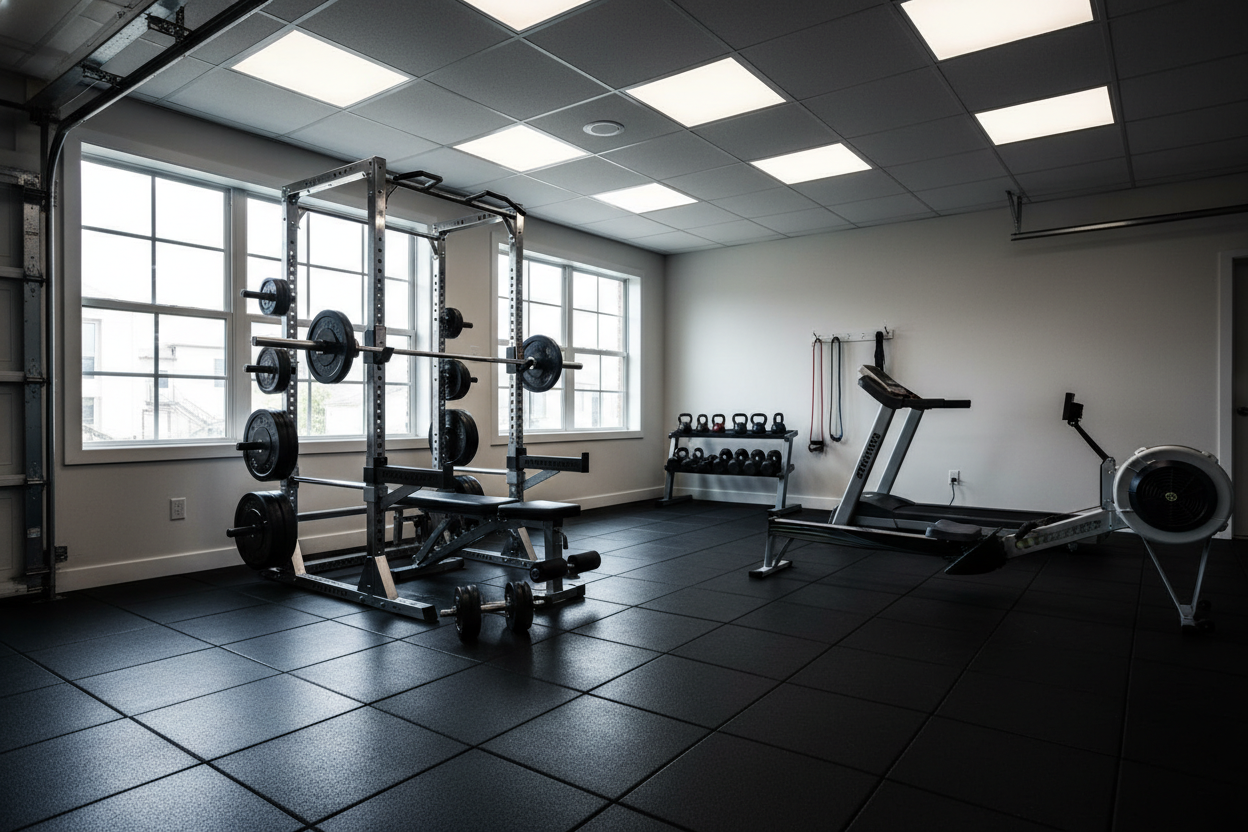
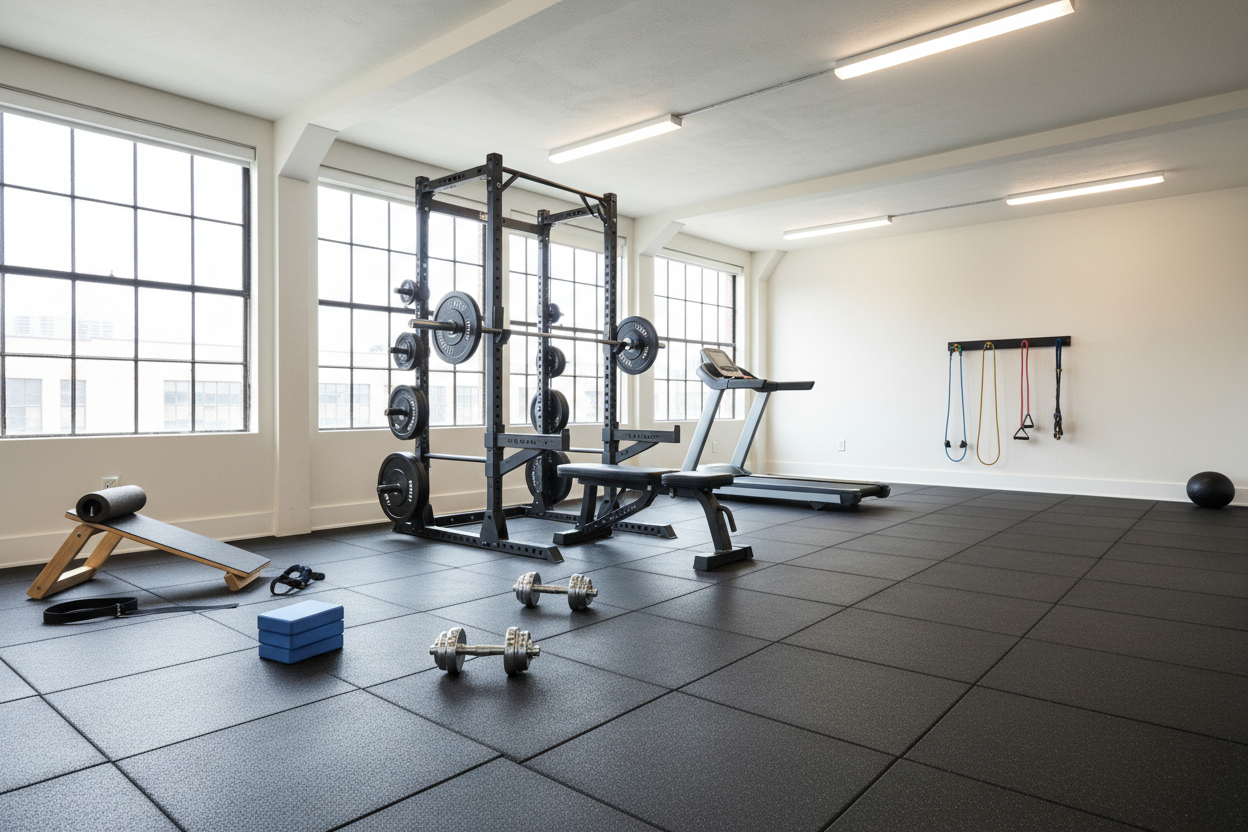
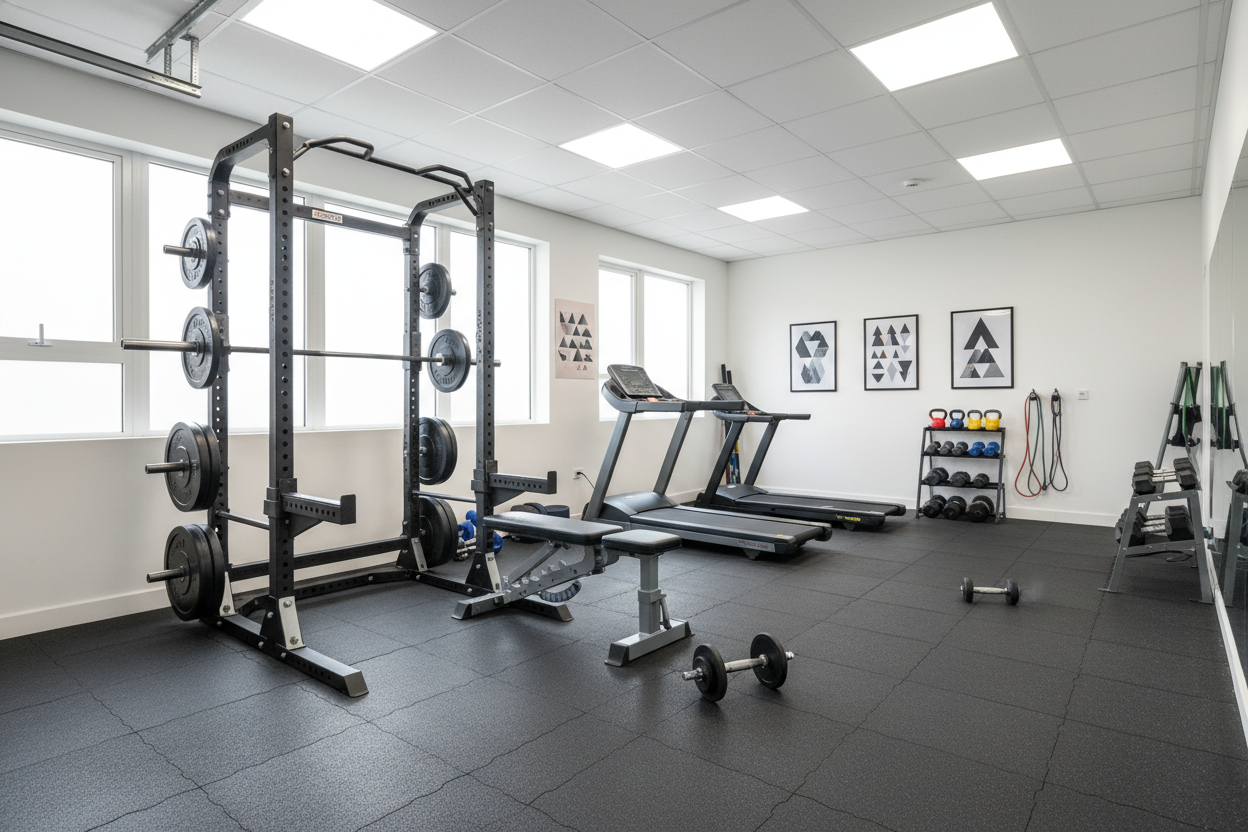
You don't need a $50,000 commercial setup to get results. In fact, some of the best physiques in history were built in dungeons with nothing but rusty iron. The absolute core of your setup should be a high-quality weight set and bench. I’m talking about a bench with a 1,000-lb capacity and a bar that doesn't feel like a pool noodle when you load it up.
In my own gym, I use a 3x3-inch rack with 11-gauge steel. It’s overkill for some, but I want to know that if I fail a rep, the safeties aren't going to fold. Once you have the basics, you can look into home gym machines for strength and bodybuilding to round things out. A functional trainer or a dedicated leg press allows you to take sets to absolute failure without the technical breakdown risk of a barbell. But remember: the machines are there to supplement the heavy lifting, not replace it.
How to Tell When It's Actually Time to Change Your Routine
So, when do you actually switch things up? Not when you're bored. You switch when you have genuinely plateaued for three consecutive weeks despite your recovery being perfect. If your strength is stagnant, your measurements haven't moved, and you feel like a zombie, it's time for a deload or a program tweak.
Usually, you don't need a whole new split. You just need to swap one or two exercises. Swap a flat bench for an incline. Swap a back squat for a front squat. These small pivots provide a new stimulus without throwing away the progress you've made on your foundational lifts.
Personal Experience: The 'Optimal' Mistake
A few years ago, I replaced my heavy barbell rows with a very specific, single-arm cable row because a 'science' coach said it better lined up with the lats. I did it for six months. My lats didn't grow, but my grip strength and overall back thickness plummeted. I went back to the 'sub-optimal' heavy rows and my back filled out in eight weeks. Sometimes, the 'wasted' energy of stabilizing a heavy weight is exactly what triggers the growth you're looking for.
FAQ
Do I need a gym membership for bodybuilding?
No. If you have a rack, a bench, and enough plates, you can build a pro-level physique. Most people fail at home because they lack the discipline, not the equipment.
How long should a workout take?
If you're following a standard template, 60 to 90 minutes is the sweet spot. If you're in there for three hours, you're either talking too much or your intensity is too low.
Can I build muscle with just dumbbells?
You can, but it's harder to progressively overload. Eventually, you'll outgrow standard sets. A barbell and plates are much more efficient for long-term growth.