I Halved My Frequency of Workout and Actually Got Stronger
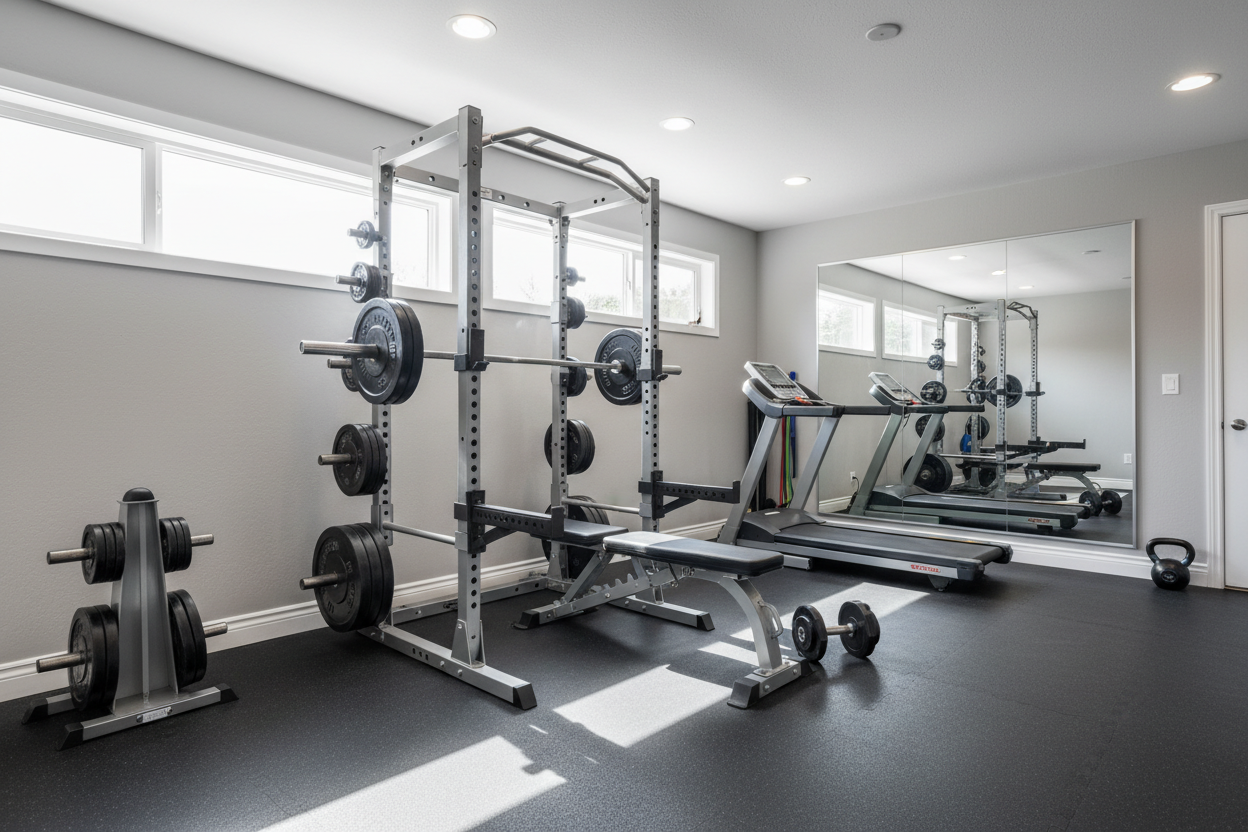
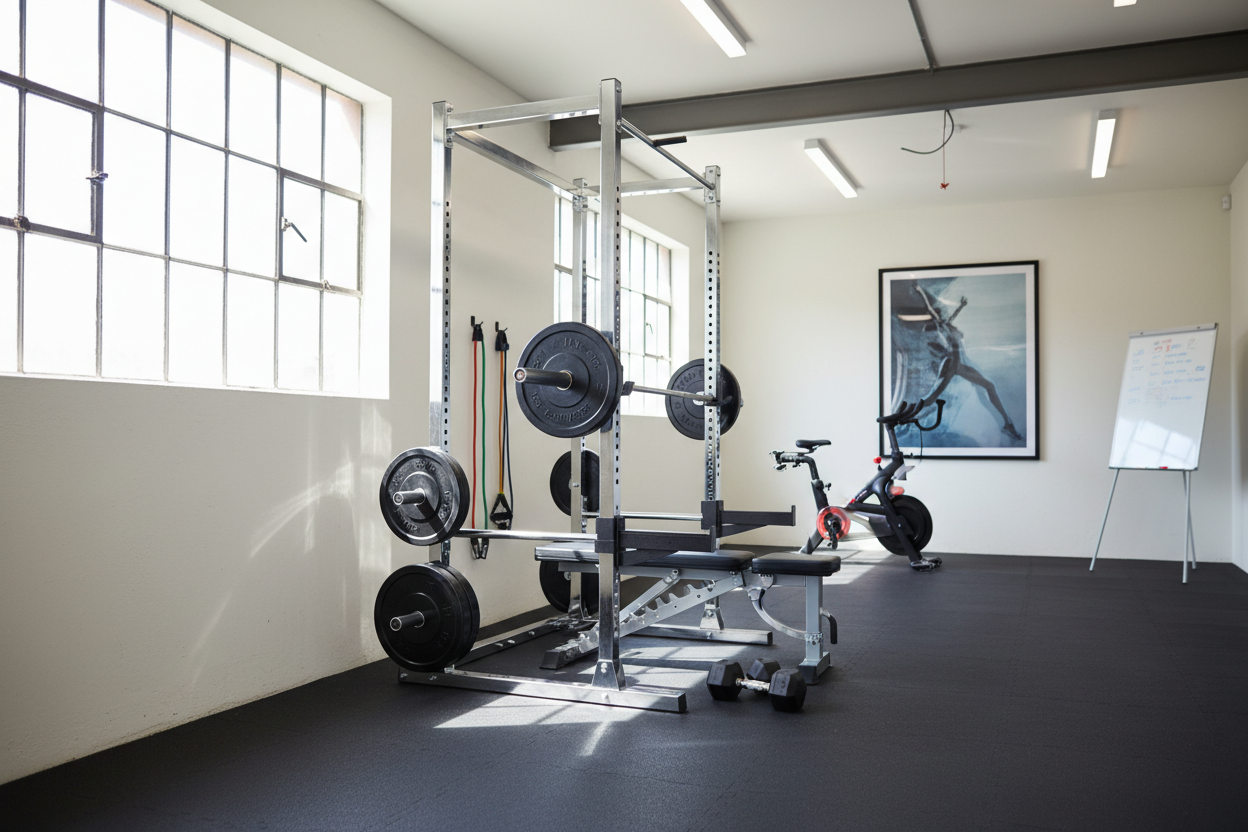
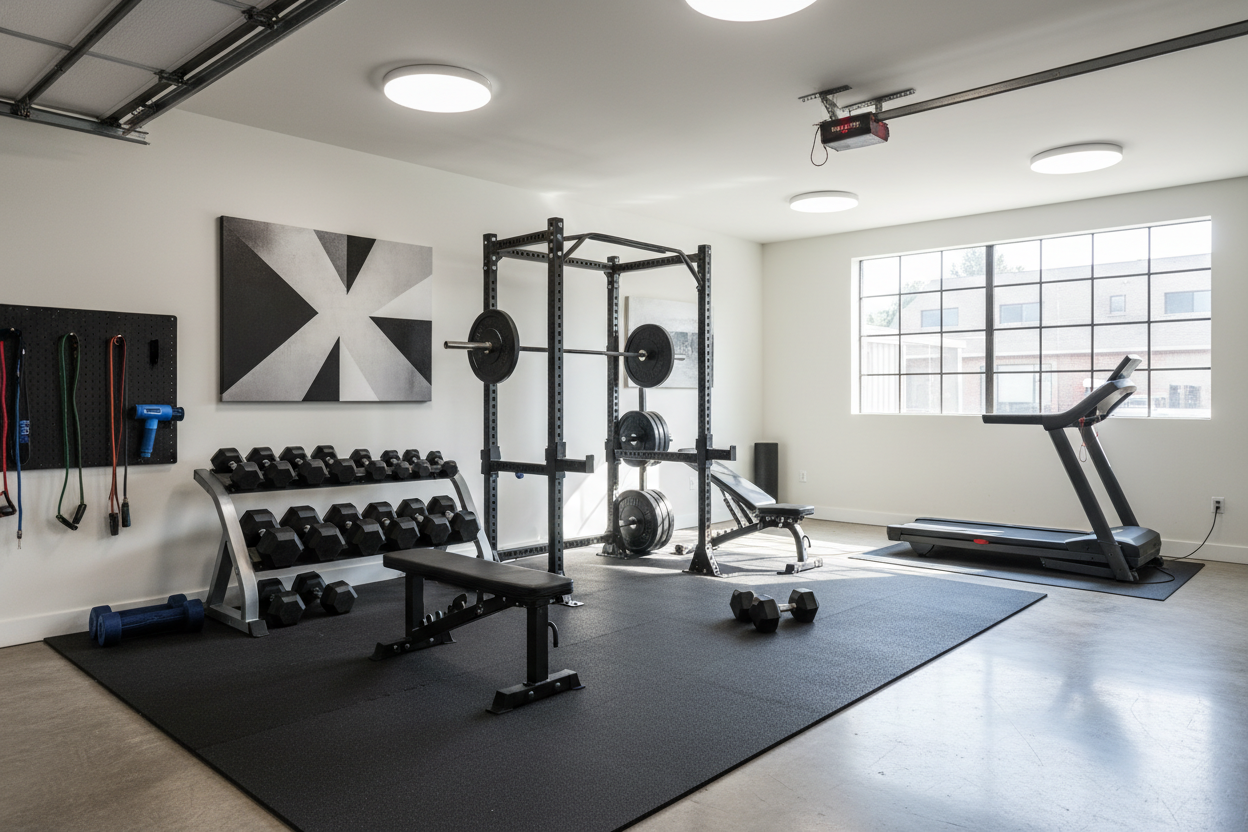
I remember the night I finished bolting my power rack to the concrete. I thought, 'This is it. I am going to hit it every single day.' No commute meant no excuses. But six months later, my elbows felt like they were filled with glass, and my squat had not moved five pounds. I realized my frequency of workout was actually sabotaging my gains.
Having a home gym is a double-edged sword. When the barbell is only twenty feet from your bed, the temptation to overtrain is constant. We have been sold this idea that 'hustle' means daily destruction, but for those of us not on a professional athlete's recovery protocol, that is a fast track to injury and plateaus.
Quick Takeaways
- Higher frequency does not guarantee faster muscle growth; recovery is where the tissue actually builds.
- Central Nervous System (CNS) fatigue is real and takes longer to dissipate than muscle soreness.
- A 3-day full-body or upper/lower split often outperforms a 6-day 'bro split' for natural lifters.
- Intensity must increase as frequency decreases to maintain a stimulus for growth.
The Six-Day Grind That Almost Broke My Garage Gym Dream
For the first year of owning my rack, my gym frequency was borderline neurotic. I was out there Monday through Saturday, hitting every body part with high volume. I thought I was being 'hardcore.' In reality, I was just tired. My joints were screaming, and I was dreading sessions I used to love. The convenience of the home setup made it too easy to ignore the signs of burnout.
I was stuck in a loop. I would go out, put up mediocre numbers because I was still sore from Tuesday, and then feel like a failure. My workout frequency was high, but my quality was trash. I was basically just moving weights through space without any real progressive overload. It was 'junk volume' in its purest form.
One morning, I tried to pull 405—a weight I usually handle for triples—and it wouldn't even leave the floor. My CNS was fried. I realized that just because the gym is always open doesn't mean my body is always ready. I had to rethink everything I knew about the frequency of training if I wanted to actually see the scale and the bar move again.
Why You Can't Recover Like a 22-Year-Old Fitness Influencer
Social media is a lie. You see guys in their early twenties hitting heavy doubles every single day and think that is the standard. It isn't. Most of us have jobs, kids, and stress that eat into our recovery. A high frequency of strength training requires a perfect environment—perfect sleep, perfect food, and zero stress. Most home gym owners are lucky to get seven hours of sleep.
When you lift heavy, you aren't just tearing muscle fibers; you are taxing your nervous system. If you don't give that system time to reset, your strength will crater. I see people falling into the trap of Trying to lose weight cardio or strength training? The brutal truth by trying to do both at high intensity every single day. They end up in a caloric deficit with high cortisol, wondering why they look 'skinny-fat' despite living in their gym.
Resistance training frequency needs to be balanced against your total life load. If you had a ten-hour shift and a fight with your spouse, your 5x5 squat session is going to hit your CNS twice as hard. Dialing back the frequency of strength training allows you to show up to the rack with a full tank, ready to actually push the needle forward rather than just checking a box.
Finding Your Minimum Effective Dose for Muscle Growth
The 'Minimum Effective Dose' is the lowest frequency of workout you need to trigger growth. For most people, that is far lower than they think. I dropped from six days to three, and within a month, my bench press jumped 15 pounds. Why? Because I was finally recovered enough to actually lift heavy. I wasn't just 'exercising'; I was training.
To make a low-frequency plan work, you need the right environment. You can't half-ass your equipment if you are only lifting three days a week. You need tools that allow for heavy, safe progression. When Choosing The Best Strength And Weight Training Equipment For Your Goals, focus on a solid rack, a high-quality bar, and enough plates to actually challenge yourself. If your equipment is flimsy, you will subconsciously hold back, which kills the effectiveness of a low-frequency split.
I found that hitting each muscle group twice a week—even with fewer total sessions—was the sweet spot. A Monday/Wednesday/Friday full-body split meant I had 48 to 72 hours of recovery between every single session. My lifting weights frequency was lower, but my performance per session was significantly higher. I was actually hitting PRs again instead of just 'surviving' the workout.
How to Structure a Brutal 3-Day Lifting Schedule
If you are only going to the gym three times a week, those sessions need to be focused. You aren't there to scroll on your phone. You are there to move heavy iron. I transitioned to a heavy Full Body split. Monday is heavy squats and overhead press; Wednesday is deadlifts and weighted dips; Friday is front squats and heavy rows. It is simple, but it is devastatingly effective.
The centerpiece of my setup during this transition was the Gxmmat Adjustable Weight Bench. Having a stable platform for heavy presses and rows is non-negotiable. When your gym frequency drops, the importance of every individual rep skyrockets. You can't afford a 'missed' set because your bench wobbled or your rack felt unstable. You need to be able to trust your gear when you are pushing for that final, grindy rep of a 5x5 set.
This structure also frees up your weekends. Instead of being the guy who has to 'hit legs' on a Saturday morning, I was out hiking or actually enjoying my life. My weight training frequency was lower, but my muscle mass was increasing because I was finally giving my body the resources to actually build tissue. The 'pump' is temporary; the strength built through recovery is permanent.
Making the Days You Do Lift Actually Count
Lowering your gym frequency is not an excuse to be lazy. It is a mandate to be more intense. If you are only hitting the iron three days a week, you cannot leave three reps in the tank on every set. You need to push closer to mechanical failure. This is where you find out what you are actually made of. One heavy set of squats to near-failure is worth more than five sets of 'going through the motions.'
To handle that kind of intensity, I started relying more on Strength Training Accessories. When you are only pulling heavy once a week, you don't want your grip to be the limiting factor on a deadlift PR. Using straps or a solid belt allows you to push your prime movers to the absolute limit. Since you have more recovery time, you can afford to absolutely wreck a muscle group during your scheduled session.
My personal mistake was thinking that 'intensity' meant more exercises. It doesn't. It means more effort on the big, compound movements. I cut my accessory work in half and doubled my focus on the main lifts. My joints stopped aching, my sleep improved, and my motivation came back with a vengeance. If you are stuck in a rut, try cutting your days in half. You might be surprised at how much stronger you feel when you aren't constantly exhausted.
FAQ
Is 3 days a week enough for hypertrophy?
Absolutely. If you hit full-body sessions or an upper/lower split that touches every muscle group twice a week, you have more than enough stimulus. The key is the total weekly volume and the intensity of your sets, not how many times you walk through the gym door.
How do I know if my frequency is too high?
Look for 'red flags' like persistent joint pain, a decrease in grip strength, trouble falling asleep despite being tired, and a lack of 'pop' in your movements. If 80% of your max feels like 95%, you need a deload and a frequency adjustment.
What should I do on my 'off' days?
Active recovery. Go for a walk, do some light mobility work, or ride a bike at a casual pace. The goal is to get blood flowing to the muscles without adding any more systemic fatigue to your CNS.